Mold is a silent invader that can wreak havoc on your home and health if left unchecked. One of the most common places for it to grow undetected is behind drywall, where moisture and darkness create the perfect breeding ground. Recognizing the signs of mold behind drywall is crucial to protecting your property and well-being, whether it’s mold in drywall, black mold in walls, or a subtle issue requiring home environmental testing.
Exposure to mold can cause health symptoms like sinus congestion, skin rashes, and even severe respiratory issues, according to Health.com. That’s why partnering with experts like Teton Environmental for mold inspection and testing can make all the difference. In this guide, we’ll uncover the hidden clues of mold growth and how to tackle it effectively.
Why It’s Important to Learn How to Spot Signs of Mold Behind Drywall
Mold thrives in hidden spaces, and signs of mold behind drywall often go unnoticed until the problem escalates. Black mold in walls can release spores that degrade air quality and pose serious health risks, especially in homes with drywall and mold issues. Early detection can save you from costly repairs and long-term health consequences.
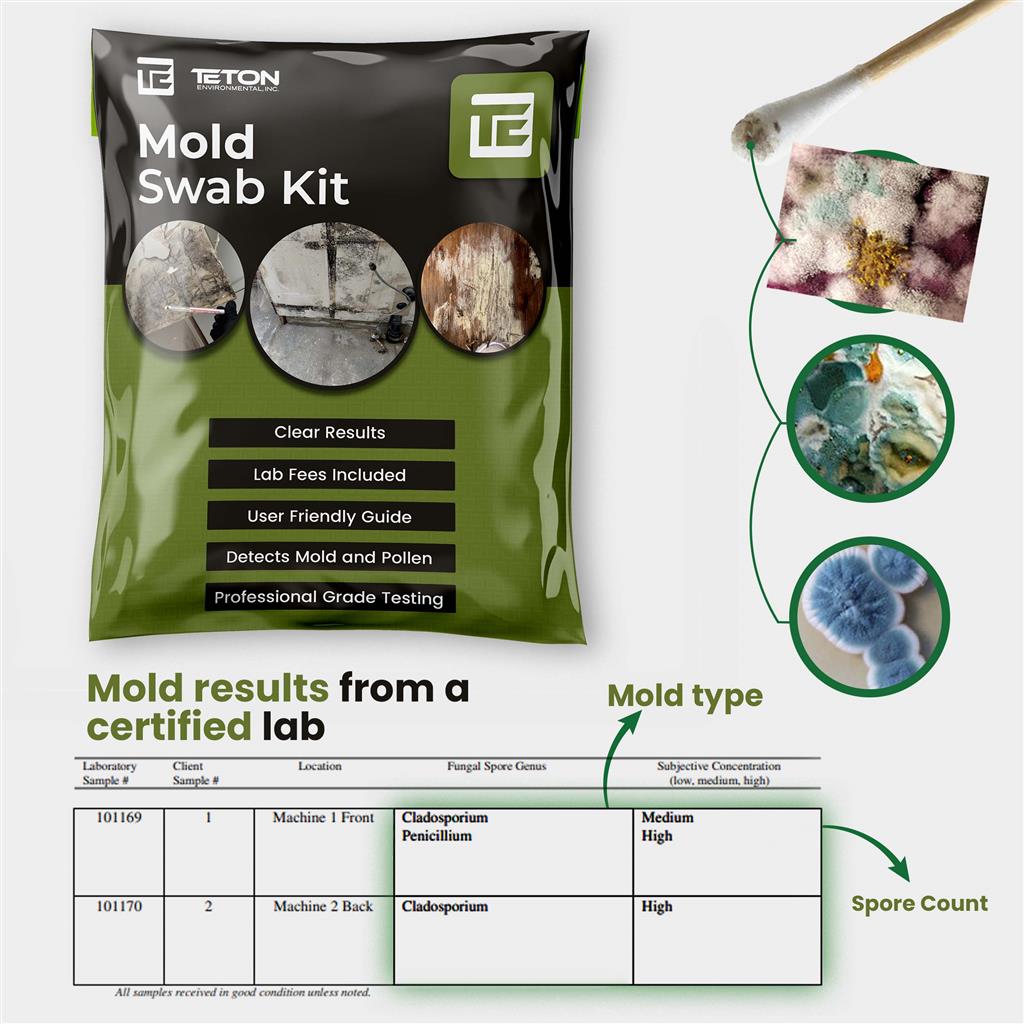
A reliable way to confirm suspicions is by using a mold test kit. Wondering if these kits are effective? Check out Do Mold Testing Kits Really Work and Mold Test Results: 5 Key Steps to Understand Them for expert insights. Taking action early is your best defense.
Prevention starts with awareness.
7 Signs of Mold Behind Drywall: How to Spot Clues Early
Detecting mold before it spreads is key to maintaining a safe living environment. From subtle hints to obvious red flags, here are seven signs of mold behind drywall that could indicate mold in drywall, signs of mold in an apartment, or the need for getting rid of mold on drywall. Dive deeper into these clues with Teton Environmental’s blog.
1. Musty Odors: What Does Mold Smell Like in Walls?
A persistent, earthy scent is often the first of the signs of mold behind drywall. If you’re wondering, “What does mold smell like in walls?” it’s typically a damp, musty odor that lingers even after cleaning. This smell can signal mold in drywall or even dangerous black mold in drywall growing out of sight.
The odor comes from microbial volatile organic compounds (MVOCs) released as mold feeds on organic material. It’s a telltale clue that shouldn’t be ignored, especially in poorly ventilated areas. Sniffing out this problem early can prevent further spread.
A musty smell is mold’s calling card.
2. Peeling Paint & Bubbling Wallpaper: Early Signs of Mold on Drywall
Visual changes like peeling paint or bubbling wallpaper are early signs of mold on drywall and strong signs of mold behind drywall. Moisture trapped in drywall and mold growth causes these surfaces to lift or blister as the material deteriorates. If you spot this, it’s time to investigate and remove mold from drywall before it worsens.

This issue often stems from leaks or poor ventilation, allowing mold to thrive unseen. Over time, the damage becomes more pronounced, making early action critical. Don’t dismiss these subtle shifts as mere wear and tear.
Surface changes hint at hidden trouble.
3. Allergies & Health Issues: Could Mold Be Hiding in Your Walls?
Unexplained allergies or respiratory problems might be signs of mold behind drywall or black mold in walls. Mold spores can trigger symptoms like coughing, sneezing, or fatigue, making home environmental testing and environmental testing for homes essential tools for diagnosis. If symptoms persist, mold could be the culprit.
Learn more about personal health impacts in Can a Person Be Tested for Mold Exposure?. Chronic exposure can escalate these issues, so don’t wait to investigate. Your health may depend on uncovering this hidden threat.
Mold affects more than just your walls.
4. Water Stains & Warped Drywall: A Warning Sign You Shouldn’t Ignore
Discolored patches or warped surfaces are glaring signs of mold behind drywall, often tied to black mold on drywall or general drywall mold. These signs indicate moisture infiltration, a precursor to mold in wall growth that moisture-resistant or mold-resistant drywall might mitigate. Ignoring them invites bigger problems.
Water stains typically appear as yellowish-brown marks, while warping shows as uneven or bulging walls. Both suggest mold is already taking hold beneath the surface. Act quickly to limit damage and health risks.
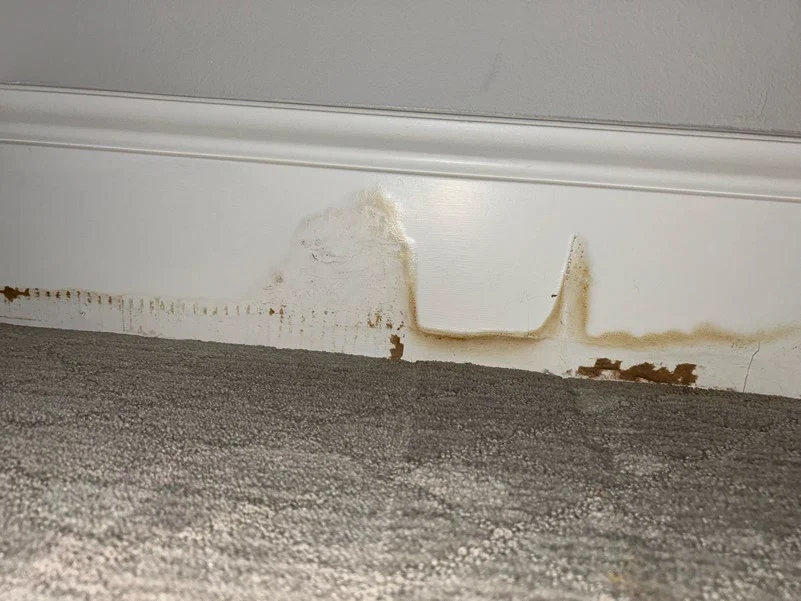
Visible damage screams mold potential.
5. Increased Humidity & Condensation: A Perfect Setup for Drywall Mold
Excessive humidity or condensation on walls can create ideal conditions for signs of mold behind drywall to emerge. This environment fosters mold in drywall and even black mold in drywall, especially if you don’t have moisture-resistant or mold-resistant drywall. It’s a recipe for rapid mold growth.
Condensation often appears as droplets on cool surfaces, signaling poor air circulation or insulation issues. Left unchecked, it feeds mold colonies hidden behind walls. Controlling indoor humidity is a proactive step to stop this cycle.
Moisture breeds mold silently.
6. Pests & Bugs: Could They Be Feeding on Hidden Mold in Your Walls?
An uptick in pests like termites or ants could point to signs of mold behind drywall or black mold in walls. These critters are drawn to the damp, decaying drywall and mold, feasting on the organic material mold breaks down. Their presence might reveal a deeper issue.
Insects thrive in moist environments, so spotting them near walls could indicate hidden mold. This sign often pairs with other clues like odors or warping. Don’t let pests be your only warning—investigate further.
Bugs may signal mold’s buffet.
7. Recent Flooding or Water Leaks: Is Mold Already Growing?
Water damage from floods or leaks is a prime trigger for signs of mold behind drywall and drywall mold. Even small spills can seep into mold in drywall, setting the stage for growth within days. Pair this with on-site asbestos testing if your home is older, as water damage can disturb other hazards.

Mold can start forming in as little as 24-48 hours after exposure to moisture. Basements, bathrooms, and kitchens are especially vulnerable. Quick drying and inspection are your best defenses.
Water events spark mold fast.
How to Get Rid of Mold on Drywall Safely & Effectively
Once you’ve identified signs of mold behind drywall, the next step is tackling it head-on. Knowing how to get rid of mold on drywall involves options like how to kill mold on drywall, treating mold on drywall, and removing mold from drywall. Here’s how to approach it safely and efficiently.
For small patches, cleaning mold from drywall with household solutions can work, but larger infestations demand professional help. Safety gear like gloves and masks is non-negotiable to avoid spore inhalation. The goal is complete removal without spreading the problem.
Action beats mold every time.
DIY Methods: Can You Kill Mold on Drywall Yourself?
For minor cases, kill mold on drywall with a mix of water and vinegar or a mold spray for drywall. Scrub the area thoroughly, ensuring you’re cleaning mold from drywall effectively, then dry it completely to prevent regrowth. This can address surface-level signs of mold behind drywall if caught early.
Start by isolating the area with plastic sheeting to contain spores during removing mold from drywall. Dispose of contaminated materials in sealed bags to avoid cross-contamination. Always test a small spot first to ensure the method works.
DIY works for small fixes.
When to Call a Professional for Mold Inspection and Testing
If mold spreads or persists, home environmental testing and environmental testing for homes by experts become necessary. Persistent signs of mold behind drywall may require advanced tools and techniques beyond DIY capabilities. Professionals can assess and remediate safely.
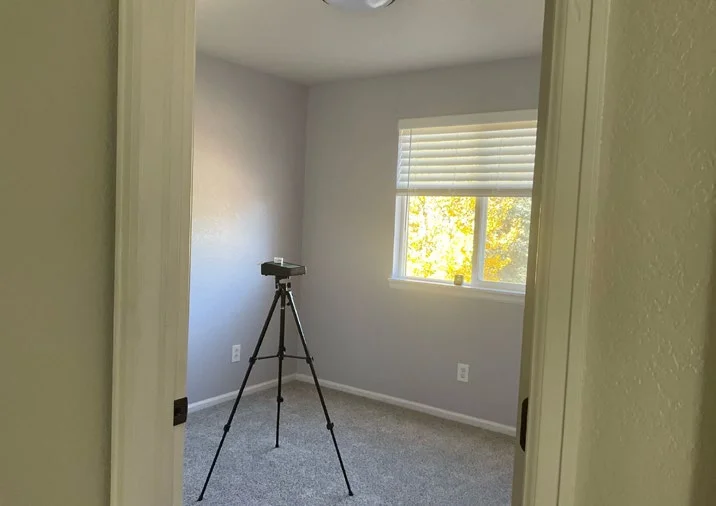
Experts use moisture meters and air sampling to pinpoint mold’s extent. They also ensure proper disposal and ventilation, reducing recurrence risks. Don’t hesitate to call if the situation feels overwhelming.
Pros handle the tough cases.
Protect Your Home Today with Teton Environmental
Don’t let signs of mold behind drywall compromise your home’s safety. Teton Environmental offers comprehensive home environmental testing and environmental testing for homes to identify and eliminate mold threats. Contact them at Contact Teton Environmental to safeguard your space today.
Their team brings expertise in mold detection and removal, tailored to your needs. Peace of mind starts with a professional touch. Take the first step now.
Your home deserves protection.
FAQs About Signs of Mold Behind Drywall
Got questions about signs of mold behind drywall, black mold in drywall, or drywall and mold? Here are answers to common concerns, including whether a device to detect mold in walls is worth it. Let’s clear up the confusion.
What is the best device to detect mold in walls?
A moisture meter or thermal imaging camera ranks high as a device to detect mold in walls. These tools identify damp spots where mold thrives, even behind drywall. Pair them with professional testing for accuracy.
Is Mold Proof Drywall a Good Investment?
Mold-proof drywall, also called moisture-resistant drywall, is smart for high-humidity areas like bathrooms. It resists mold better than standard drywall but isn’t foolproof—proper ventilation is still key. It’s a worthy upgrade for prevention.
Can I just paint over drywall mold?
Painting over drywall mold is a temporary fix that doesn’t address the root issue. Mold will grow through unless you remove mold from drywall first. Clean and treat it properly before repainting.
How long does it take for mold to grow in drywall?
Mold can sprout in mold in drywall within 24-48 hours of moisture exposure. Warmth and humidity accelerate this, making quick action vital. Don’t delay after water damage.
What’s the difference between mold in drywall and mildew?
Mold in drywall penetrates deeper and poses greater health risks than mildew, which stays surface-level and powdery. Mildew is easier to clean, while mold requires thorough removal. Know the enemy you’re facing.
FAQs About Teton Environmental’s Mold Testing Services
Curious about asbestos testing service, testing for lead in water, or environmental testing for homes? Here’s what Teton Environmental offers to keep your home safe.
How does Teton Environmental perform mold inspection and testing?
They use advanced tools like air sampling and infrared cameras for mold inspection and testing. This pinpoints mold sources accurately. Results guide effective remediation.
Does Teton Environmental offer on-site asbestos testing?
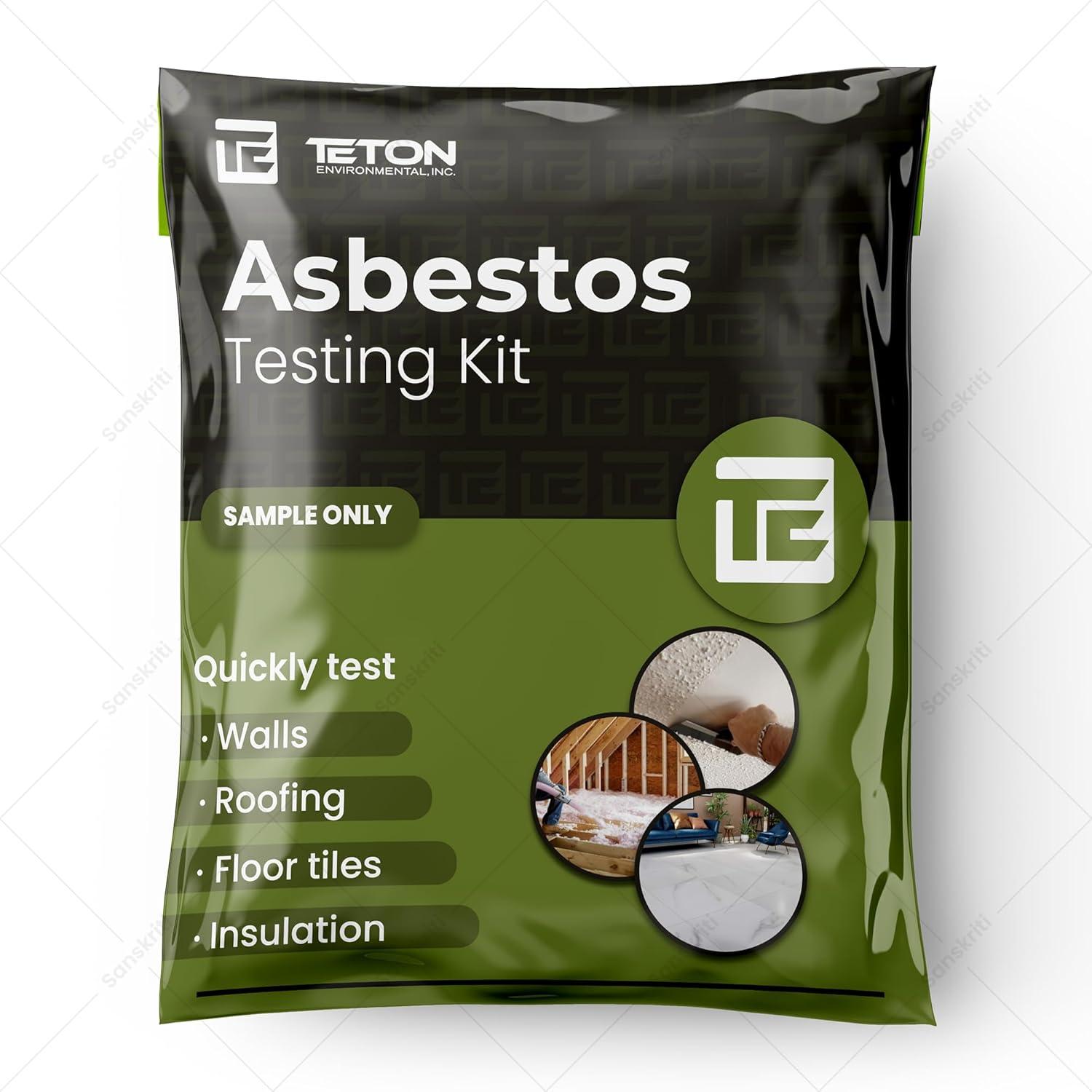
Yes, their on-site asbestos testing identifies hazardous materials quickly. It’s ideal for older homes with water damage risks. Safety is their priority.
What services does Teton Environmental offer?
Their expertise spans multiple areas for comprehensive home safety. They tackle mold, asbestos, and more with precision. Here’s a breakdown:
Asbestos Testing
Detailed asbestos testing for hidden dangers.
Lead Testing
Reliable lead testing to protect your family.
Water Testing
Thorough water testing for contaminants like lead.
Erosion Control
Effective erosion control solutions, as soil erosion costs billions annually (Forbes).
What areas does Teton Environmental serve for mold and asbestos testing?
They cover a wide region, bringing expert services to homes and businesses. Check Contact Teton Environmental for specific availability. Your location likely qualifies.