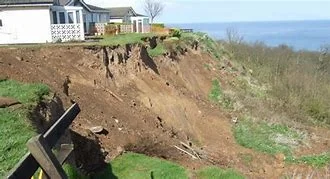
Erosion control methods vary by terrain and purpose, offering erosion and sediment control methods to suit any scenario—how can you stop erosion effectively? These eight ways to stop erosion provide practical, proven solutions for diverse landscapes. Here’s how they work.
1. Vegetation and Mulching: Natural Erosion Control Methods
Planting grasses, shrubs, or trees is a cornerstone erosion control method—roots grip soil tightly, making it a top choice among erosion prevention methods. Mulching with organic materials like straw or inorganic options like gravel shields soil from rain impact, doubling as a soil erosion prevention method and the best way to stop erosion on a hill. American Excelsior notes vegetation can slash erosion rates by up to 90% on slopes.

Opt for native species—they adapt better and need less care—and spread mulch 2-3 inches deep for full coverage. Reseed bare patches yearly to maintain protection. This natural duo is affordable, sustainable, and visually appealing.
Roots and mulch hold soil steady.
2. Terracing: How to Stop Erosion on a Slope
Terracing carves steep slopes into leveled steps, slowing water and showing how to stop erosion on a slope with precision. Used in erosion control methods construction, it prevents soil erosion on steep slopes by creating flat zones that retain moisture—ranking high among ways to stop soil erosion. Farmers worldwide, from Asia to Europe, rely on this method to cultivate sloped land effectively.
Mark terraces with stakes, dig steps, and reinforce edges with timber or stone for durability. Plant each level with grass or crops to lock soil in place. It’s labor-intensive but turns tricky terrain into usable space.
Steps tame steep slopes.
3. Rock Placement: How to Place Rocks on a Slope to Stop Erosion
Knowing how to place rocks on a slope to stop erosion involves layering riprap—large rocks at the base, smaller ones above—to slow runoff and protect soil, a solid erosion control solution. It’s critical for erosion and sediment control for construction sites and works wonders to stop soil erosion on hillsides, per GeoSolutions. Rocks add both function and rugged charm to landscapes.
Dig a trench at the slope’s toe to anchor rocks, stack them snugly, and fill gaps with gravel for stability. Check after storms to tweak placement—loose rocks lose effectiveness. This method’s durability makes it a long-term fix.
Rocks resist erosion’s push.
4. Check Dams & Retaining Walls: Effective Ditch Erosion Control Methods
Check dams—barriers of logs, rocks, or concrete—slow water in channels, excelling as ditch erosion control methods and river bank erosion control methods. Retaining walls reinforce these water erosion control techniques, holding soil firm along streams—pair them with erosion control products like geotextiles for extra strength. Fairfax County reports check dams can halve runoff speed, preserving banks.
Space dams 10-20 feet apart in ditches, adjusting for slope, and build walls with drainage to avoid pressure buildup. Clear debris post-storm to keep them working. These structures manage water’s force with precision.
Dams and walls redirect water’s wrath.
5. Silt Fencing: Essential for Construction Erosion Control Methods
Silt fencing, a staked mesh barrier, traps sediment on building sites—making it a standout in construction erosion control methods and erosion and sediment control for construction sites. Supported by erosion control management services, it pairs with erosion control products like straw wattles to meet regulations, as Muller Inc. suggests. It’s a must for disturbed soils during construction.
Bury the fence’s bottom 6 inches downslope of work areas to catch runoff, and replace damaged sections quickly. Remove it once vegetation stabilizes the site. This temporary shield prevents sediment pollution effectively.
Fencing keeps soil in place.
6. Drainage Systems: Erosion Control Management for Water Flow
Installing drainage—like French drains or grassy swales—channels water away from vulnerable spots, a key erosion control management tactic among water erosion control techniques. These erosion control solutions prevent pooling and erosion, addressing how to prevent soil erosion in rainy regions. Proper drainage protects foundations and landscapes alike.
Dig trenches for drains, line with gravel and perforated pipe, and direct water to safe outlets. Maintain swales by mowing and clearing blockages—clogged systems fail fast. It’s a proactive way to manage runoff year-round.
Drainage diverts erosion’s source.
7. Ground Covers & Matting: Which Method Best Helps to Prevent Wind Erosion?
Ground covers like clover and erosion control mats (jute or coir) shield soil from wind, answering which method best helps to prevent wind erosion while ranking among erosion prevention methods. These ways to stop erosion and answers to how can we stop erosion excel on flat or gently sloped land exposed to breezes. They’re quick to deploy and highly effective.
Roll out mats over seeded soil, securing with stakes, and water lightly to encourage growth. Replace worn sections every few years—durability varies by material. This method curbs wind’s erosive bite naturally.
Covers block wind’s blow.
8. Underground Detention Systems: Advanced Erosion Control Products
Underground detention systems—tanks or pipes beneath the surface—store runoff and release it slowly, a cutting-edge choice among erosion control products and erosion control methods construction. Used in erosion control management services, they’re ideal for urban settings, and environmental home testing can assess their need. They prevent downstream erosion discreetly.
Install systems with professional help, ensuring proper sizing for your site’s runoff volume. Check outlets regularly to avoid clogs—maintenance is key. This advanced fix blends seamlessly into developed areas.
Hidden systems control hidden threats.
How to Stop Soil Erosion in Different Environments
Erosion control methods adapt to unique challenges—how to stop soil erosion varies by terrain, demanding tailored erosion control management. From steep hills to riverbanks, these ways to stop soil erosion ensure stability across diverse settings. Here’s how to apply them.
How to Prevent Soil Erosion on Steep Slopes
To prevent soil erosion on steep slopes, combine terracing and vegetation—how do you stop erosion here? This erosion control method pairs with erosion and sediment control methods like mats to anchor soil fast. It’s a dynamic duo for rugged terrain.
Start with small terraces reinforced by rocks or logs, then plant deep-rooted grasses. Check stability after rain—adjustments keep it solid. Steep slopes stay secure with this layered approach.
Slopes need strong roots and structure.
River Bank Erosion Control Methods for Protecting Waterways
River bank erosion control methods—like riprap and check dams—use water erosion control techniques to shield shores, offering erosion control solutions that preserve waterways. These ways to stop erosion prevent sediment from muddying streams. They’re vital for aquatic health.
Layer rocks along banks, sloping them gently, and space dams to slow currents. Monitor for wear—rivers shift over time. This keeps banks intact and water clean.
Banks stand tall with smart barriers.
Ditch Erosion Control Methods for Managing Runoff
Ditch erosion control methods, such as check dams and gravel lining, manage runoff effectively—erosion control management services often recommend these erosion control solutions. They tackle how to stop erosion on a slope within channels, preventing widening. It’s practical for drainage zones.
Place dams strategically and line with stone to reduce water speed. Clear sediment buildup regularly—neglect undoes progress. Ditches stay functional with consistent care.
Ditches thrive with controlled flow.
Why Erosion Control Methods Are Important for Home & Construction Sites
Erosion control methods construction protect building sites from sediment loss, ensuring erosion and sediment control for construction sites meets legal standards—home environmental testing reveals risks early. For homes, they prevent foundation damage and yard degradation, while asbestos testing service from Teton Environmental adds safety during renos. Both settings benefit from stable soil.

Construction delays from erosion can cost thousands—silt fencing and drainage cut that risk. Homeowners avoid sunken patios or flooded basements with proactive steps. It’s about safety, savings, and sustainability.
Stable soil supports strong homes.
Professional vs DIY Erosion Control Methods: Which is Better?
Choosing between professional and DIY erosion control methods depends on scale—how do you stop erosion effectively? Simple fixes like mulching are DIY-friendly erosion control method options, while complex erosion control solutions like detention systems need pros. Each has its place.
DIY saves money but risks mistakes—pros bring precision and compliance. A homeowner mulched successfully, but a builder’s silt fence failed without expert sizing. Balance cost with expertise for best results.
Match method to mastery.
Discover Professional Erosion Control Management with Teton Environmental
For robust erosion control methods, Teton Environmental offers expert erosion control solutions—how do you stop erosion with pros? Their erosion control method services, detailed at Erosion Control Management, tackle any challenge—contact Teton Environmental to start. They’re your partner in land protection.
From site assessments to installation, Teton ensures lasting results. A client’s sloped lot stabilized in weeks with their help. Professional care delivers peace of mind.
Experts secure your land’s future.
FAQs About Erosion Control Methods
Got questions about erosion control methods or how to prevent soil erosion? These answers, paired with erosion control products and water erosion control techniques, clarify your options.
How Can We Stop Erosion in Residential Areas?
Plant ground covers and install small swales—simple erosion control methods work wonders at home. They manage runoff and keep yards intact. Regular upkeep boosts their impact.
What is the Best Way to Stop Erosion on a Hill?
Vegetation paired with terracing is the best way to stop erosion on a hill—roots and steps halt soil loss. It’s proven on steep grades worldwide. Start small and scale up.
How Do Erosion Control Methods Help the Environment?
Erosion control methods reduce sediment in water, protect habitats, and preserve soil fertility—vital for ecosystems. They curb pollution and support biodiversity. Every step counts.
Which Erosion Control Method is Best for New Construction Sites?
Silt fencing excels for new construction—it’s quick, effective, and regulatory-friendly. Pair with drainage for full coverage. It’s a site-saver during builds.
Knowledge fuels smart action.
FAQs About Teton Environmental
Curious about Teton Environmental’s role in erosion and beyond? Here’s how their asbestos testing service, mold inspection and testing, testing for lead in water, and environmental home testing support you.
What Services Does Teton Environmental Offer?
Teton provides asbestos testing, lead testing, and mold inspection and testing—a full suite for safety. They cover homes and sites comprehensively. It’s all-in-one environmental care.
Does Teton Environmental Offer Home Environmental Testing?
Yes, their environmental home testing assesses erosion, mold, and more—tailored to your property. It spots risks early. Homeowners trust it for clarity.
How Fast Are the Results for Mold Inspection and Testing?
Mold results typically arrive in 3-5 days with Mold Test Kit options—rush services speed it up. Quick data drives quick fixes. Timing keeps you ahead.
Can Teton Environmental Help with Erosion Control Methods for Homeowners?
Absolutely—they design erosion control methods for homes, from mulch to drains. Their expertise fits any lot size. Reach out for custom solutions.
Teton delivers results you can rely on.