Bathrooms are notorious hotspots for mold growth due to their warm, damp conditions, making it essential for homeowners to take proactive steps to prevent mold in bathroom spaces. Rather than waiting for mold to appear and then scrambling to remove it, implementing a solid strategy to prevent mold in bathroom before it starts saves time, money, and potential health headaches. As Forbes emphasizes, preventative mold maintenance is key to avoiding health risks and costly measures—pair this wisdom with these nine expert tips from Teton Environmental, and you’ll keep your bathroom mold-free using tools like the Mold Test Kit to stay ahead of the game.
Stopping mold early is easier than fighting it later.
Mold doesn’t just damage your home—it can affect your well-being, triggering allergies, asthma, or worse if left unchecked. By focusing on preventing mold in bathroom areas, you’re investing in a cleaner, safer living space. Let’s dive into these actionable tips to ensure your bathroom stays a mold-free oasis.
Understanding How Mold is Created in Bathrooms
Mold thrives in bathrooms because they offer a trifecta of ideal conditions: moisture from showers and sinks, warmth from hot water, and often poor ventilation that traps humidity. When water lingers on tiles, grout, or seeps into walls, it creates a perfect environment for mold spores to settle and grow—watch for mold growth signs of water damage in walls, like yellowing paint or a persistent damp smell, as early red flags. For a deeper understanding of mold triggers, the Teton Environmental blog offers insights, while their mold inspection and testing services provide environmental testing for homes to pinpoint risks, including asbestos testing service if your home’s materials are suspect.
Bathroom mold doesn’t appear overnight—it’s a gradual process fueled by neglect or unnoticed leaks. Spores, which are microscopic and ever-present in the air, only need a wet surface and a little time to colonize, especially in hidden spots like behind vanities or under flooring. Home environmental testing can reveal these vulnerabilities before they escalate, giving you a head start on bathroom mold prevention.
Why You Need to Prevent Mold in Bathroom Before It Starts
Preventing mold in bathroom spaces isn’t just about aesthetics—it’s a health and structural imperative. Mold loves temperatures between 77°F and 86°F (temperature and mold growth sweet spot), and with humidity and mold growth kicking in above 60% relative humidity, bathrooms are prime real estate for spores to flourish. Ignoring mold growth signs of water damage in walls can lead to costly repairs or health issues—Can a Person be Tested for Mold Exposure? explains how exposure might affect you, making early action critical.
Consider this: a small patch of mold on your ceiling could signal a bigger problem behind the drywall, where moisture from a slow leak has been feeding growth for weeks. Left unchecked, it could weaken your home’s structure or release spores that irritate lungs and sinuses. Proactive steps to prevent mold in bathroom areas keep these scenarios at bay, preserving both your property and peace of mind.
Catch mold before it catches you.
1. Prevent Mold in Bathroom by Improving Airflow
Ventilation is your first line of defense to prevent mold in bathroom spaces, particularly in preventing mold in bathroom ceiling areas where steam rises and lingers. The best bathroom fan to prevent mold should match your room’s size—experts recommend 1 CFM (cubic feet per minute) per square foot, so a 100-square-foot bathroom needs a 100 CFM fan, as noted by Consumer Reports. For renters or small spaces, a ductless bathroom fan for moisture offers a portable, effective option among the many ways to prevent mold in bathroom settings.
Poor airflow turns your bathroom into a mold incubator, especially after long, steamy showers. Opening a window helps, but in windowless bathrooms, a quality fan is non-negotiable—run it for at least 20 minutes post-shower to clear out humid air. Regular maintenance, like cleaning fan blades, ensures it works efficiently to keep ceilings and walls dry.
Imagine a family of four, each taking a shower daily in a poorly ventilated bathroom. Without a fan, the accumulated moisture could lead to mold within weeks. Investing in airflow solutions now prevents that nightmare scenario, making it one of the best ways to prevent mold in bathroom spaces.

Fresh air is mold’s worst enemy.
2. Prevent Mold in Bathroom by Controlling Moisture
Moisture control is a cornerstone of preventing mold in bathroom environments, and a dehumidifier in bathroom to prevent mold can be a game-changer. Set your dehumidifier setting to prevent mold at 30-50% humidity—above 60%, mold spores wake up and multiply, according to The Spruce. Pair this with a bathroom moisture absorber like activated charcoal or silica gel near the sink, and wipe down shower walls daily to prevent mold in shower areas from taking hold.
Think of moisture as mold’s fuel—cut the supply, and it starves. A small dehumidifier (500-1,500 square feet capacity) works wonders in an average bathroom, pulling water from the air before it settles on surfaces. In humid climates, this step is especially vital, as natural drying can’t keep up with constant dampness.
For example, after a flood in a Florida home, a homeowner used a dehumidifier alongside fans to dry out the bathroom, preventing mold growth despite saturated walls. Combining tools like these with consistent habits ensures you prevent mold in bathroom and stays dry and mold-free year-round.

Dry surfaces stop mold in its tracks.
3. Fix Leaks and Watch for Signs of Water Damage in Walls
Leaks are silent mold enablers, so fixing them fast is crucial to prevent mold in bathroom spaces. Check under sinks, around toilets, and behind showers for mold growth signs of water damage in walls—soft drywall, peeling paint, or a musty odor suggest trouble brewing, often requiring home environmental testing or an asbestos testing service for older homes built with risky materials. Teton Environmental offers environmental testing for homes to catch these issues early, protecting your bathroom’s integrity.
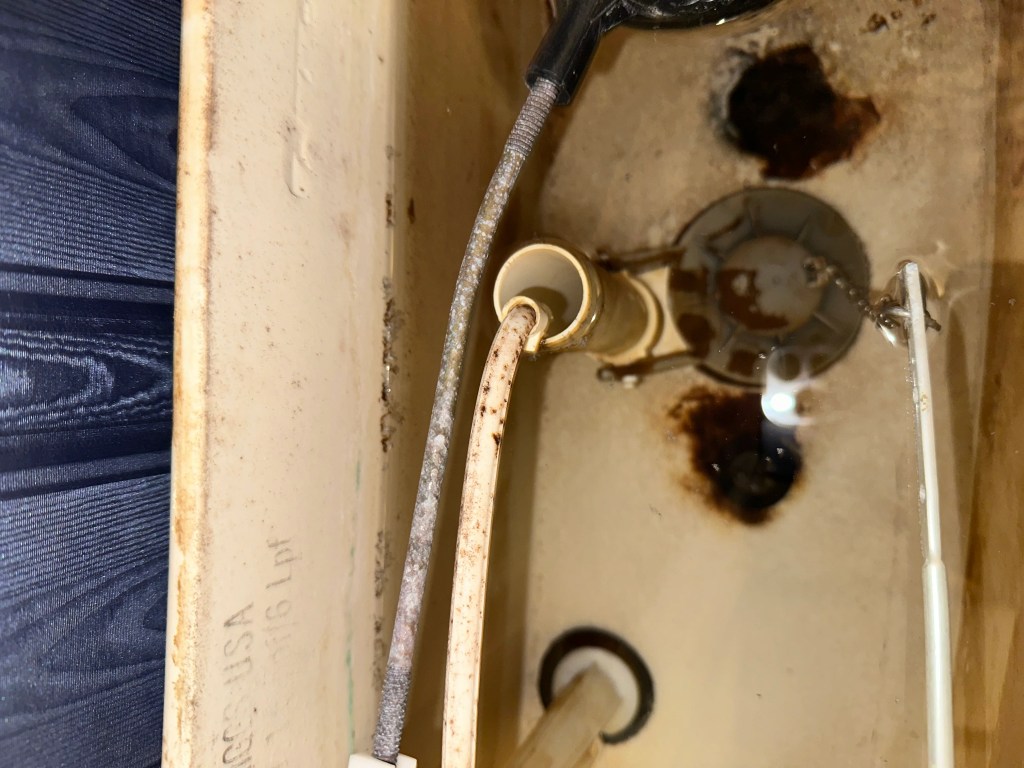
A dripping faucet might seem minor, but over time, it can saturate subflooring or drywall, creating a mold buffet. Use a flashlight to inspect hidden corners monthly, and if you spot trouble, act immediately—delaying repairs only feeds the problem. Professional help can confirm if water damage has spread beyond what’s visible.
Take a real case: a homeowner ignored a slow toilet leak for months, only to find black mold thriving behind the baseboard during a renovation. Early detection through environmental testing for homes could have saved thousands in remediation costs. Stay vigilant to keep mold at bay.
Leaks don’t wait—neither should you.
4. Choose the Right Paint to Prevent Mold in Bathroom
Painting with purpose can significantly aid to prevent mold in bathroom areas, especially in high-humidity zones prone to spore growth. A mold prevention spray, like a diluted bleach solution, preps surfaces, but for lasting results, use paint that prevents mold in the bathroom—formulas with mildewcides actively fight spores. If you’ve had water damage, knowing what to spray to prevent mold after water damage (vinegar or commercial antifungal sprays) pairs perfectly with mold prevention paint for a robust defense.
What Paint to Use to Prevent Mold in Bathroom?
Wondering what paint to use in bathroom to prevent mold? Look for brands like Zinsser Mold Killing Primer or Sherwin-Williams Bath Paint, which are top picks for bathroom mold prevention—especially the best paint for bathroom ceiling to prevent mold, thanks to their moisture-repelling properties. These paints dry to a tough finish that resists mold even in steamy conditions, as recommended by Miami Mold Specialists.
Choosing the right sheen matters too—semi-gloss or satin finishes shrug off water better than flat paints, keeping walls and ceilings protected. Apply two coats for maximum coverage, and don’t skip the primer—it’s the foundation of your mold-fighting strategy.
Moisture Resistant Paint for Bathrooms: A Must-Have for Mold Prevention
Moisture resistant paint for bathrooms is essential among mold prevention products, forming a waterproof shield that stops moisture from seeping into walls and help prevent mold in bathrooms. Seal edges with the best bathroom caulk to prevent mold, like GE Silicone II, which resists mildew and stays flexible, and enhance it with a mold prevention spray for extra assurance. This combo locks out water, keeping your bathroom pristine.
In a humid region like the Southeast, homeowners swear by moisture-resistant paints to combat year-round dampness. One DIYer reported no mold growth after two years in a shower-heavy bathroom, crediting a quality paint-and-caulk duo. It’s a small investment for big protection.
Smart paint choices build a mold barrier.
5. Clean Regularly with Mold Prevention Spray and Products
Routine cleaning is a low-effort, high-impact way to prevent mold in bathroom spaces from ever starting. A mold prevention spray—try a mix of one part vinegar to four parts water—or a mold prevention spray for wood if you’ve got wooden trim, should hit tiles, grout, and fixtures weekly. After water damage, knowing what to spray to prevent mold after water damage (hydrogen peroxide is a favorite) keeps spores from rebounding, maintaining a fresh bathroom.
Grout is especially vulnerable, soaking up water like a sponge if not cleaned regularly. Use a scrub brush with your spray to dig into crevices, and dry everything thoroughly afterward—mold hates a clean, dry surface. Make it a habit, and you’ll sidestep bigger problems.
A tenant in a damp apartment avoided mold for years by wiping surfaces with vinegar weekly, even in a poorly ventilated space. Consistency pays off, proving cleaning is one of the best ways to prevent mold in bathroom areas without breaking the bank.
Clean today, breathe easy tomorrow.
6. Reduce Condensation to Prevent Mold on Bathroom Ceiling
Condensation fuels mold on bathroom ceilings, but you can prevent mold on bathroom ceiling areas with the best way to prevent mold in bathroom: cutting moisture at the source. Insulate cold pipes to stop water droplets from forming, and use environmental home testing to track humidity if you suspect persistent issues, as advised by Trusscore. This keeps your ceiling clear and supports broader bathroom mold prevention.
In winter, uninsulated pipes can drip condensation onto ceilings, creating wet spots mold adores. A quick fix like pipe sleeves from a hardware store, paired with a fan, can halt this cycle. Test your setup with a hygrometer—aim for under 50% humidity.
One homeowner in a cold climate noticed ceiling mold after months of steamy showers. After insulating pipes and adding ventilation, the problem vanished within weeks. Simple tweaks like these make a big difference in preventing mold in bathroom ceilings.
No condensation, no ceiling mold.
7. Use the Best Bathroom Caulk to Prevent Mold and Seal Cracks
Cracks and gaps are mold’s entry points, but the best bathroom caulk to prevent mold—like DAP Kwik Seal Plus—seals them tight, ranking high among ways to prevent mold in bathroom setups. Combine it with bathroom paint to prevent mold for a one-two punch, and if your home’s older, consider testing for lead in water to rule out other risks. Proper sealing keeps water out and mold growth dormant.
Apply caulk with a steady hand along tub edges, sink bases, and tile joints, smoothing it with a damp finger for a tight seal. Reapply every year or two—worn caulk loses its grip, letting moisture sneak in. It’s a small task with outsized rewards.
A DIY enthusiast in a humid coastal town switched to mildew-resistant caulk and saw mold disappear from shower corners. Pairing it with regular checks ensures your bathroom stays watertight and mold-free.
Sealed gaps shut mold out.
8. Add Bathroom Plants That Absorb Moisture
Plants aren’t just decor—they’re natural allies in preventing mold in bathroom spaces by absorbing excess humidity. Use a mold prevention spray or mold prevention spray for wood on nearby surfaces to keep them safe, and if water damage strikes, know what to spray to prevent mold after water damage to protect your setup. This eco-friendly approach enhances bathroom mold prevention with a touch of green.
Best Plants to Put in Bathroom to Prevent Mold
The best plants to put in bathroom to prevent mold include bathroom plants that absorb moisture like peace lilies, which thrive in low light and sop up humidity, or Boston ferns, which handle dampness like champs. These plants help prevent mold in bathroom ceiling areas by reducing airborne water, making them a best way to prevent mold in bathroom naturally—place them on a sill or shelf with good airflow. Spider plants are another winner, easy to care for and effective at moisture control.
In a steamy bathroom, a peace lily can visibly droop less as it drinks up humidity, signaling it’s doing its job. Rotate plants monthly to ensure they get enough light, and avoid overwatering—wet soil can backfire. It’s a living solution that works.
Plants purify air and fight mold.
9. Keep the Right Temperature for Mold Growth Prevention
Mold thrives in warmth, so keeping your bathroom below the temperature for mold growth—ideally under 77°F—is a smart move for bathroom mold prevention. Watch for stages of mold growth (from spores to visible patches) by monitoring with home environmental testing, especially in summer when heat spikes. A cooler bathroom slows mold’s spread, tying your efforts together.
In hot climates, an air conditioner or fan can keep temps in check, while avoiding overuse of heaters in winter helps too. Pair this with other tips like ventilation for a synergistic effect. It’s about creating an inhospitable environment for mold.
A Texas homeowner cut mold issues by running a portable AC unit in their bathroom during humid months, dropping the temperature and humidity in one go. Small adjustments like this can tip the scales against mold growth.
Cooler air stalls mold’s plans.
Take Action: Get Mold Inspection and Testing with Teton Environmental
To truly prevent mold in bathroom spaces, sometimes you need expert eyes—Teton Environmental delivers with top-notch mold inspection and testing. Their Mold Test Kit lets you DIY, but for clarity, check Do Mold Testing Kits Really Work? and Mold Test Results: 5 Key Steps to Understand Them. Reinforce your efforts with the best bathroom caulk to prevent mold and mold prevention products, then contact Teton Environmental for professional backup.
Testing isn’t just for active mold—it’s a preventive tool to catch risks early. Teton’s pros can spot hidden growth or moisture pockets you might miss, giving you data to act on. It’s the final step to lock in a mold-free bathroom.
Pro testing seals the deal.
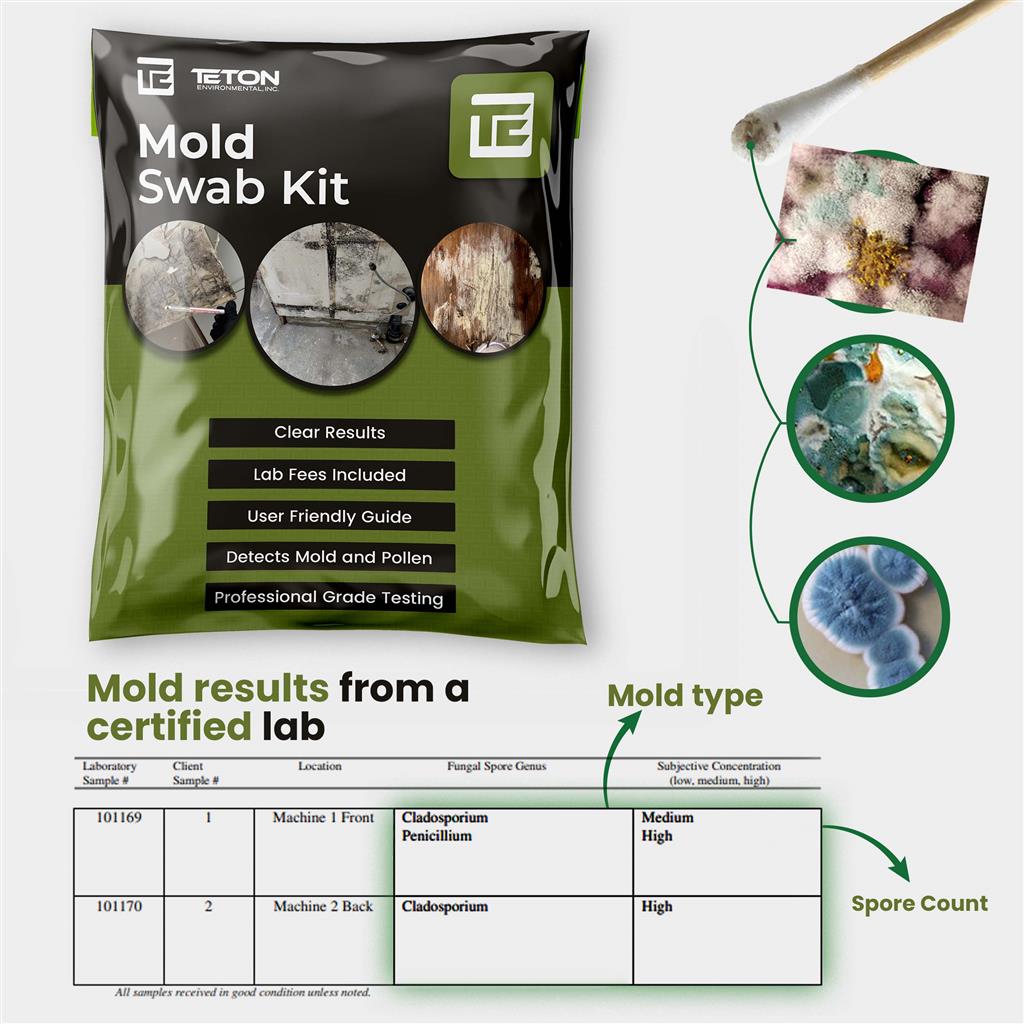
Mold Test Kit – Lab Fees Included, 1 Swab can Detect 20+ Mold Types & Pollen, Easy-to-Use Guide, Professional-Grade Testing
- Tests for multiple mold types found on household surfaces and vents; samples analyzed by a certified laboratory for accurate results
- Lab Fees Included: No surprise costs, our price covers lab testing for your mold sample. After collecting your sample, send it to our certified lab using mail courier of your choice.
- Made in the USA by a team experienced in mold testing
- Includes a mold inspection manual with images and descriptions of common mold types for easy comparison with lab results.
- Kit Includes: Swab, gloves, return envelope to ship to a certified lab, and a detailed inspection guide to identify mold-prone areas, plus a lab results report.
-
-
Mold Test Kit – Professional-Grade Mold Testing Made Easy
Uncover hidden mold and protect your health with the Teton Environmental Mold Test Kit—your all-in-one solution for detecting mold quickly and accurately.
What Our Kit Tests For:
-
- 20+ Mold Types: From household to toxic molds, including airborne particles, HVAC systems, and car vents.
-
- Versatile Testing: Ideal for walls, windows, showers, sinks, vents, cars, and other moisture-prone areas in homes or offices.
-
- Detects Pollen & Spores: Ensure clean indoor air quality.
Why Choose Our Kit:
-
- Lab Fees Included: No surprise costs—our price covers lab testing for your mold sample.
-
- Fast Results: Receive confidential lab reports in as little as a week.
-
- Easy to Use: Simple instructions and a step-by-step inspection guide make testing hassle-free.
-
- Comprehensive Insights: Compare your lab results to our included mold inspection manual with images of common mold types and trigger levels.
Kit Includes Everything You Need:
-
- Swab sample tools and gloves.
-
- Detailed inspection guide to locate hidden mold hotspots.
-
- Results report with actionable insights.
Take control of your home’s air quality without hiring expensive professionals. The Teton Environmental Mold Test Kit gives you the tools and knowledge to identify mold and make informed decisions for a healthier environment.
Order now to uncover hidden mold and ensure peace of mind!
-
-
FAQs About Prevent Mold in Bathroom
Still wondering about the best way to prevent mold in bathroom spaces? Here’s a deep dive into common questions with practical answers.
Can a Dehumidifier in Bathroom to Prevent Mold Really Work?
Absolutely—a dehumidifier in bathroom to prevent mold pulls moisture out, keeping humidity below the 50% threshold where mold struggles to grow. Models like the Eva-Dry Petite (for small spaces) or hOmeLabs (for larger ones) are favorites, running quietly while drying the air. It’s a reliable piece of bathroom mold prevention tech.
Size it right—too small, and it won’t keep up; too big, and it’s overkill. Empty the tank daily, and you’ll see condensation vanish, proving its worth.
What is the Best Bathroom Fan to Prevent Mold Buildup?
The best bathroom fan to prevent mold hinges on CFM—Panasonic WhisperCeiling (80-150 CFM) or Broan-NuTone (50-110 CFM) top lists for efficiency and quiet operation. Install it high on the wall or ceiling, and run it 20-30 minutes after bathing to clear steam. It’s a proven way to prevent mold in bathroom ceilings.
Check for humidity-sensing models—they kick on automatically when moisture spikes. A good fan is an investment in dry, mold-free air.
How Often Should I Use Mold Prevention Spray for Wood and Bathroom Surfaces?
Use mold prevention spray for wood or bathroom surfaces weekly in normal conditions, or daily during rainy seasons when humidity soars. Post-water damage, spray twice daily until fully dry—hydrogen peroxide or tea tree oil sprays last longer than vinegar. Regularity keeps spores from settling in.
Test a small area first to avoid discoloration, especially on wood. One user sprayed biweekly and saw no mold return after a flood—proof it works with commitment.
Answers arm you for action.
FAQs About Teton Environmental
Curious how Teton Environmental fits into your mold inspection and testing plans? Here’s the scoop on their environmental testing for homes.
What Services Does Teton Environmental Offer?
Teton Environmental covers asbestos testing, lead testing, water testing, and erosion control, plus expert mold inspection and testing. They’re a full-service team for home safety, tackling everything from air quality to soil stability. It’s comprehensive care for any property.
Their pros use cutting-edge tools to deliver accurate results, whether you’re renovating or just checking in. One-stop shopping for peace of mind.
Does Teton Environmental Provide Environmental Testing for Construction Sites?
Yes, Teton Environmental supports construction sites with testing for asbestos, lead, mold, and more, ensuring compliance and safety during builds. They tailor services to project needs—big or small, they’ve got it covered. Contact them for specifics on your site.
A contractor used Teton for a commercial build and caught asbestos early, avoiding delays. Their expertise keeps projects on track.
How Fast Can I Get Results for Asbestos Testing Service?
Teton’s asbestos testing service typically delivers results in 3-5 business days, though rush options can speed it up—call Teton Environmental to confirm. Labs process samples quickly, but shipping can vary. Fast feedback lets you act sooner.
One client got results in 24 hours for an urgent reno—speed can be a lifesaver. Reliable timing keeps your plans moving.
Teton’s got your back, fast.