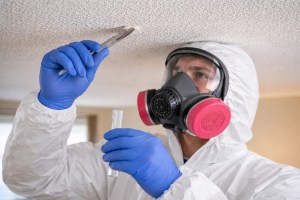
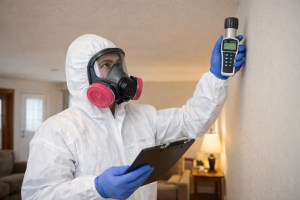
When to test asbestos? Knowing this can make a major difference in keeping your health and property safeguarded. Asbestos fibers, when disturbed, become airborne, leading to severe long-term illnesses. Several homeowners are unaware that asbestos might still be hidden in older structures, especially in insulation, ceiling tiles, and pipe coverings. Therefore, professional asbestos inspection and assessment is the only reliable way to identify and safely handle asbestos.
All types of asbestos can cause cancer. Breathing it in has been linked to lung cancer, mesothelioma, throat cancer, ovarian cancer, and may also increase the risk of stomach and colon cancers. Learn more with Asbestos testing service.
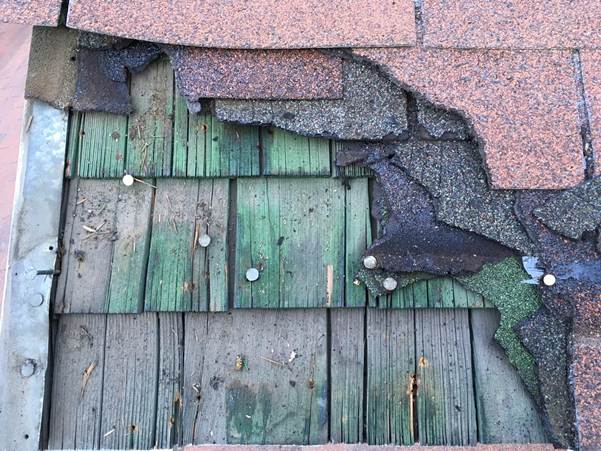
Why Asbestos Testing Matters?
A home test for asbestos is usually the first step if a homeowner is purchasing, renovating, or maintaining an older property. Its fibers can be microscopic, meaning an untrained eye can’t see them, and dangerous when asbestos-filled air is inhaled. Proper testing is necessary as it not only identifies the presence of this, but also lets you know the type and concentration at your end.
Calling a licensed asbestos testing service guarantees that asbestos samples are collected and only certified professionals analyze, following safety protocols and lab standards. For detailed inspections and environmental expertise, visit Teton Environmental.
The Hidden Dangers of Asbestos Exposure
Many homeowners don’t realize that asbestos exposure can happen from materials that seem harmless. For instance, ceiling tiles, textured paint, or insulation. If you doubt having contaminated surfaces, proceed with test ceiling for asbestos, necessary before attempting DIY methods to remove or repair. Homeowners can also learn what does asbestos look like.
According to The Mesothelioma Center, each year, asbestos-related diseases claim over 39,000 lives in the United States. This significant figure underscores the importance of detecting early and testing responsibly. Even little exposure results in severe respiratory issues, mesothelioma, and pleural plaques after contact.
When to Test for Asbestos?
Knowing when to test for asbestos prevents you from accidental asbestos exposure. Any project that involves older materials, or even minor DIY fixes, can disturb these hidden fibers.
A home test for asbestos can reveal contamination in walls, floors, and ceilings. If you also observe dust or flakes falling from old tiles, it’s crucial to test ceiling for asbestos. For precise detection, particularly before demolition or remodeling, testing the air for asbestos must be part of every thorough evaluation. Learn more about air safety standards at Abestos air quality testing.
1. Your Home Was Built Before the 1990s
Was your home constructed before 1990? If so, there is a strong chance that asbestos materials were used in your ceiling tiles, insulation, vinyl flooring, or textured wall coatings.
Ironically, asbestos was once popular for its fire-resistant and durable properties, but now it is known for causing health issues. Before renovations, drilling, or any such activity that disturbs the old building materials, remember to schedule professional asbestos testing.
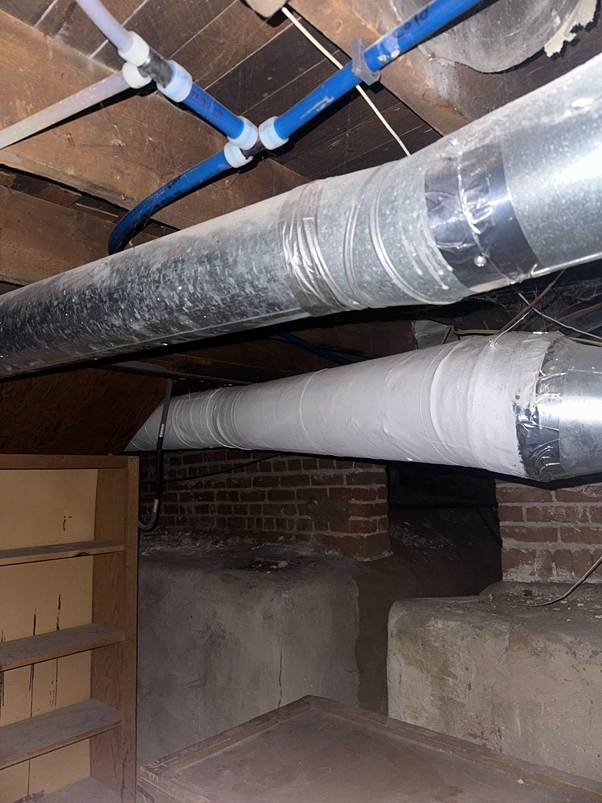
2. You See Loose-Fill or Vermiculite Insulation in Your Attic
Particularly in attics of older homes, vermiculite or loose-fill insulation often consists of asbestos. This kind of insulation looks like shiny, small pebbles that release microscopic fibers into the air if disturbed or moved. If you notice the material, avoid handling it yourself and immediately contact certified asbestos professionals. They would know how to safely inspect and remove the asbestos without damaging your property.
3. Damaged Flooring, Tiles, or Adhesives Are Present
Adhesives and older flooring tiles frequently contained asbestos. Peeling, cracks, or water damage can trigger the material to release harmful fibers. Whenever you observe damaged, old, or brittle tiles, stop repairing yourself and get in touch with experts before replacement.
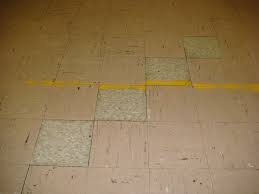
4. Crumbling or Worn-Out Pipe Insulation Around Boilers or Ducts
In old homes, pipe insulation may hide asbestos beneath layers of plaster or cloth. If the material’s texture feels frayed, powdery, or deteriorating around ducts or boilers, that is a big red flag. Immediately get the insulation tested before moving on with any maintenance work. Otherwise, staying in an asbestos-exposed environment won’t end well.
5. Planned Renovations or Demolitions in an Older Property
Hidden asbestos materials are usually uncovered during renovation projects or while demolishing an older property. It’s recommended to test first, before sanding, tearing down walls, or cutting. This protects you from further health issues and acts as a safety step to prevent contamination.
6. Unexplained Respiratory Issues in the Household or Workplace
Are you or your family members experiencing persistent coughing, unexplained breathing issues, or wheezing? These health hazards indicate that you have been exposed to asbestos. Contact professionals to conduct tests, as that helps identify and address the source.
7. Real Estate Transactions Involving Older Properties
Don’t be in a rush to buy or sell an old property. Get it inspected for asbestos. This guarantees full transparency, protects the investor, and saves from expensive remediation shocks later.
Where Asbestos Was Commonly Used in Homes and Buildings?
A home asbestos test can help homeowners detect asbestos materials that remain invisible to the naked eye. In homes and buildings, it was commonly used in ceiling panels, pipe insulation, old ductwork, and linoleum floors. Even roofing shingles in vintage properties feature asbestos fibers. The same goes for plaster walls.
During an asbestos home inspection, professionals utilize specialized equipment. This assists them in finding out contamination in hidden areas. The thorough inspection guarantees your space follows environmental rules and regulations, providing mental relaxation that your family isn’t inhaling toxic air.
What to Do if You Suspect Asbestos?
Instead of disturbing suspicious materials inside your dwelling, call an asbestos testing company. The professionals will use premium equipment for taking controlled samples, confirming asbestos’s presence. DIY testing can be dangerous if handled incorrectly. The experts wear certified protective gear and seal the specific area to avoid cross-contamination.
The testing teams use microscopes and lab analysis to accurately identify asbestos. Furthermore, they also help in planning safe removal or encapsulation. Always work with a qualified asbestos testing company to remain compliant with EPA and OSHA standards.
Asbestos Testing Services in Colorado with Teton Environmental
In-depth asbestos inspection and assessment demands trained specialists who are well familiar with local regulations. Teton Environmental is your calling. Their teams provide you with professional asbestos testing and consultation for commercial, residential, and industrial clients across Colorado.
If you are stressing over asbestos, contact their experts through Environmental Testing Services. Or directly reach out via Contact Teton Environmental. They have a certified team, which uses advanced lab techniques to quickly and accurately confirm results. This makes it easier for homeowners to make informed decisions regarding safe remediation.
FAQs
How long does it take to test for asbestos?
How long does it take to test for asbestos? The duration depends on the sample size and testing method. The professional labs typically deliver results within 1-3 business days. Some services also offer same-day results for urgent cases. Using a mail-in kit for results from a home test for asbestos may take a week.
How can you test for asbestos in the air?
Testing air for asbestos includes collecting airborne fiber samples. It’s done with specialized pumps, and then the samples are analyzed under high-powered microscopes to measure concentration and confirm the presence. The test is a key step in assessing contaminated or recently renovated areas.
Can I test for asbestos myself?
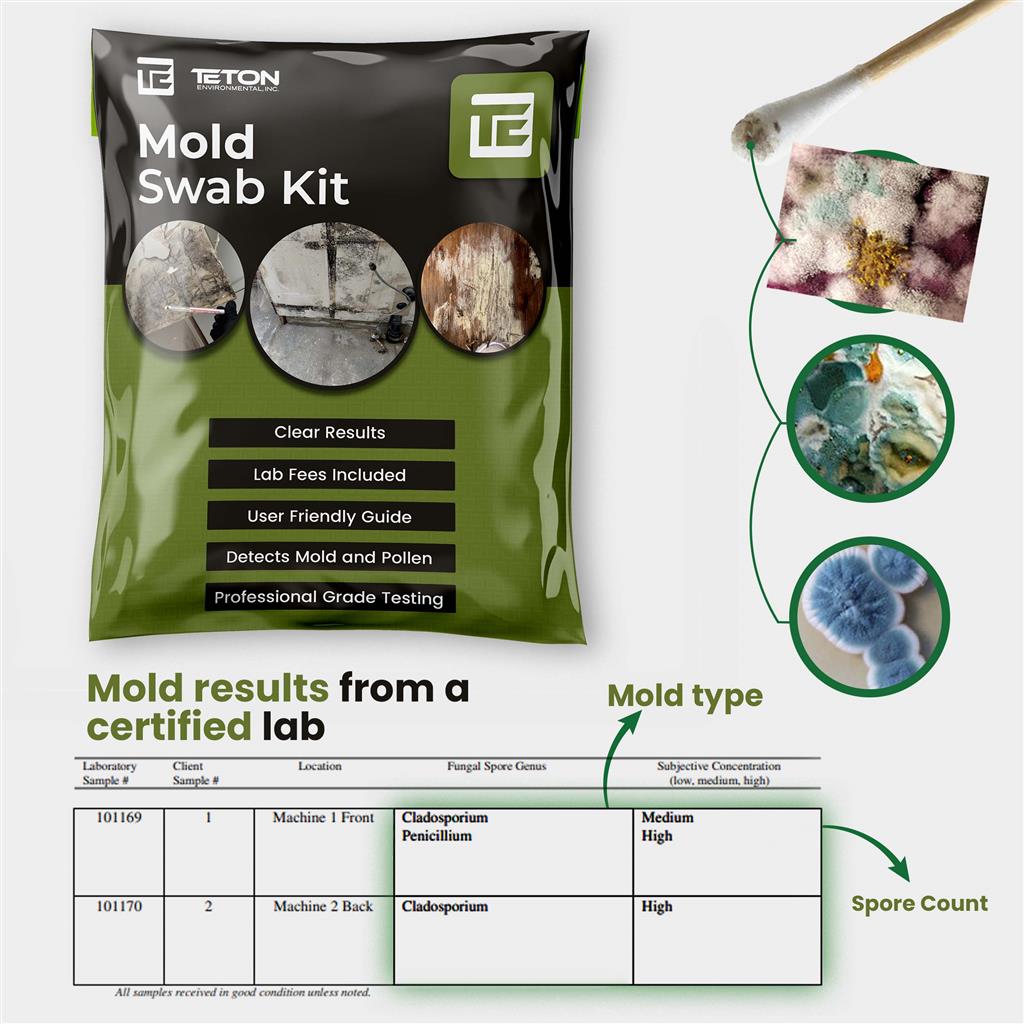
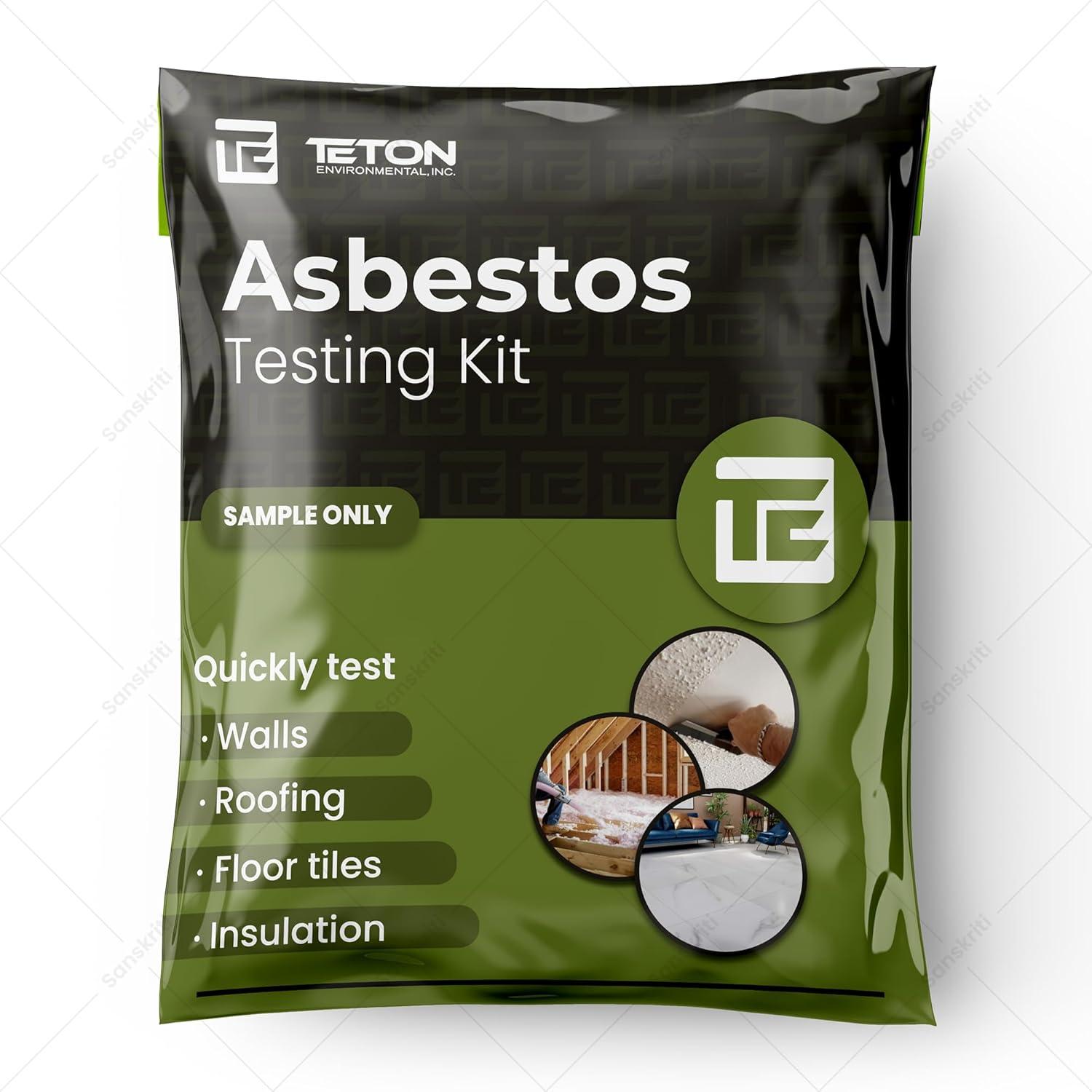
DIY kits are available, but it’s safer to depend on an asbestos testing company to avoid asbestos exposure during sample collection. Professionals store the samples in airtight containers, following EPA procedures for accurate results.
How much does asbestos testing cost?
Asbestos testing doesn’t have a fixed price. The cost depends on the number of samples, property size, and lab analysis type. On average, professional testing charges range from $250 to $700. Always work with a certified asbestos testing service for accurate reporting and safety compliance.