Asbestos siding was once regarded as a reliable selection for homeowners due to its immense durability and fire-resistant capabilities. But over time, it has proven to pose serious health risks. Homeowners must understand what is asbestos siding and the possible dangers to make better and informed decisions about replacement, maintenance, and safety. It’s not something to overlook, especially given its link to more than 200,000 deaths worldwide each year.
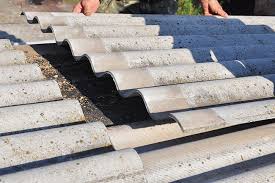
What Is Asbestos Siding?
Asbestos siding is the exterior wall cladding containing asbestos fibers mixed with cement or other binding materials. This siding was heavily manufactured during the 20th century and was usually sold as asbestos shingle siding, appreciated for its potential to withstand moisture, fire, and pest infestations.
If you suspect that your house still has asbestos siding, asbestos inspection and assessment is the first step.
Why It Was Popular in Mid-20th Century Homes?
Asbestos was labeled as a “miracle material” between the 1920s and 1970s. Builders preferred using it in flooring, roofing, insulation, and siding as the material was pocket-friendly, weather-resistant, and demanded little upkeep. The interesting fact is that many homes constructed across the U.S.at that time still carry these products.
Health and Safety Concerns Today
What seemed practical a long time ago is now classified as highly toxic. When homeowners plan to renovate their house, they disturb the fibers. These become airborne and can be inhaled, resulting in long-term diseases such as lung cancer, mesothelioma, and asbestosis. Such risks make it necessary for owners to understand the methods for identifying and managing siding that may contain asbestos.

What Does Asbestos Siding Look Like?
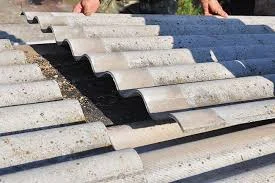
One of the major challenges homeowners experience is knowing what does asbestos siding look like. Unlike fiber cement siding, panels containing asbestos usually appear flat or subtly textured shingles with a cement-like surface. The material might have grooves, emerge as uniform square or rectangular shapes, or wood-grain impressions.
Since asbestos in siding is impossible to confirm with a visual glimpse, experts highly recommend professional testing. Check this guide on what does asbestos look like for more examples to clear your doubts regarding asbestos’s presence.
Why Asbestos Siding Can Be Dangerous?
Homeowners frequently ask: Is asbestos siding dangerous? It largely depends on its condition. When the siding is well-maintained, it poses less risk; however, once cut, drilled, or cracked, the asbestos releases fibers into the air, which is hazardous.
For an already damaged or deteriorating siding, consider professional asbestos siding replacement for your family’s health protection.
How Asbestos Fibers Are Released?
Sanding, cutting, or removing siding hinders the cement matrix and frees the fibers in the air. Plus, storm damage, renovation projects, and even pressure washing can speed up its release.
Health Risks Linked to Exposure
On inhaling, these asbestos fibers settle in the lungs and can remain there for decades. With time, they might cause scarring, pleural diseases, and cancers. Some studies also associate skin allergies and irritations with asbestos exposure. Learn more about asbestos exposure symptoms skin issues.

Common Misconceptions About Asbestos Siding
Asbestos siding has been present for so long that it has given birth to a few myths on how to tackle it:
Painting Asbestos Siding Reduces the Risk: Painting asbestos siding can temporarily seal the fibers. However, over time, chips, cracks, and weather elements can still expose the toxic particles, making professional inspection and monitoring crucial.
Replacement Always Costs More Than Repair: Going for partial or full asbestos siding replacement may be the safer and long-term solution as compared to repair. Because repair is going to be short-lived and just adds to the expenses.
Only Old Houses Have Asbestos: Some houses constructed as late as the 1980s may still consist of asbestos materials. So, if your property was built in that era, then there might be asbestos in siding.
When Asbestos Siding Is Most Likely to Be Disturbed?
The risk increases when the asbestos siding is handled. For instance, demolition, renovations, harsh weather, and even power washing can impact panels and release asbestos in siding. Therefore, do get some professional evaluation before proceeding with remodelling or treating visible damage on the side.
Legal and Safety Regulations for Asbestos Siding
Asbestos is subject to stringent state and federal regulations. Homeowners might not always be legally asked to remove siding, but disturbing or disposing of it without proper process is illegal. If you are considering painting asbestos siding or making relevant updates, please consult local building codes and safety guidelines first. You can also seek guidance from professional contractors, as they hold licenses for asbestos abatement, ensuring compliance and safety.
What to Do If You Suspect Asbestos Siding?
Does your home display signs of older siding, and you are unsure what’s inside? Don’t take any risk. Avoid sanding, drilling, or cutting into panels until the siding is confirmed to be safe. Instead of taking matters into your hands, contact professionals who are experts in asbestos house siding inspections. Their teams can safely evaluate the material without damaging the property.
When to Test for Asbestos?
If you ever observe crumbling, cracking, or unusual wear on the siding, it might be a signal to run tests. Yes, home kits are available; however, due to their potential for inaccurate results, experts recommend scheduling an on-site asbestos test. Certified inspectors conduct the tests, where professionals collect samples and provide results from accredited laboratories.
How Teton Environmental Helps Homeowners Stay Safe?
Concerned about asbestos house siding? Teton Environmental is the one to approach. They offer specialized support in the form of licensed inspectors, lab testing, and guidance on how to remove asbestos safely. Homeowners can rely on their services, as the platform features certified experts and adheres to a safety-first approach.
Schedule your asbestos testing service to determine the condition of your property.
Test for Asbestos with Teton Environmental
Don’t wait; if you suspect the siding consists of asbestos, as that can worsen the situation for your house and your family’s health as well. The safest option is to call certified professionals, who are well-known for identifying and assessing risks and recommending solutions accordingly.
Visit Teton Environmental for location details, or feel free to Contact Teton Environmental to book an inspection today.
FAQs
Is asbestos siding dangerous?
Yes, it’s dangerous. The siding in good shape might not have immediate risks, but if it is disturbed, that can release harmful fibers into the air. Therefore, always let professionals handle.
How can I test for asbestos safely?
The best approach is to partner with a certified company for asbestos testing. Doing it yourself can be risky, especially if samples are not collected properly.
How much does testing for asbestos cost?
The testing cost depends on the size of the home, the number of samples, and the area. Price can range from $300-$900 A professional team promises accurate results and compliance with safety standards.