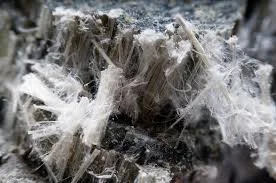
Asbestos is a hazardous material once widely used in construction for its durability and heat resistance, but its fibers can cause serious health issues if inhaled. Identifying what asbestos looks like can protect homeowners from potential exposure, especially in older homes built before the 1980s. Early detection through visual cues and professional testing is critical to ensuring safety.
Knowing how to identify asbestos can prevent costly health and remediation issues.
What Does Asbestos Look Like?
Recognizing asbestos in your home starts with understanding its common appearances across various building materials. Asbestos often appears as fibrous, fluffy, or layered textures, typically in shades of white, gray, or blue-green, depending on the material it’s mixed with. Familiarizing yourself with the signs of asbestos in homes can help you decide when to seek professional help, such as an asbestos inspection and assessment.
Exposure to asbestos can lead to serious and sometimes fatal diseases.
What Does Asbestos Insulation Look Like?
Asbestos insulation, commonly found in attics, walls, or around pipes, often has a fluffy, cotton-like appearance with a grayish or whitish hue. It may look like loose-fill material or batt insulation, sometimes wrapped around pipes as a fibrous, corrugated covering. For asbestos pipe insulation, it often appears as a chalky, white, or gray layered material that crumbles easily when disturbed.
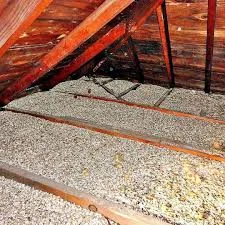
Asbestos identification in insulation requires caution to avoid releasing harmful fibers.
What Does Asbestos Siding Look Like?
Asbestos siding, popular in homes built between the 1920s and 1970s, typically appears as rigid, cement-like panels or shingles with a slightly textured, wavy pattern. These materials are often gray, white, or brown and may have a brittle, chalky feel when aged. Unlike modern siding, asbestos-containing siding is heavier and may show signs of cracking or weathering over time.
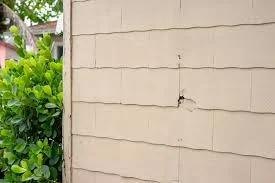
Asbestos siding can be difficult to spot without professional testing.
What Does Asbestos Tile Look Like?
Asbestos tiles, often used in flooring or walls, are typically 9×9 or 12×12 inches and have a hard, glossy finish. They may appear in colors like black, white, or green, with a waxy or oily surface that resists wear. Visual asbestos identification in tiles is challenging because they often look similar to non-asbestos vinyl tiles, requiring lab testing for confirmation.

Professional inspection is essential for accurate asbestos tile identification.
What Does Asbestos Flooring Look Like?
Asbestos flooring, especially in older homes, includes vinyl or asphalt tiles and sheet flooring with a backing that may contain asbestos. These materials often have a shiny, durable surface in patterns like speckled or marbled designs, commonly in muted colors. The backing of sheet flooring may reveal a fibrous, felt-like layer, a key indicator of asbestos.
Asbestos flooring can lurk beneath newer layers, posing hidden risks.
What Does Asbestos Look Like in Walls?
Asbestos in walls is often found in drywall joint compounds or textured coatings from pre-1980s construction. It may appear as a chalky, white, or gray powdery substance in joint tape or patching materials. Disturbing these areas during renovations can release asbestos fibers, making professional testing critical.
Asbestos drywall requires careful handling to avoid health hazards.
What Does Asbestos Ceiling Look Like?
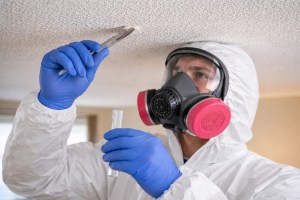
Asbestos in ceilings, particularly in popcorn or textured ceilings, looks like a bumpy, cottage-cheese-like surface, often white or off-white. These ceilings were common in homes built from the 1950s to 1980s and may contain asbestos mixed into the sprayed-on material. Dislodging or scraping this texture can release dangerous fibers into the air.
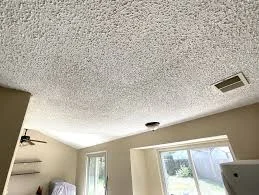
Asbestos ceilings should never be disturbed without professional guidance.
Common Places Asbestos Hides in Homes
Asbestos can be found in various types of asbestos materials, including insulation, roofing, flooring, and even electrical components in older homes. It’s often hidden in areas like attics, basements, or behind walls, making it difficult to spot without thorough inspection. Regular checks, especially during renovations, can uncover these hidden dangers, and an on-site asbestos test can confirm its presence.
Awareness of common asbestos locations reduces exposure risks.
Can You Smell Asbestos?
Asbestos has no distinct odor, making it impossible to detect by smell alone. Asbestos identification relies on visual cues and professional testing, as its microscopic fibers are odorless and invisible when airborne. Homeowners should never rely on sensory clues like smell to determine asbestos presence.
Only lab testing can confirm asbestos in your home.
What to Do If You Suspect Asbestos
If you notice signs of asbestos in your home, such as crumbling insulation or damaged tiles, avoid disturbing the material to prevent fiber release. Contact a professional for an asbestos testing service to assess the risk and comply with local regulations, like those outlined in Laws Regarding Asbestos in Colorado. Taking immediate action ensures the safety of your household.
Prompt response to suspected asbestos protects your health.
Why Professional Testing Matters
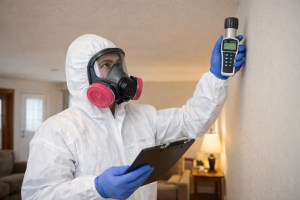
Professional asbestos testing, such as an on-site asbestos test, uses specialized equipment to safely collect and analyze samples. Experts can identify asbestos accurately without risking fiber release, which can occur with DIY attempts. For reliable results, contact Teton Environmental to schedule a thorough inspection.
Professional testing ensures safety and compliance with regulations.
Get Peace of Mind with Expert Asbestos Testing
Ensuring your home is free from asbestos starts with a comprehensive asbestos inspection and assessment. Certified professionals, like those at Environmental Testing Services, can provide detailed evaluations and peace of mind. Don’t wait—address potential asbestos risks today to protect your family.
Expert testing is the first step to a safer home.