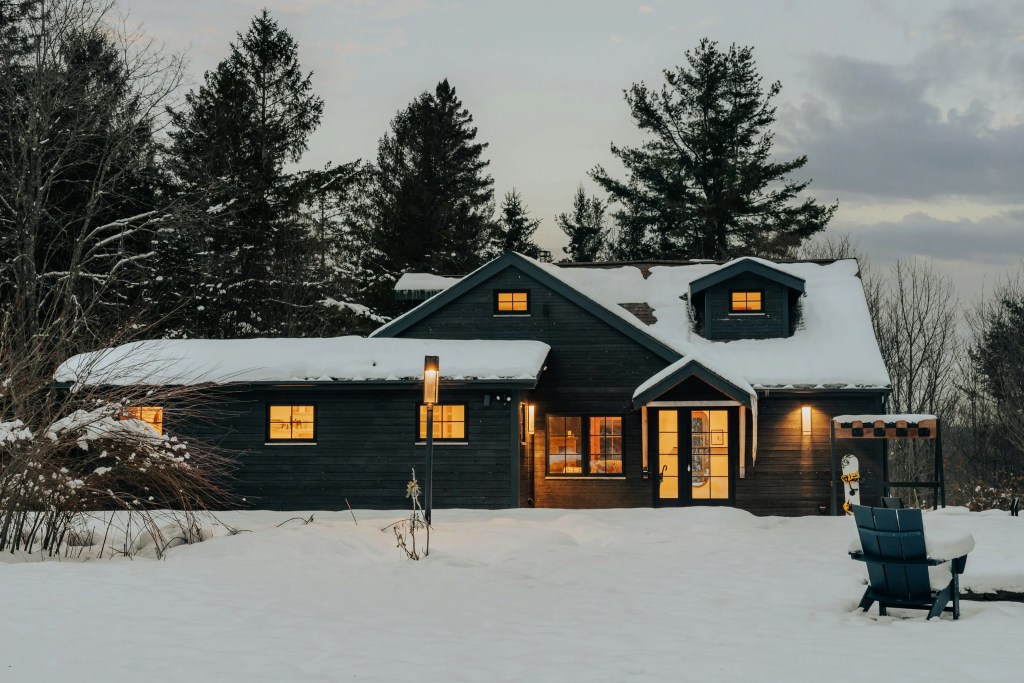
Winter usually feels like a vacation from home maintenance issues, yet most homeowners are shocked to find mold growth when everything is enclosed. Windows become blurred, rooms get humid despite the cold, and foul odor begins to permeate.
This is a typical winter problem, and when excess moisture is not removed in the first few weeks, it can easily be colonized by mold. Understanding what causes mold in a house during winter is the first step to protecting your indoor air quality, health, and property.
Importantly, People with weakened immune systems can develop invasive mold infections (IMIs) by inhaling mold spores.
In contrast to summer mold, winter mold is supported by the fact that homes are closed, heating systems change the humidity of the indoors and condense in dark spots. The problem isn’t the cold itself, it’s how winter conditions change your indoor environment.
Key Takeaways
Winter mold is prevalent, and it can be avoided, provided that you know the environment in which it thrives. Most homeowners think that cold weather kills mold, and this is hardly true. Knowing how to prevent mold in the house during winter can significantly reduce health risks, structural damage, and long-term remediation costs.
The exposure to molds may aggravate respiratory problems and cause mold allergies in winter as people spend more time in a home with little to no ventilation.
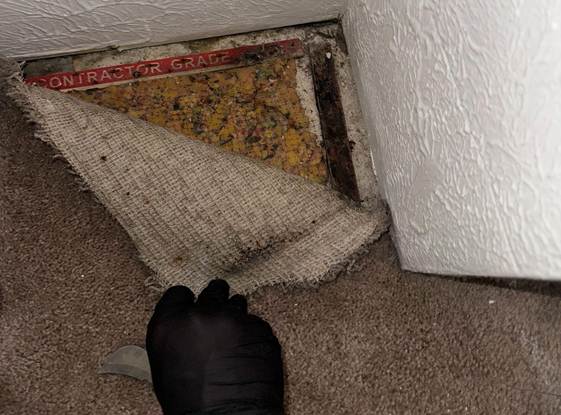
For homeowners needing professional advice or suspecting something is wrong with the surface cleaning, contacting a professional service such as Teton Environmental guarantees early detection of problems and safe management.
What Causes Mold in a House During Winter?
Most people pose a question that is whether mold can withstand cold conditions. The fact is that, does mold die in the winter is one of the misleading questions as mold does not require the outdoor warmth. It grows well in the interior where the temperatures remain constant and where there is moisture.
In fact, mold spores can remain dormant and reactivate quickly when conditions improve. How long does it take for mold to grow? In the right environment, mold can begin developing within 24 to 48 hours.
Mold on windows in winter is one of the most observable problems that homeowners encounter, however, most people only see the tip of the iceberg, as there is a bigger moisture problem inside the home.
One of the most noticeable issues homeowners face is mold on windows in winter, but this is often just a visible sign of a larger moisture problem inside the home.
Condensation
Condensation occurs when the warm indoor air is in contact with cold surfaces such as windows, exterior walls and metal frames. With time, accumulated moisture will percolate into the immediate materials like wood, drywall, and window seals, providing a perfect environment of growth of molds.
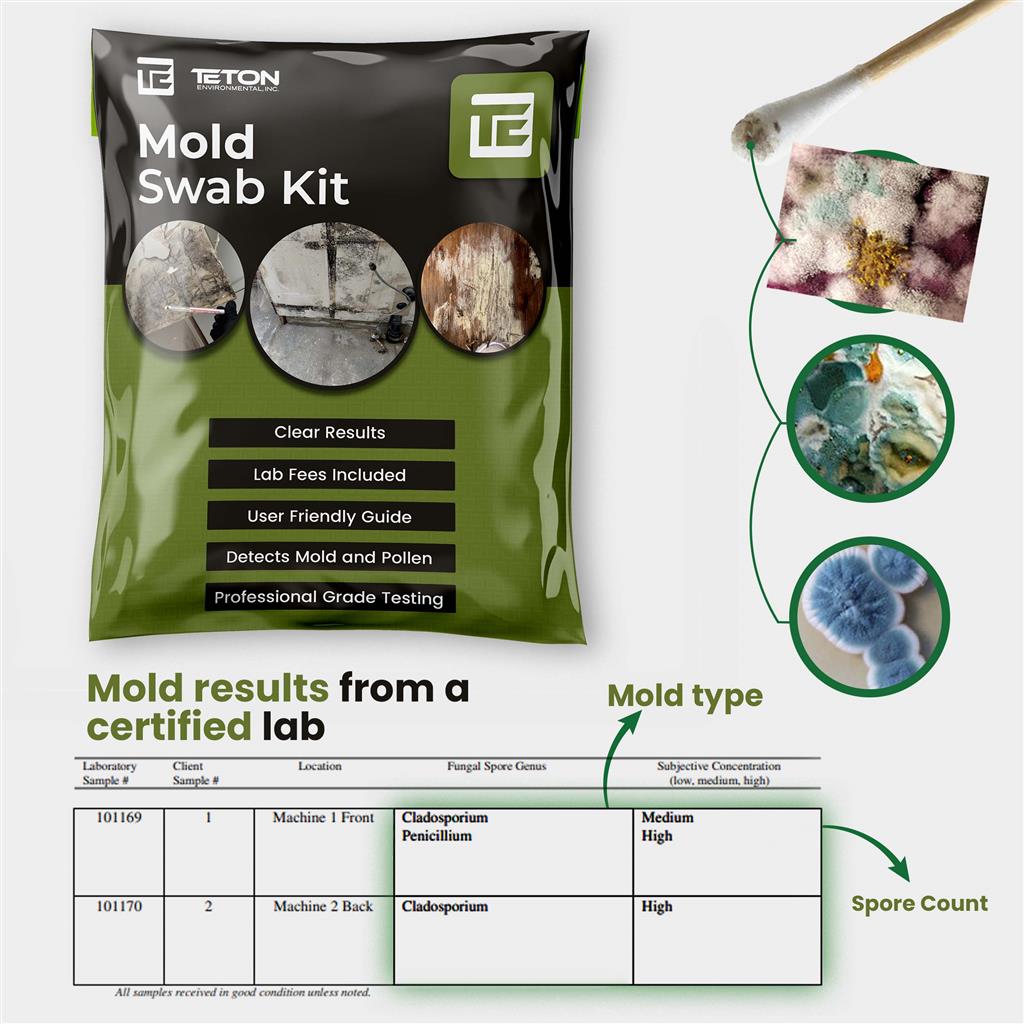
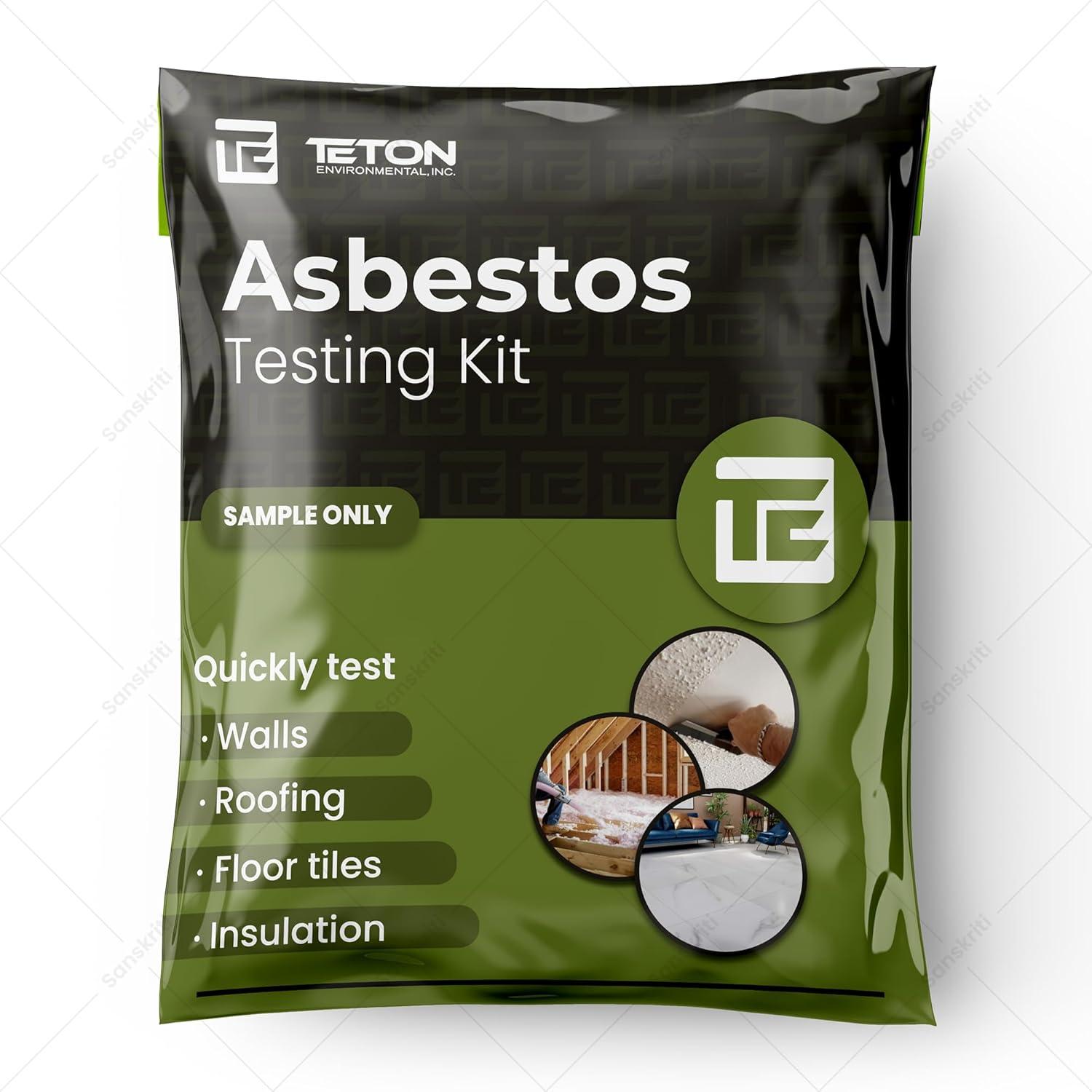
Mold Test Kit – Lab Fees Included, 1 Swab can Detect 20+ Mold Types & Pollen, Easy-to-Use Guide, Professional-Grade Testing
High Humidity
Cooking, taking a shower and laundry activities in winter time introduce humidity to the air. Lack of appropriate humidity may cause the indoor level to exceed 60% that favors growth of mold despite winter freezing outside.
Poor Ventilation
During winter time, homes are tightly closed in order to retain heat. This is energy saving but it traps moist air in the house. Bathrooms, kitchens, basements, and laundry rooms are especially vulnerable when exhaust fans or air circulation are inadequate.
Leaks
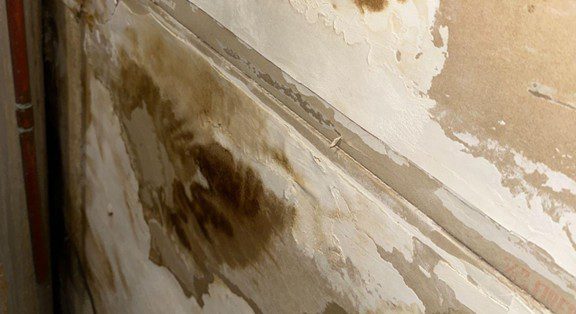
Poorly sealed windows, roof leaks, plumbing problems and other problems are all common and tend to aggravate in winter because of ice dams, frozen pipes, and swelling building materials. Even minor leaks may contain enough moisture to harbor molds in the walls or underneath the floor.
Food Sources
Mold feeds on organic materials such as wood, drywall, dust, and fabrics. Winter doesn’t remove these food sources, it simply adds moisture to them, especially in dark, undisturbed areas.
Temperature Fluctuations
Regular use of heating systems causes warm interiors and cold exterior walls. This is a difference in temperature that promotes the condensation within the wall cavities, attics, and crawl spaces, where there could be a growth of mould without the notice of the householder.
When homeowners want confirmation of indoor mold activity, one could use such tools as a petri dish mold test that could reveal the presence of airborne spores and provide evidence whether it is necessary to conduct additional inspection.

Where Mold Commonly Grows in Homes During Winter
Mold in the winter is likely to be found in specific places where moisture, warmth, and air are limited. Sometimes these are not checked at all in colder months, and absolutely silentl,y the mold spreads.
Windows and window frames are some of the most likely locations, yet mold also grows behind furniture that is placed in front of exterior walls, in closets, underneath sinks, basements and attic insulation. These dark spots usually cause frequent mold allergies in winter.
Guidance on how to prevent mold on windows in winter is essential, as window condensation is often the earliest indicator of a broader humidity issue inside the home.
Signs of Mold in Winter
Winter mold does not always manifest itself in black spots. Home owners might experience pervasive condensation, peeling paint, distorted wood, odours of mustiness or heightened allergy symptoms as coughing, sneezing and eye irritation when they are inside.
How to Prevent Mold in the House During Winter
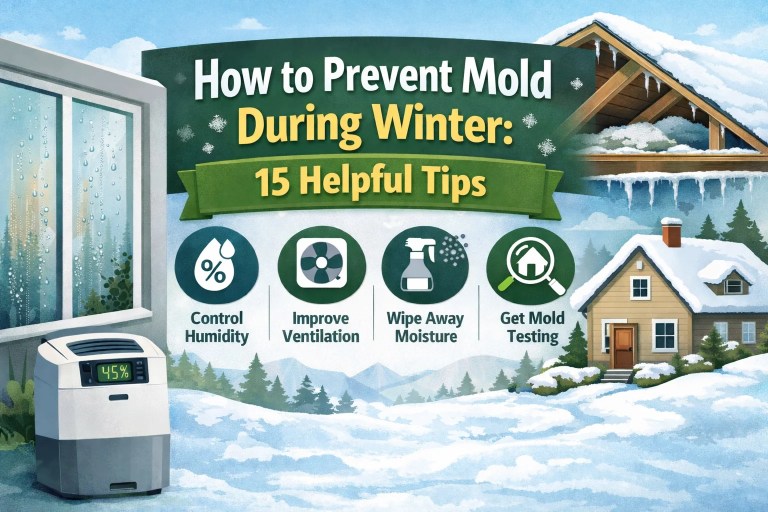
Wiping condensation off windows, keeping the indoor humidity 30 to 40%, turning on exhaust fans regularly, and making sure the building is well insulated can help to reduce the risk of molds dramatically. Leaks should also be checked frequently, and the circulation of air increased, to avoid settlement and spreading of spores.
In winter, it can be beneficial to use a dehumidifier in places where moisture may be widespread, e.g., basements, bathrooms, and laundry rooms.
The homeowners are also advised not to dry clothes in the house without ventilation and to place furniture a few inches off exterior walls to enable air to flow.
Gaping around the windows and doors is another form of preventing cold surfaces condensation, which minimizes the chance of mold development in concealed or inaccessible spaces.
Mold Health Risks
Mold exposure affects people differently, but it poses greater risks for children, the elderly, and those with respiratory conditions.
Prolonged exposure to indoor mold can also contribute to chronic health issues, including persistent sinus infections, headaches, fatigue, and worsening asthma symptoms. In colder months, these effects are often overlooked because they closely resemble flu or allergy-related discomfort.
Failure to identify and correct may result in increased sensitivity to mold with time that subsequently escalates the severity of reactions to mold in the future. This is the reason that it is necessary to tackle the issue of mold as soon as it appears in winter to preserve the integrity of the home as well as to take care of the health of the long-term occupants.
Professional Mold Inspection, Testing & Removal Services in Colorado
When moisture issues persist or mold keeps returning, professional intervention is the safest option. Mold in the winter often spreads behind walls or insulation where DIY methods cannot reach. Visible mold on windows in winter may only represent a fraction of the problem.
Professional inspectors use advanced tools to detect hidden moisture, identify mold types, and determine the extent of contamination. A qualified mold inspection and testing service provides clear answers and actionable next steps.
For Colorado homeowners, a trusted resource ensures inspections and remediation meet safety and environmental standards. If removal is required, working with a certified mold removal company helps ensure the problem is resolved without risking further exposure or damage.
When Mold Testing Is Necessary in Winter
Testing is recommended when mold is visible, when unexplained health symptoms appear, after water damage, or before buying or selling a property. Winter testing is especially valuable because closed environments can concentrate airborne spores.
What to Do If You Find Mold in Your Home During Winter
Avoid disturbing the area, as this can release spores into the air. Do not attempt to paint over or aggressively scrub affected surfaces. Instead, isolate the space if possible, control humidity, and schedule a professional inspection to assess the severity and determine the safest remediation approach.