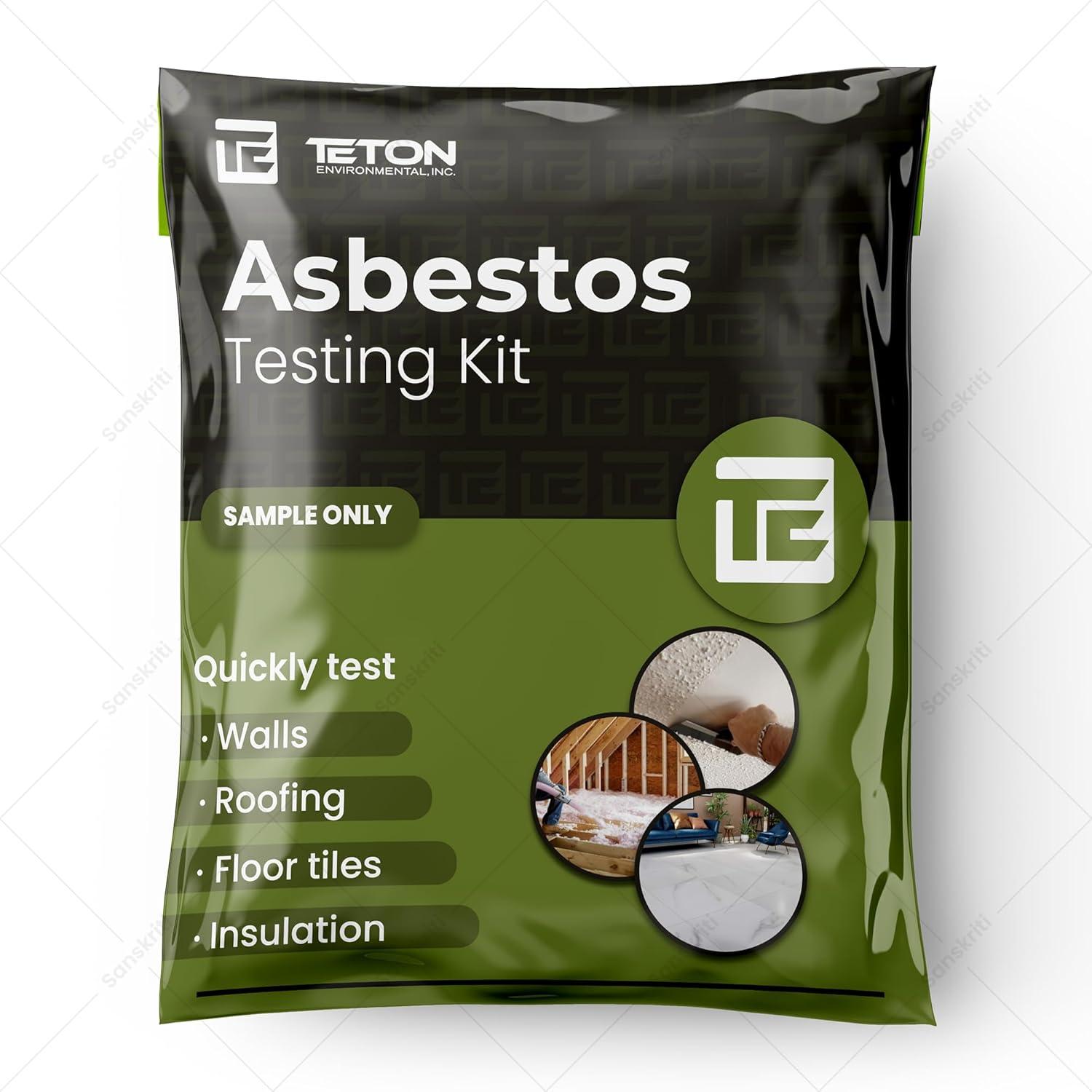
Vermiculite loose fill insulation, a lightweight and heat-resistant material, was a popular choice for insulating homes from the early 20th century until the 1990s. Its association with asbestos, a dangerous mineral, poses significant health risks that homeowners must understand and address. For professional assistance, consider asbestos testing services and review regulations from the EPA to ensure safety.
What Is Vermiculite Loose Fill Insulation?
Vermiculite is a naturally occurring mineral that expands when heated, creating a lightweight, pebble-like material ideal for insulation. It was widely used in attics, walls, and crawl spaces due to its fire-resistant properties and affordability. However, loose fill asbestos insulation, particularly vermiculite sourced from contaminated mines, has raised serious health concerns for homeowners.
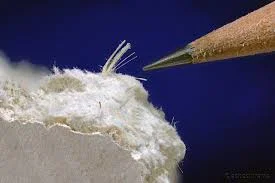
Loose fill insulation was favored for its ease of installation, as it could be poured into tight spaces. Its popularity peaked in the mid-20th century, but the discovery of asbestos contamination changed its reputation. Understanding its characteristics is crucial for identifying potential risks in your home.
Knowing its history helps assess potential dangers.
Vermiculite and Asbestos
The link between vermiculite and asbestos stems from mining operations, particularly in Libby, Montana, where much of the U.S. vermiculite supply originated. Asbestos in insulation in attics is a major concern because it can become airborne during renovations or even minor disturbances. Homeowners must take proactive steps to identify and manage these risks to protect their health.
The Libby mine, operational until 1990, was heavily contaminated with asbestos, a naturally occurring mineral known for its durability but also its toxicity. This contamination affected millions of homes across North America. Awareness of this connection is essential for anyone with vermiculite insulation.
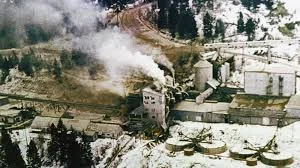
Contaminated vermiculite requires careful handling.
Identifying Asbestos-Contaminated Vermiculite
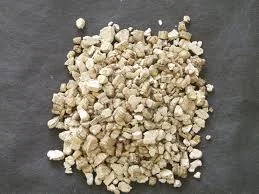
Vermiculite insulation looks like small, shiny pebbles, often gray, brown, or silver, but its appearance alone cannot confirm asbestos contamination. To understand what does asbestos insulation look like, you might notice its granular texture, but asbestos fibers are microscopic and undetectable without testing. Professional laboratory analysis is the only reliable method to determine if asbestos is present.
Visual inspection might reveal vermiculite’s unique characteristics, but it’s not enough to ensure safety. Homeowners should avoid assumptions and seek expert evaluation. Misidentifying asbestos can lead to dangerous exposure during home projects.
Professional testing is essential for accurate identification.
7 Hidden Asbestos Risks in Vermiculite Loose Fill Insulation
Asbestos in insulation in attics poses multiple dangers, especially in older homes where vermiculite was commonly installed. Disturbing this material can release toxic fibers, leading to severe health consequences over time. Understanding these risks is critical for homeowners to make informed decisions about testing and remediation.
The following sections outline seven specific risks associated with vermiculite insulation. Each highlights the importance of caution and professional intervention. Awareness and action can prevent long-term harm.
Proactive measures can significantly reduce exposure risks.
1. Asbestos Contamination
The primary concern with vermiculite is its potential contamination with asbestos, particularly from the Libby mine, which supplied most U.S. vermiculite until 1990. Testing vermiculite for asbestos is the only way to confirm whether it’s hazardous. Without testing, homeowners risk living with a dangerous material in their walls or attics.
The Libby mine’s asbestos contamination was not discovered until decades after its widespread use. This delayed awareness has left many homes vulnerable. Professional testing provides clarity and guides safe next steps.

Testing is the cornerstone of safe management.
2. Disturbance Risks
Renovations, repairs, or even routine maintenance can disturb asbestos vermiculite insulation, releasing harmful fibers into the air. These fibers are easily inhaled, posing significant health risks to residents and workers. Avoiding unnecessary contact with vermiculite is critical until its safety is confirmed.
Even minor activities, like drilling into walls or accessing attics, can agitate asbestos-containing materials. Homeowners should treat vermiculite as hazardous until tested. Professional guidance ensures disturbances are minimized.
Disturbance can escalate hidden dangers.
3. Hidden Fibers
Asbestos fibers in vermiculite are microscopic, making it impossible to detect contamination without specialized testing. Homeowners wondering how to tell if vermiculite contains asbestos should understand that visual cues are unreliable. Only laboratory analysis can confirm the presence of asbestos fibers.
The invisibility of asbestos makes it particularly dangerous, as it can go unnoticed for years. Routine home maintenance can unknowingly spread these fibers. Testing is the only way to eliminate uncertainty.
Invisible threats demand professional evaluation.
4. Long-Term Health Effects
Exposure to asbestos can lead to serious conditions like mesothelioma, lung cancer, or asbestosis, often decades after initial contact. A blood test for asbestos exposure is not widely available, so prevention is the best strategy. Avoiding contact with contaminated vermiculite is essential to protect long-term health.
These health effects can remain dormant for 20–50 years, making early detection challenging. Homeowners must prioritize testing to avoid future risks. Safe handling today prevents devastating consequences tomorrow.
Health risks can emerge decades later.
5. No Safe Exposure Level
Regulatory agencies, including the EPA, emphasize that there is no safe level of asbestos exposure. The asbestos permissible exposure limit is set extremely low to protect workers and residents from harm. Vermiculite insulation should be treated as hazardous until proven safe through testing.
Even brief exposure to asbestos fibers can trigger health issues over time. This makes professional testing and handling non-negotiable. Homeowners must act cautiously to avoid any contact.
Zero exposure is the safest approach.
6. Improper Removal or Disposal
Removing or disposing of vermiculite without proper precautions can release asbestos fibers, endangering everyone nearby. Asbestos inspection and assessment ensure compliance with safety regulations, as outlined in asbestos requirements. Professional services are essential for safe removal and disposal.
Improper handling can contaminate living spaces and spread asbestos to other areas. Certified professionals follow strict protocols to contain fibers. Homeowners should never attempt removal without expert assistance.
Improper handling amplifies health risks.
7. Lack of Awareness in Older Homes
Many homeowners in older properties are unaware of asbestos in older homes, particularly in vermiculite insulation installed decades ago. This lack of knowledge can lead to accidental exposure during renovations or repairs. Education and testing are vital to address this hidden danger.
Older homes, especially those built before 1990, are more likely to contain asbestos-contaminated vermiculite. Awareness campaigns and professional inspections can prevent unintentional exposure. Homeowners must stay vigilant to protect their families.
Awareness is the first line of defense.
Where Vermiculite Comes From
Most vermiculite used in the U.S. came from the Libby mine in Montana, which was heavily contaminated with asbestos. This asbestos vermiculite insulation was distributed across North America, ending up in millions of homes. Understanding its origin explains why testing is critical for safety.
The Libby mine operated for decades before its contamination was widely recognized. Its widespread use means many homes still contain this risky material. Testing is the only way to confirm safety.
Source history underscores the need for caution.
Is Vermiculite Toxic?
Vermiculite itself is not inherently toxic, but its association with asbestos makes it a potential hazard. Testing vermiculite for asbestos is essential to determine if it poses a risk. Homeowners should assume contamination until professional testing proves otherwise.
Pure vermiculite is safe, but the risk of asbestos contamination is high, especially in older installations. Laboratory analysis provides definitive answers. Acting on test results ensures a safe living environment.
Toxicity hinges on asbestos contamination.
What To Do If You Find Vermiculite?
If you discover vermiculite in your home, avoid disturbing it and seek professional testing immediately. Knowing how to tell if vermiculite contains asbestos requires laboratory analysis, not visual inspection. An on-site asbestos test can provide quick, reliable results to guide your next steps.
Disturbing vermiculite can release asbestos fibers, creating immediate health risks. Professional testers use specialized equipment to assess contamination safely. Acting promptly protects your household from harm.
Swift, cautious action is critical.
Test for Asbestos with Teton Environmental
For reliable results, contact Teton Environmental for expert asbestos testing services. Their experience with loose fill asbestos insulation ensures accurate assessments and safe recommendations. Visit Environmental Testing Services for trusted local testing options to safeguard your home.
Teton Environmental offers comprehensive inspections to identify asbestos risks. Their certified professionals follow strict protocols to ensure safety. Scheduling a test today provides peace of mind for tomorrow.
Professional testing ensures a safe home.