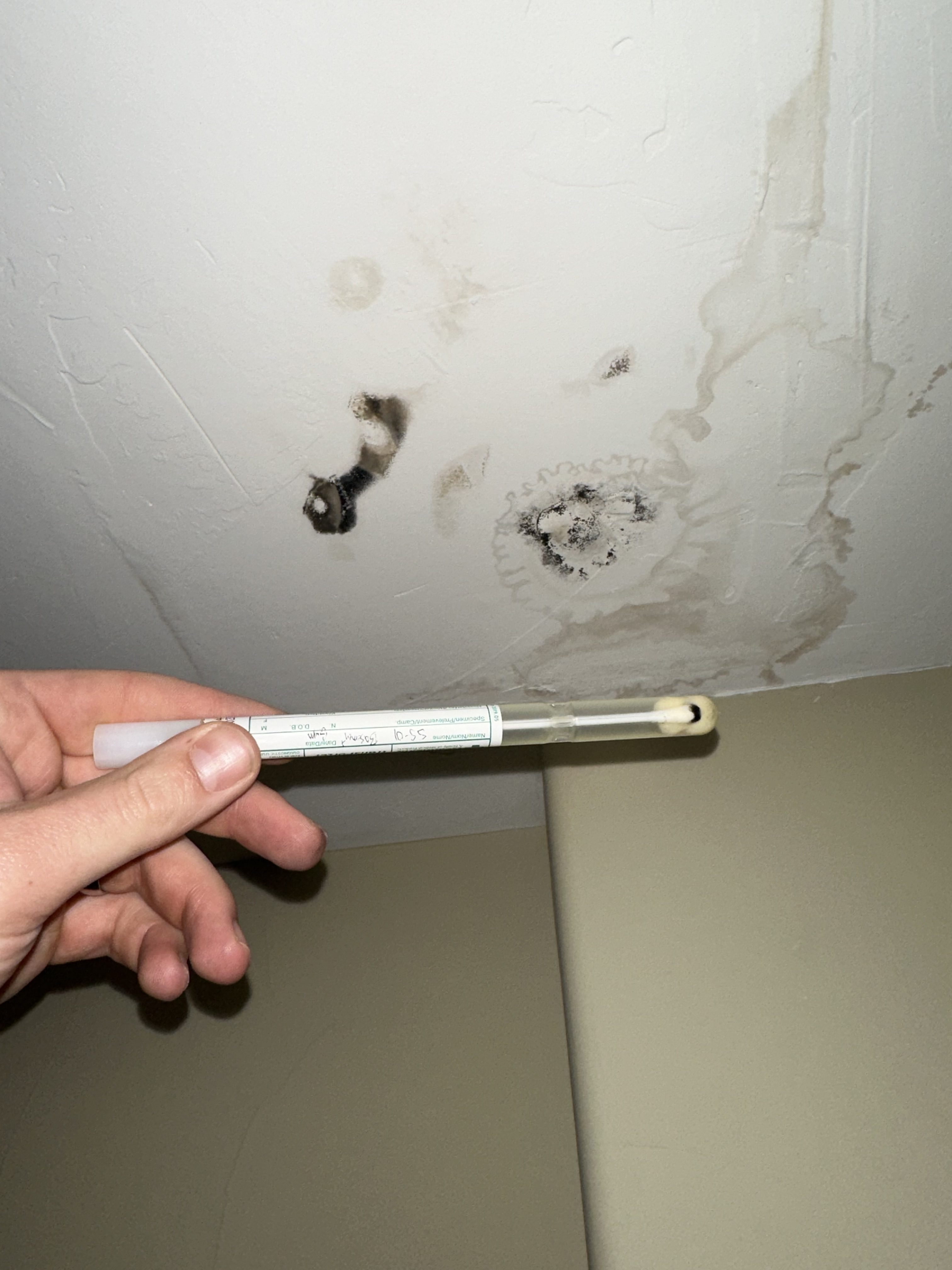
Mold can be a serious issue in homes, leading to health problems and structural damage. We aim to help DIY mold testers understand how to test for mold at home and better understand mold results. We’ll focus on identifying harmful mycotoxins produced by certain molds and provide guidelines for analysis and remediation. A thorough inspection of your home and a test for mold should have been done first.
What Are Mycotoxins?
Mycotoxins are naturally occurring toxins produced by certain molds or fungi. These toxins can be found in indoors and food and can pose serious health threats to humans and livestock, even at very low concentrations. Health effects range from acute poisoning to long-term issues such as immune deficiency, cancer, and even death. Ask your primary doctor about a mycotoxin test which will test for mold exposure in your body.
Types of Mold
Common Mold Types and Their Mycotoxins
Alternaria
Alternaria produces toxins that negatively impact cell organelles like chloroplasts, mitochondria, and the nucleus. Commonly found in damp environments, it poses serious health risks
Mycotoxins Produced:
- Alternariol (AOH) and Alternariol Monomethyl Ether (AME):
- Damage DNA in mammalian cells.
- Disrupt cell morphology and activity.
- Synergistic effects may increase DNA breakage and toxicity.
- Tenuazonic Acid (TeA):
- Causes diarrhea, muscle tremors, convulsions, dizziness, salivation, and vomiting.
- Severe effects include tachycardia, digestive tract bleeding, motor dysfunction, and death.
Analysis of Alternaria:
- 1-10 spores:
- Trace levels; extremely clean, not usually a problem.
- 11-100 spores:
- Low levels; monitor for potential issues.
- 101-1,000 spores:
- Slightly elevated levels; consider mold remediation, especially if moisture is present. Consult with a doctor about a mycotoxin test.
- 1,000+ spores:
- High levels; mold remediation is highly recommended. Consult with a doctor about a mycotoxin test.
Ascospores
Ascospores develop during the winter on fallen, dead leaves. When it rains, spores are released into the air. Indoors, they grow on moist materials and have allergenic potential.
Analysis of Ascospores:
- 1-10 spores:
- Trace levels; extremely clean, not usually a problem.
- 11-100 spores:
- Low levels; monitor for potential issues.
- 101-1,000 spores:
- Slightly elevated levels; consider mold remediation, especially if moisture is present. Consult with a doctor about a mycotoxin test.
- 1,000+ spores:
- High levels; mold remediation is highly recommended. Consult with a doctor about a mycotoxin test.
Aspergillus/Penicillium
Some species of Aspergillus and Penicillium molds produce harmful mycotoxins, commonly found in food and damp environments.
Mycotoxins Produced:
- Ochratoxin A: Found in grains, coffee, grapes, and wine. Causes kidney damage and possibly cancer.
- Asp-hemolysin: Inhibits leukocyte function, produced by Aspergillus fumigatus.
- Gliotoxin: Immunosuppressive alkaloid produced by Aspergillus fumigatus.
Analysis of Aspergillus/Penicillium:
- 1-10 spores:
- Trace levels; extremely clean, not usually a problem.
- 11-100 spores:
- Low levels; monitor for potential issues.
- 101-1,000 spores:
- Elevated levels; consider mold remediation, especially if moisture is present. Consult with a doctor about a mycotoxin test.
- 1,000+ spores:
- High levels; mold remediation is highly recommended. Consult with a doctor about a mycotoxin test.
Bipolaris
Bipolaris is a fungus with large spores that can produce sterigmatocystin, damaging liver and kidneys.
Analysis of Bipolaris:
- 1-10 spores:
- Trace levels; extremely clean, not usually a problem.
- 11-100 spores:
- Low levels; monitor for potential issues.
- 101-1,000 spores:
- Slightly elevated levels; consider mold remediation, especially if moisture is present. Consult with a doctor about a mycotoxin test.
- 1,000+ spores:
- High levels; mold remediation is highly recommended. Consult with a doctor about a mycotoxin test.
Chaetomium
Chaetomium includes 95 species and produces many potent mycotoxins.
Mycotoxins Produced:
- Chaetoglobosins: Damages cell structural component actin.
- Chaetochromins: Teratogenic, toxic to embryos and fetuses.
- Sterigmatocystin: Poisons kidneys and liver, potent carcinogen.
- Chetomin and Chaetocin: Toxic to cells.
Analysis of Chaetomium:
- 1-10 spores:
- Trace levels; clean, not usually a problem.
- 11-100 spores:
- Slightly elevated levels; indicates problems with wet organic material. Consult with a doctor about a mycotoxin test.
- 101+ spores:
- Elevated levels; mold remediation is highly recommended. Consult with a doctor about a mycotoxin test.
Cladosporium
Cladosporium is a common allergen found in soil, food, and textiles. It can cause allergic reactions and contaminate food.
Analysis of Cladosporium:
- 1-10 spores:
- Trace levels; extremely clean, not usually a problem.
- 11-100 spores:
- Low levels; monitor for potential issues.
- 101-1,000 spores:
- Slightly elevated levels; consider mold remediation, especially if moisture is present. Consult with a doctor about a mycotoxin test.
- 1,000+ spores:
- High levels; mold remediation is highly recommended. Consult with a doctor about a mycotoxin test.
Curvularia
Curvularia produces mycotoxins such as fumonisins B and radicinin.
Analysis of Curvularia:
- 1-10 spores:
- Trace levels; extremely clean, not usually a problem.
- 11-100 spores:
- Low levels; monitor for potential issues.
- 101-1,000 spores:
- Slightly elevated levels; consider mold remediation, especially if moisture is present. Consult with a doctor about a mycotoxin test.
- 1,000+ spores:
- High levels; mold remediation is highly recommended. Consult with a doctor about a mycotoxin test.
Fusarium
Fusarium species produce various mycotoxins that can be toxic or carcinogenic. Commonly found in livestock feed, these mycotoxins can threaten human and animal health.
Mycotoxins Produced:
- Zearalenones
- Trichothecenes: Includes deoxynivalenol (DON), diacetoxyscirpenol (DAS), T-2 toxin, and HT-2 toxin.
- Fumonisins
Analysis of Fusarium:
- 1-10 spores:
- Trace levels; extremely clean, not usually a problem.
- 11-100 spores:
- Low levels; monitor for potential issues.
- 101-1,000 spores:
- Slightly elevated levels; consider mold remediation, especially if moisture is present. Consult with a doctor about a mycotoxin test.
- 1,000+ spores:
- High levels; mold remediation is highly recommended. Consult with a doctor about a mycotoxin test.
Hyphal Fragments
Hyphal fragments are broken pieces of hyphae, indicating fungal growth. They can become airborne and cause health issues like bronchial irritation and allergies.
Analysis of Hyphal Fragments:
- 1-10 spores:
- Trace levels; clean, not usually a problem.
- 11-100 spores:
- Slightly elevated levels; indicates potential hidden problems. Consult with a doctor about a mycotoxin test.
- 101+ spores:
- Elevated levels; mold remediation is highly recommended. Consult with a doctor about a mycotoxin test.
Oidium
Oidium is a type of mold found on meat, poultry, and other foods, capable of producing mycotoxins.
Analysis of Oidium:
- 1-10 spores:
- Trace levels; extremely clean, not usually a problem.
- 11-100 spores:
- Low levels; monitor for potential issues.
- 101-1,000 spores:
- Slightly elevated levels; consider mold remediation, especially if moisture is present. Consult with a doctor about a mycotoxin test.
- 1,000+ spores:
- High levels; mold remediation is highly recommended. Consult with a doctor about a mycotoxin test.
Pithomyces
Pithomyces chartarum produces sporidesmin, a potent hepatotoxin causing liver damage and photosensitization in livestock. In humans, it can be carcinogenic and allergenic.
Analysis of Pithomyces:
- 1-10 spores:
- Trace levels; clean, not usually a problem.
- 11-100 spores:
- Slightly elevated levels; indicates problems with wet organic material. Consult with a doctor about a mycotoxin test.
- 101+ spores:
- Elevated levels; mold remediation is highly recommended. Consult with a doctor about a mycotoxin test.
Stachybotrys
Stachybotrys chartarum, or “black mold,” produces potent mycotoxins such as satratoxins and trichothecene mycotoxins, causing severe health effects.
Mycotoxins Produced:
- Satratoxins and Trichothecenes: Cause severe respiratory issues, skin rashes, and neurological damage.
Analysis of Stachybotrys:
- 1-10 spores:
- Trace levels; clean, not usually a problem.
- 11-100 spores:
- Slightly elevated levels; indicates problems with wet organic material. Consult with a doctor about a mycotoxin test.
- 101+ spores:
- Elevated levels; mold remediation is highly recommended. Consult with a doctor about a mycotoxin test.