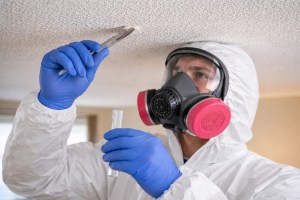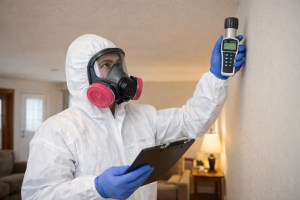
Lead paint, once a staple in American homes, remains a hidden danger in millions of properties, particularly those built before 1978. According to the CDC, approximately 29 million U.S. housing units contain lead-based paint hazards, with 2.6 million of these homes occupied by young children, making a test for lead paint essential for safety. Professional lead paint detection not only identifies these risks but also provides peace of mind, ensuring your family is protected from the severe health consequences of lead exposure.
Certified lead inspection and testing safeguard your home and loved ones.
Why You Should Test for Lead Paint the Right Way
Mishandling lead paint can release toxic dust, posing risks to residents and workers alike. Professional lead paint testing services employ advanced techniques to assess hazards without exacerbating them, ensuring compliance with federal safety standards. Choosing certified inspectors minimizes errors and provides actionable steps to address any detected lead, protecting your household from harm.
Proper testing for lead paint prevents health risks and costly mistakes.
8 Must-Know Facts About Testing for Lead Paint
Understanding the complexities of lead paint detection empowers homeowners to make informed decisions about their property’s safety. A lead paint test is more than a precaution—it’s a proactive measure to identify signs of lead paint, learn how to identify lead paint, and understand when lead paint was phased out. Here are eight critical facts, enriched with insights from Teton Environmental, to guide you through the process of lead testing.
These facts about testing for lead paint equip you to protect your home effectively.
1. Lead Paint Was Banned in 1978 (U.S.)
In 1978, the U.S. government banned lead-based paint in residential properties due to its toxic effects, making a lead paint test a priority for homes built before this date. Signs of lead-based paint, such as cracking or peeling surfaces, are common in older structures and signal the need for immediate lead testing services. Teton Environmental’s resource on how harmful lead paint is highlights why testing pre-1978 homes is crucial to prevent exposure-related health issues.

Lead was valued for its durability and color retention, but its dangers led to stringent regulations. Homes renovated post-1978 may still harbor older lead-based layers beneath newer paint, posing hidden risks. Only a professional test for lead paint can confirm whether these hazards exist, ensuring your home is safe for occupancy.
Testing for lead paint is essential for pre-1978 homes.
2. Not All Old Paint Has Lead
While older homes are more likely to contain lead, not every paint layer from before 1978 is hazardous. How to identify lead paint includes observing signs of lead-based paint, such as alligatoring or chalking, but these visual cues are unreliable without proper testing. Professional inspections provide definitive answers, distinguishing safe paint from potential threats.
Multiple paint layers in older homes may include post-1978 applications, reducing the likelihood of lead in surface coats. However, wear or renovations can expose underlying layers, making a test for lead paint critical to confirm safety. Assuming all old paint contains lead can lead to unwarranted expenses, so testing is key to clarity.
A test for lead paint ensures precise identification of hazards.
3. Peeling or Chipping Paint Increases Risk
Deteriorating paint, especially peeling or chipping surfaces, is a major warning sign that a test for lead paint is needed, as these signs of lead paint indicate potential exposure risks. Broken paint releases lead dust, which can be inhaled or ingested, particularly by children who are more susceptible to its effects. Regular inspections can catch these issues early, preventing health complications.

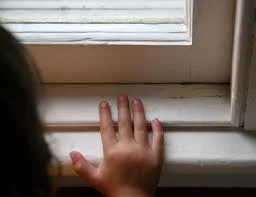
High-friction areas like windowsills, doorframes, or baseboards are prone to paint deterioration, increasing the risk of lead dust contamination. A test for lead paint in these areas determines whether immediate action, such as encapsulation or removal, is necessary. Ignoring such signs can escalate dangers, making timely testing a priority.
Testing for lead paint addresses deteriorating paint risks promptly.
4. There Are 3 Main Ways to Test for Lead in Paint
Lead paint detection relies on three primary methods, each suited to different needs, ensuring an accurate test for lead paint. Professional lead paint testing services may recommend lead encapsulating paint for remediation, but confirming lead’s presence is the first step. Understanding these methods helps homeowners select the most effective approach for their property.
DIY Swab Tests
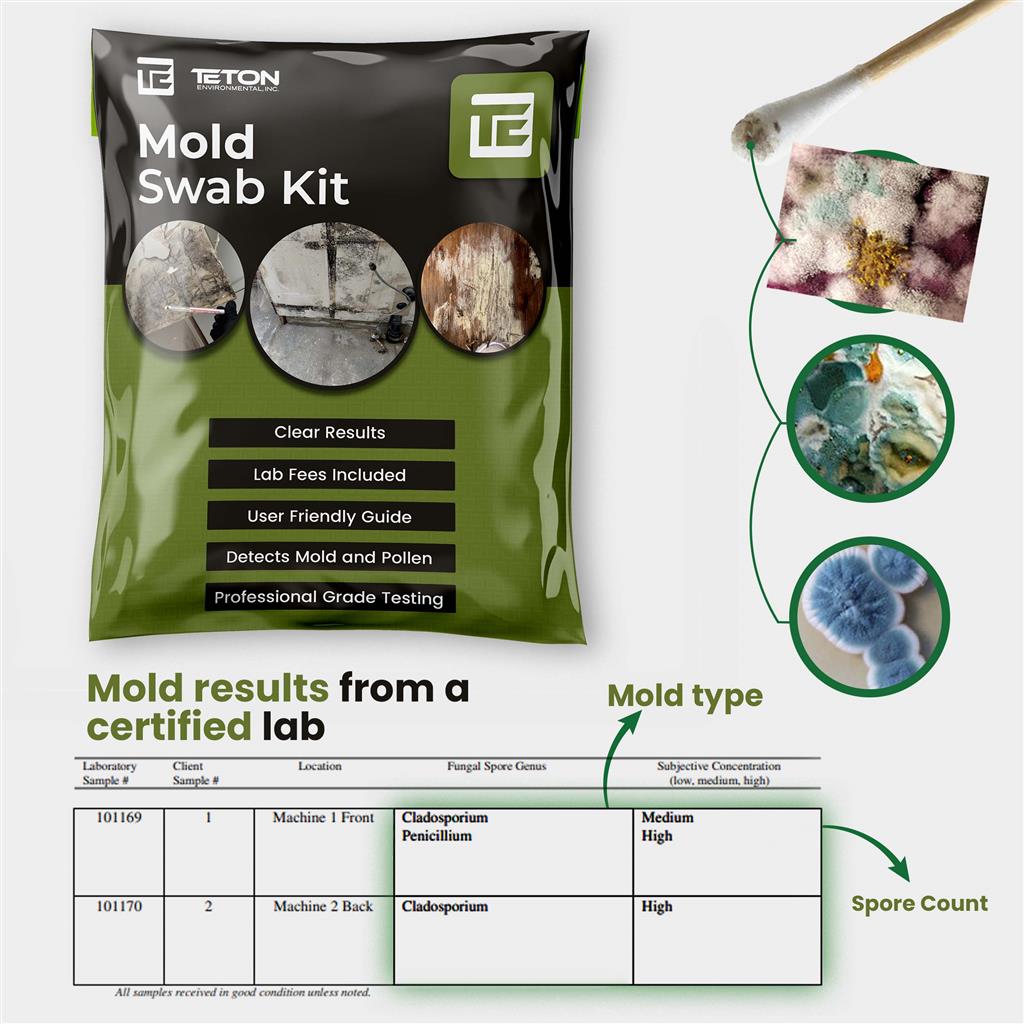
DIY swab tests offer a cost-effective way to conduct a test for lead paint, using chemical reagents that change color in the presence of lead. These tests are convenient for checking accessible surfaces like walls or trim but may miss low-level lead or deeper layers. EPA-recognized kits improve reliability, though professional follow-up is often recommended for accuracy.
XRF Analyzer
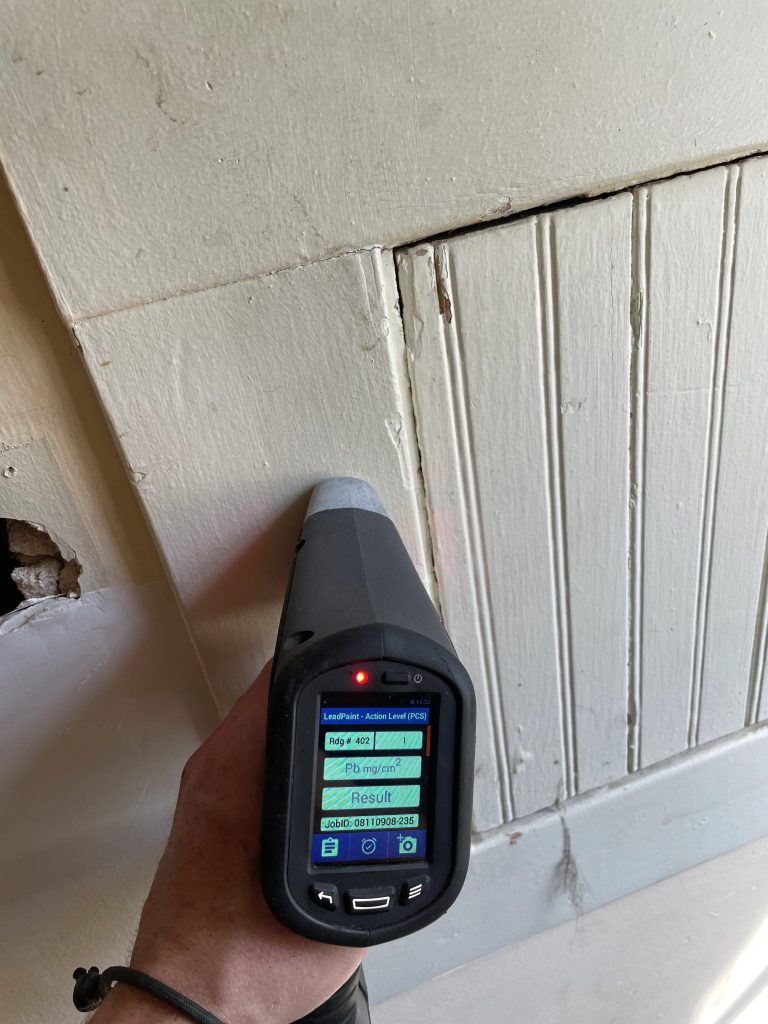
X-ray fluorescence (XRF) analyzers, used by certified professionals, deliver a non-invasive test for lead paint by measuring lead content across multiple paint layers. This method is highly accurate, ideal for whole-house inspections, and avoids damaging surfaces. However, it requires specialized training and equipment, making it a professional-only option.
Lab Testing
Lab testing involves collecting paint chips or dust samples for a test for lead paint, sent to certified laboratories for detailed analysis. This method detects even trace amounts of lead, offering unmatched precision, but requires careful sample collection to prevent contamination. Professionals often combine lab testing with other methods for comprehensive results.
Selecting the right test for lead paint ensures dependable outcomes.
5. EPA-Recognized Test Kits Are the Most Reliable for DIY
For homeowners choosing DIY lead paint detection, EPA-recognized test kits provide the most trustworthy results for a test for lead paint. Available through lead paint testing services, these kits use chemical indicators to identify lead on surfaces like doors or moldings. While effective for initial screenings, they should be paired with professional verification for complete confidence.
EPA-recognized kits adhere to strict accuracy standards, minimizing false results compared to non-certified alternatives. They are easy to use but limited to surface-level testing, potentially overlooking lead in underlying layers. For thorough assessments, combining DIY kits with professional lead paint testing services is the best approach.
A test for lead paint with EPA-recognized kits is a reliable first step.
6. Testing Is Recommended Before Renovation
Renovations in older homes can disturb lead paint, releasing toxic dust, making a test for lead paint essential before starting any project. A test for lead in paint, part of a lead-based paint inspection, ensures safe planning, as detailed in Teton Environmental’s guide on home inspection before renovation. This precaution prevents accidental exposure during activities like sanding or demolition.
Disturbing lead paint without prior testing can contaminate your living space and endanger workers or residents. A lead-based paint inspection pinpoints high-risk areas, enabling safe remediation strategies like encapsulation or removal. Testing before renovations ensures compliance with EPA guidelines and protects everyone involved.
A test for lead paint before renovation keeps your project safe.
7. Lead Exposure Is Extremely Harmful
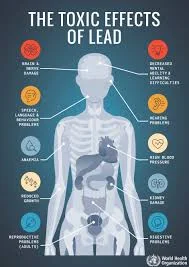
Lead exposure from paint poses significant health risks, necessitating a test for lead paint to prevent long-term harm. A lead-based paint inspection can identify areas requiring lead encapsulating paint or complete removal to mitigate dangers. Lead’s toxic effects, including neurological damage and developmental delays, make testing a critical step for any household.
Why Young Children Are Most at Risk
Young children are especially vulnerable to lead exposure, as their developing bodies absorb lead more readily, making a test for lead paint vital in homes with kids. Hand-to-mouth behavior increases their risk of ingesting lead dust, particularly in areas with deteriorating paint. Early detection through testing protects their growth and cognitive development from irreversible damage.
Adults are not immune, facing risks like kidney damage, hypertension, and memory issues from lead exposure. A lead-based paint inspection ensures comprehensive protection for all household members, identifying risks before they cause harm. Regular testing is a proactive measure to maintain a safe living environment.
Testing for lead paint prevents severe health consequences.
8. Professionals Offer Full Lead Testing Services
Professional lead testing services, such as those offered by Teton Environmental, provide comprehensive solutions for a test for lead paint. These services include visual assessments, XRF analysis, dust and paint chip sampling, and lab testing for precise lead paint detection. Schedule an appointment with Teton Environmental for a tailored inspection that ensures your home’s safety.
A professional inspection begins with a detailed evaluation of your property, targeting high-risk areas like older paint layers or high-traffic surfaces. Certified technicians use advanced tools to collect samples, which are analyzed in accredited labs for accurate results. This process delivers a clear remediation plan, from encapsulation to removal, ensuring compliance and safety.
A test for lead paint with professionals guarantees thorough protection.
Additional Considerations for Lead Paint Testing
Lead paint testing extends beyond immediate detection, offering long-term benefits for homeowners. Lead hazards are not limited to visible paint chips; dust from deteriorating surfaces is a primary exposure source, making regular tests for lead paint essential. Testing after purchasing an older home, even if recently renovated, is wise, as underlying layers may still contain lead.
Lead testing services also fulfill legal and insurance obligations. Landlords and property managers may need to disclose lead paint risks, and a test for lead paint provides critical documentation to meet these requirements. This transparency protects both residents and property owners from potential liability.
Lead encapsulating paint offers a remediation option, sealing lead to prevent dust release, but its use requires a test for lead paint to confirm necessity. Professional guidance ensures the most effective strategy, whether encapsulation or removal, based on your home’s specific conditions. Additionally, testing can reveal lead in unexpected places, such as ceramic tiles or plumbing fixtures, broadening the scope of protection.
A test for lead paint addresses both immediate and future concerns.
Why Choose Professional Lead Paint Testing Services?
Professional lead paint testing services offer unmatched accuracy, safety, and regulatory compliance compared to DIY methods. Certified inspectors, like those at Teton Environmental, are trained to handle lead safely, reducing risks during the testing process. Their expertise in lead paint detection ensures no hazards are overlooked, providing reliable results.
Detailed reports from professionals outline lead levels, locations, and recommended actions, invaluable for remediation planning or real estate transactions. These reports also serve as proof of due diligence, protecting homeowners from future disputes. Choosing a trusted provider like Teton Environmental ensures comprehensive testing and peace of mind.
Professional tests for lead paint deliver precision and safety.
The Importance of Lead Paint Testing in Older Homes
Homes built before 1978 are particularly susceptible to lead paint hazards due to the widespread use of lead-based paint in earlier decades. A test for lead paint is crucial for identifying risks in these properties, especially in areas prone to wear, such as staircases or exterior trim. Regular testing can prevent exposure, particularly in households with young children or pregnant individuals.
Older homes often have unique architectural features, like ornate moldings, that may conceal lead paint beneath multiple layers. A test for lead paint uncovers these hidden risks, allowing for targeted remediation without compromising the home’s character. Professional testing also accounts for regional factors, such as humidity or temperature fluctuations, that can accelerate paint deterioration.
Testing is also vital for maintaining property value. Lead paint issues discovered during a sale can lower offers or delay transactions, but a proactive test for lead paint demonstrates a commitment to safety, appealing to buyers. This foresight can streamline real estate processes and protect your investment.
Testing for lead paint preserves the safety and value of older homes.
How Lead Paint Testing Supports Community Health
Beyond individual households, lead paint testing contributes to broader community health by reducing environmental lead exposure. Lead dust from deteriorating paint can contaminate soil or water, affecting neighboring properties, making a test for lead paint a community-minded choice. Professional lead testing services ensure proper handling and disposal of lead-containing materials, minimizing environmental impact.
Community awareness of lead risks is growing, particularly in areas with older housing stock. A test for lead paint in one home can prompt neighbors to take similar precautions, creating a ripple effect of safety. By partnering with certified providers, homeowners contribute to a healthier, safer community.
Lead testing services also align with public health initiatives aimed at reducing lead poisoning, especially in children. Programs like the CDC’s Lead Poisoning Prevention Program emphasize the importance of early detection through tests for lead paint. Homeowners who test proactively support these efforts, protecting vulnerable populations.
A test for lead paint promotes community-wide health and safety.
Ready to Test for Lead Paint? Contact Experts Today
For unparalleled lead paint testing services, Teton Environmental is the top choice for a thorough test for lead paint. Their certified inspectors use cutting-edge technology to deliver precise lead-based paint inspection results, ensuring your home is free from lead hazards. Schedule your appointment today by visiting Environmental Testing Services or contacting Teton Environmental.
Teton Environmental’s dedication to safety, expertise, and detailed reporting makes them a leader among lead testing services. Their tailored approach addresses your home’s unique needs, providing clear recommendations for remediation or prevention. Take action now to secure a lead-free home for your family.
A test for lead paint with Teton Environmental ensures your home’s safety.