Red mold is a vivid and troubling presence in homes, often signaling serious moisture issues that demand immediate attention. This red colored mold can appear in various areas, from bathrooms to ceilings, posing risks to both health and property. At Teton Environmental, we’re committed to helping homeowners address red mold effectively to ensure a safe and healthy living space.
Red mold requires swift action to protect your home and well-being.
What is Red Mold?
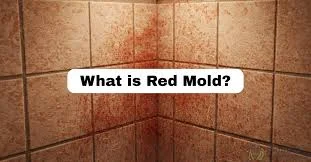
Red mold encompasses specific mold species, like Serratia marcescens or Fusarium, known for their distinctive reddish or pinkish hues. What is red mold? It’s a fungus that thrives in damp, warm environments, often indicating underlying issues like leaks or poor ventilation. What does red mold mean? It signals the need for prompt intervention to prevent health and structural damage, as noted by the EPA.
Understanding red mold is the first step to controlling it.
This mold grows on surfaces with organic material, such as wood, drywall, or fabrics, particularly in humid conditions. It can spread rapidly if moisture isn’t addressed, affecting air quality and health. Regular inspections and moisture control are essential to keep red mold at bay.
Moisture management prevents red mold from taking hold.
What Does Red Mold Look Like?
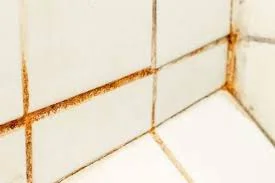
Curious about what does red mold look like? It typically appears as bright red, pink, or orange patches, often with a slimy or powdery texture, on surfaces like tiles, grout, or drywall. For a visual guide, check out What Does Mold Look Like? Photos and Videos of Mold to identify red mold accurately in your home.

Spotting red mold early enables quick action.
Its vibrant color makes red mold stand out, but it can blend into colorful surfaces like fabrics or wallpapers. Regular checks in damp areas can help detect it early. If you’re uncertain, professional testing can confirm its presence and guide remediation.
Early detection stops red mold from spreading further.
Where It Commonly Grows
Red mold flourishes in bathrooms, kitchens, basements, and areas with water damage, such as under sinks or near leaky pipes. It can also grow on organic materials like wood, paper, or clothing in poorly ventilated spaces. High humidity levels, often above 60%, create ideal conditions for red mold growth.
Routine inspections in damp areas catch red mold early.
Areas with standing water or frequent condensation, like shower stalls or laundry rooms, are particularly vulnerable. Red mold can also appear in hidden spots, such as inside HVAC systems or behind furniture. Keeping these areas dry and well-ventilated is critical to prevention.
Vigilance in moist spaces keeps red mold under control.
How Red Mold Spreads in Your Home
Red mold spreads through airborne spores that settle on moist surfaces, quickly colonizing new areas if conditions are favorable. Is red mold dangerous? Yes, its rapid spread through HVAC systems, carpets, or clothing makes it a persistent threat to indoor environments. Controlling humidity and fixing leaks promptly can halt its spread.
Red mold spreads silently, requiring proactive measures.
Once established, red mold can infiltrate hidden areas like ductwork, behind walls, or under flooring, making removal challenging. Poor ventilation exacerbates the problem, allowing spores to circulate freely. Regular maintenance and moisture control are vital to preventing widespread contamination.
Stopping red mold early prevents home-wide issues.
5 Dangers of Red Mold
Red mold poses multiple risks, from health concerns to property damage, making it a serious issue for homeowners. Is red mold dangerous? Absolutely, as it can impact your well-being, your family’s health, and your home’s structural integrity. Here are five critical dangers to understand.
Ignoring red mold leads to serious consequences.
1. Respiratory Irritation
Red mold can trigger respiratory issues, especially in those with asthma, allergies, or respiratory conditions. Is red mold harmful? Inhaling its spores may cause coughing, wheezing, throat irritation, or shortness of breath, particularly in sensitive individuals. Prolonged exposure can worsen these symptoms, affecting daily comfort and health.

Respiratory health is at risk with red mold exposure.
Symptoms to Watch Out For
Look for persistent sneezing, nasal congestion, or a scratchy throat, especially when indoors. These symptoms may intensify in rooms with poor ventilation or visible red mold growth. If symptoms persist, testing for red mold is a crucial next step to protect your health.
Don’t dismiss respiratory symptoms—they may indicate red mold.
2. Severe Allergic Reactions
Red mold can cause severe allergic reactions, including skin rashes, itchy eyes, hives, or, in rare cases, anaphylaxis. Red mold in food, such as contaminated grains, dairy, or leftovers, can trigger allergic responses if ingested, posing additional risks. Those with mold allergies or sensitivities should be particularly cautious.
Allergic reactions to red mold can disrupt daily life.
Allergic responses vary in severity, but prolonged exposure can lead to chronic discomfort or worsening symptoms. Avoiding contact with contaminated surfaces and maintaining good air quality can reduce risks. If you suspect red mold in food, discard it immediately to prevent health issues.
Swift action minimizes allergic risks from red mold.
3. Chronic Infections
Certain red mold species, like Fusarium, can cause chronic infections, particularly in immunocompromised individuals. These infections may affect the skin, nails, or, in severe cases, internal organs, requiring medical intervention. Early detection and removal of red mold are essential to prevent such complications.
Chronic infections from red mold demand urgent attention.
Children, the elderly, and those with weakened immune systems are at higher risk for fungal infections caused by red mold. Professional testing can identify the mold type and guide appropriate treatment. For expert assistance, reach out to Teton Environmental.
Professional care is crucial for red mold infections.
4. Structural Damage and Wood Rot
Red mold can damage wooden structures, such as ceiling beams, flooring, or furniture, leading to wood rot and compromised structural integrity. Red mold on ceilings is particularly concerning, as it can weaken load-bearing components over time. Regular inspections and moisture control are vital to prevent costly repairs.
Red mold on ceilings signals potential structural risks.
Signs Your Home’s Structure is at Risk
Look for discoloration, soft or crumbling wood, or musty odors, which indicate mold-related damage. Red mold ceiling growth often stems from roof leaks, poor insulation, or high humidity. Addressing these issues promptly can save your home from extensive damage.
Act quickly to protect your home’s framework from red mold.
5. Contaminated Indoor Air Quality
Red mold in bathrooms can significantly degrade indoor air quality by releasing spores into the air. This can lead to persistent musty odors, respiratory issues, and reduced home comfort. Improving ventilation and regularly cleaning damp areas are key to maintaining clean air.
Poor air quality from red mold affects your home’s safety.
Bathroom fans, dehumidifiers, and regular cleaning can reduce the risk of red mold growth and spore dispersal. Left unchecked, red mold in bathrooms can spread to other areas via air currents. Monitoring air quality and addressing mold promptly ensures a healthier living environment.
Clean air starts with controlling red mold growth.
How to Properly Identify Red Mold
Identifying red mold involves inspecting damp areas for its characteristic red, pink, or orange hues. Check bathrooms, kitchens, basements, and areas with water damage for signs of growth. Using a flashlight can help reveal red mold in dimly lit or hidden spaces.
Accurate identification is critical for effective red mold removal.
Red mold can sometimes be mistaken for rust or dirt, so thorough inspection is essential. If you’re unsure, professional testing can confirm its presence and type. Accurate identification ensures you take the right steps to address the problem effectively.
Don’t guess—confirm red mold with careful inspection.
DIY Red Mold Testing – When and How
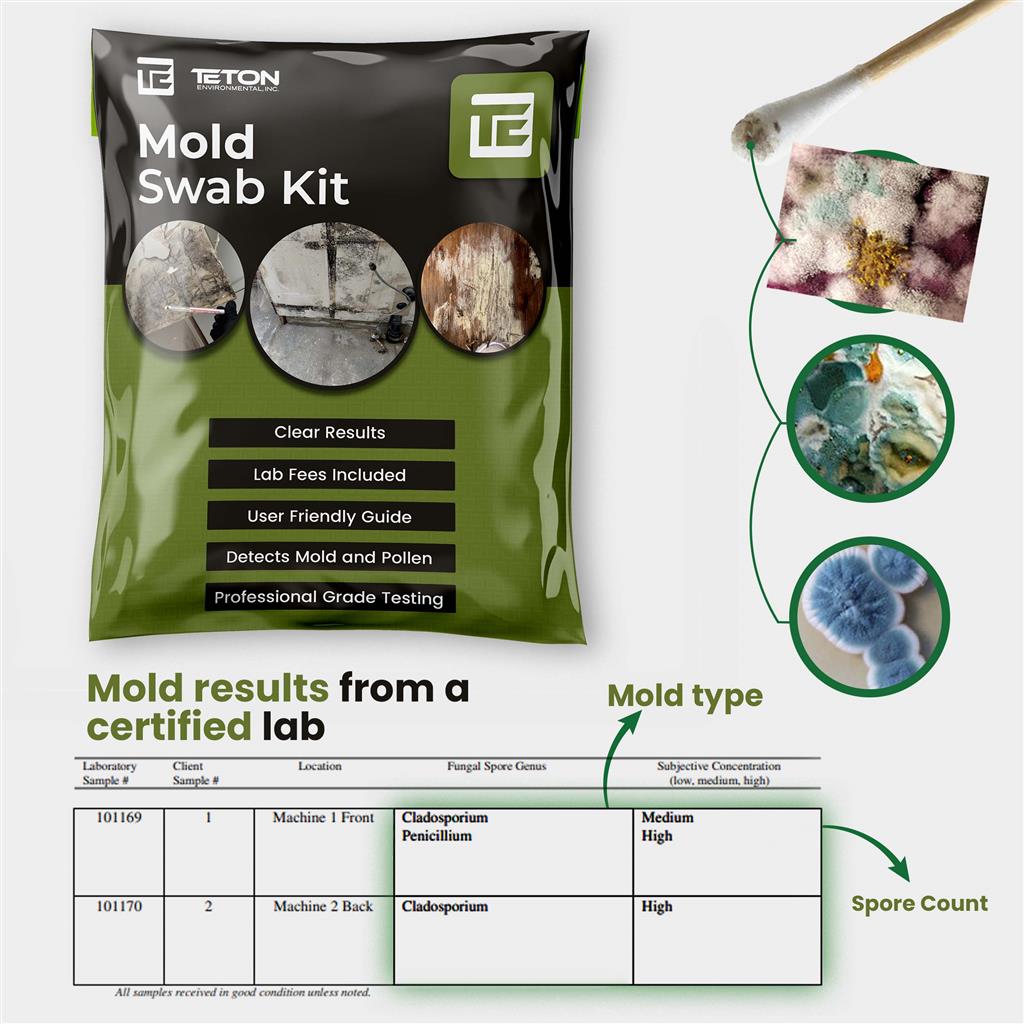
For homeowners concerned about red mold, DIY testing can be a practical first step. A home mold test kit allows you to collect samples from suspected areas and send them for lab analysis. Follow the kit’s instructions carefully to ensure accurate results.
 Price range: $49.95 through $109.95
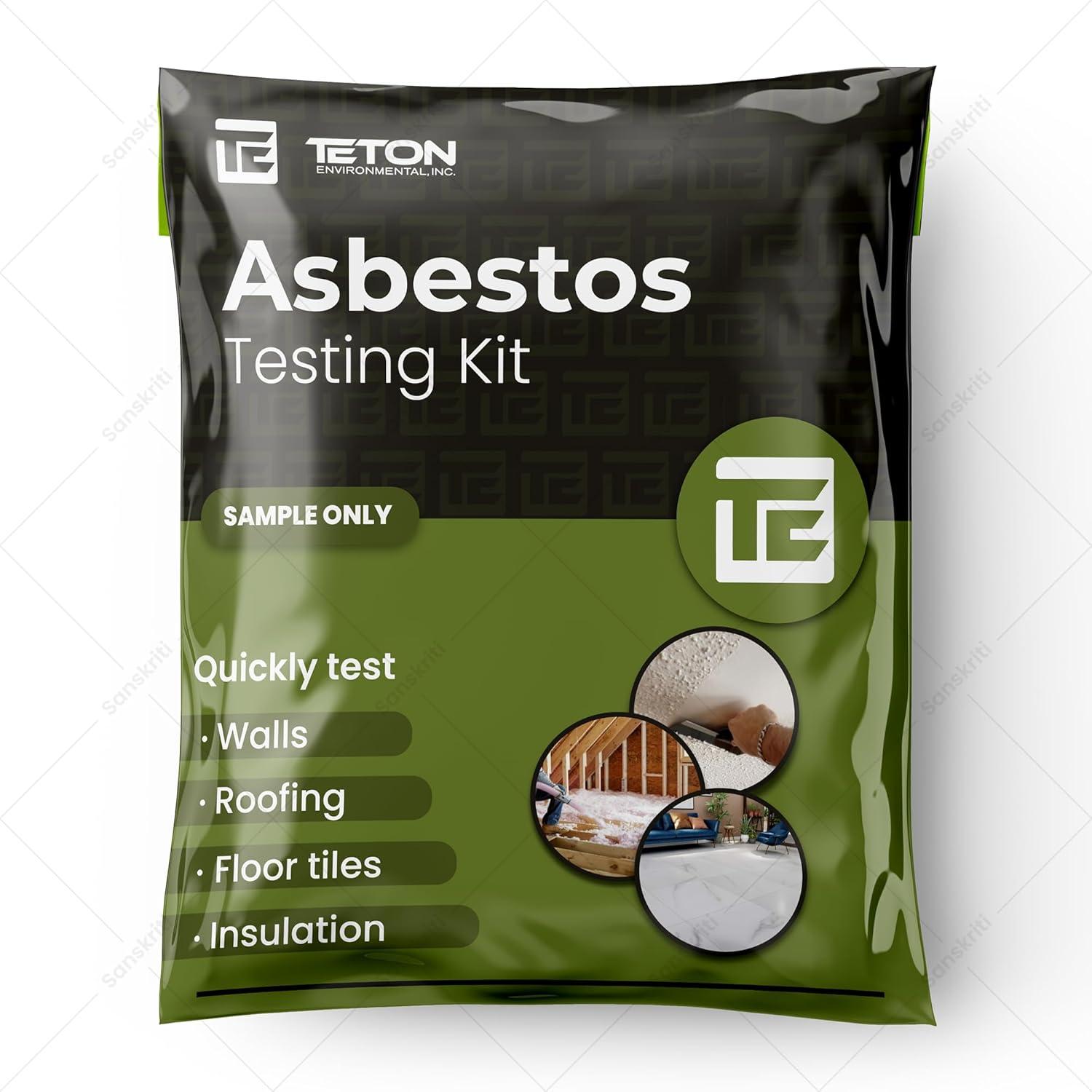
Asbestos Test Kit – Fast, Accurate & EPA-Approved Lab Analysis, Easy-to-Use Sampling, Results in 5-7 Days,
- Price range: $54.95 through $124.95
Mold Test Kit – Lab Fees Included, 1 Swab can Detect 20+ Mold Types & Pollen, Easy-to-Use Guide, Professional-Grade Testing
DIY testing empowers you to detect red mold early.
Testing kits are useful for identifying red mold in hard-to-reach areas, like inside walls or HVAC systems. However, DIY testing has limitations and may not detect low-level infestations. If results are inconclusive, professional testing is recommended for a comprehensive assessment.
DIY testing is a starting point, but professionals provide certainty.
When to Call a Professional Mold Testing Service
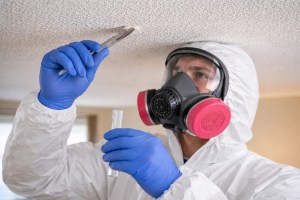
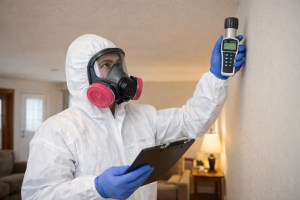
If red mold growth is extensive or you suspect hidden contamination, professional testing is the best option. Mold inspection and testing services use advanced tools to detect mold in inaccessible areas and identify its type. Professionals can also recommend effective remediation strategies tailored to your home.
Professional testing ensures no red mold goes undetected.
Experts can assess the extent of red mold and determine whether it poses significant health or structural risks. They also provide guidance on preventing future growth. For severe cases, professional intervention is essential for safe and thorough removal.
Trust experts to handle complex red mold issues.
Essential Prevention Tips for Homeowners
Preventing red mold requires proactive measures to control moisture and maintain good ventilation. Regularly inspect and clean areas prone to dampness, such as bathrooms, laundry rooms, or basements. Red mold on clothes, often caused by damp storage, can be prevented by ensuring fabrics stay dry and well-ventilated.
Prevention is easier than dealing with red mold outbreaks.
Use dehumidifiers to keep indoor humidity below 50%, and fix leaks promptly to eliminate moisture sources. Regularly wash and dry clothes, especially in humid climates, to prevent red mold on clothes. Routine maintenance of plumbing and HVAC systems reduces mold risks.
Stay proactive to keep red mold out of your home.
The Role of Air Purifiers in Mold Prevention
Air purifiers with HEPA filters can reduce red mold spores in the air, improving indoor air quality. Is red mold harmful? Yes, and air purifiers can mitigate its impact by capturing airborne spores before they settle and grow. Place purifiers in high-risk areas like bathrooms or basements for maximum effectiveness.
Air purifiers are a powerful tool against red mold spores.
While air purifiers don’t eliminate existing mold, they complement other prevention strategies by reducing spore circulation. Regular filter replacement ensures optimal performance. Combining purifiers with moisture control creates a robust defense against red mold.
Clean air supports a mold-free home environment.
How to Maintain a Mold-Free Home
Maintaining a mold-free home requires consistent effort and attention to moisture-prone areas. Schedule regular HVAC maintenance, clean bathrooms thoroughly, and ensure proper ventilation throughout your home. For comprehensive environmental testing, visit Environmental Testing Services to ensure your home stays mold-free.
A mold-free home starts with routine care.
Monitor indoor humidity levels with a hygrometer and address any spikes immediately. Regularly inspect ceilings, walls, and hidden areas for signs of red mold. Staying proactive with cleaning and maintenance prevents mold from gaining a foothold.
Consistency is key to a healthy, mold-free home.
Red Mold Myths vs. Facts
Many myths surround red mold, such as the belief that it’s always harmless or only grows in bathrooms. In reality, red mold can grow on various surfaces and pose significant health risks. Understanding the facts helps you make informed decisions about prevention and remediation.
Separating myths from facts ensures effective red mold management.
Another myth is that red mold can be easily cleaned with bleach. While bleach may kill surface mold, it doesn’t address spores or underlying moisture issues. Professional remediation and proper prevention strategies are often necessary for lasting results.
Accurate information guides better red mold solutions.
Protect Your Health and Home with Teton Environmental
Red mold, often referred to as red colored mold, is a serious concern that requires prompt action. What’s red mold? It’s a persistent fungus that can harm your health and home if not addressed properly. Contact Teton Environmental for expert testing and remediation services to eliminate red mold and restore your home’s safety.
Trust Teton Environmental to keep your home red mold-free.
Our team uses advanced techniques to detect and remove red mold, ensuring your family’s health and your home’s integrity. Whether you need a one-time inspection or ongoing support, we’re here to help. Don’t let red mold compromise your living environment—reach out today.
Expert help is just a call away.