Lead exposure in homes poses a significant health risk, particularly for young children and pregnant women, who are most vulnerable to its toxic effects. Taking proactive steps to protect your family from lead in your home starts with understanding where lead may be present and how to address it. A lead home inspection can identify potential sources, ensuring your home is a safe environment for everyone.
Early detection is key to safeguarding your loved ones.
What is Lead?
Lead is a naturally occurring metal historically used in household products like paint, pipes, and plumbing fixtures, especially in homes built before 1978. It can be found in dust, soil, water, and older building materials, posing risks when ingested or inhaled. Learn more about common sources at Lead in Homes.
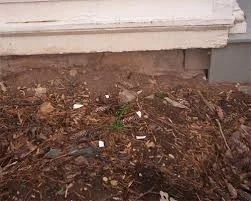
Lead lurks in unexpected places in older homes.
Why is Lead Bad?
Lead is harmful because it accumulates in the body over time, damaging organs and systems, especially in children under six. Signs of lead paint in homes, such as peeling or chipping paint, can indicate potential exposure risks. The CDC’s page on lead exposure symptoms provides detailed insights into its dangers.

Lead exposure can cause irreversible health damage.
Symptoms of Lead Exposure
Lead enters the body through ingestion or inhalation, often from contaminated dust, water, or food, and can affect nearly every organ system. Children may experience developmental delays, while adults might face neurological or reproductive issues. To protect your family from lead in your home, be aware of these symptoms:
- Fatigue or irritability
- Loss of appetite or weight loss
- Developmental delays in children
- Memory or concentration problems
- Abdominal pain or nausea
- Seizures in severe cases
Visit water lead testing for more on testing water sources.
Recognizing symptoms early can prompt timely action.
What To Do To Protect Your Family from Lead in Your Home
Protecting your family from lead in your home requires a combination of awareness, prevention, and professional intervention. Start by identifying potential lead sources and adopting safe practices to minimize exposure. Regular monitoring and maintenance are essential to keep your home lead-free.
Proactive steps reduce lead-related risks significantly.
1. Get Your Home Tested for Lead
A lead paint home inspection is critical for homes built before 1978, as lead-based paint was common in that era. Professional inspectors use specialized tools to detect lead in paint, dust, and soil. Schedule a lead inspection and testing to ensure your home is safe.
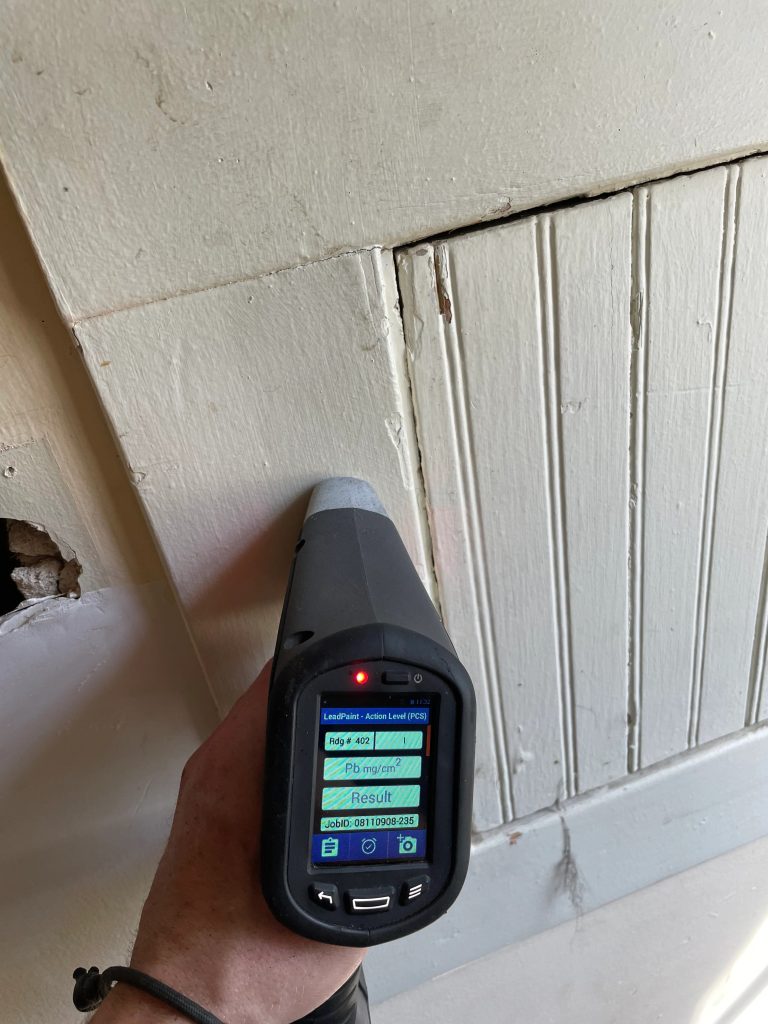
Testing confirms whether lead is a threat in your home.
2. Test Children for Lead Exposure
Children are especially vulnerable to lead’s toxic effects, which can impair cognitive development. Regular blood tests can detect lead levels early, allowing for prompt intervention. Protect your family from lead in the home by consulting a pediatrician about routine screenings.

Early testing can prevent long-term harm to children.
3. Avoid DIY Lead Paint Removal
Signs of lead paint, such as flaking or chalking surfaces, may tempt homeowners to remove it themselves, but this can release dangerous lead dust. A lead-based paint home inspection by professionals ensures safe handling and disposal. Learn more about safe practices at lead-based paint test.
DIY removal can worsen lead exposure risks.
4. Clean Surfaces Regularly
Lead dust from deteriorating paint or soil can settle on floors, windowsills, and furniture, posing an ingestion risk. Regular cleaning with wet mops or HEPA vacuums can reduce dust accumulation. Protect your family from lead in your home by maintaining a consistent cleaning routine.
Clean surfaces keep lead dust at bay.
5. Practice Safe Renovation Habits
Renovations in older homes can disturb lead-containing materials, releasing harmful particles. A lead home inspection before renovations can identify risks and guide safe practices. Check out home inspection before renovation for expert advice on safe remodeling.
Safe renovations prevent accidental lead exposure.
6. Take Preventative Steps with Kids
Children often put their hands or objects in their mouths, increasing the risk of lead ingestion from contaminated surfaces. Encourage frequent handwashing and ensure play areas are free of dust or peeling paint. Protect your family from lead in your home by supervising kids in older homes closely.
Vigilance with children minimizes lead risks.
Protect Your Home With Expert Lead Testing Services
Ensuring your home is free from lead hazards requires professional expertise and thorough testing. Contact Teton Environmental to schedule a comprehensive evaluation. For trusted services, visit Environmental Testing Services to protect your family from lead in your home.
Expert testing provides peace of mind for your family.