Orange mold health risks are a growing concern for homeowners, as this vibrant fungus can pose serious threats to indoor air quality and well-being. Often found in damp, poorly ventilated spaces, orange mold can trigger a range of symptoms, from mild allergies to severe toxic reactions. Addressing this issue promptly with professional mold inspection and testing is crucial to safeguarding your family, as outlined by the EPA’s guidelines on mold. Understanding whether is orange mold dangerous requires recognizing its potential to disrupt health and the environments where it thrives.
Ignoring orange mold health risks can silently escalate into chronic health issues.
What is Orange Mold?
Orange mold is a type of fungus that thrives in moist, humid environments, often appearing as bright, powdery patches on surfaces like wood, drywall, or bathroom tiles. It’s commonly mistaken for other molds due to its vivid hue, but its presence raises the question: is orange mold dangerous to humans? Learning how to inspect for mold in your home can help you identify this mold early and take action before it spreads.
Early detection of orange mold is key to preventing health complications.
What Causes Orange Mold?
Orange mold flourishes in areas with excess moisture, poor ventilation, and organic material to feed on, such as wood or drywall. Common culprits include leaking pipes, high humidity, or neglected bathroom surfaces, which create ideal conditions for growth. Addressing what causes orange mold involves controlling moisture and ensuring proper airflow in vulnerable spaces.

Moisture control is the first step to stopping orange mold in its tracks.
5 Orange Mold Health Risks You Need to Know
Orange mold health risks extend beyond mere aesthetics, posing significant dangers to your household, particularly in areas like bathrooms. Bathroom orange mold health risks are especially concerning due to constant exposure in enclosed spaces. Below are five critical health threats associated with orange mold exposure that every homeowner should understand.
These risks highlight why orange mold should never be ignored.
Danger #1 – Respiratory Problems from Orange Mold Exposure
Inhaling spores from orange mold in shower areas can irritate the lungs, leading to coughing, wheezing, or shortness of breath. Prolonged exposure may exacerbate conditions like asthma, particularly in children or the elderly. Bathrooms, with their high humidity, are prime breeding grounds, making regular cleaning and ventilation essential.
Respiratory issues from orange mold can worsen without prompt intervention.
Danger #2 – Toxic Mold Syndrome (Mycotoxicosis)
Orange mold can produce mycotoxins, harmful compounds that may cause mold toxicity symptoms in kids, such as fatigue, headaches, or neurological issues. These toxins are particularly dangerous in enclosed spaces where air circulation is limited. Children are more vulnerable due to their developing immune systems, making early detection critical.

Toxic mold syndrome can have long-term effects on young children.
Danger #3 – Allergies Triggered by Orange Colored Mold Indoors
Orange colored mold can trigger allergic reactions, including sneezing, itchy eyes, or skin rashes, especially in sensitive individuals. These symptoms may intensify if mold is hidden, such as behind walls, as outlined in signs of mold behind drywall. Regular inspections can help uncover hidden mold before allergies become severe.
Allergies from orange mold can disrupt daily life if left unchecked.
Danger #4 – Infections in Immunocompromised Individuals
For those with weakened immune systems, orange mold on wood or other surfaces can lead to serious infections, such as fungal sinusitis or skin infections. Hospitals and homes with vulnerable residents must be vigilant, as even small patches of mold can pose risks. Professional remediation is often necessary to eliminate this threat.
Immunocompromised individuals face heightened risks from orange mold exposure.
Danger #5 – Worsening of Preexisting Conditions
Orange mold in bathroom environments can aggravate preexisting health issues, such as chronic respiratory diseases or autoimmune disorders. The constant presence of mold spores in the air can lead to persistent symptoms, reducing quality of life. Addressing orange mold health risks promptly can prevent these conditions from worsening.
Preexisting conditions can spiral with ongoing mold exposure.
Where Orange Mold Grows and Hides
Orange mold thrives in damp, poorly lit areas, making bathrooms a common hotspot for bathroom orange mold health risks. Orange mold in bathroom tiles, grout, or behind fixtures often goes unnoticed until it spreads, releasing spores that impact air quality. Learning how to identify orange mold involves checking for slimy or powdery patches in humid areas like basements, attics, or kitchens.
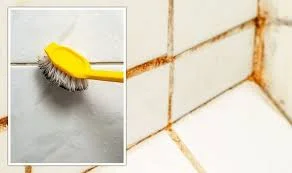
Hidden orange mold can silently compromise your home’s safety.
Simple Steps to Prevent Orange Mold at Home
Preventing orange mold requires proactive measures to control moisture and maintain clean surfaces. Regularly inspect areas prone to orange mold on wood, such as window sills or furniture, and use dehumidifiers in humid climates. Following 9 tips to prevent mold in bathroom can significantly reduce the risk of mold growth.
Consistent prevention efforts keep orange mold at bay.
How to Protect Your Family From Orange Mold Health Risks
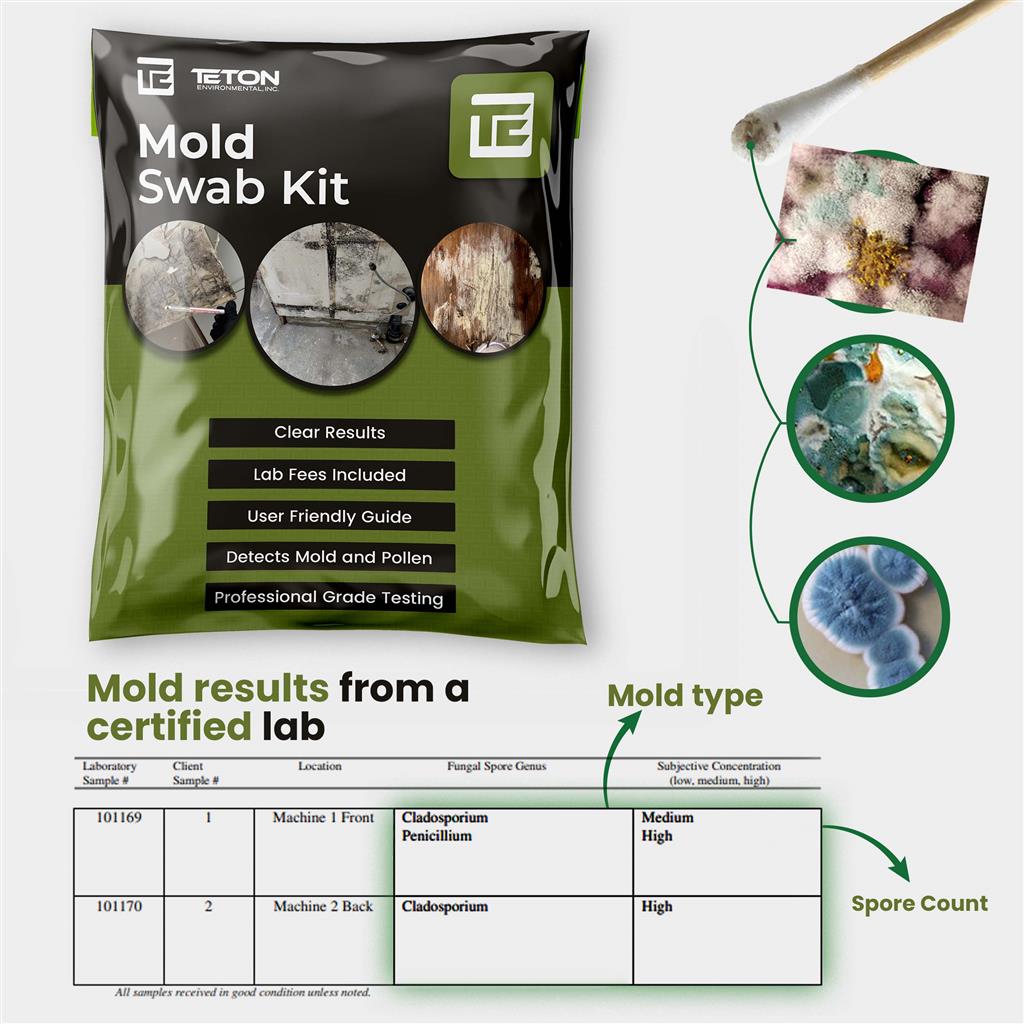
Protecting your family from orange mold in shower and other areas starts with regular monitoring and maintenance. Consider using a home mold test kit to detect mold early, especially in high-risk areas like bathrooms. For professional assistance, a Denver mold inspection can provide peace of mind and thorough remediation.
Proactive testing is your first defense against orange mold health risks.
What to Do If You’re Feeling Mold Exposure Symptoms
If you suspect can mold behind walls make you sick, symptoms like persistent coughing, fatigue, or skin irritation may indicate exposure. Ventilate the affected area, avoid direct contact with mold, and seek medical advice if symptoms persist. Professional inspection can confirm whether orange mold is the cause and guide safe removal.
Addressing symptoms quickly can prevent long-term health issues.
Get Trusted Mold Inspection and Testing
Teton Environmental offers expert solutions to tackle orange mold health risks and ensure your home is safe. With comprehensive mold inspection and testing, we identify hidden mold and provide tailored advice, addressing concerns like is orange mold dangerous to humans or mold toxicity symptoms in kids. Contact Teton Environmental or visit our Environmental Testing Services to schedule an inspection today.
Trust Teton Environmental to protect your family from orange mold dangers.