Mold can silently grow in homes, posing serious health risks, especially to children with developing immune systems. Recognizing mold toxicity symptoms in kids is critical for parents to ensure timely intervention and protect their children’s health. By understanding the symptoms of mold toxicity in children and taking action, as advised by experts like Teton Environmental, you can mitigate the dangers outlined in resources like the EPA’s guide on mold and health.
What is Mold Toxicity?
Mold toxicity occurs when exposure to mold spores causes adverse health effects, particularly in sensitive individuals like children. Symptoms of mold in air ducts can contribute to toxicity, as mold spores circulate through HVAC systems, spreading throughout the home. Learning how to find hidden mold is essential, as it often lurks in damp, poorly ventilated areas, causing persistent health issues if undetected, as noted in resources on mold health risks.
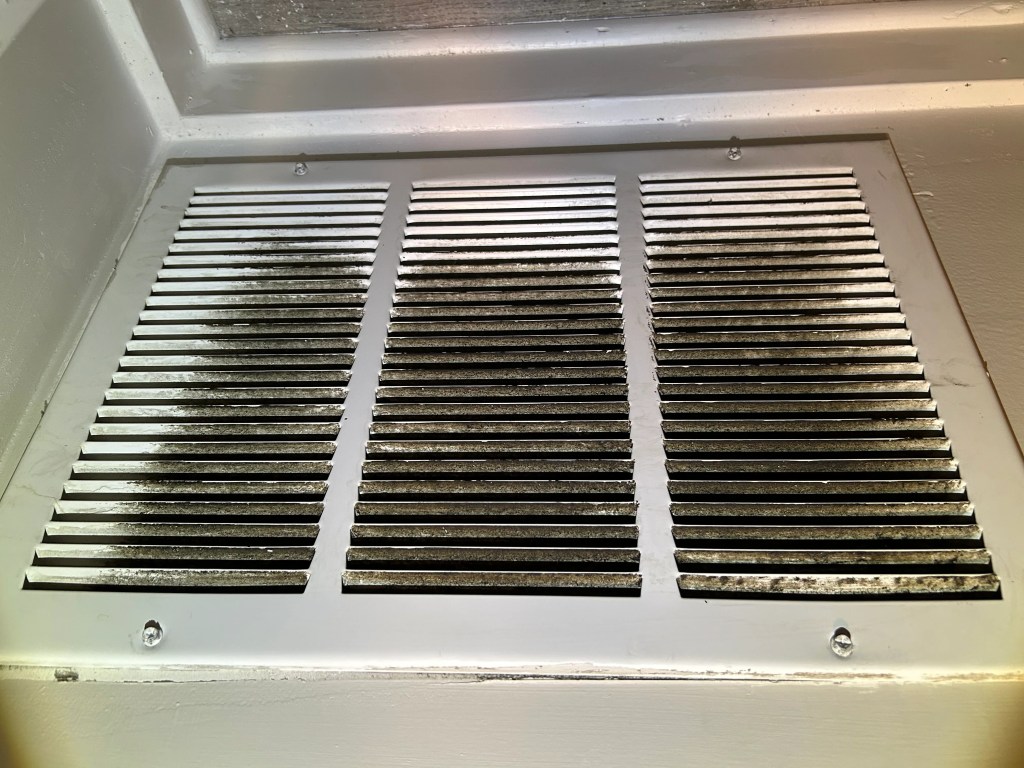
Mold releases microscopic spores that can become airborne, triggering allergic reactions or respiratory problems. Children are particularly vulnerable due to their smaller airways and developing bodies. Early detection and removal are key to preventing long-term health complications.
Mold toxicity can silently affect your child’s health.
Why Mold is a Concern for Children
Children’s immune systems are less equipped to handle mold exposure, making them more susceptible to its effects. Symptoms of mold exposure in toddlers may include persistent respiratory issues or allergic reactions that worsen over time. Long term symptoms of mold exposure can lead to chronic conditions like asthma, emphasizing the need for professional mold inspection and testing.
Mold spores can trigger inflammation in the airways, leading to discomfort and health complications. Toddlers and young children may not communicate symptoms effectively, making parental vigilance crucial. Regular home checks can help identify and eliminate mold before it impacts your child’s health.
Children are especially vulnerable to mold’s harmful effects.
7 Mold Toxicity Symptoms in Kids to Watch Out For
Being aware of the symptoms of mold toxicity in children can help parents act quickly to protect their kids. Below are seven key warning signs that may indicate mold exposure in your home. Monitoring these symptoms can guide you in seeking professional help to address potential mold issues.
Persistent Cough or Wheezing
A chronic cough or wheezing that doesn’t resolve with typical treatments may signal mold exposure. Symptoms of mold exposure in infants often include respiratory distress, as their delicate lungs react to mold spores. If your child’s cough persists, consider checking for mold in your home.

A lingering cough could indicate mold in your environment.
Shortness of Breath
Difficulty breathing or shortness of breath in children can be a serious sign of mold exposure. Mold exposure symptoms in infants may manifest as labored breathing, especially in humid or poorly ventilated areas. Immediate attention to this symptom is critical to prevent further respiratory issues.
Breathing difficulties require urgent investigation for mold.
Nasal Congestion and Runny Nose
Persistent nasal congestion or a runny nose, especially without a cold, may point to mold exposure. Symptoms of mold in sinuses can mimic allergies, causing discomfort in children. Symptoms of mold exposure in infants often include these nasal issues, which should prompt a home inspection.
Chronic nasal symptoms may be linked to hidden mold.
Itchy, Watery, or Red Eyes
Mold spores can irritate the eyes, leading to itchiness, redness, or excessive tearing. Symptoms of mold in sinuses often accompany eye irritation, as spores affect the entire respiratory system. If your child’s eyes are consistently irritated, mold could be the culprit.
Eye irritation is a common sign of mold exposure.
Skin Irritation or Rashes
Unexplained rashes or skin irritation can result from mold exposure, particularly in sensitive individuals. Mold exposure symptoms in infants may include red, itchy patches on the skin that don’t respond to typical treatments. Checking for mold in your home can help resolve these symptoms.

Skin rashes may signal mold in your child’s environment.
Fatigue or Weakness
Unusual tiredness or lethargy in children can be linked to mold exposure. Symptoms of mold in air ducts can contribute to fatigue, as poor air quality affects overall health. If your child seems persistently tired, consider testing for mold in your home.
Ongoing fatigue could be a hidden effect of mold.
Neurological Symptoms
In severe cases, mold exposure can cause neurological issues like difficulty concentrating or headaches. These symptoms are less common but serious, particularly in prolonged exposure scenarios. Addressing mold promptly can prevent these effects from worsening.
When to See a Doctor
If your child exhibits symptoms of mold exposure in toddlers or long term symptoms of mold exposure, consult a healthcare professional immediately. Persistent or worsening symptoms may indicate significant mold exposure requiring medical attention. A doctor can help determine if mold is the underlying cause and recommend next steps.
Seek medical advice for persistent or severe symptoms.
What Causes Mold to Grow in Homes?
Mold thrives in damp, warm, and poorly ventilated environments, such as basements, bathrooms, or areas with leaks. How to find hidden mold in your house involves checking areas like behind walls, under carpets, or in HVAC systems where moisture accumulates. How to find hidden mold also requires vigilance for signs like musty odors or water stains.
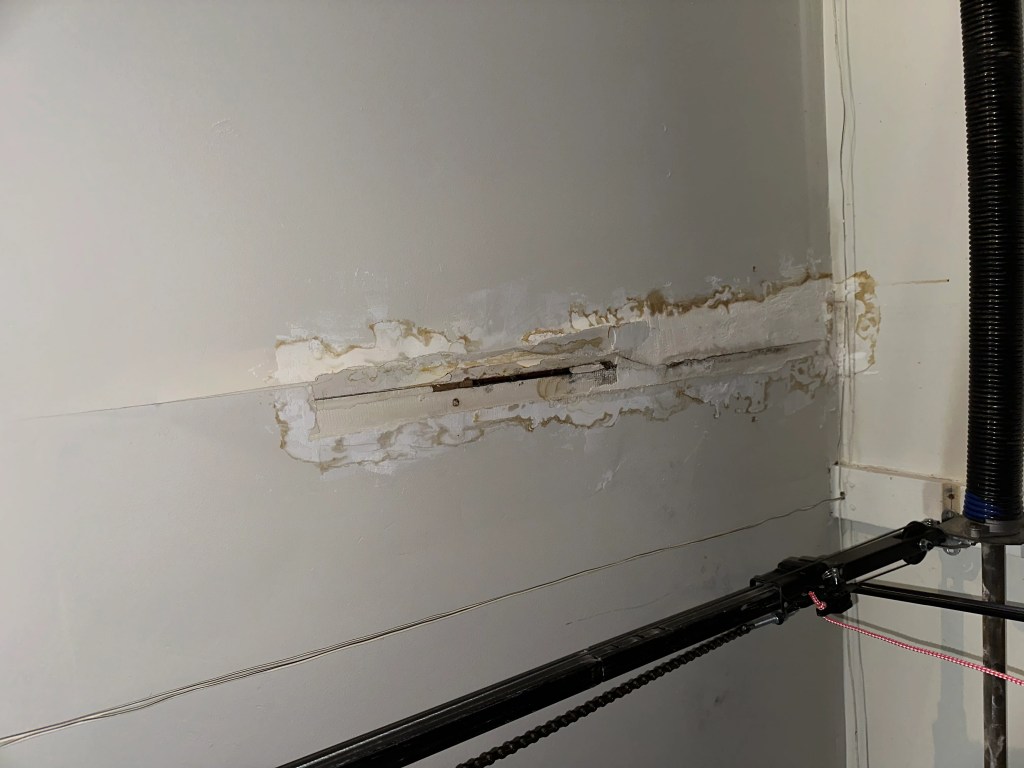
Poor drainage, high humidity, or unaddressed leaks are common culprits of mold growth. Regular home maintenance, such as fixing leaks and improving ventilation, can prevent mold from taking hold. Staying proactive reduces the risk of mold-related health issues for your family.
Moisture control is key to preventing mold growth.
Protecting Your Family – Test for Mold with Teton Environmental
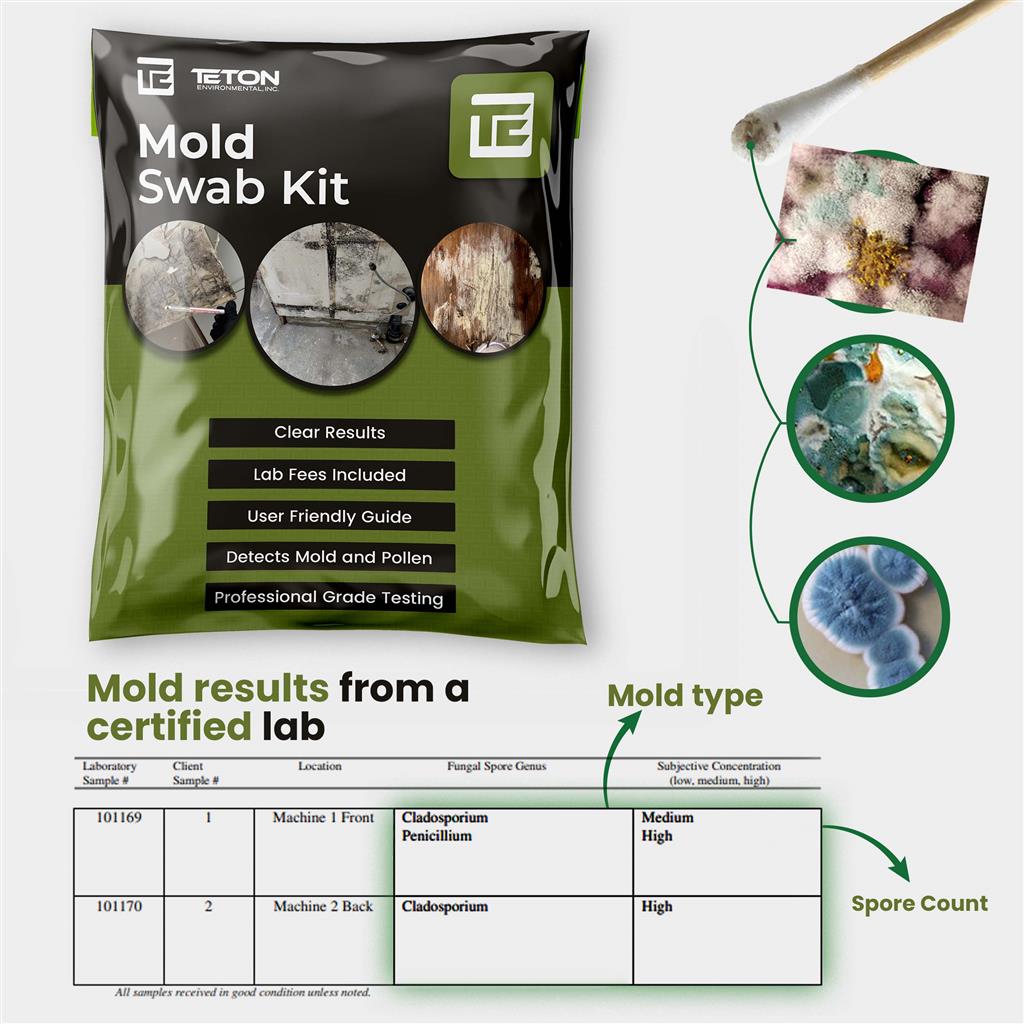
Professional testing is the most reliable way to detect and address mold in your home. How to find hidden mold in your house starts with tools like a home mold test kit or expert services from Teton Environmental. Their team at Environmental Testing Services can identify mold and guide remediation efforts.
Testing involves sampling air and surfaces to detect mold spores and determine their concentration. Early detection allows for targeted removal, protecting your children from health risks. Partnering with professionals ensures a thorough and effective approach to mold prevention.
Professional testing safeguards your family from mold dangers.
By recognizing these warning signs and taking proactive steps, you can protect your children from the harmful effects of mold exposure. Regular home inspections, moisture control, and professional testing with Teton Environmental can keep your home safe. Stay vigilant to ensure a healthy environment for your family.