Have you ever stepped into your home and caught a whiff of something odd that just lingers? That mold smell in house could be a warning sign of trouble brewing, like damp spots where mold grows fast and sneaky. Learning how to get rid of mold smell in house and how to eliminate mold smell matters a lot—it can mess with your breathing, set off allergies, or even weaken your home’s walls if you let it slide, as explained in this Forbes article.
Mold loves wet places—it’s like a party spot for it. When it grows, it releases tiny bits called spores that float around in the air. Those spores can make you sneeze, cough, or feel itchy, especially if you’re sensitive, so spotting that mold smell in house early is key to kicking it out.
Let’s break it down and figure out what’s going on with that funky smell. You don’t want it sticking around, right? The sooner you catch it, the easier it is to handle.
Mold Smell in House 101: What You Need to Know First
A mold smell in house is usually a big hint that there’s water hiding somewhere, like a slow leak or a soggy corner. It’s not just about the bad odor—mold can grow in secret spots and cause problems over time if you don’t stop it. The folks at Teton Environmental know this well—they’ve seen how acting fast can save you from bigger headaches down the road.
Mold needs water to thrive, so any damp area in your home is a danger zone. Think about a dripping pipe under the sink or a window that lets rain sneak in. Understanding this helps you track down that mold smell in house and shut it down before it spreads.

It’s like a treasure hunt, but instead of gold, you’re finding wet spots. Once you know where to look, you’re halfway to fixing it. Let’s keep going and see what else you need to know.
Knowing the basics helps you act fast.
These 6 Scents Can Signal Trouble
A mold smell in house doesn’t always smell the same—it can come in all sorts of weird ways. Each one is like a little alarm telling you where mold might be hiding out in damp places. We’ve pulled these six smells from real experiences and tips, like those on the Teton Environmental blog, to help you spot trouble early.
Your nose is your best buddy for finding mold smell in house. These odors can show up anywhere water hangs out, so get ready to sniff around. Here’s the list, step by step, so you know what to watch for.
1. Musty and Damp Smell
A mold smell in house often hits you like walking into a wet basement or cracking open a box that’s been damp for ages. It’s thick, earthy, and hangs out in spots like bathrooms or laundry rooms where water doesn’t dry fast. If you smell this, it’s a loud clue to check for leaks or places where air doesn’t move well.
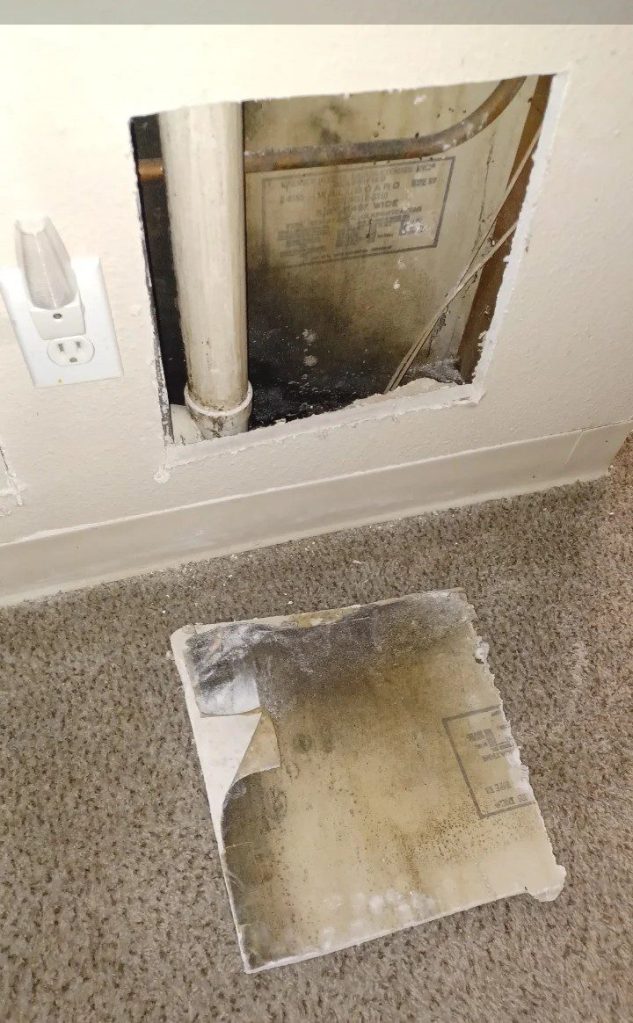
This one’s a classic, according to Envirovent. It’s like the smell of a rainy day that never went away. Start poking around those wet zones pronto.
This classic mold clue is hard to miss.
2. Sweet and Rotten Smell
Sometimes a mold smell in house comes off sweet, like old fruit that’s rotting or trash that’s been sitting too long with sugary stuff. You might catch it near the kitchen or by the garbage can where food scraps get wet. It’s a sign mold’s munching on something natural, so take a peek in those areas quick.
Folks on Reddit tracked this smell to moldy apples in their bins. It’s sneaky but hits hard when you notice it. Look under sinks or in trash corners to nab it.
Rotten sweetness means trouble’s brewing.
3. Sharp and Sour Smell
Have you ever smelled something sharp, like vinegar or milk that’s gone bad, just hanging in the air? That mold smell in house can pop up in closets or storage rooms where damp things pile up. It’s a tangy alert that mold might be chewing on clothes or cardboard.
This smell isn’t as common, but it’s a big deal when it shows up. It’s like a sour slap to your senses. Dig into those hidden, damp spots to see what’s up.
Sour smells scream “check me out!”
4. Cat Pee or Ammonia-Like Smell
A mold smell in house can fool you into thinking a cat’s been marking territory, even if you’re pet-free—it’s got that strong, ammonia kick. You’ll find it a lot in bathrooms or basements where the air’s thick with moisture. Don’t point fingers at Fluffy; it’s probably mold tucked into wet nooks.
It’s an oddball scent, but Panasonic says it’s a mold giveaway. Sniff around tiles, drywall, or damp rugs. You might be shocked at what you find.
Cat pee scent without a cat? Look closer.
5. Dirty Laundry or Locker Room Smell
Picture the stench of sweaty gym socks or a stack of wet towels—that’s another mold smell in house to keep an eye on. It loves basements or garages where things stay soggy too long. If your nose picks up this vibe, mold could be growing on fabric or walls close by.
This one’s nasty but familiar to a lot of folks. It’s a nudge to check damp piles or dark corners. Mold thrives in that locker room feel, so don’t ignore it.
Locker room vibes mean mold’s near.
6. Old Wood or Wet Newspaper Smell
A mold smell in house might bring to mind wet newspapers or old, soggy wood, especially up in attics or down in crawlspaces. It’s a stale, musty whiff that suggests mold’s breaking down wood or paper over time. Sniff those woody spots to catch it before it gets worse.
Older homes see this one a bunch—it can hurt beams or boxes slowly. It’s a quiet destroyer. Check high up or low down where wood meets water.
Wet wood smells spell mold danger.
Where Moisture Hides and Mold Grows Fast
Mold smell in house sets up camp in damp, shadowy places like behind walls, under floors, or deep in basements. Leaks from pipes, roofs, or even small spills can turn into mold party zones fast—sometimes in just a day or two—according to Signs of Mold Behind Drywall: 7 Hidden Clues You Must Know. Keeping these areas dry is your best shot at stopping that mold smell in house from taking over.
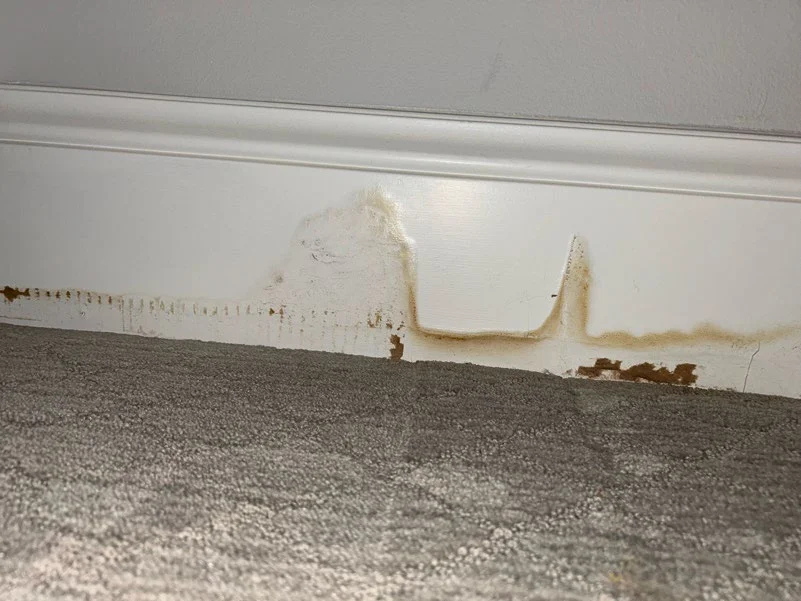
Bathrooms with steamy showers, kitchens with sink drips, and laundry rooms with wet clothes are mold’s favorite hangouts. Even a tiny bit of water left sitting can invite it in. You’ve got to play detective and find those wet hiding spots.
Think about all the places water might sneak into your home. A roof that leaks during rain or a basement that floods a little can be trouble. Staying on top of this keeps mold smell in house from getting comfy.
Hidden water means hidden mold.
How to Properly Test Your House for Mold
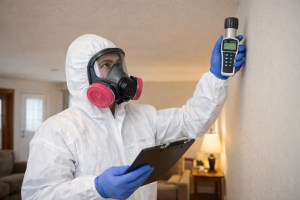
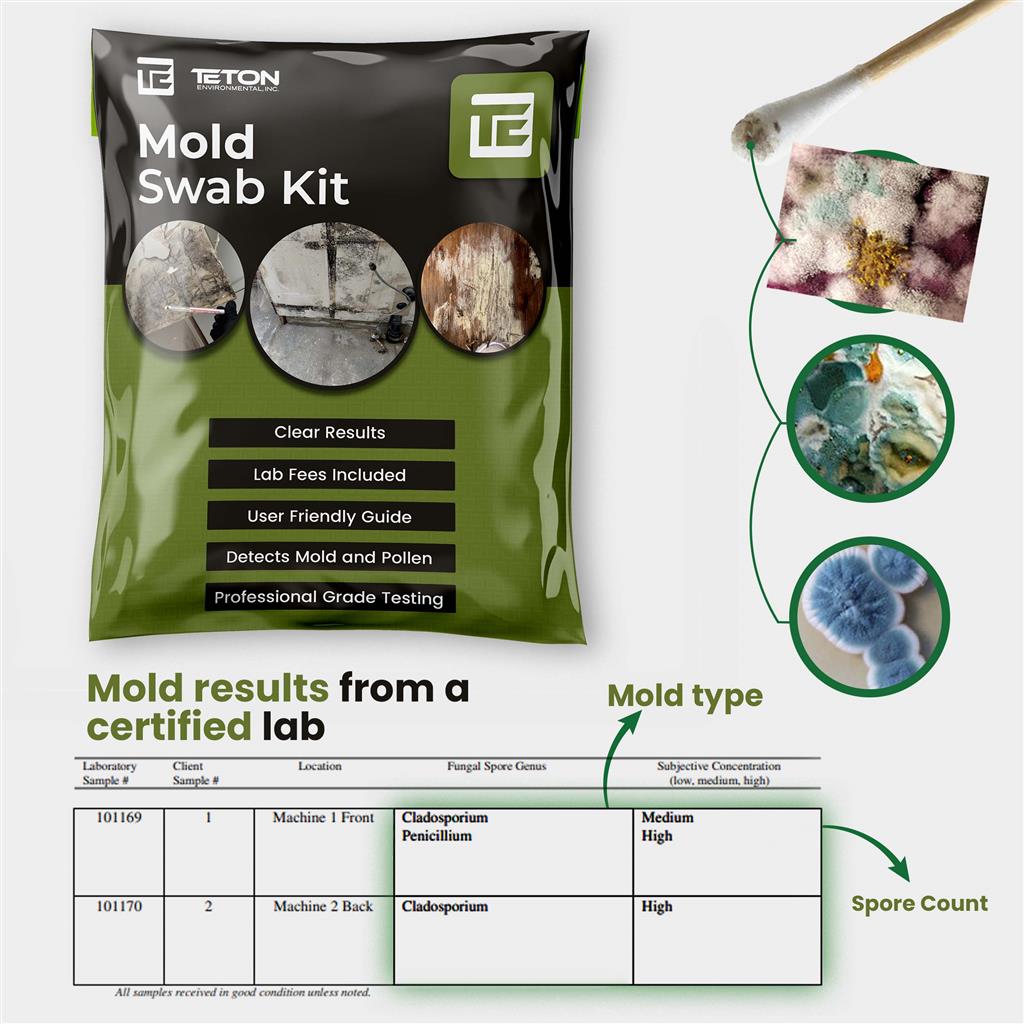
Not sure if that mold smell in house is the real deal? You can pick up a Mold Test Kit and test it yourself—it’s simple and shows if mold’s lurking around. If you want the full scoop, the pros at Mold Inspection and Testing can dig into those hard-to-reach spots and tell you exactly what’s going on.
Testing’s a smart move because mold’s a master at hiding. A kit’s quick and won’t break the bank, but experts bring the big guns with their tools. Either way, you’ll know for sure if that mold smell in house is something to worry about.
You don’t want to guess and miss it—mold can be sneaky. A test kit might catch what your eyes can’t see. Pros can even check the air to make sure it’s safe.
Testing beats guessing every time.
How to Get Rid of Mold Smell in Your House the Right Way
When you’ve got a mold smell in house, you need to know how to get rid of mold smell for real—not just cover it up. It’s all about fixing the wet spots and cleaning smart, and it works everywhere, even for how to get rid of mold smell in basement where that mold smell in basement can get really strong. Let’s walk through the best ways to zap it out of your life.
You can’t just spray some perfume and hope for the best. That mold smell in house will creep back if you don’t tackle the root of it. Here’s how to do it right and keep it gone.
How to Get Rid of Mold Smell in House
First, hunt down any leaks or damp areas and dry them out—use fans or a dehumidifier because mold can’t stand dry air. Grab some vinegar or a mold-killing cleaner and scrub away any fuzzy patches you spot. Then, keep the air flowing with open windows or vents to make sure that mold smell in house doesn’t sneak back in.
This is the solid way to handle how to get rid of mold smell. Drying things out kills mold’s chances of sticking around. Stay on it, and your home stays fresh.
Air flow’s your friend—mold hates it when things aren’t stuffy. Vinegar’s cheap and works like a charm on small spots. Keep checking to make sure it’s gone for good.
Dry it, clean it, air it out.
Naturally Eliminating Mold Smell in Your Home
Want to eliminate mold smell without the strong chemicals? Try sprinkling baking soda on carpets or damp areas—it sucks up odors like magic, according to Lafco. You can also toss some charcoal bags in closets or corners to trap that musty stink the natural way.
These natural tricks are easy on your nose and your wallet. Baking soda’s something you might already have in the kitchen. It’s a gentle fix that really works for removing mold smell.
Charcoal’s great for tight spaces like closets or basements. You can even mix baking soda with a little water to make a paste for tough spots. It’s all about keeping it simple and safe.
Nature’s way works wonders.
Mold Smell in House but No Mold? What It Might Really Be
Ever notice your house smells musty but no mold is in sight? That mold smell in house can throw you off—it might not be mold at all, but wet rugs, dirty air vents, or old spills soaking into the floor, as people on Reddit figured out. Clean and dry those weird spots to sort it out.
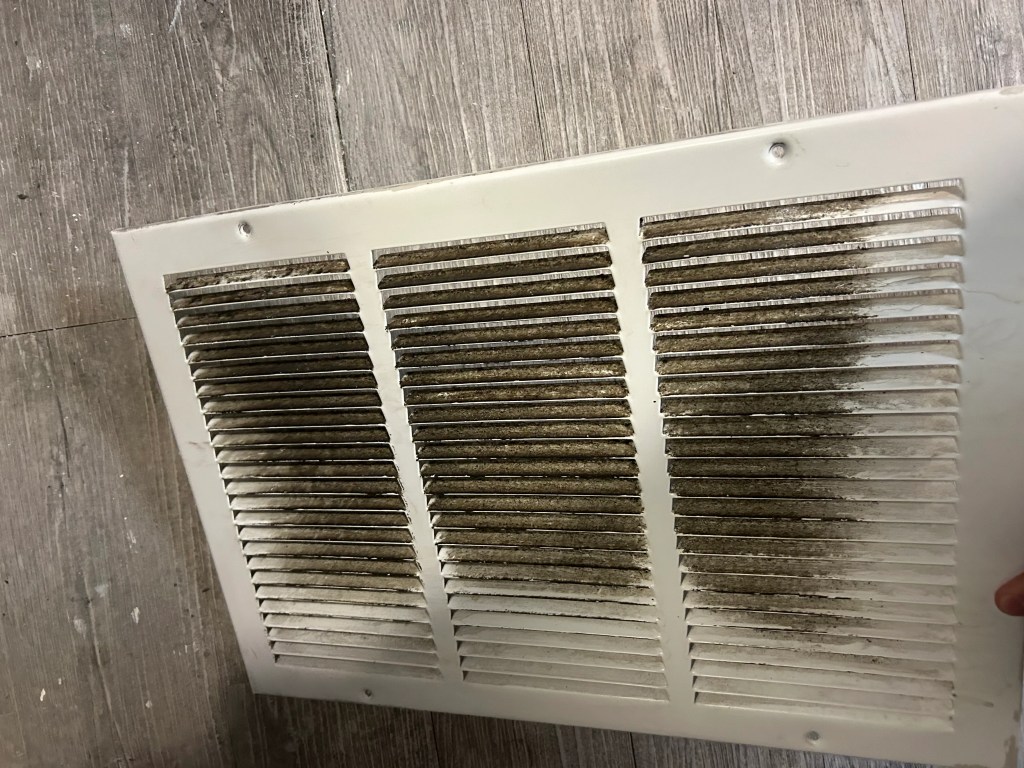
Maybe your air conditioner’s filter is gunked up, or a damp doormat’s the culprit. A mold smell in house doesn’t always mean mold’s growing—sometimes it’s just life being messy. Sniff around and tackle those other possibilities.
It could even be something like a forgotten wet towel or a spill under the fridge. Don’t panic—just start cleaning and airing things out. You’ll figure out if it’s mold or just a funky fake-out.
Not all musty means mold.
Other Services We Offer
At Teton Environmental, we’re not just about mold smell in house—we’ve got your back on all kinds of home safety stuff. Our team offers a bunch of services to keep your place in top shape. Here’s what else we can do for you.
Asbestos Testing
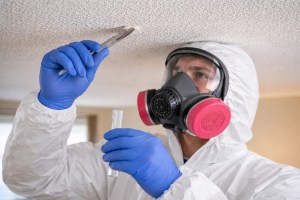
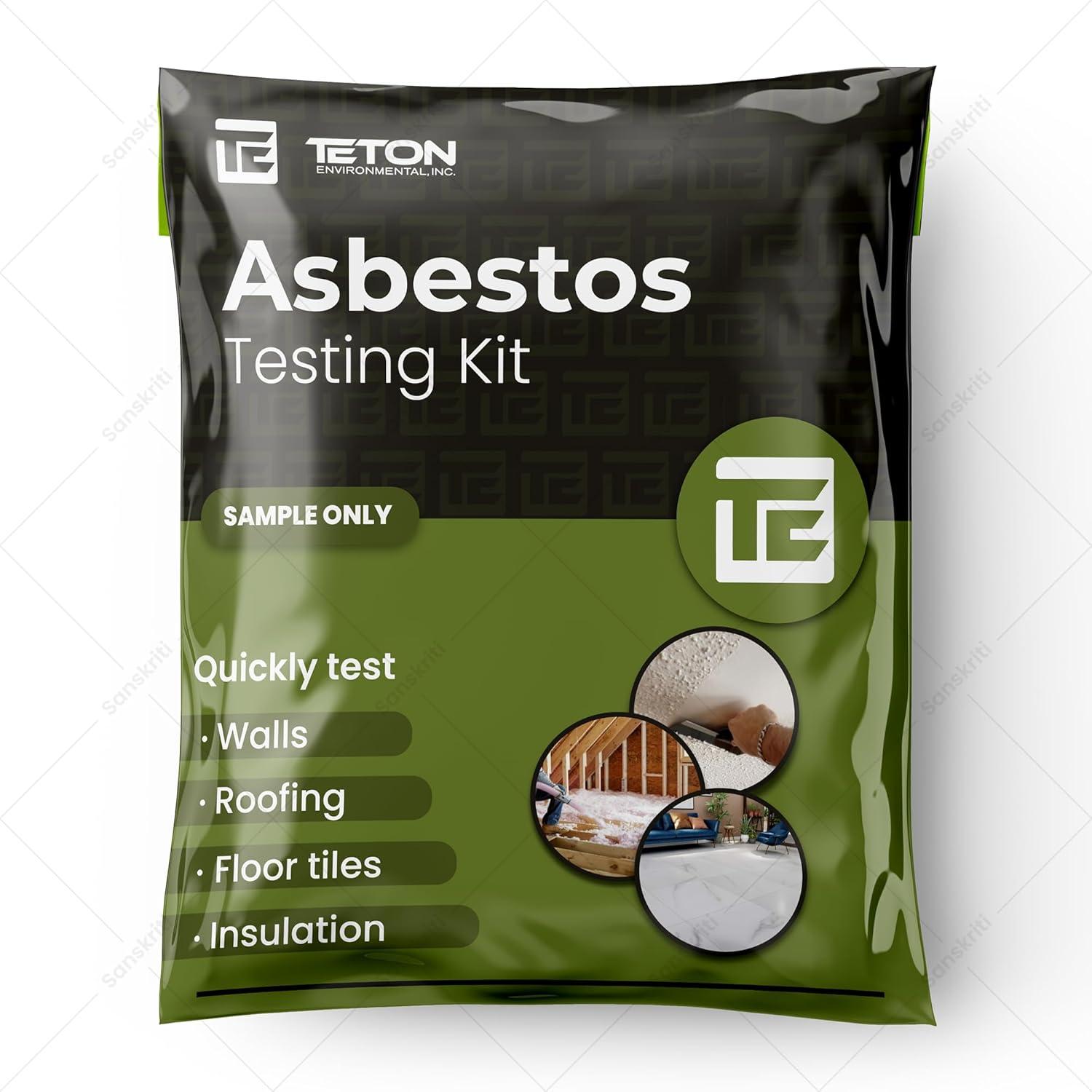
Older homes might have asbestos, a nasty stuff that’s bad to breathe in if it’s floating around. We check for it with Asbestos Testing to make sure you’re safe. It’s a hidden risk you don’t want to mess with.
Asbestos can lurk in walls or ceilings, especially in houses built way back. Testing spots it before it causes trouble. We’re here to keep your air clean.
Asbestos checks save health.
Lead Testing
Lead in old paint can be a danger, especially for kids or pets if it flakes off. Our Lead Testing finds it fast so you can deal with it. Knowing it’s gone brings real peace of mind.
Old homes love to hide lead in their walls. It’s quiet but risky if you don’t catch it. We make sure it’s not a problem for you.
Lead’s no friend to families.
Erosion Control
Heavy rain can wash your yard away, leaving a muddy mess behind. With Erosion Control, we stop that from happening and keep your land solid. Your yard stays nice and steady with our help.
Mudslides can ruin a good day fast. We keep the soil where it’s supposed to be. Your outdoor space deserves that protection.
Keep your yard in place.
Water Testing Services
Bad water can smell funny or even make you sick, so we test it for you. We look at what’s in it to make sure it’s clean and safe to use. Good water keeps your home happy and healthy.
You need water you can trust for drinking or washing. Our tests make sure it’s all good. No guesswork—just clean results.
Clean water’s a must.
Test & Inspect for Mold Safely with Teton Environmental
Still battling a mold smell in house that won’t budge? We at Teton Environmental can test and check it out the right way, helping with removing mold smell once and for all. Hit us up at Contact Teton Environmental—we’re ready to get your home smelling fresh and feeling safe again.
That mold smell in house can really stress you out, we get it. Our team’s got the tools and know-how to fix it. Give us a shout, and let’s clear the air together.
We’ve got your back.