Your home’s HVAC system is essential for maintaining a comfortable indoor environment, but it can also become a breeding ground for mold if not properly maintained. Mold in HVAC systems thrives in dark, damp conditions, posing risks to both your health and the efficiency of your home’s heating and cooling systems. Recognizing the signs of mold early and taking prompt action can prevent costly repairs, protect your air quality, and safeguard your family’s well-being.
Early detection is the first step to a mold-free HVAC system.
The Dangers of Mold in HVAC Systems
Mold in HVAC systems is more than just an inconvenience—it’s a potential health hazard that can spread harmful spores throughout your home. What causes mold in HVAC systems often comes down to excess moisture, whether from leaks, poor ventilation, or high humidity levels in your home. When mold grows in HVAC vents, it can circulate through your living spaces, compromising air quality and triggering a range of health issues.
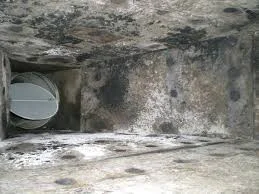
Is mold in HVAC dangerous? It can be, especially for vulnerable individuals.
Exposure to mold spores can lead to symptoms like coughing, sneezing, throat irritation, or even more severe respiratory problems in people with asthma or weakened immune systems. According to the CDC, prolonged exposure to mold can exacerbate existing health conditions or lead to infections in rare cases. Mold in HVAC vents can also reduce the efficiency of your system, causing it to work harder and increasing wear on components.
Ignoring mold can escalate both health and financial costs.
The presence of mold in HVAC systems can also contribute to structural damage over time. Mold growth can corrode metal components, clog filters, and degrade insulation within the system. Addressing mold promptly is critical to maintaining both your health and the longevity of your HVAC unit.
Proactive measures can save you from bigger problems down the road.
5 Warning Signs of Mold in Your HVAC System
Recognizing the signs of mold in HVAC systems is crucial for early intervention. Mold often hides in areas that are difficult to access, such as inside ducts or behind vents, making it essential to stay vigilant. Below are five key indicators that your HVAC system may be harboring mold.
Stay alert to catch mold before it becomes a major issue.
1. Musty or Earthy Odors
One of the most noticeable signs of mold in HVAC systems is a persistent musty or earthy smell emanating from your vents. This odor often becomes more pronounced when the system is running, as mold spores are circulated through the air. If you notice this scent, check out our guide on mold smell in house to learn more about identifying and addressing these odors.
A strange smell is a clear signal to investigate further.
These odors are often strongest near vents or when the HVAC system first turns on. In some cases, the smell may linger in specific rooms, indicating mold growth in nearby ducts or vents. Addressing this issue quickly can prevent the spread of mold spores to other areas of your home.
Don’t ignore persistent odors—they’re often a mold warning.
2. Respiratory Symptoms or Allergies
If you or your family members experience unexplained respiratory issues, such as sneezing, coughing, or wheezing, when indoors, mold in HVAC vents could be to blame. These symptoms often worsen when the HVAC system is active, as it disperses mold spores into the air you breathe. People with allergies, asthma, or compromised immune systems are particularly susceptible to these effects.
Health changes could point to mold in your HVAC system.
Children, the elderly, and those with pre-existing conditions may notice symptoms more quickly. In some cases, prolonged exposure can lead to chronic sinus issues or fatigue. If symptoms improve when you’re away from home, your HVAC system may be the culprit.
Monitor your health for clues about hidden mold issues.
3. Visible Mold on Vents or Coils
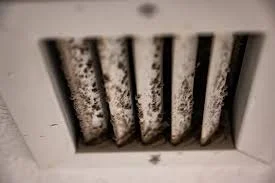
Seeing dark spots, fuzzy growth, or discoloration on vents, coils, or other HVAC components is a clear sign of mold in HVAC systems. These areas are prone to moisture buildup, creating ideal conditions for mold to thrive. For tips on spotting these signs, refer to our guide on how to inspect for mold in your home.

Visible mold demands immediate action to stop its spread.
Mold growth on visible components often indicates more extensive issues hidden within the system. Regular inspections can help you catch these signs early before they escalate. If you spot mold, avoid disturbing it without proper protective gear to prevent spore dispersal.
Early intervention prevents mold from taking over your system.
4. Unexplained Energy Bill Spikes
Mold growth can clog air filters, obstruct airflow, and reduce the efficiency of your HVAC system, causing it to consume more energy. If you notice a sudden or unexplained increase in your energy bills, mold could be interfering with your system’s performance. Regular maintenance and filter changes can help prevent these issues.
Rising energy costs may indicate a hidden mold problem.
This inefficiency not only increases your utility bills but also puts additional strain on your HVAC system, potentially shortening its lifespan. Checking for mold during routine maintenance can help identify and address these issues early. Keeping your system clean ensures optimal performance and lower costs.
Efficiency matters—mold can silently drive up your bills.
5. Condensation or Moisture Build-Up
Excessive condensation or moisture around vents, ducts, or other HVAC components is a strong indicator of conditions ripe for mold growth. Poor drainage, inadequate insulation, or high humidity levels can create these damp environments. Regular checks for moisture can help you catch potential mold issues before they develop.
Moisture control is essential to preventing mold growth.
If you notice water pooling or dampness near your HVAC unit, it’s time to investigate further. Addressing leaks or improving ventilation can mitigate these risks. Keeping your system dry is one of the most effective ways to prevent mold.
Stay vigilant for signs of excess moisture in your HVAC.
How to Confirm Mold in Your HVAC System
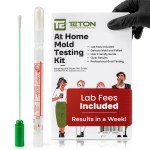
Wondering how to check for mold in HVAC systems accurately? Start by visually inspecting accessible areas like vents, coils, and duct openings for signs of mold growth, such as dark spots or fuzzy patches. For a more reliable diagnosis, consider using a home mold test kit to detect mold spores in your HVAC system.
Accurate testing is the foundation of effective mold remediation.
Visual inspections may not always reveal mold hidden deep within ducts or other inaccessible areas of your HVAC system. Professional mold inspection and testing services can provide a thorough assessment, identifying the type and extent of mold growth. These tests ensure you have the information needed to address the problem effectively.
Professional expertise ensures no mold goes undetected.
Testing kits and professional services can also distinguish between common mold types and more dangerous varieties, such as black mold in HVAC systems. Knowing the specific mold type helps tailor the remediation process. Always follow up testing with appropriate action to eliminate the mold completely.
-

Asbestos Test Kit – Fast, Accurate & EPA-Approved Lab Analysis, Easy-to-Use Sampling, Results in 5-7 Days,
Price range: $49.95 through $109.95
Confirming mold sets the stage for successful removal.
How to Fix Mold in Your HVAC System
Once mold is confirmed, understanding how to get rid of mold in HVAC systems is critical to restoring your system’s safety and efficiency. Addressing what causes mold in HVAC systems, such as leaks or poor airflow, is equally important to prevent future growth. Follow these steps to clean mold in HVAC ducts and ensure a healthy home environment.
A systematic approach is key to effective mold removal.
Step 1 – Turn Off Your HVAC System
Before beginning any cleaning, turn off your HVAC system to prevent mold spores from spreading further through your home. This step ensures safety during the remediation process and minimizes the risk of cross-contamination. Always wear protective gear, such as gloves, masks, and goggles, when handling mold.
Safety is paramount when tackling mold cleanup.
Turning off the system also allows you to work without the risk of inhaling airborne spores. Ensure the system remains off until all cleaning and drying are complete. This precaution protects both you and your home from further contamination.
Never skip this critical safety step.
Step 2 – Clean or Replace Contaminated Parts
Remove and clean affected components, such as air filters, vents, or coils, using mold-specific cleaning solutions recommended for HVAC systems. In cases of severe contamination, replacing these parts may be more effective than cleaning to eliminate mold in HVAC ducts. Thoroughly dry all surfaces to prevent mold from returning.
Clean thoroughly to stop mold in its tracks.
Use a solution of water and mild detergent or a commercial mold remover for best results. Ensure all cleaned components are completely dry before reinstalling them. Proper drying is essential to prevent residual moisture from fueling new mold growth.
Dry components are your defense against mold regrowth.
Step 3 – Use HEPA Vacuums and Foggers
HEPA vacuums are highly effective at removing mold spores from ducts, vents, and other surfaces within your HVAC system. Fogging with antimicrobial solutions can treat hard-to-reach areas, ensuring comprehensive mold removal. These tools help eliminate spores that could otherwise resettle and cause future issues.
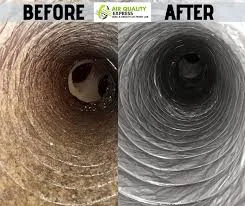
Specialized equipment ensures thorough mold elimination.
Regular vacuums may spread mold spores, so always opt for HEPA-certified models. Fogging should be done carefully, following product instructions to avoid damaging your system. These methods provide a deeper clean than surface wiping alone.
Advanced tools make a significant difference in mold removal.
Step 4 – Install UV Lights or Mold Inhibitors
Installing UV lights in your HVAC system can kill mold spores and prevent future growth by disrupting their ability to reproduce. Mold inhibitors, applied to ducts and vents, create an environment where mold struggles to survive. These solutions offer long-term protection against mold in HVAC ducts.
Preventive technology keeps your system mold-free.
UV lights should be installed by a professional to ensure proper placement and effectiveness. Mold inhibitors are available in various forms, such as sprays or coatings, and should be reapplied as recommended. These measures add an extra layer of defense against mold recurrence.
Invest in prevention for lasting results.
Step 5 – Hire a Professional If Needed
For extensive mold growth or black mold in HVAC systems, professional remediation is often the safest and most effective option. Experts have specialized tools, training, and experience to handle severe cases without risking further contamination. Don’t hesitate to seek professional help if the mold problem feels overwhelming or persistent.
Professionals deliver safe and thorough mold removal.
Professional services can also address underlying issues, such as leaks or ventilation problems, that contribute to mold growth. They ensure all mold is removed and provide recommendations for preventing future issues. This comprehensive approach protects your HVAC system and your home.
Expert help is worth it for complex mold problems.
Preventing Future Mold Growth in Your HVAC
Learning how to prevent mold in HVAC systems is critical for maintaining a healthy home environment. Regular maintenance, such as cleaning or replacing filters every 1–3 months, helps reduce moisture and debris buildup. Installing dehumidifiers, improving ventilation, and addressing leaks promptly can stop black mold in HVAC systems from forming.
Consistent maintenance is your best defense against mold.
Monitor indoor humidity levels, keeping them below 50% to create an inhospitable environment for mold. Schedule annual HVAC inspections to catch potential issues early. These proactive steps ensure your system remains efficient and mold-free year-round.
Prevention saves time, money, and health in the long run.
Get Expert Mold Testing with Teton Environmental
Mold in HVAC ducts can be a persistent and challenging issue, but you don’t have to face it alone. Contact Teton Environmental for expert mold testing and remediation services tailored to your specific needs. Our team at Environmental Testing Services is dedicated to ensuring your HVAC system is safe, efficient, and free of mold.
Trust Teton Environmental for a cleaner, healthier home.
Our professionals use advanced tools and techniques to identify and eliminate mold, providing peace of mind for you and your family. Whether you need a one-time inspection or ongoing maintenance, we’re here to help. Don’t let mold compromise your home’s air quality—reach out today.
Expert support is just a call away.
Contact us
Worried about mold in your HVAC? Reach out to us today to talk with a professional.
Your message has been sent