Lead Based Paint Test: 5 Crucial Steps for Safe Homes
Lead exposure poses significant health risks, particularly to children. A lead based paint test is essential for ensuring your home is safe from this toxic substance. If you’re living in an older home, knowing how to test for lead paint can protect your family from serious health concerns. In this guide, we’ll walk you through five crucial steps to test for lead-based paint safely and effectively.
Why a Lead Based Paint Test Is Critical for Your Home’s Safety
Many homes built before 1978 contain lead-based paint, which can deteriorate over time and pose severe health hazards. How do I know if paint has lead in it? The best way is to conduct a lead based paint test to determine if hazardous materials are present. Lead poisoning is a significant public health issue, especially for children. According to UNICEF, one in three children globally is poisoned by lead, making lead testing crucial for any home with older paint.
Lead Paint Risks in Older Homes
Lead paint in windows, doors, and walls can chip and turn into lead dust, which is easily inhaled. When was lead in paint banned? The U.S. banned lead-based paint in residential properties in 1978, but many older homes still contain it. If disturbed, the dust can accumulate on surfaces, toys, and household items, increasing exposure risks, particularly for young children and pets.
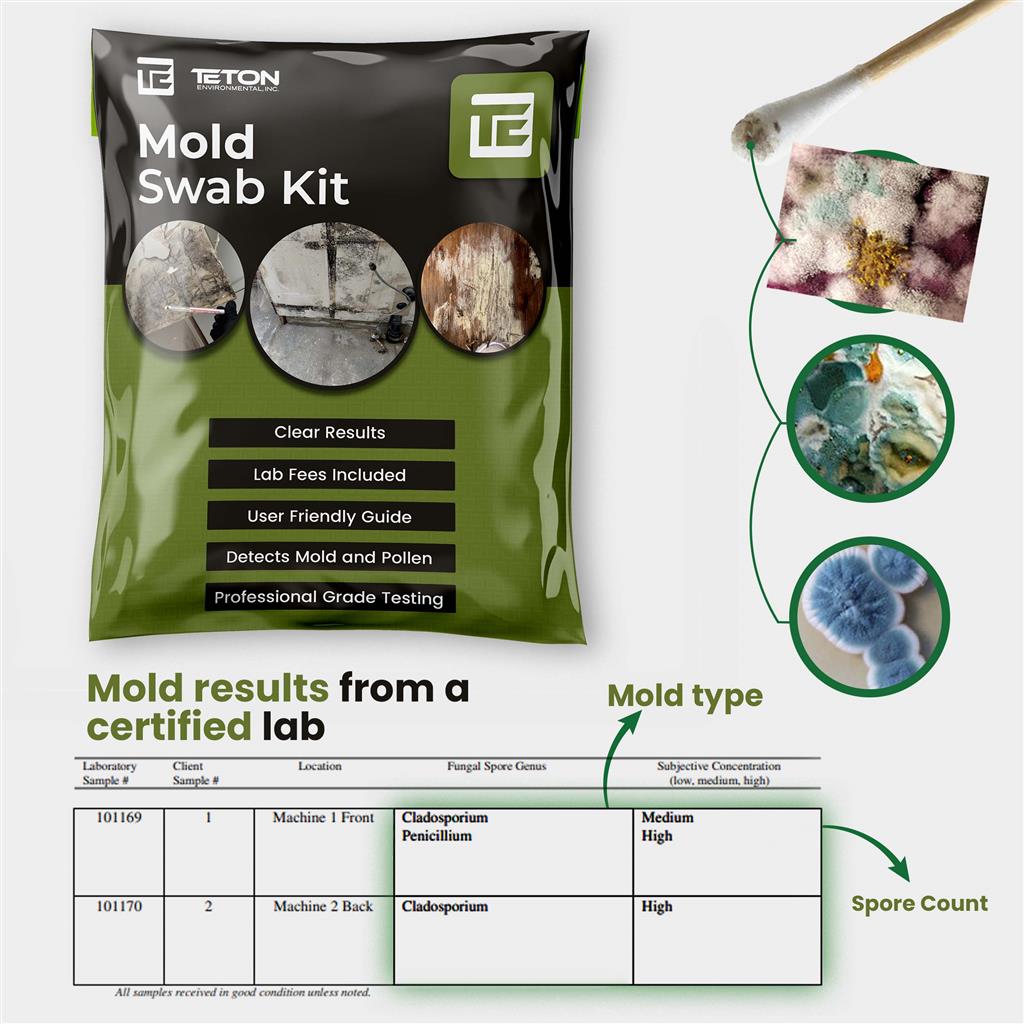
For additional home safety concerns, check out our guide on mold inspection and testing and where to put air purifiers.
Step 1 – How Can You Tell If Your Home Has Lead Based Paint?
Before conducting a lead based paint test, you should inspect your home for common signs of lead paint. If you’re wondering how can I tell if paint has lead in it?, these are some visual indicators to look for:
Signs of Lead Paint in Older Homes
- Chipping, peeling, or cracking paint
- Paint that creates dust when disturbed
- Layers of different colored paint on surfaces
- Lead paint in older homes with high moisture exposure, such as windows and doors

If you’re unsure how to tell if paint has lead in it, a lead paint test kit is the best way to confirm its presence. For more information on environmental safety, explore our erosion control services.
Step 2 – Choosing the Right Lead Based Paint Test Kit
If you’re wondering, how do I know if paint has lead in it? Using a lead based paint test kit is the simplest method. These kits provide quick results and can be used on various surfaces.
What Is the Most Reliable Lead Paint Test Kit?
Choosing a lead paint test kit that meets EPA standards ensures accurate results. Some popular test kits include swabs, chemical solutions, and lab-based analysis kits. To ensure your home is safe from additional environmental hazards, consider using a mold test kit as well.
Step 3 – Conducting a Lead Based Paint Test at Home
Once you’ve selected a lead based paint test kit, follow these steps to ensure accurate testing:
- Clean the surface to remove any dust.
- Apply the test solution or swab as directed.
- Wait for the results according to the kit instructions.
- Compare the test results with the reference chart provided.
Using a Lead Based Paint Test Kit Properly
Be sure to wear gloves and follow all safety precautions when handling a lead paint test kit to prevent exposure.
How Professional Lead Based Paint Inspectors Test a Home
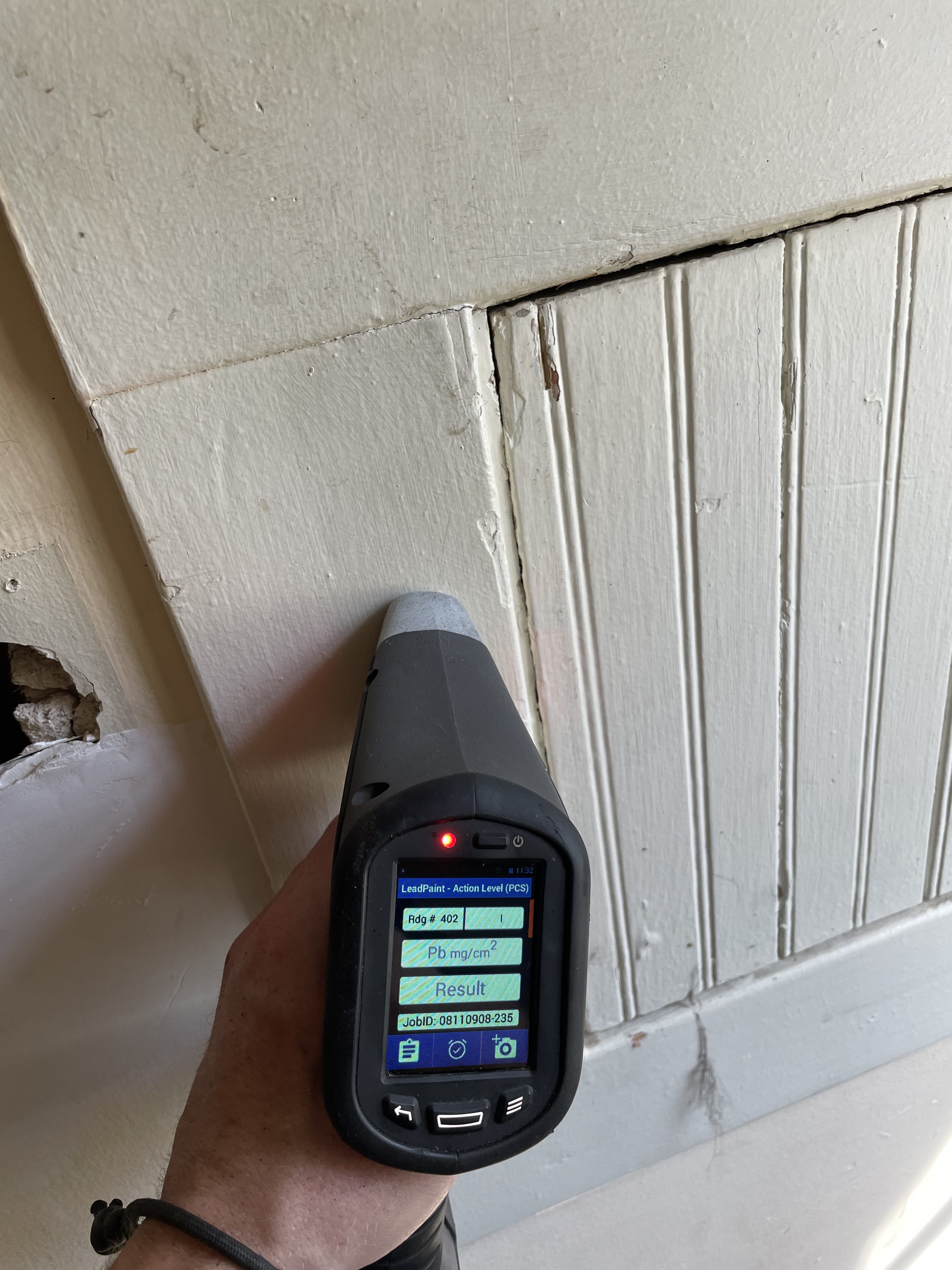
For more precise results, hiring a professional for a lead based paint test is recommended. Experts use XRF lead paint testing technology, which involves an XRF machine that detects lead levels without damaging surfaces. A professional lead paint test ensures accuracy and compliance with safety regulations.
Step 4 – Understanding Lead Based Paint Test Results
Once you’ve completed the lead based paint test, you may wonder how much lead is in lead paint. Test kits indicate whether lead is present, but some provide exact levels.
What to Do If You Get a Positive in a Lead-Based Paint Test
If your lead based paint test comes back positive, you should take action immediately. Lead paint in older homes is hazardous, and professional remediation may be necessary. Learn about other potential home hazards, such as asbestos testing and water testing.
Step 5 – How to Get Rid of Lead Paint in a House Safely
If you’ve identified lead paint in your home, you might ask, how to get rid of lead paint in a house? Safe removal is crucial to avoid lead exposure.
Hiring Professionals vs. DIY Lead Paint Removal
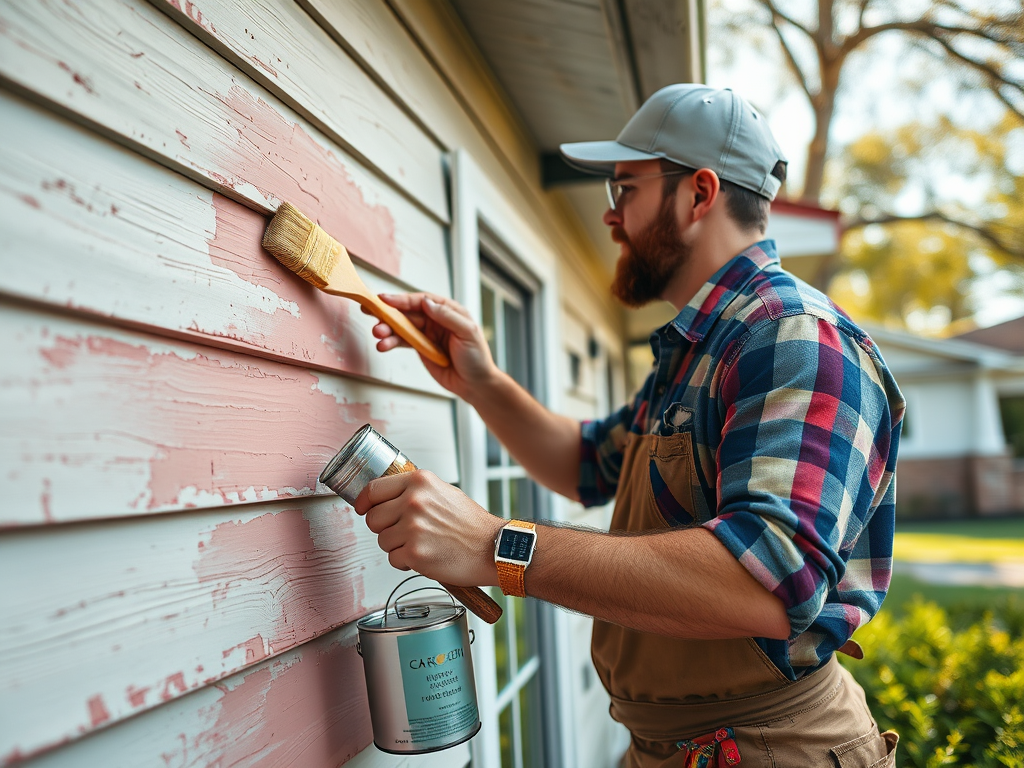
While some homeowners attempt DIY removal, hiring professionals is the safest option. Lead paint in windows, doors, and walls can release dangerous lead dust if not handled properly. If you’re concerned about contaminants in your home, read about 5 contaminants in drinking water.
How Teton Environmental Services Can Benefit You Today!
Teton Environmental specializes in lead based paint testing, ensuring your home is safe and compliant with regulations.
Services We Offer:
Get Professional Lead Based Paint Test and Removal with Teton Environmental
When it comes to lead based paint test services, Teton Environmental provides reliable, professional testing to ensure your home is free from hazardous lead exposure.
Contact Teton Environmental for an inspection today.
FAQs About Lead Based Paint Test & Teton Environmental
Is lead based paint banned? Yes, lead-based paint was banned for residential use in 1978.
How much lead is in lead based paint? Lead content varies, but high levels pose serious health risks.
Is lead based paint bad for you? Yes, prolonged exposure can cause severe health issues, particularly in children and pregnant women.
What areas does Teton Environmental serve? Teton Environmental operates in Colorado and surrounding areas.
How fast can I get results from a lead based paint test? Most test kits provide instant results, while lab tests may take a few days.
How do I schedule a lead based paint test? You can contact us here or call our office.
By following these five crucial steps, you can ensure your home is free from dangerous lead exposure. Don’t wait—schedule your lead based paint test today!