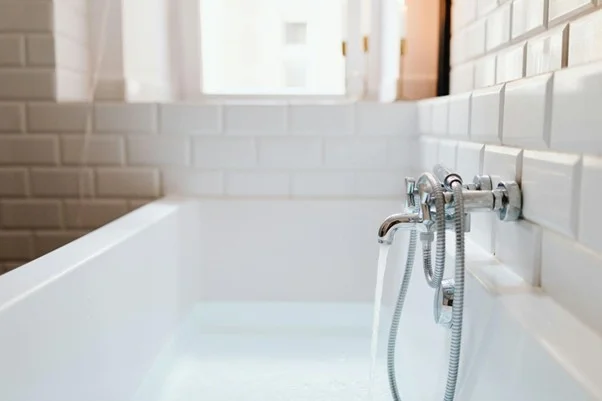
Did you step inside the bathroom for a refreshing shower, but instead, observed slimy, dark patches along the grout lines and the corners? This made you question yourself: Is black mold in the shower toxic or just a gross view? The truth is that what begins as a harmless-looking stain can quickly become a health risk if left untreated.
According to the EPA, molds are typically not a problem indoors unless mold spores land on damp or wet surfaces and begin to grow. This is why bathrooms often become prime places for mold colonies, as they are typically moisture-heavy areas. If you suspect mold is building up there, consider scheduling a professional mold inspection and testing to resolve the issue. Experts can confirm the type and the extent of the contamination before it spreads.
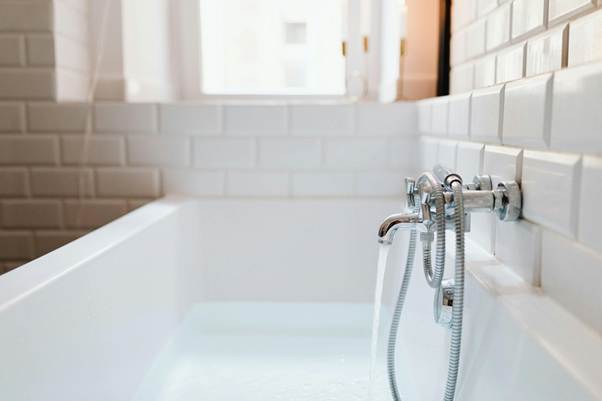
What Is Black Mold?
When people talk about black mold in the shower, they are usually referring to Stachybotrys chartarum. It is a dark greenish-black fungus that consistently thrives in damp environments.
Unlike mildew growing on the surface, this one penetrates through porous materials, releasing spores and mycotoxins. These are a health hazard as they trigger allergic reactions or respiratory issues.
Not all dark mold is equally toxic, but it’s impossible to tell by physical appearance alone. You can learn more about how toxic molds are different from the usual household varieties at black mold vs toxic mold.
This will help in understanding when simply cleaning isn’t enough to eradicate the problem, and when to get in touch with professionals for removal.
Is Black Mold in Shower Toxic?
Generally, mold is not considered toxic, but black mold is and especially when it forms on damp bathroom surfaces: black mold in shower caulk and black mold in shower grout. Both of them trap moisture, providing an ideal ground for the spores to breed on.
What Are The Health Effects of Black Mold Exposure?
Repeated black mold exposure impacts your health. The released spores cause allergic signs like skin rashes, watery eyes, sneezing, and congestion. However, for sensitive individuals, for instance, if living with children or those with an already weakened immune system, the fungal growth’s effects can be more serious.
Then prolonged contact with mycotoxins may result in exhaustion, dizziness, respiratory irritation, or neurological symptoms. To understand the possible risks in children, see mold toxicity symptoms in kids.
While black mold might start as a minor bathroom issue, this mold is far more than a cosmetic problem. It turns into a warning sign that your indoor environment needs attention.
What Causes Black Mold in Shower?
What causes black mold in shower? The answer is moisture that doesn’t completely dry. Poor ventilation, condensation from hot showers, and leaky plumbing create the perfect invitation for mold’s growth. With passing time, spores can deeply infiltrate into hidden areas like black mold in shower ceiling corners or collect near the black mold in shower drain, where water sits for the longest time.
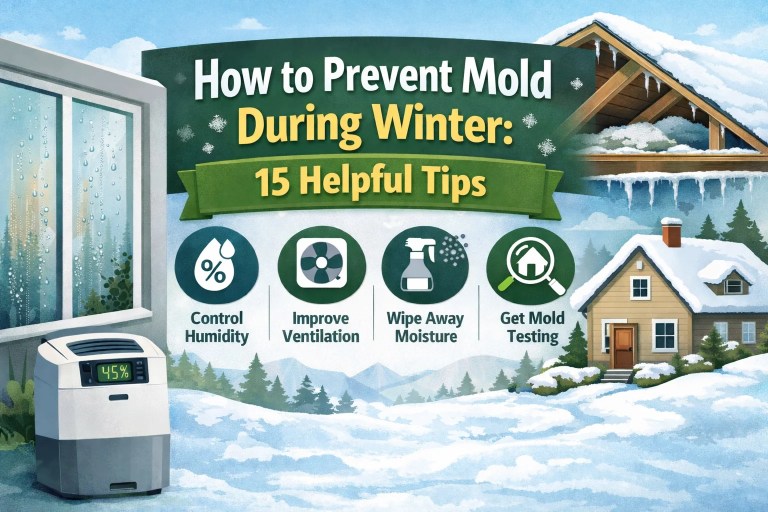
Despite cleaning on a regular basis, if humidity levels still remain high with poor air circulation, you will see mold again within a few days. Therefore, it’s suggested to use a dehumidifier and run an exhaust fan while showering. This narrows the chances of recurrence.

How to Identify Black Mold In Your Shower?
The earlier you recognize black mold, the faster you can save yourself and your family members’ health. The same goes for expensive repairs as well. You just need to know how to identify this mold before it spreads:
Common Places Where Black Mold Grows
As mentioned above, bathrooms are the perfect breeding spots for mold. Here, you will find black mold in shower caulk, black mold in shower grout, black mold in shower ceiling, and, many times, black mold in shower drain too. These places hold moisture the longest, opening the ground for spores to multiply easily. Therefore, regularly inspect them for the earliest mold detection.
Visual Signs, Smells, and Texture Clues
Ever wondered what does black mold look like in a shower? It appears as black or dark green patches, having a fuzzy or slimy texture. Unlike mildew or soap scum, black mold spreads unevenly and usually gives off a musty, earthy smell. If your wiping also didn’t remove the discoloration, it’s not grime, but likely mold.
Black Mold vs Mildew in Shower
In this case, many homeowners confuse black mold vs mildew in shower issues. Yes, moisture causes both, but mildew is a surface fungus that gets easily cleaned. It is usually gray or white in color. On the other hand, black mold penetrates deeper, causing health issues. If thorough scrubbing with vinegar or bleach doesn’t permanently remove it, the growth in front of you is mold, not mildew.
What To Do If You Find Black Mold in Your Bathroom?
Finding black mold in the shower doesn’t automatically mean your home is in danger, but it demands prompt attention. Use a mold-killing solution, like diluted vinegar or hydrogen peroxide, and start cleaning small areas. Don’t forget to wear gloves and a mask to avoid breathing in the spore-filled environment.
But if the mold covers a bigger area, keeps returning, or has spread behind walls, seek professional assistance. The thing is, mold usually hides in your house’s unseen areas, like insulation, drywall, or under flooring. If you delay or leave the treatment, that will certainly cause health signs to worsen.
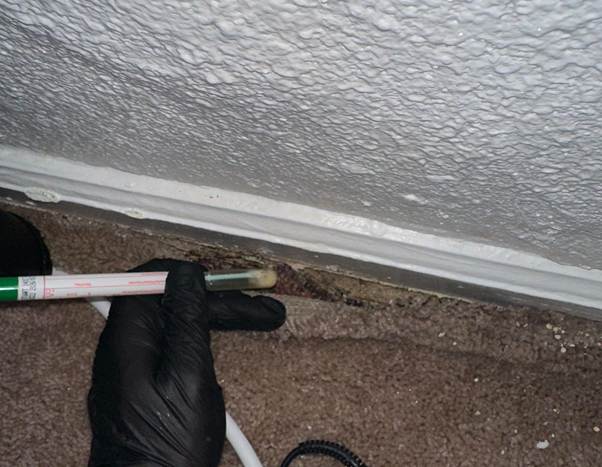
DIY Testing for Black Mold
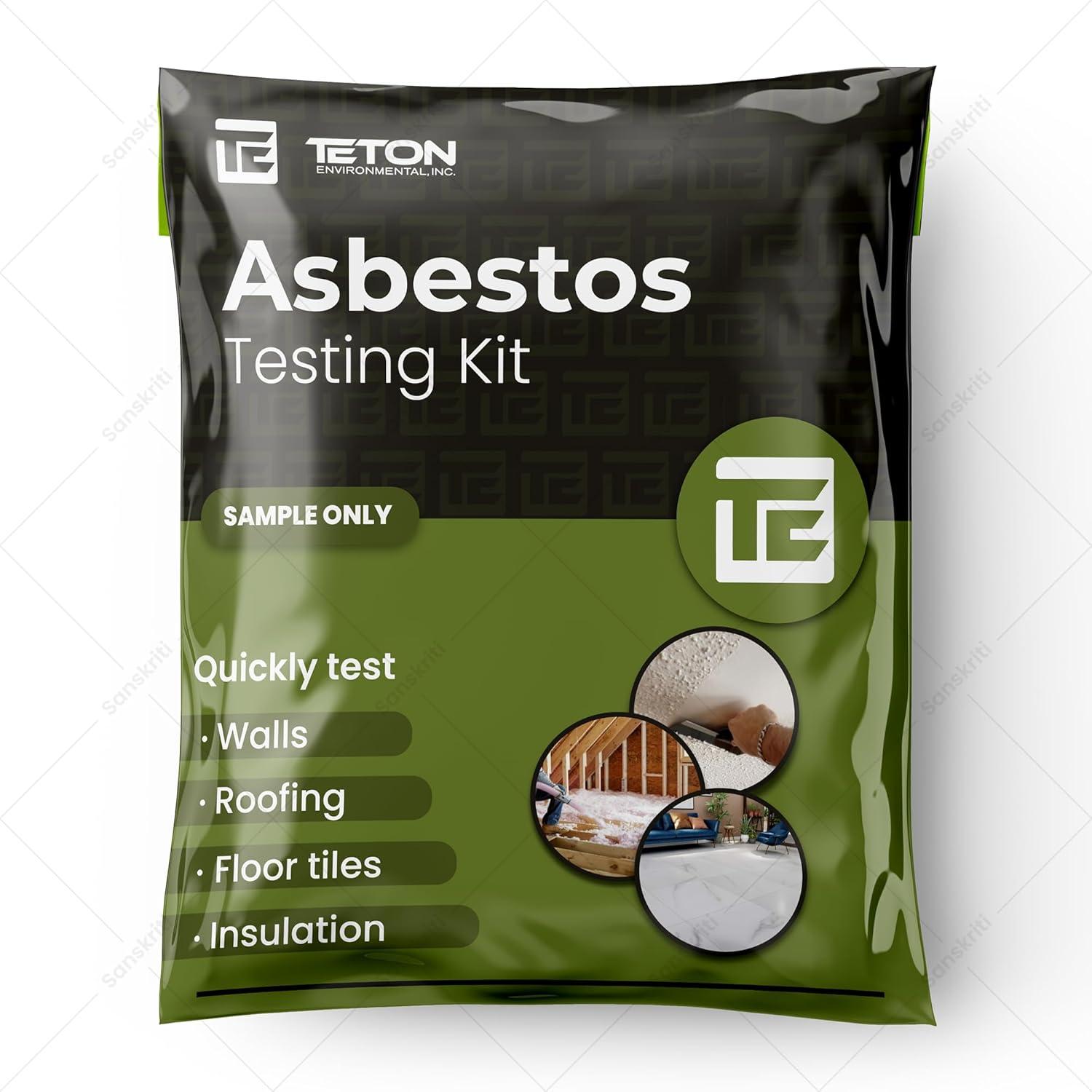
Instead of panicking or jumping to conclusions, you can always confirm your bathroom mold’s toxicity by using a home testing kit. The tool helps to determine the type of mold and the concentration of spores in your indoor air.
Moreover, if contamination in the bathroom fixtures like black mold in shower head concerns you, order a home mold test kit. It’s a pocket-friendly first step toward understanding your mold exposure and deciding whether professional testing is necessary.
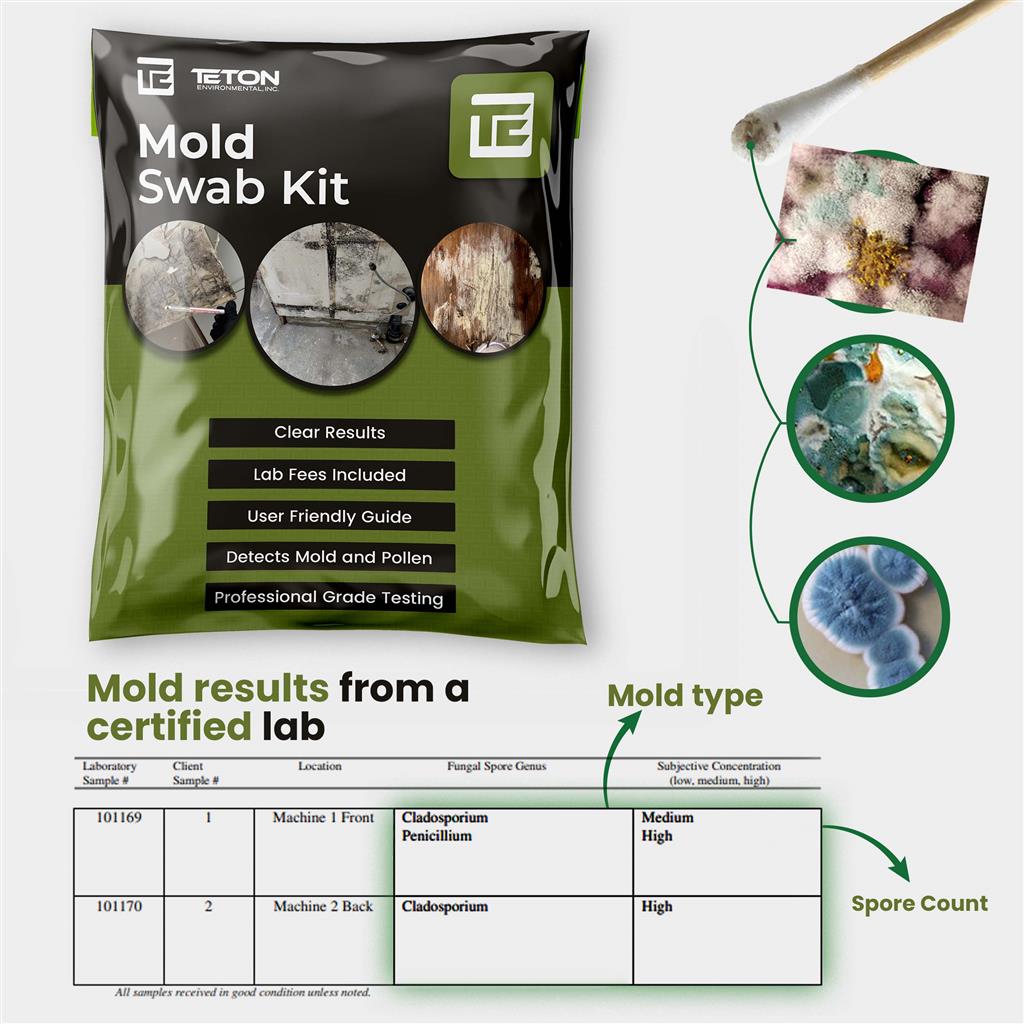
Mold Test Kit – Lab Fees Included, 1 Swab can Detect 20+ Mold Types & Pollen, Easy-to-Use Guide, Professional-Grade Testing
When to Call a Professional Mold Testing Company?
Is there a consistent musty smell coming from your bathroom? Or the black mold keeps returning despite cleaning? It’s high time to call professionals. Their testing reveals hidden sources of contamination, air quality risks, and moisture leaks that even those DIY methods can’t detect.
The market is full of providers, but pick the reputable ones who offer mold testing services. They use premium air sampling and laboratory analysis. This helps them in identifying the exact mold species and the severity of contamination, guaranteeing safe, thorough remediation without cross-contamination to the remaining parts of your house.
Find Expert Mold Testing Services with Teton Environmental
Have you discovered mold growth or suspect deeper contamination? Avoid waiting, as that will only worsen the problem. Immediately, contact the specialists who know how to identify the root source and treat the mold.
For certified testing and inspection services, get in touch with Contact Teton Environmental. They have a team of qualified and experienced professionals to assess the mold’s type, the affected area’s severity, and provide strategies for safe removal and long-term prevention in the future.
Next Steps After Testing for Black Mold
Once the testing results confirm that your bathroom has black mold, the next step is remediation. Search for qualified professionals, known for mold removal and remediation services, to promise safe and complete cleanup. In regions like Colorado, hiring specialists with a proven track record in mold removal Denver projects guarantees compliance with safety and local health standards.
Heavy stress is being laid on approaching professionals because they use HEPA filtration, containment barriers, and antimicrobial treatments to remove mold spores, preventing regrowth. After remediation is done, consistently control humidity levels and ensure proper ventilation to stop the black mold’s growth.
How to Prevent Black Mold in the Shower?
Prevention always saves you from the hassle of daily cleanup. Regularly controlling the moisture and doing maintenance proves to be your best defense against black mold in the shower:
Improve Ventilation System: After taking your shower, keep the exhaust fans running. Do this for at least 20 minutes to completely dry the moisture, improving the ventilation system.
Fix Leaks Quickly: Notice leaky plumbing? Quickly address them before they cause hidden water damage.
Dry Surfaces Daily: Don’t leave surfaces wet. Wipe down shower walls, tiles, and floors after use until they are dry.
Use a Dehumidifier: Purchase a good dehumidifier and keep your indoor humidity levels under 50%.
Seal Grout and Caulk: You must reapply sealant. Make it a habit of doing so every six months. This reduces water absorption.
These techniques minimize moisture buildup, creating a healthier environment where mold can’t breed.
Protect Your Family & Home from Black Mold Today
Your bathroom should be clean, providing comfort rather than contamination. Mold goes far beyond affecting your tiles; it can also threaten your health, especially children, and indoor air quality. Refrain from ignoring early warning signs or recurring musty smells.
Schedule a professional inspection with Teton Environmental today to control your environment. Their experts identify mold sources, give comprehensive remediation plans, and help you create a cleaner, safer home environment.
FAQs
Is Black Mold in Shower Dangerous?
Absolutely, especially with prolonged exposure. It triggers respiratory issues, headaches, and allergic reactions. Individuals with weakened immunity or children are at a greater risk.
What Does Black Mold Look Like?
Thinking what does black mold look like in a shower? It often appears as black or dark greenish patches, consisting of a slimy or powdered texture. Unlike regular soap scum or mildew, the odor is typically musty and earthy.
What Does Black Mold Smell Like?
Unlike the regular household mold, the black version has a distinctive, musty scent. It’s similar to decaying leaves or damp soil. If, after cleaning your bathroom, you notice this smell, then there is mold behind the tiles or walls.
Does Bleach Kill Black Mold?
Bleach removes surface stains but doesn’t penetrate porous materials like drywall or grout. This solution might make the issue temporarily look better, but it doesn’t address the spurs beneath.
Is It Safe to Clean Black Mold Yourself?
You can try to clean yourself with protective gear if the affected area is less than 10 square feet. For larger sections or recurring mold growth, contact professional remediation.