Table of Contents
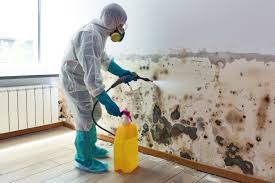
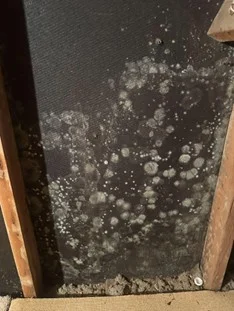
A thorough visual inspection of your entire property is crucial in identifying any mold-related problems. This guide will help you conduct a comprehensive inspection, just like a professional mold inspector. Remember, the key is to look for signs of water damage first, as mold thrives in moist environments. Follow this checklist to ensure you don’t miss any potential mold sources. If you signs of water damage or mold growth in your home, make sure you aren’t having any mold sickness signs.
Visual Inspection Checklist
1. General Areas
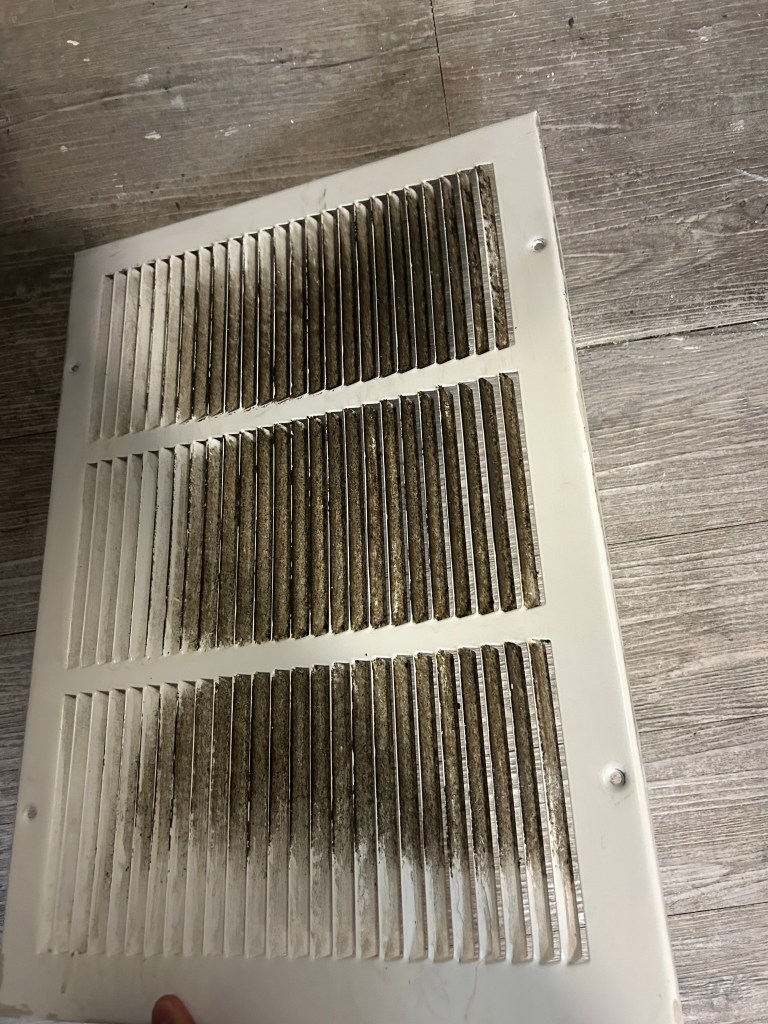
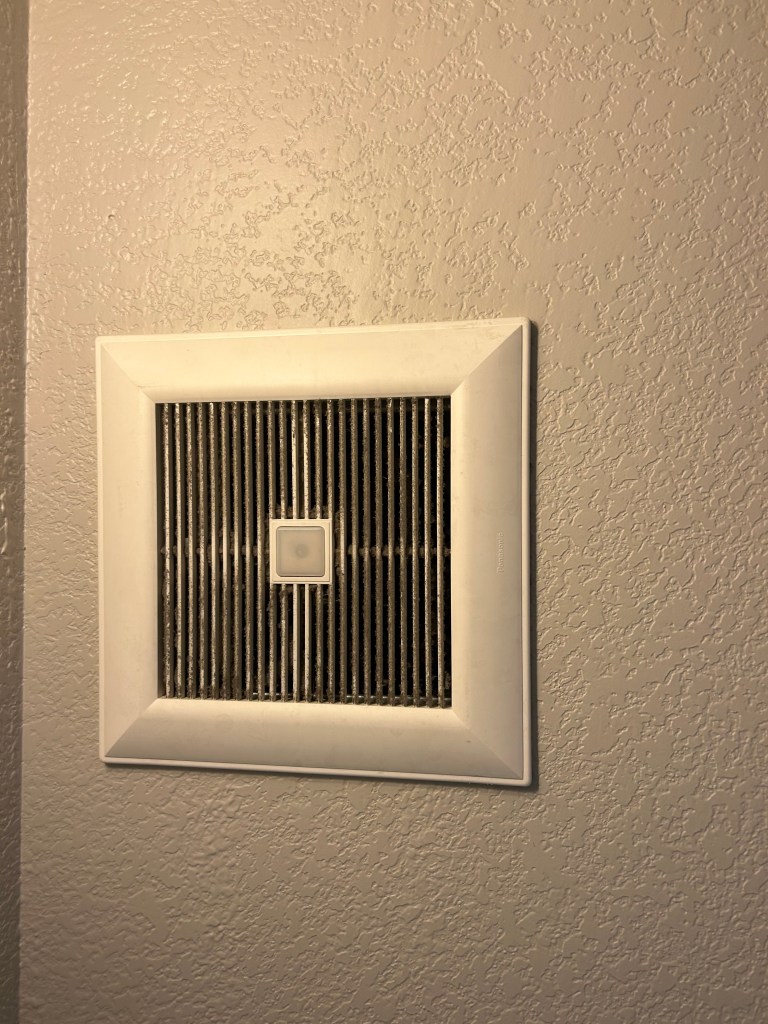
- Vents: Inspect all vents for dust, sediment, lint, and other debris. Take a swab sample of any debris for mold analysis. Also, check used HVAC air filters for signs of mold.

- Cabinets: Inspect inside of cabinets for any water damage or discoloration.

- Water Bottles: Regularly used water bottles should be inspected for discoloration around the lid or rubber seal, which can indicate mold growth.
- Food: Check for mold contamination on food, especially in refrigerators and pantries.
2. Crawlspace
- Vapor Barrier: Ensure there is a plastic vapor barrier installed. If not, the crawlspace is likely to have elevated mold levels.
- Subfloor: Look for water staining and discoloration on the subfloor.
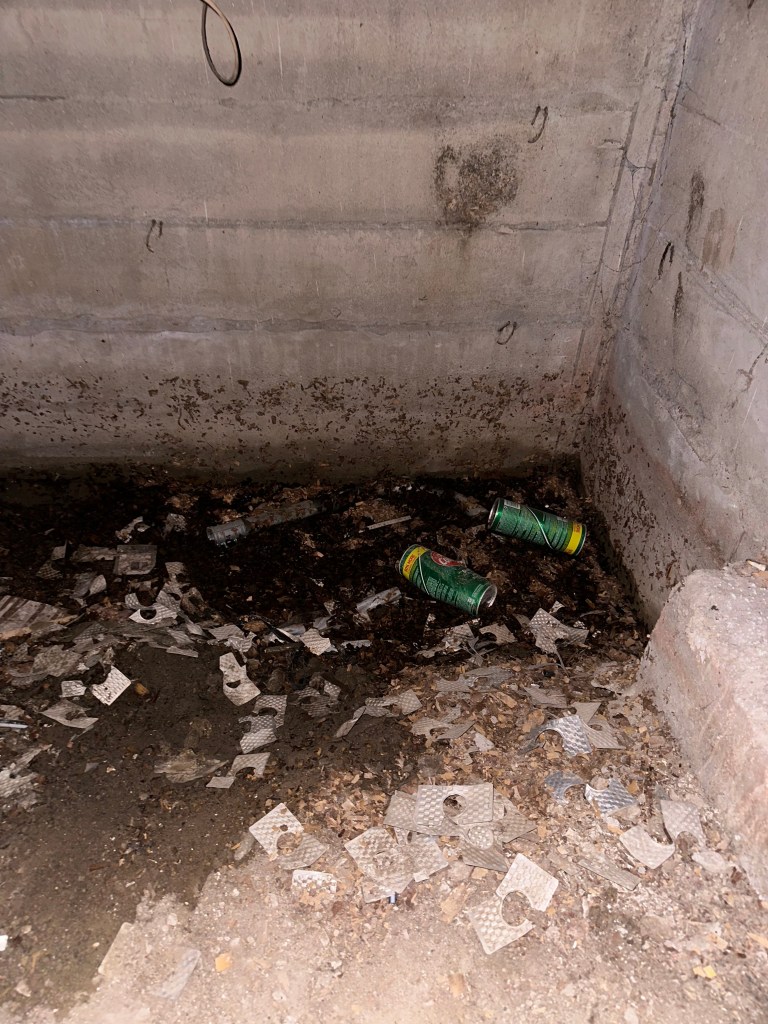


- Stormwater Drainage: Examine how stormwater drains around the house. It should flow away from the foundation to prevent water accumulation.
3. Kitchen
- Around/Under Sinks: Check for leaks, water stains, and discoloration.
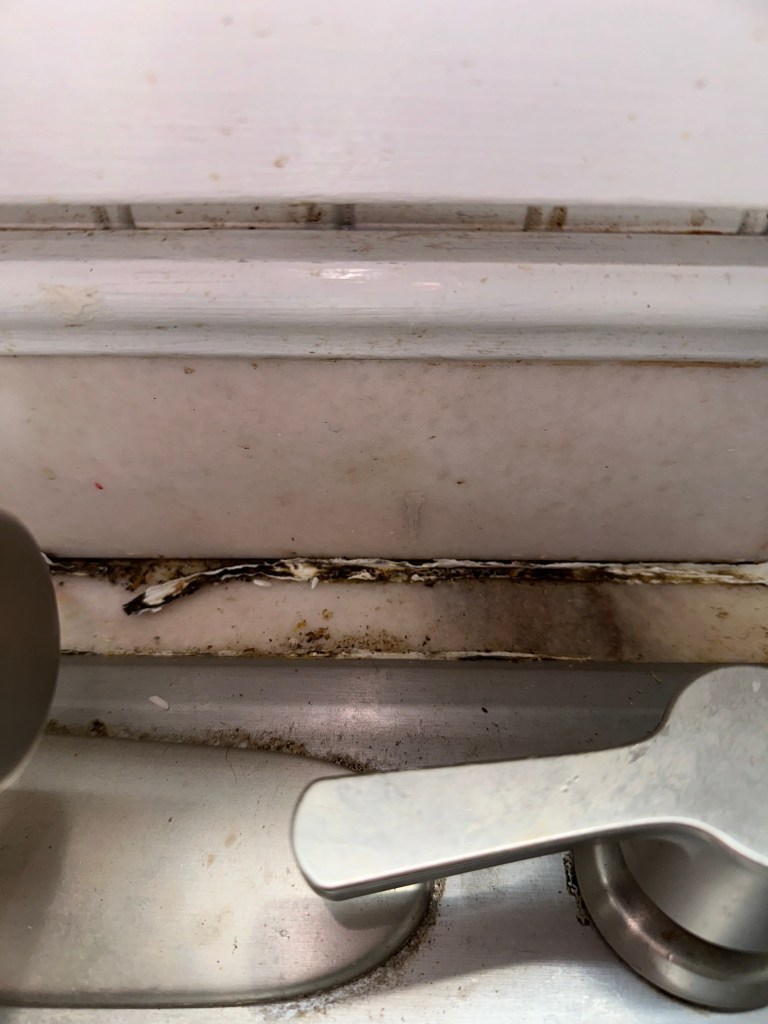
- Refrigerator: Inspect around and behind the refrigerator. If it sits above a crawlspace, check the subfloor beneath for signs of water damage.


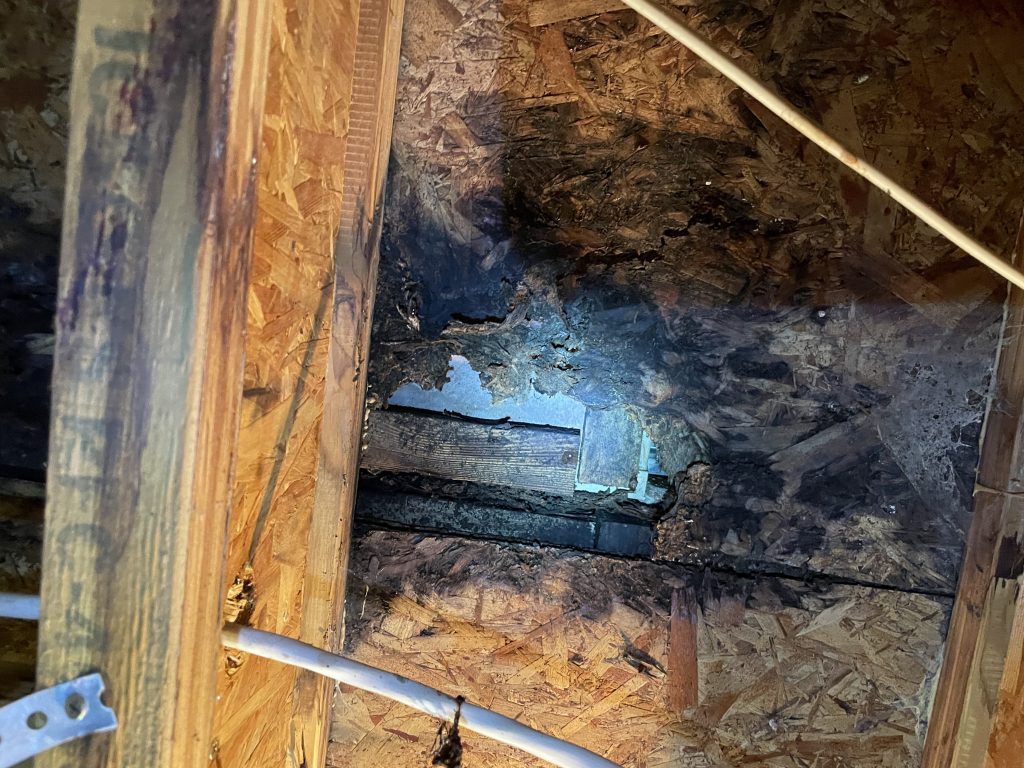
- Dishwasher: Look inside and behind the dishwasher for discoloration or mold.
4. Bathrooms
- Under Sinks: Look for leaks and water damage.
- Toilet: Inspect around and behind the toilet, and check inside the toilet tank for discoloration.
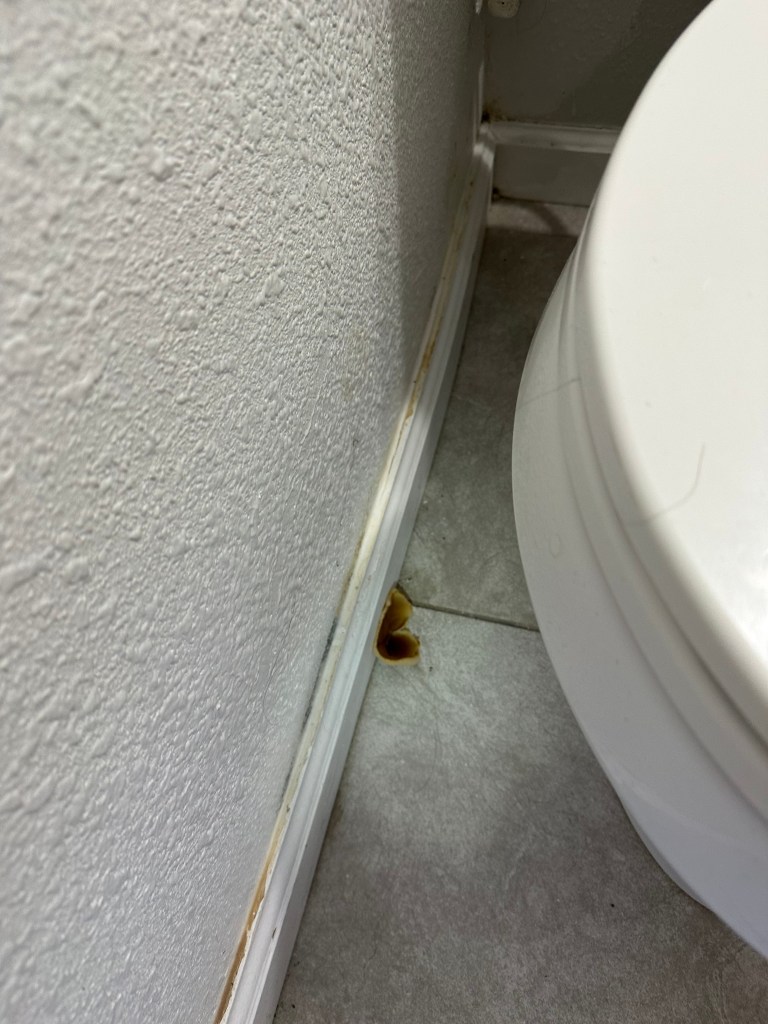
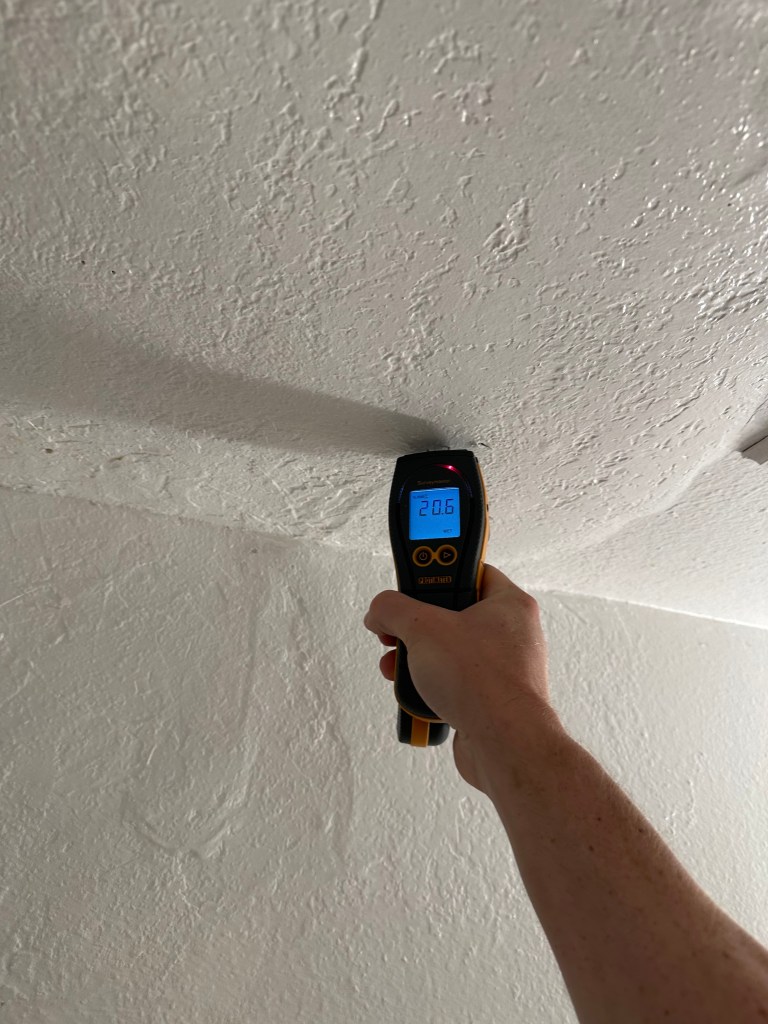
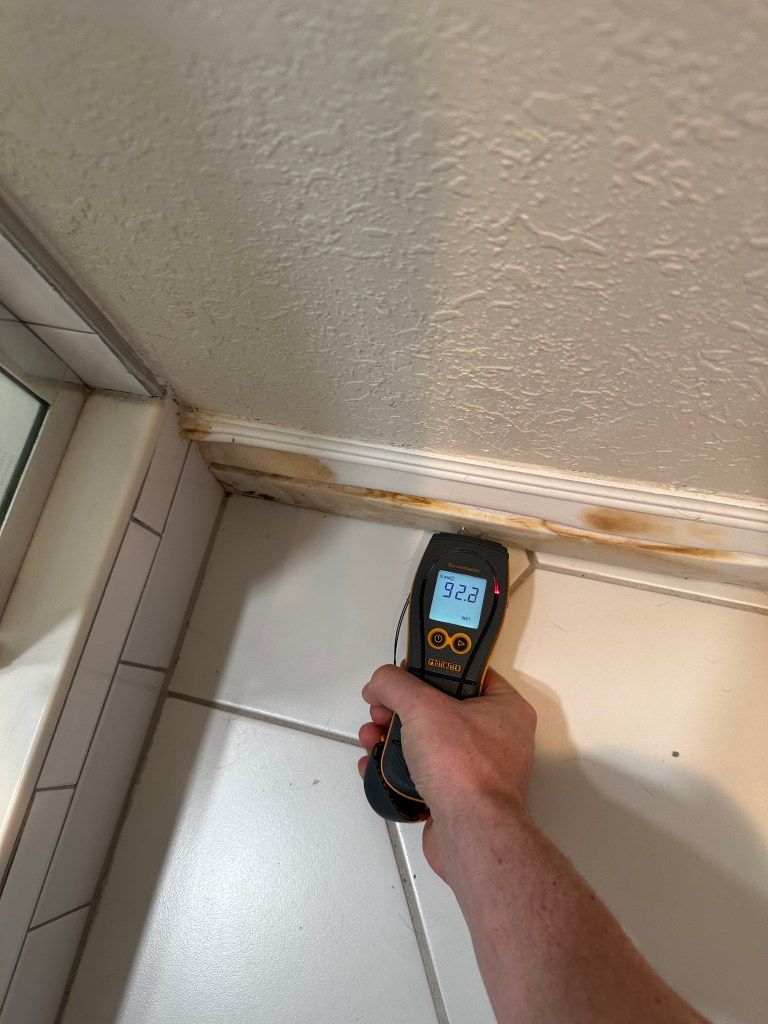
- Shower Walls: Look for signs of water damage, such as peeling paint, water stains, warped walls, baseboards, and discoloration.
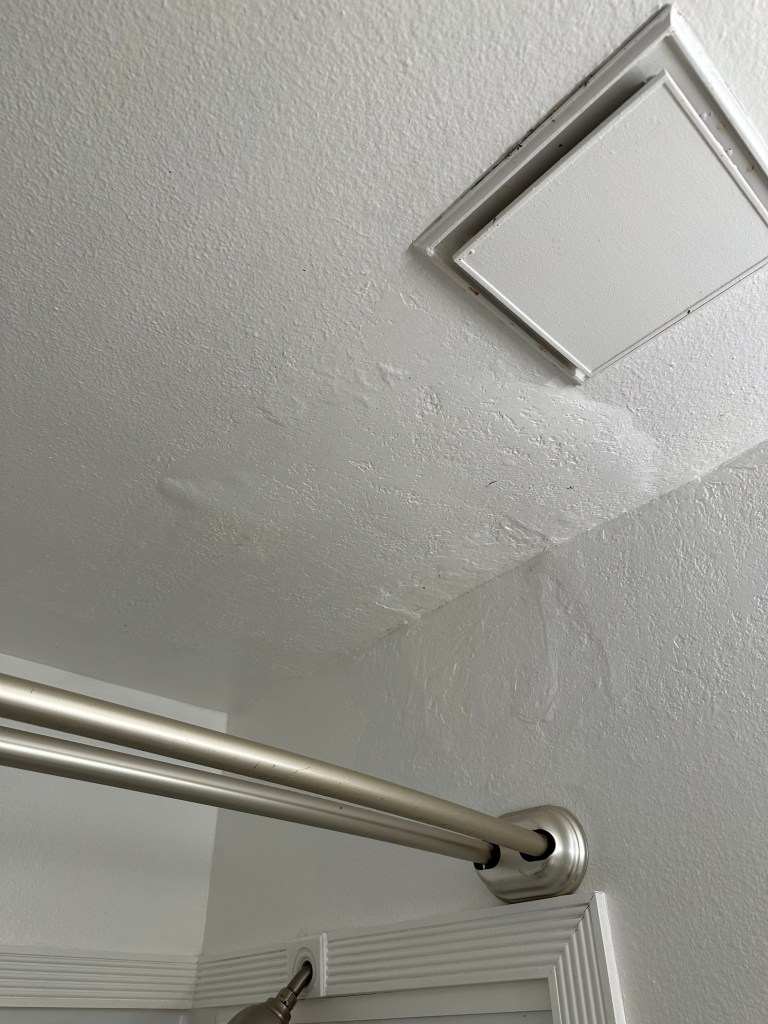
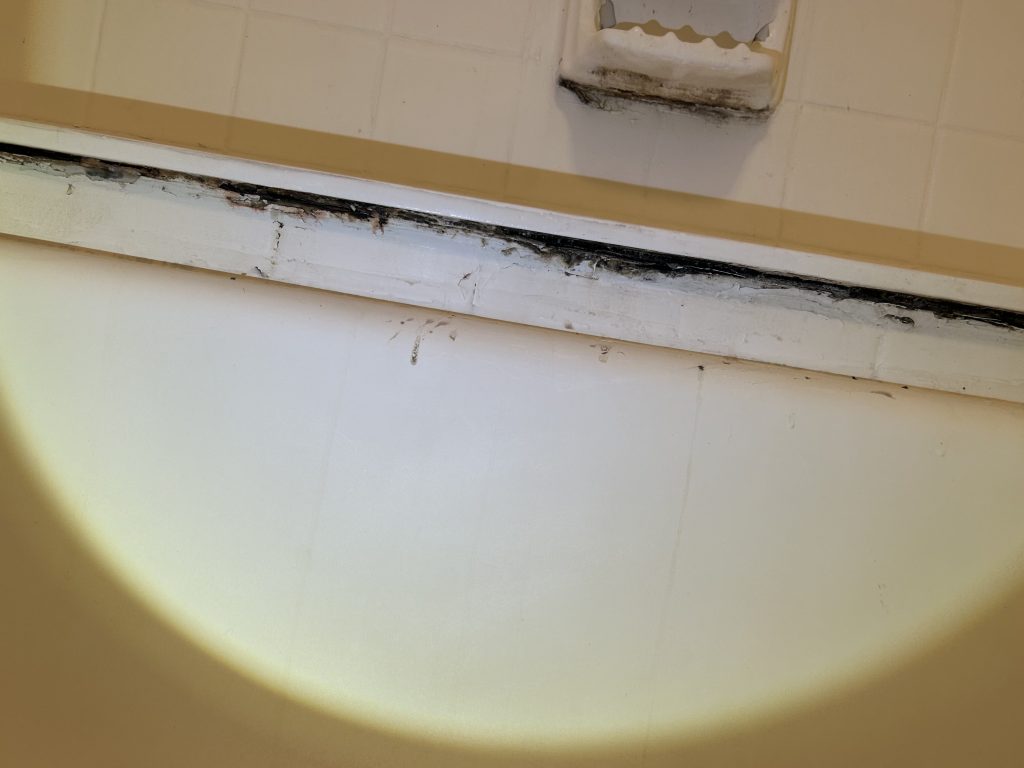
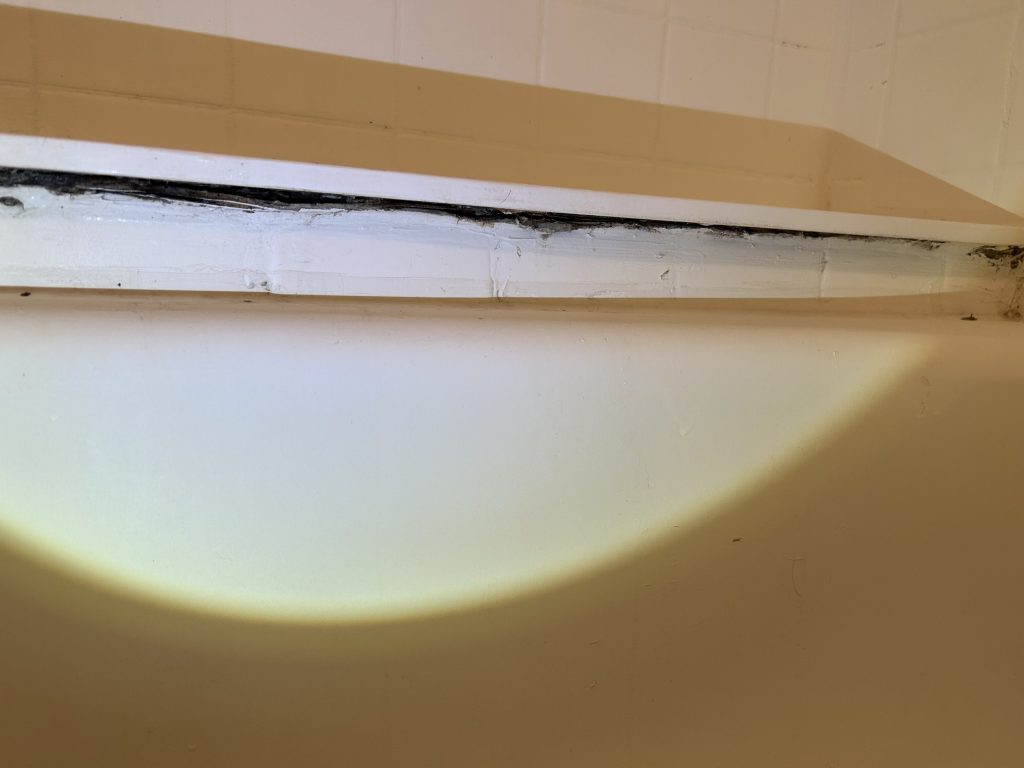
- Shower: Examine the shower caulking and grout for discoloration, which can indicate mold growth.

5. Laundry Room
- Washing Machine: Inspect inside the washing machine, especially around the rubber seal in front-loading models. Clean the seal regularly.
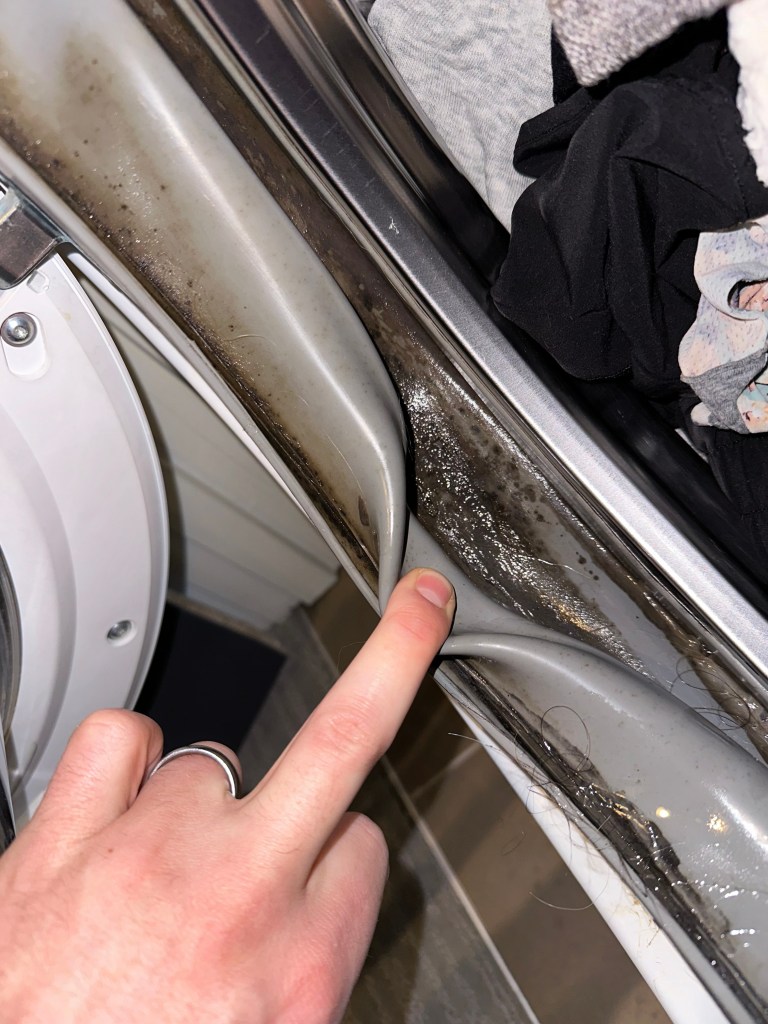
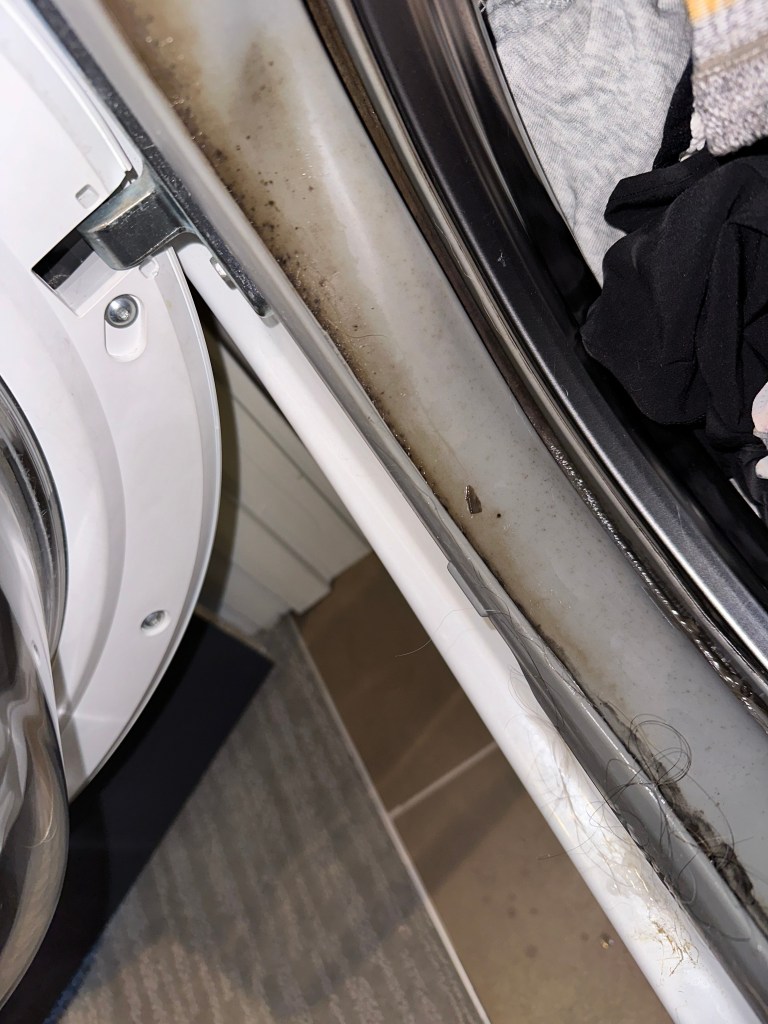
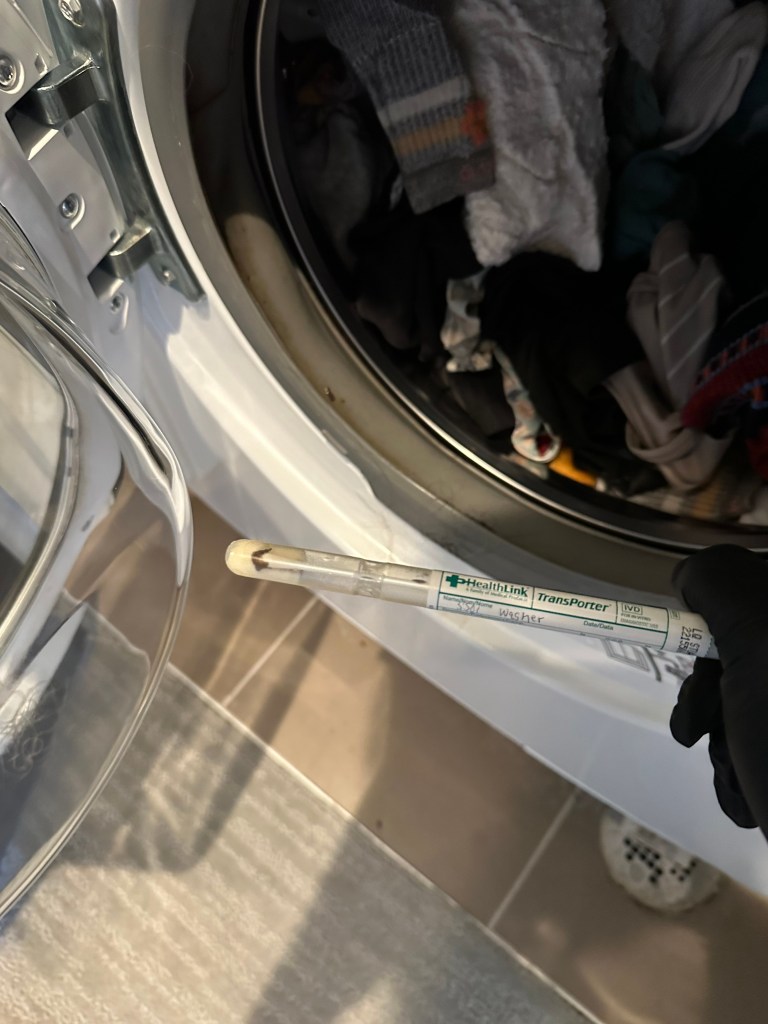
- Behind/around Washing Machine: Check for leaks and water stains.


- Under Sinks: Look for any signs of water damage.
6. Bedrooms/Living Rooms/Family Room
- Walls/Baseboards/Ceilings: Inspect all walls, baseboards, and ceilings for water damage or discoloration.

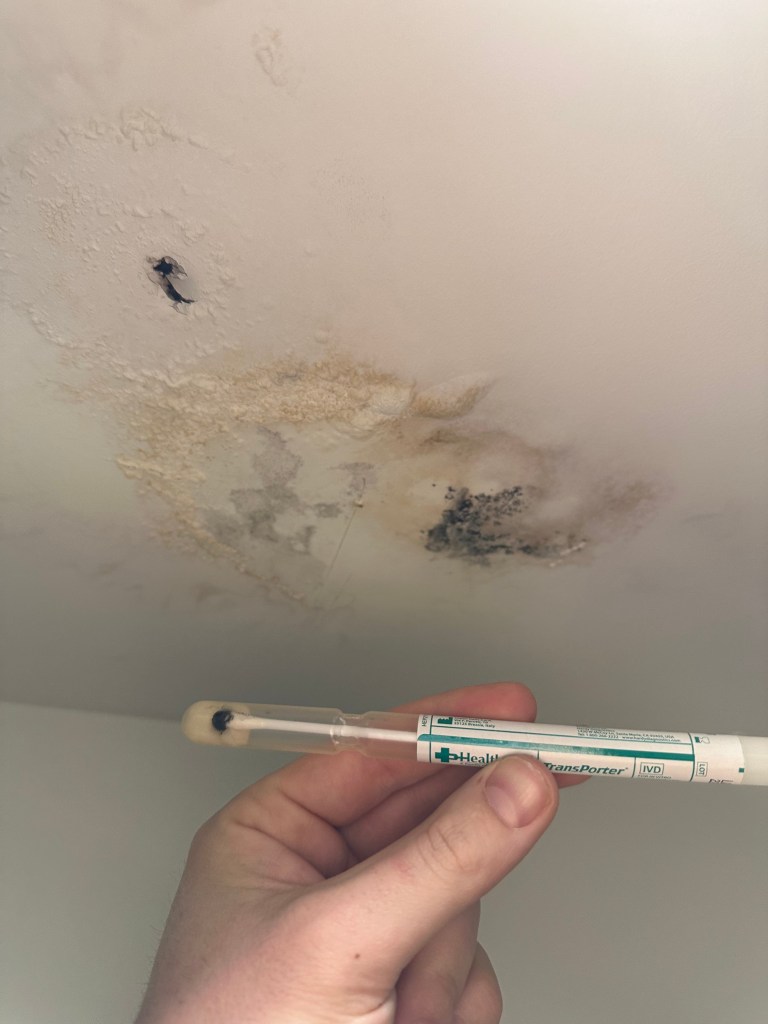
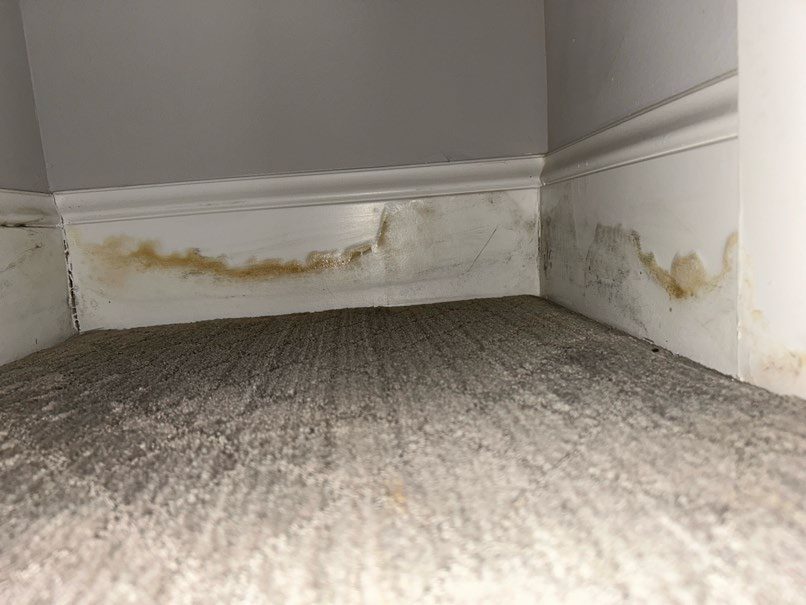

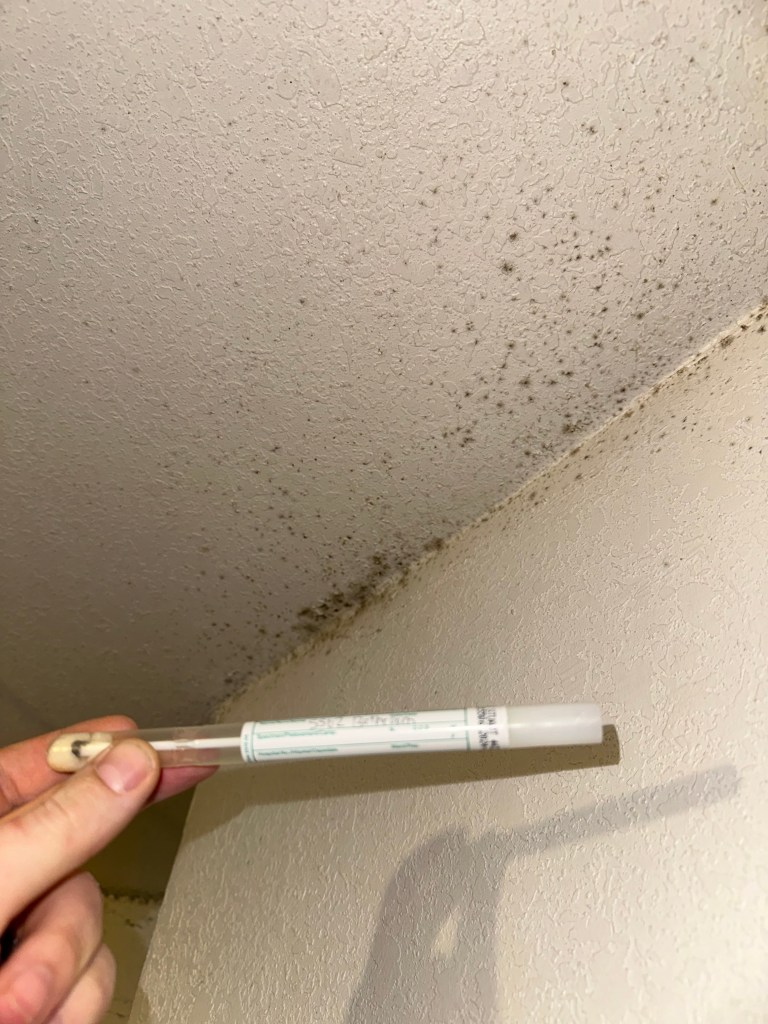
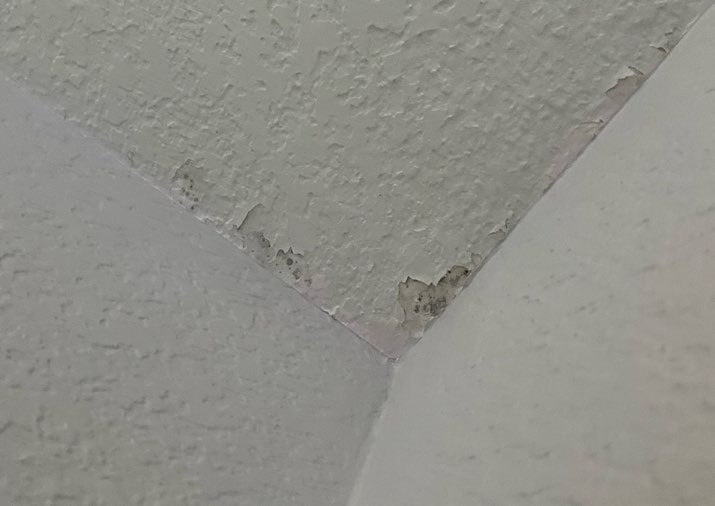
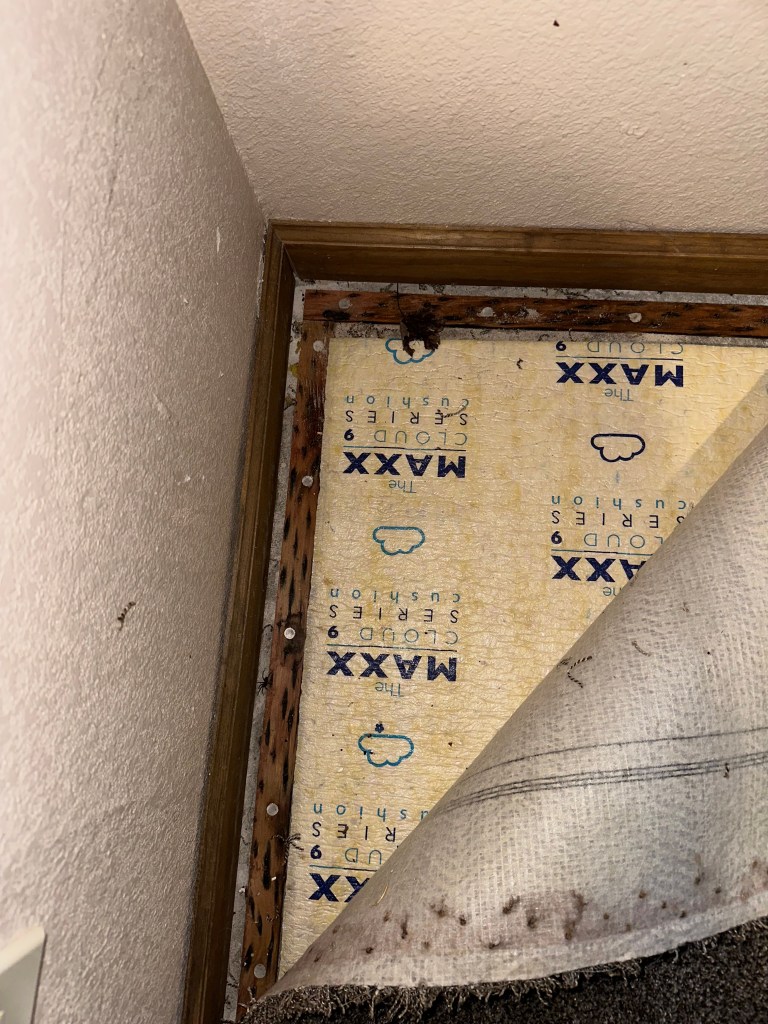
- Carpet: Move the carpet back and inspect the carpet tack strips for discoloration, which can indicate water damage.


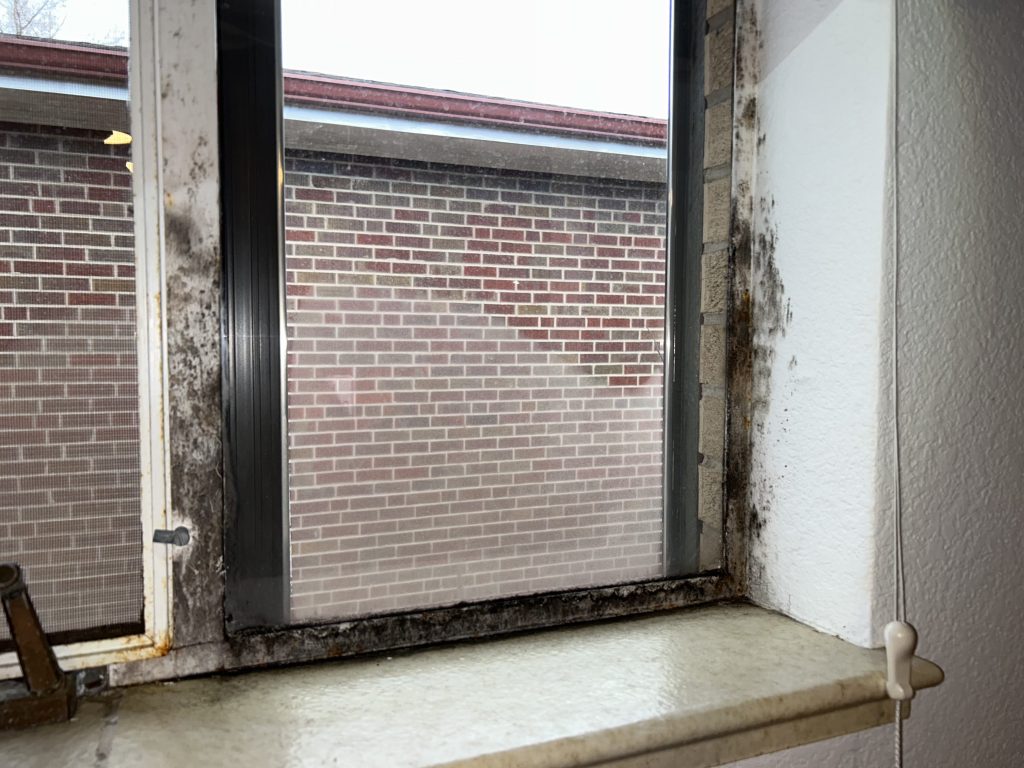
- Windows: Check window caulking for cracks, which can allow water inside the home. Inspect for water damage, water staining, cracking, etc.


7. Attics
- Airflow: Ensure the attic has proper airflow and no storage items that could block ventilation.
- Vents: Check for soffit vents and an attic fan to maintain airflow.
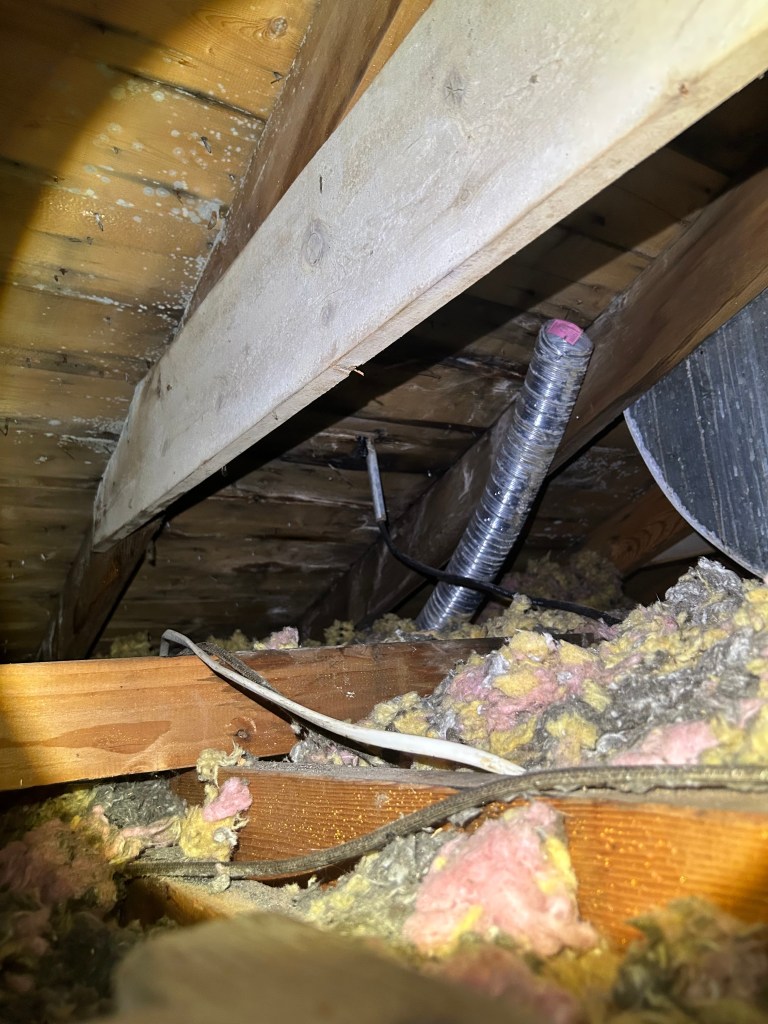
- Water Damage: Look for signs of water damage or discoloration in the attic.


8. Exterior
- Siding: Inspect the siding for damage, which can allow water to enter the home.
- Slope: Check the slope around the house to ensure it directs water away from the foundation.
- Gutters: Ensure gutter downspouts discharge water at least 4 feet away from the house to prevent water accumulation near the foundation.
Additional Tips
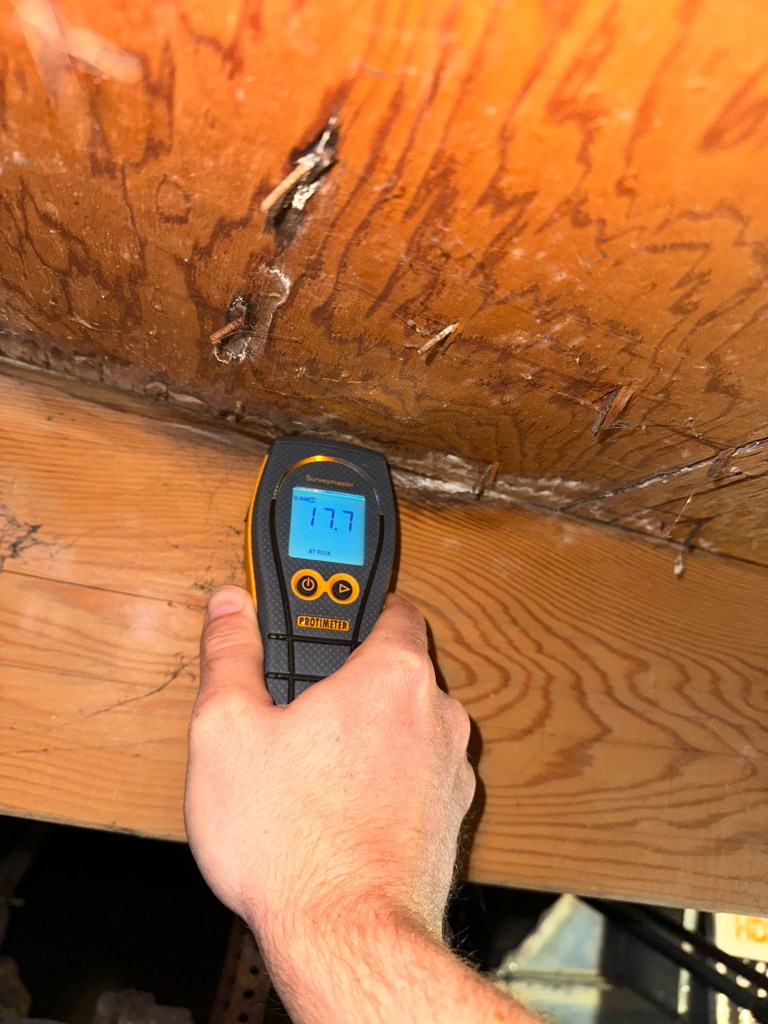
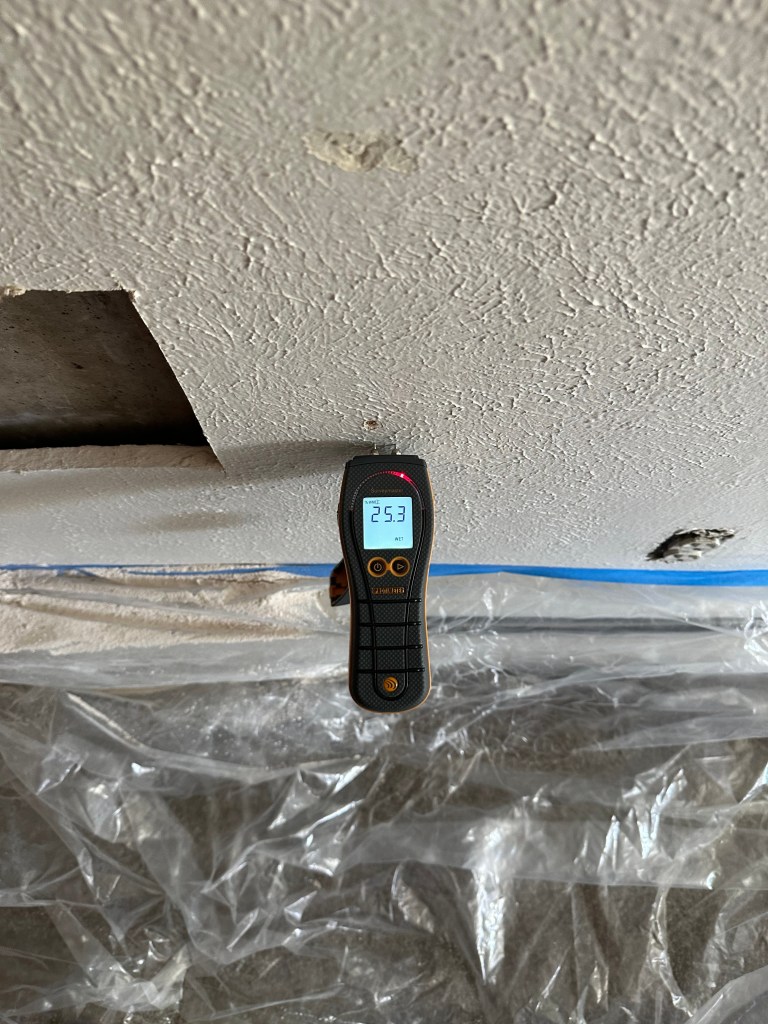
- Use a Moisture Meter: A moisture meter can help detect hidden moisture in walls, floors, and ceilings, which is a common cause of mold growth.

- Check for Musty Odors: Musty smells are a strong indicator of mold presence. Pay attention to these odors during your inspection.
- Monitor Humidity Levels: Use a hygrometer to monitor indoor humidity. Ideally, keep humidity levels below 60% to prevent mold growth.
- Inspect Regularly: Conduct regular inspections, especially after heavy rains, to catch any water damage early.
By following this inspection guide, you can inspect your house thoroughly and identify potential mold problems early. After you have sampled your home for mold, understand the mold results and potential risks here.