Ensuring clean water is critical for health, as bacterial contamination can lead to serious illnesses. Learning how to test water for bacteria helps identify risks like E. coli or Legionella, which can thrive in untreated water sources. By avoiding common pitfalls, you can ensure accurate results and protect your household, using reliable resources like Teton Environmental for guidance or water testing services. Research from the Environmental Working Group (EWG) reveals that PFAS, or “forever chemicals,” have contaminated drinking water in over 7,400 U.S. locations, potentially exposing more than 130 million Americans to health risks like weakened immunity, hormonal disruption, and thyroid issues.
Testing water for bacteria is a proactive step to safeguard your health.
Why Bacteria Testing in Water Matters
Bacterial contamination in drinking water poses significant health risks, including gastrointestinal issues and infections. Understanding how to test for bacteria in water empowers you to detect harmful pathogens early, preventing potential outbreaks. Professional services, like water testing services for chemicals, often include bacterial analysis to ensure comprehensive water safety.
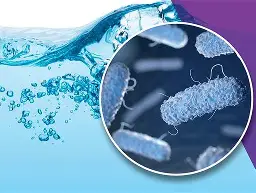
Regular testing is essential for peace of mind.
Common Sources of Bacterial Contamination in Water
Bacteria can infiltrate water through various environmental and human-related sources, compromising its safety. Testing water for bacteria helps identify these risks, while bacteria testing for water ensures you address contamination promptly. Sources like corroded pipes can also introduce bacteria, making water lead testing a complementary precaution.

Knowing contamination sources improves prevention strategies.
Waste, Fecal Matter, and Runoff
Agricultural runoff and sewage leaks often introduce bacteria like E. coli into water supplies. Heavy rainfall can exacerbate this by carrying contaminants into wells or reservoirs. Regular testing helps detect these issues before they affect your health.
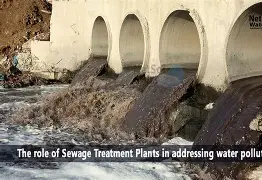
Runoff is a leading cause of bacterial contamination.
Insects and Environmental Exposure
Insects, rodents, or birds near water sources can transfer bacteria through direct contact or droppings. Open wells or improperly sealed storage tanks are particularly vulnerable to environmental exposure. Testing ensures these hidden threats are identified early.
Environmental exposure requires vigilant monitoring.
How to Test Water for Bacteria: DIY Kits Vs Professional Testing
Deciding how can I test water for bacteria involves weighing the convenience of DIY kits against the precision of professional testing. DIY kits are affordable and allow water testing for bacteria at home, but they may lack the sensitivity of lab-based methods. Professional testing provides detailed results and expert interpretation, ensuring accuracy.
Choose the method that aligns with your needs.
Mistake #1: Not Testing Frequently Enough
Infrequent testing can allow bacterial growth to go unnoticed, especially in private wells or older plumbing systems. Water testing for bacteria should be done at least annually, or more often if you notice changes in water taste or smell. Testing for bacteria in water regularly helps catch issues before they escalate.
Consistency in testing prevents health risks.
Mistake #2: Using Non-Certified or Expired Test Kits
Using unreliable or expired kits can lead to inaccurate results, giving a false sense of security. When considering how can water be tested for bacteria, always choose certified kits from reputable suppliers. Bacteria testing for water with outdated tools may miss dangerous contaminants, compromising safety.

Certified kits ensure reliable outcomes.
Mistake #3: Collecting Water Samples Improperly
Improper sample collection, such as using unsterilized containers, can contaminate results and skew findings. To test for bacteria in water, follow strict guidelines, like running the tap for a minute before collecting. Testing for bacteria in water requires precision to avoid misleading data.
Proper sampling is critical for accuracy.
Mistake #4: Ignoring pH and Other Water Quality Indicators
Bacterial growth often correlates with pH imbalances or other water quality issues, which DIY kits may overlook. A comprehensive water test for bacteria should include checks for pH, turbidity, and chemical contaminants. Ignoring these factors can mask underlying problems, increasing health risks.
Holistic testing reveals hidden issues.
Mistake #5: Misinterpreting or Skipping Results Verification
Misreading test results or failing to verify them with a lab can lead to incorrect conclusions. When learning how to test for bacteria in water, ensure results are clear and, if needed, confirmed by water testing services for bacteria. Verification ensures you act on accurate information.
Accurate interpretation is key to safety.
Mistake #6: Failing to Seek Professional Testing When Needed
While how to test water for bacteria at home is convenient, complex cases require professional expertise. Water testing services for bacteria offer advanced equipment and detailed analysis, especially for persistent contamination. Delaying professional help can exacerbate health risks from undetected pathogens.
Professional testing resolves complex issues.
Discover Professional Bacteria Testing with Teton Environmental
For reliable results, how to test water for bacteria at home may not always suffice, especially for well water or suspected contamination. Teton Environmental provides expert testing through their Environmental Testing Services, ensuring thorough analysis. A professional water test for bacteria can detect issues missed by DIY methods, offering peace of mind.
Trust professionals for comprehensive water safety.