Construction sites are dynamic environments where soil disruption is inevitable, making erosion control a critical priority. How to prevent soil erosion on a construction site requires a strategic approach to stabilize soil and manage stormwater runoff effectively. By exploring what is a way to prevent soil erosion, such as installing silt fences or using vegetative cover, contractors can protect their sites from environmental and regulatory challenges. The National Menu of Best Management Practices (BMPs) for Stormwater-Construction provides detailed guidelines for compliance, while Teton Environmental’s erosion control methods offer practical solutions tailored to your project. Implementing methods of controlling soil erosion not only safeguards the environment but also prevents costly delays and fines.
Proactive erosion control ensures project success.
What is Soil Erosion?
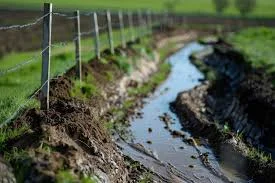
Soil erosion is the displacement of topsoil by natural forces like wind and water or human activities such as construction. On construction sites, soil erosion prevention is essential to avoid sediment runoff that can pollute nearby streams, rivers, and lakes, harming aquatic ecosystems. Ways to prevent soil erosion, such as barriers, mulching, or vegetation, stabilize soil and maintain site integrity. Without these measures, eroded soil can clog drainage systems, degrade water quality, and lead to regulatory violations. Understanding the causes and impacts of erosion helps contractors prioritize effective control strategies. Erosion control is not just a regulatory requirement but a commitment to environmental stewardship.
Erosion prevention protects both your site and the environment.
What is Soil Erosion on Construction Sites Caused By?
Construction activities like grading, excavation, and vegetation removal expose soil to erosion risks. Heavy rainfall, especially on unprotected slopes, accelerates soil displacement, carrying sediment off-site. Steep terrain, loose soil, and inadequate drainage systems further exacerbate the problem. Poor site planning can amplify these issues, leading to significant soil loss and environmental damage. Working with experienced erosion control contractors can help identify site-specific risks and implement tailored solutions. Early intervention is key to minimizing erosion and ensuring compliance with local regulations.

Site conditions dictate erosion risks.
How to Prevent Soil Erosion on a Construction Site
Effective erosion control involves a combination of structural and natural solutions tailored to the site’s needs. 5 ways to prevent soil erosion include barriers, vegetative cover, and drainage systems, each addressing specific erosion challenges. What is a way to prevent soil erosion depends on factors like soil type, slope, and weather conditions, but all methods aim to stabilize soil and manage runoff. Teton Environmental specializes in designing customized erosion control plans that meet regulatory standards and project goals. By implementing these strategies early, contractors can avoid costly remediation and protect surrounding ecosystems. A well-planned approach ensures long-term site stability and environmental compliance.
Strategic planning prevents erosion challenges.
1. Silt Fences and Sediment Barriers
Silt fences, made of permeable geotextile fabric, are a cornerstone of preventing soil erosion on construction sites. Installed along slopes or site perimeters, they capture sediment while allowing water to pass through, reducing runoff into nearby water bodies. Proper installation, with stakes securely anchored and fabric buried, ensures maximum effectiveness. Regular maintenance, such as removing trapped sediment, is essential to prevent breaches during heavy rain. Silt fences are cost-effective and widely used, making them ideal for projects of all sizes. Combining them with other measures enhances overall erosion control.
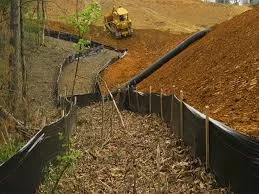
Silt fences are a reliable first line of defense.
2. Mulching and Temporary Vegetative Cover
Mulching with straw, wood chips, or gravel protects exposed soil from rain and wind, reducing erosion risks. How to prevent soil erosion on steep slopes often involves plants to prevent soil erosion, such as fast-growing grasses or legumes, which anchor soil with their root systems. Temporary vegetation provides immediate stabilization while permanent landscaping is established. Mulch also retains soil moisture, promoting seed germination and long-term soil health. This method is particularly effective on slopes or areas with high runoff potential. Contractors should select materials suited to the site’s climate and soil conditions for optimal results.
Natural cover stabilizes soil effectively.
3. Diversion Ditches and Swales
Diversion ditches and swales are engineered channels that redirect stormwater away from vulnerable areas, minimizing soil displacement. These soil erosion prevention techniques are critical on sites with steep slopes or heavy rainfall, where runoff can erode loose soil. Lining ditches with gravel or vegetation enhances their durability and reduces sediment transport. Regular inspections ensure channels remain clear of debris, maintaining their effectiveness throughout the project. Properly designed swales also improve site drainage, reducing the risk of flooding. This method is a proactive way to manage water flow and protect soil integrity.
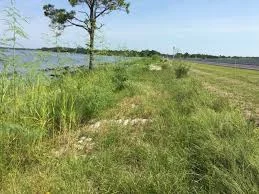
Redirecting water prevents soil loss.
4. Stabilized Construction Entrance
A stabilized construction entrance, typically made of crushed stone or gravel, prevents vehicles from tracking soil off-site, a key component of methods of controlling soil erosion. By providing a designated entry and exit point, it minimizes sediment spread to roads and waterways. Regular maintenance, such as replenishing stone or removing mud, ensures the entrance remains effective. This measure is particularly important for sites with heavy vehicle traffic, where soil disturbance is frequent. Combining stabilized entrances with other controls, like silt fences, creates a comprehensive erosion management system. Contractors should monitor entrances daily to maintain their functionality.
Stabilized entrances reduce off-site sediment.
5. Erosion Control Blankets or Mats
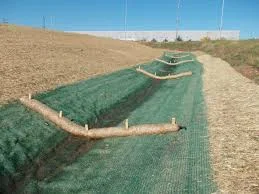
Erosion control blankets, made of biodegradable materials like straw or synthetic fibers, protect bare soil from rain and wind. They are particularly effective on slopes or areas awaiting permanent vegetation, promoting seed germination while stabilizing soil. These blankets degrade over time, leaving behind a stabilized landscape with established vegetation. Contractors should choose blankets based on site conditions, such as slope gradient and expected rainfall. Proper installation, with secure anchoring, ensures they withstand weather events. Erosion control blankets are a versatile tool for soil erosion prevention, offering both immediate and long-term benefits.
Blankets provide durable soil protection.
Purpose of Erosion & Sediment Control
Erosion and sediment control measures are designed to protect water quality, preserve soil resources, and ensure compliance with environmental regulations. Preventing soil erosion on construction sites prevents sediment from polluting nearby water bodies, which can harm aquatic life and degrade ecosystems. These measures also reduce the risk of costly fines and project delays due to non-compliance with regulations like the Clean Water Act. By implementing soil erosion prevention, contractors demonstrate environmental responsibility and protect their project’s reputation. Effective control also minimizes soil loss, preserving the site’s foundation for future development. Long-term benefits include healthier ecosystems and sustainable construction practices.
Erosion control safeguards both environment and project.
Teton Environmental’s Erosion Control Services
At Teton Environmental, we provide comprehensive ways to prevent soil erosion, from site assessments to customized control plans. Our services include installing silt fences, erosion blankets, and vegetative cover, tailored to your site’s specific needs. Our team ensures compliance with local and federal regulations, minimizing environmental impact. We also offer ongoing monitoring to maintain the effectiveness of erosion controls throughout your project. Visit our erosion control services page to explore how we can support your construction goals. Partnering with us ensures a stable, compliant, and environmentally responsible site.
Our expertise delivers reliable erosion solutions.
Why Choose Teton Environmental?
Our experienced team combines technical expertise with a commitment to sustainable practices, ensuring effective erosion control. We provide clear guidance, helping clients understand each step of the process and its benefits. Teton Environmental’s tailored solutions, backed by years of experience, make us a trusted partner for construction projects of all sizes. We prioritize client satisfaction, offering responsive service and proactive problem-solving. Our state-of-the-art techniques ensure your site remains stable and compliant. Choose Teton Environmental for peace of mind and professional results.
We’re your partner in sustainable construction.
Protect Your Site with Expert Erosion Control
Implementing soil erosion prevention techniques is critical for any construction project, whether a small residential build or a large commercial development. From silt fences to vegetative cover, these strategies protect your site and the surrounding environment. Contact Teton Environmental or visit our Environmental Testing Services to schedule a consultation and develop a customized erosion control plan. Our team will guide you through every step, ensuring compliance and site stability. Don’t let erosion derail your project—act now to protect your investment. Effective erosion control is a proactive investment in your project’s success.
Secure your site with expert solutions.
Customer Reviews
Our clients consistently praise our thorough and professional approach to erosion control. A project manager shared, “Teton Environmental’s solutions kept our site compliant and on schedule.” Another client noted, “Their team’s expertise made erosion control seamless and effective.” These testimonials reflect our commitment to delivering high-quality, reliable services. Clients appreciate our clear communication and tailored strategies. Partner with us for results you can trust.
Real clients, real success stories.