Winter usually means warmer indoor air, sealed windows, and reduced ventilation. These conditions silently motivate mold growth and moisture buildup. For homeowners, understanding how to prevent mold during winter is necessary to protect the home’s structure and everyone’s health indoors.
When humidity levels rise in basements, small leaks go unnoticed, and condensation forms on windows, mold grows faster. Therefore, homeowners need to take proactive steps to prevent mold in winter. It helps reduce expensive repairs. The same goes for foul odors and health concerns associated with poor indoor air quality.

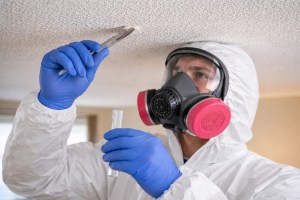
Owners can stay ahead of the problem if they recognize early warning signs and address moisture issues promptly. In some cases, professional mold inspection and testing may become necessary to identify hidden mold sources before the fungus spreads.
Do you want to prevent mold during winter? This blog will discuss winter-specific practical strategies. Keep your home healthy and mold-free throughout the colder months.
Key Takeaways
- Control indoor humidity in winter. Plus, keep moisture levels stable. It’s the most effective way to stop mold.
- Homeowners should use a dehumidifier in winter. The solutions help in managing excess moisture caused by daily activities and condensation.
- Consistent airflow prevents stagnant moisture, making it necessary to improve air circulation throughout the home.
- Professional support from experts like Teton Environmental helps detect hidden moisture problems early.
Fifteen Tips on How to Prevent Mold During Winter
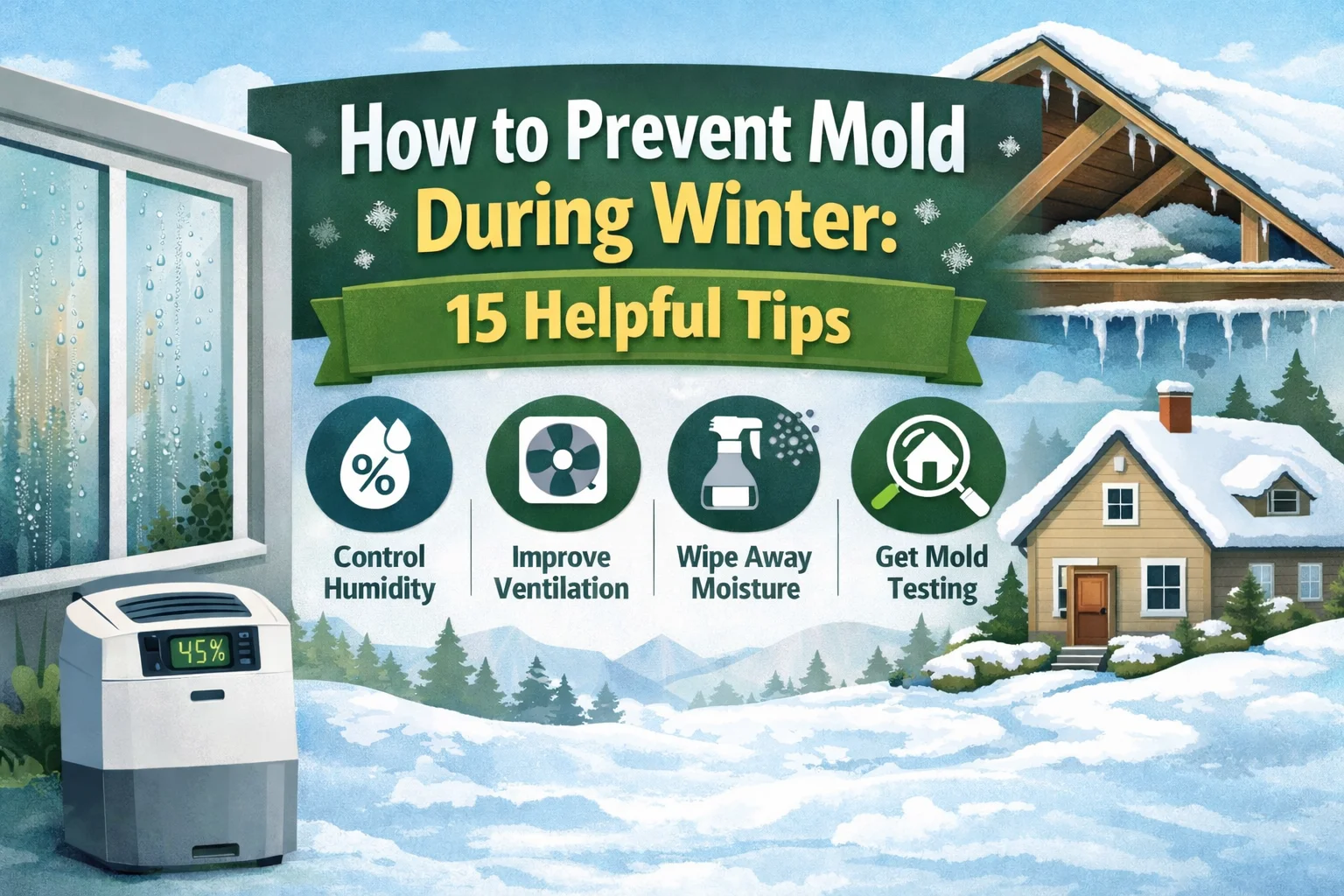
Here are 15 proven homeowner-friendly strategies for reducing moisture buildup and protecting your home throughout the colder months. Each tip concentrates on limiting excess humidity. Homeowners can use it to improve airflow and address common winter-related moisture sources that increase mold problems
Keep Humidity Below 60%
Humidity inside your home should ideally be between 30% and 50%. When levels rise above 60%, mold develops quickly. So use a hygrometer to control indoor humidity in winter especially in moisture-prone spaces like basements and bathrooms.
Use Exhaust Fans
Kitchens and bathrooms generate steam every day. Therefore during and after cooking or showering, run exhaust fans. These improve ventilation to prevent mold by removing damp air before it settles on ceilings and walls.
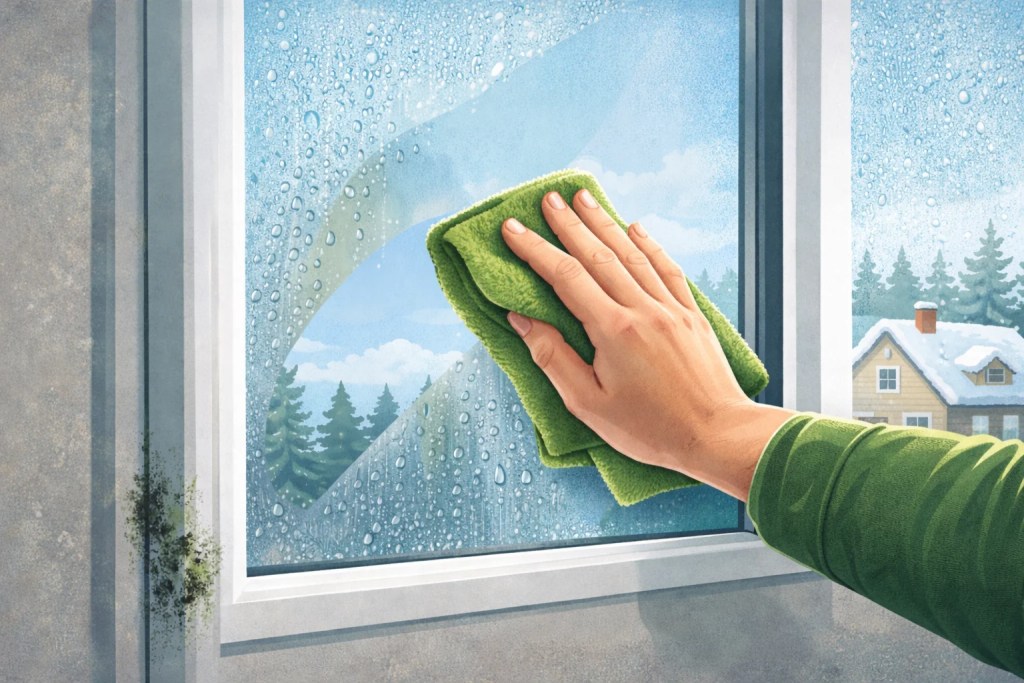
Wipe Down Condensation
During winter, your windows often collect moisture. Regularly wipe down moisture and leaks on frames and sills. Doing so prevents mold from forming in these ignored areas.
Vent Clothes Dryers
A dryer that vents releases moist, warm air into the home. Proper outdoor venting in utility spaces and laundry rooms is important to prevent mold in winter.
Avoid Indoor Drying
When you dry clothes indoors it releases a significant amount of moisture into the air. This drying makes it harder to control indoor humidity in winter, especially in smaller or poorly ventilated homes.
Open Windows
Open windows on dry winter days. Briefly opening windows allows fresh air circulation. It supports ventilation to prevent mold without lowering indoor temperatures.
Move Furniture Away From Walls
Do you have furniture placed tightly against the walls? If so, then airflow is getting restricted, resulting in mold growth. Move furniture away from walls to help prevent trapped moisture and improve air circulation.
Use Ceiling Fans
It’s not necessary to use ceiling fans only in summer. Homeowners can run them on low speed during colder days. The fans evenly distribute warm air and prevent moisture from settling on cold surfaces.
Open Blinds Daily
When natural sunlight falls on the interior surfaces, it helps reduce condensation on windows. Therefore, open blinds daily, particularly on cold mornings, to prevent moisture buildup.
Immediately Repair Leaks
The smallest plumbing leaks lead to significant mold issues over time. Immediately wipe down moisture and leaks. And repair damaged fixtures. This stops problems at the source.
Clean Mold-Prone Areas
Basements, kitchens, and bathrooms require routine cleaning. Use genuine mold prevention products to clean the mold-prone areas. It helps remove spores before they spread.
Check Gutters
Are your gutters clogged? Check them. Choked gutters cause water to collect near the foundation. Proper drainage plays a vital role in basement mold prevention, especially when winter snow melts.
Proper Storage
How and where do you store items? If you have been storing casually, please stop. Store items in breathable containers and avoid placing boxes directly on basement floors. Otherwise poor storage traps moisture, increasing the risk of mold damage.
Keep Home Warm
Keep your home warm. Consistent indoor heat decreases cold surfaces where condensation forms. This technique makes it easier to prevent mold in winter throughout the home.
Insulate Pipes
Such pipes reduce condensation and prevent freezing. Lowering overall moisture levels in walls, basements, and crawlspaces.
Buy Mold Prevention Paint
Want additional protection? Buy mold prevention paint in high-risk areas.
Maintain A Proper Dehumidifier
Maintain a proper dehumidifier setting to prevent mold.
In a few cases a home mold test kit, learning how to get rid of mycotoxins in your home, or understanding what do mold spores look like helps in identifying problems early to keep winter mold under control.
Get Your Home Tested
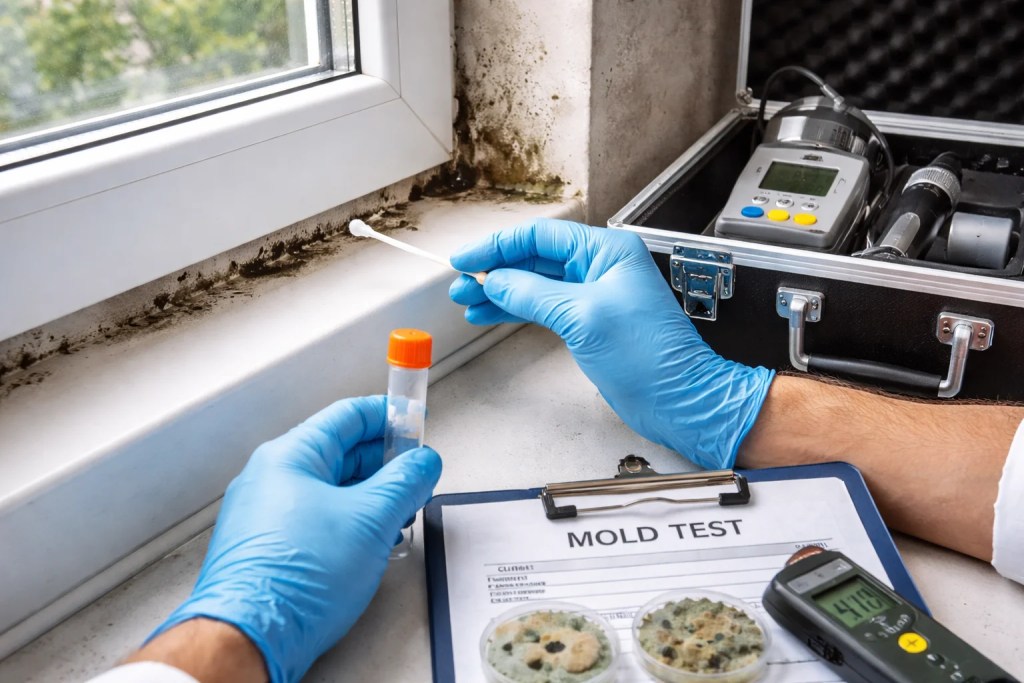
Despite following best practice for controlling moisture, hidden issues can still develop. Homeowners might notice growth behind walls, under flooring, or inside HVAC systems.
In winter, these problems become harder to detect as condensation and limited airflow usually mask early warning signs. Therefore, professional inspections are recommended. The experts identify concerns before they escalate into expensive damages or health risks. Certified specialists benefit from advanced tools to locate moisture sources. Their equipment also detects mold colonies and recommends solutions that improve air circulation throughout the home and prevent mold in winter.
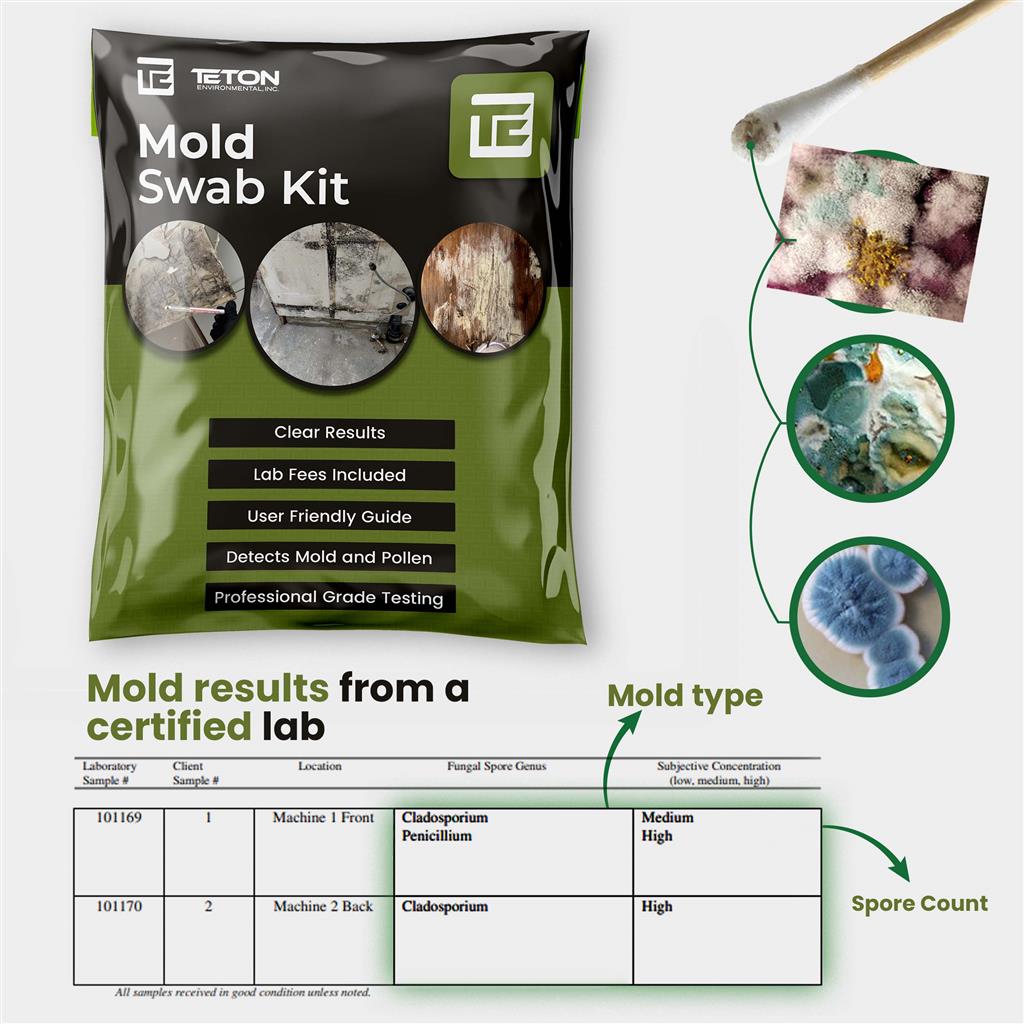
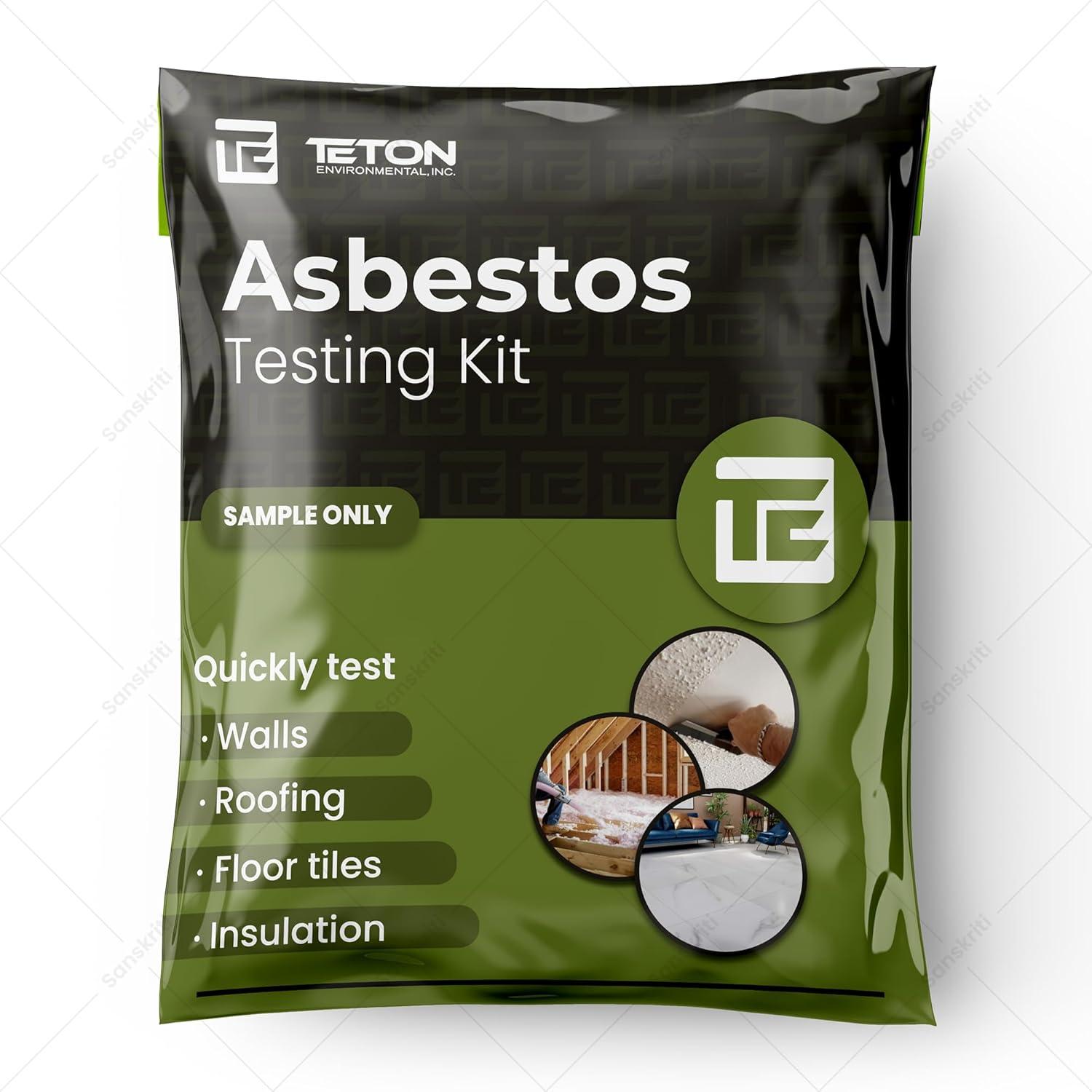
Mold Test Kit – Lab Fees Included, 1 Swab can Detect 20+ Mold Types & Pollen, Easy-to-Use Guide, Professional-Grade Testing
If you notice persistent odors, moisture issues, and unexplained allergy symptoms, consider mold inspection and testing. Its the safest and most reliable solution. Testing uncovers mold in multiple areas: crawl spaces, attics, basements, and invisible ventilation systems. Early
detection allows homeowners to address the root cause before mold spreads further.
Therefore homeowners seeking reliable mold testing Denver Colorado services can contact Teton Environmental. They are a trustworthy mold remediation company known for in-depth assessments and customized remediation plans.
Homeowners can count on them as their expertise ensures accurate results and recommendations with long-term protection.
FAQs
H3: Why is mold worse in winter?
During winter mold thrives indoors. It’s because homes are tightly sealed which traps moisture. Warm indoor temperatures and limited airflow motivate mold growth on damp surfaces.
H3: Will a dehumidifier prevent mold?
Use the proper dehumidifier setting to prevent mold. It helps regulate moisture and supports using a dehumidifier in winter. Just set it correctly and you are good to go.
H3: Does mold grow in the cold?
Mold growth slows in cooler temperatures. However, the fungus multiplies indoors because heating systems create warm, moist environments allowing mold to survive and spread easily.

H3: What temperature prevents mold in winter?
No single temperature entirely stops mold. Control moisture and maintain warmth. Pairing it with ventilation to prevent mold is the best approach.
link to GBP CID link: https://maps.google.com/maps?cid=14950218088920182749