When floodwaters invade your home, the damage isn’t over once the water recedes. Behind wet walls and under moist floors, mold from water damage can start growing within 24 hours and pose health and structural threat to your house and health.
When not treated early, it may spread very fast leading to respiratory complications and expensive fixations. Floods can lead to both a bad financial and health experience, which is why you need to know how to prevent mold after a flood.
According to the CDC, mold can begin to grow in flooded homes in as little as 24 to 48 hours if the area isn’t quickly and thoroughly dried out. It is important to take a fast action by doing the right steps. You may think what kills mold after a flood? Read through these 8 steps to find out!
The Risk of Mold Growth After Flooding
When there is flood, the level of moisture in your home increases. Water damages such materials as drywall, carpets, and wood floors, which turn into the perfect breeding grounds for mold from water damage. This may grow in even hidden spaces like basements or attic, which has minimal airflow.

However, is mold from water damage dangerous? Absolutely. Some of these species are able to produce mycotoxins which have an allergic effect, breathing issues, and other health related problems, espcially in the people with asthma or a dysfunctional immune response.
Homeowners often underestimate how fast mold spreads. Even small damp patches can develop colonies in days. This is why early intervention is key and why professional evaluation is worth it. A reliable mold inspection service can identify early growth before it becomes visible or harmful.
To understand what types of mold might be lurking after water damage, read about the types of toxic mold. If you suspect contamination, it’s best to reach out to experts like Teton Environmental, who deals with environmental and mold assessment services.

How to Prevent Mold After a Flood
Mold prevention does not necessarily consist of cleaning, but rather making sure that all damp surfaces are dried, disinfected, and inspected. These eight tips are proven ways to prevent mold.
Step 1: Prioritize Safety Before Entering Your Home
Always ensure that you check your home before you get in. Switch off power when power outlets were flooded. Floodwater may have bacteria or chemicals and in such cases use gloves, boots and a mask for protection.
Step 2: Remove Standing Water Immediately
The longer the water is the greater the chances of your mold. Wipe the water off as fast as possible with a wet vacuum, pump or professional water extraction service.
Step 3: Discard Unsalvageable Items
Mattresses, carpets, drywall, and insulation are porous materials that are usually impossible to save. Have them disposed safely to avoid spreading of the mold spores to the unaffected areas.
Step 4: Clean and Disinfect Surfaces Thoroughly
Use a strong antimicrobial mold spray after flood to kill bacteria and mold spores on all non-porous surfaces. Pay close attention to baseboards, tiles, and concrete floors.
Step 5: Dry Out Your Home Completely
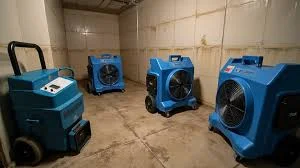
Use industrial fans, dehumidifiers, and open windows to encourage airflow. Even after visible moisture disappears, dampness can remain trapped inside materials.
Step 6: Inspect HVAC Systems and Ductwork
Your HVAC system can circulate contaminated air if it is not properly cleaned. After flooding, make sure ducts are inspected for mold buildup. You can learn more about mold in HVAC systems.
Step 7: Watch for Early Signs of Mold Growth
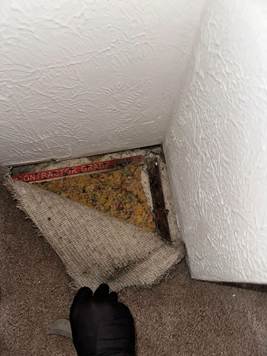
Search musty smell, discoloured walls and fussiness on surfaces. In case you notice them, book an immediate mold visual inspection service to control this problem.
Step 8: Schedule Professional Mold Testing
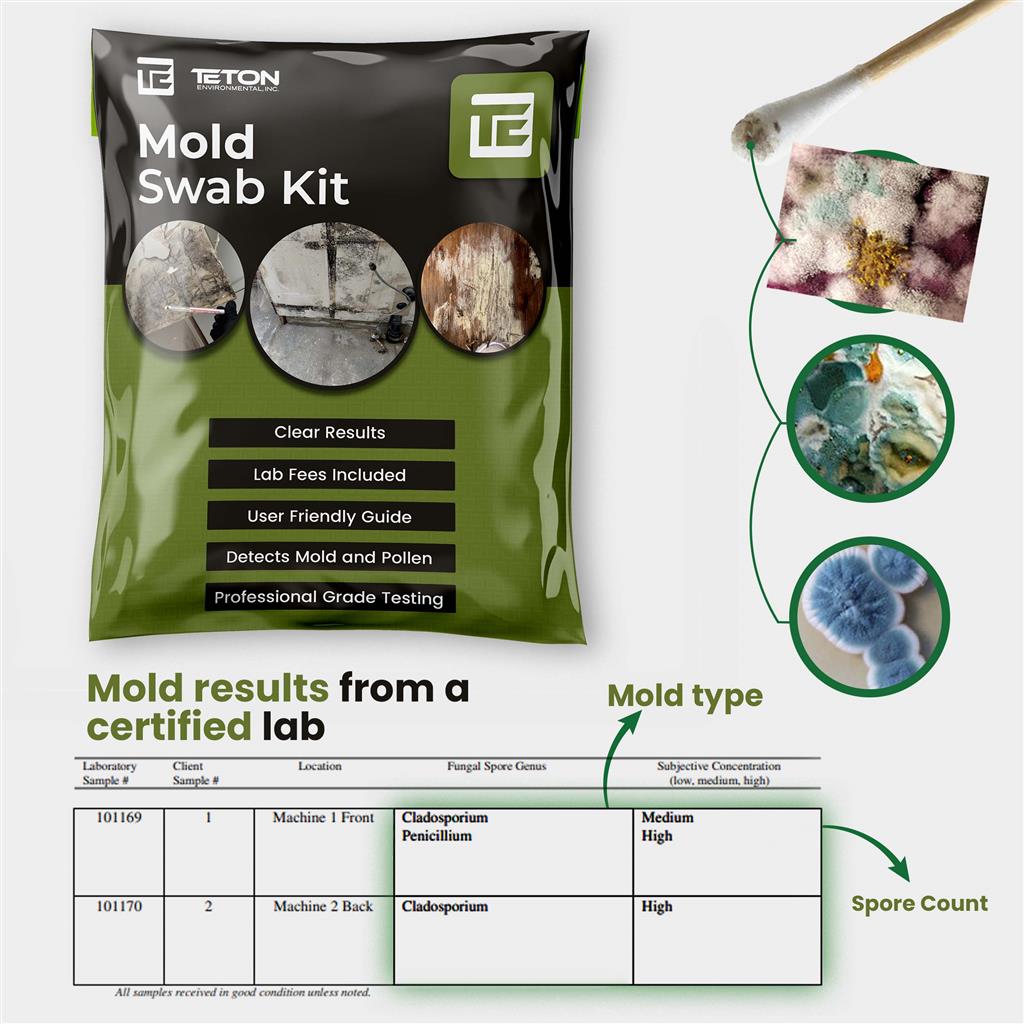
When cleaning is done, some mold can still be left behind the walls or under floors. In case you are in Denver, be in touch with the mold testing Denver experts to have a thorough inspection. Air testing and lab tests are done by these professionals to be sure that your home is mold-free.
Teton Environmental Services Protect Your Home and Family
The recovery after floods does not stop as soon as your floors are dry, the long term protection of your property is provided by regular check-ups and professional tests. Constant moisture problems may lead to recurring water related mold from water damage, even months after.
By cooperating with qualified professionals, you will be sure that your house is safe and healthy. Professional mold testing services can also help spot any form of growth early before it becomes bigger and causes larger infestations.
If you suspect mold or simply want peace of mind, contact Teton Environmental for complete mold inspection and environmental testing. Our experienced team provides quick assessments, advanced sampling techniques, and actionable solutions to safeguard your home and health.