How to identify asbestos in insulation? Many Colorado homeowners wonder this, and for good reason. Homes constructed before the 1990s usually contain older materials, which is why inspectors are often asked is there asbestos in insulation. Vermiculite, an older attic fill, is one of the most common sources, as it’s frequently contaminated with asbestos. Since asbestos can’t be confirmed by plain sight, homeowners are recommended to rely on a professional Asbestos testing service. This helps determine whether insulation houses hazardous fibers and keeps your family safe. Therefore, it’s best to understand what asbestos looks like. And where it appears, so you can identify it the next time you check your attic, walls, or old ductwork.
This blog will explain what asbestos insulation looks like, the commonly found types in Colorado homes, and how to tackle the issue if you suspect contamination.
Key Takeaways
Are you trying to understand how to identify asbestos insulation in attic spaces? This section summarizes the important details:
- Asbestos-containing insulation can be loose-fill, batt-style, or even wrapped around ducts.
- Professional testing is always required for confirmation.
- Colorado’s older housing stock necessitates awareness.
What Is Asbestos and Why It’s Still Common in Colorado Homes?
Colorado homeowners ask is asbestos in insulation. and how it became so widespread. The building material was used for decades due to its fire-resistant quality, affordability, and insulating effectiveness. In short, ideal for Colorado’s cold climate.
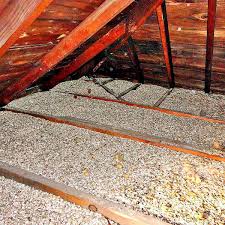
The remaining asbestos comes from old Vermiculite insulation, specifically found in attics.
While asbestos is no longer used in modern residential insulation, older materials are intact. And disturbing them can release harmful fibers. These tiny particles can remain in the air for an extended time. Therefore, whether homeowners plan to remodel, repair, or simply upgrade insulation, the microscopic fibers can be risky. Locals often search for more information about how long do asbestos fibers remain in the air. Prolonged asbestos exposure poses serious health problems.
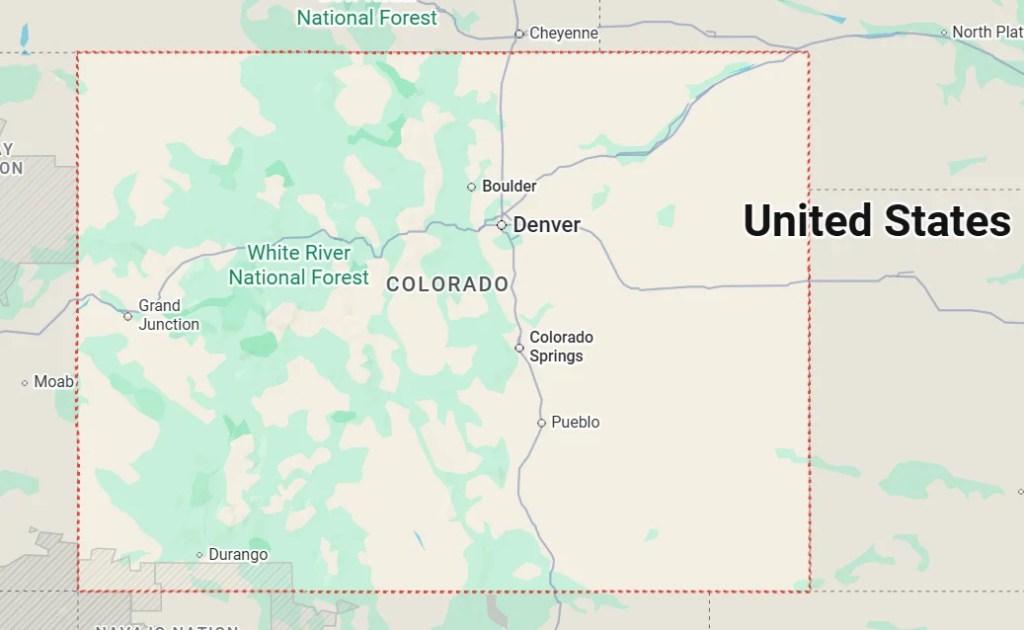
The region has a mixture of historic properties, mid-century homes, and mountain cabins. This means asbestos may still be there despite the house being partially remodeled. To protect your household, understand where these materials were used.
How to Identify Asbestos in Insulation?
How to identify asbestos blown in insulation? Was asbestos used in insulation? What does asbestos insulation look like in attics? Residents ask these questions. It’s because Colorado has a higher number of older homes with loose-fill insulation, so they are curious to learn.
Common Forms of Asbestos-Containing Insulation
Asbestos insulation appears in multiple forms:
Loose-fill or Blown-in Insulation:The loose-fill or blown-in insulation is often gray-brown or shiny gold. The texture is sometimes flaky and lightweight. This is mostly linked to Vermiculite, a mineral usually contaminated with asbestos.
Batt-style Insulation: Older fiberglass batts might contain asbestos. They may have been manufactured with either asbestos adhesives or backing paper.
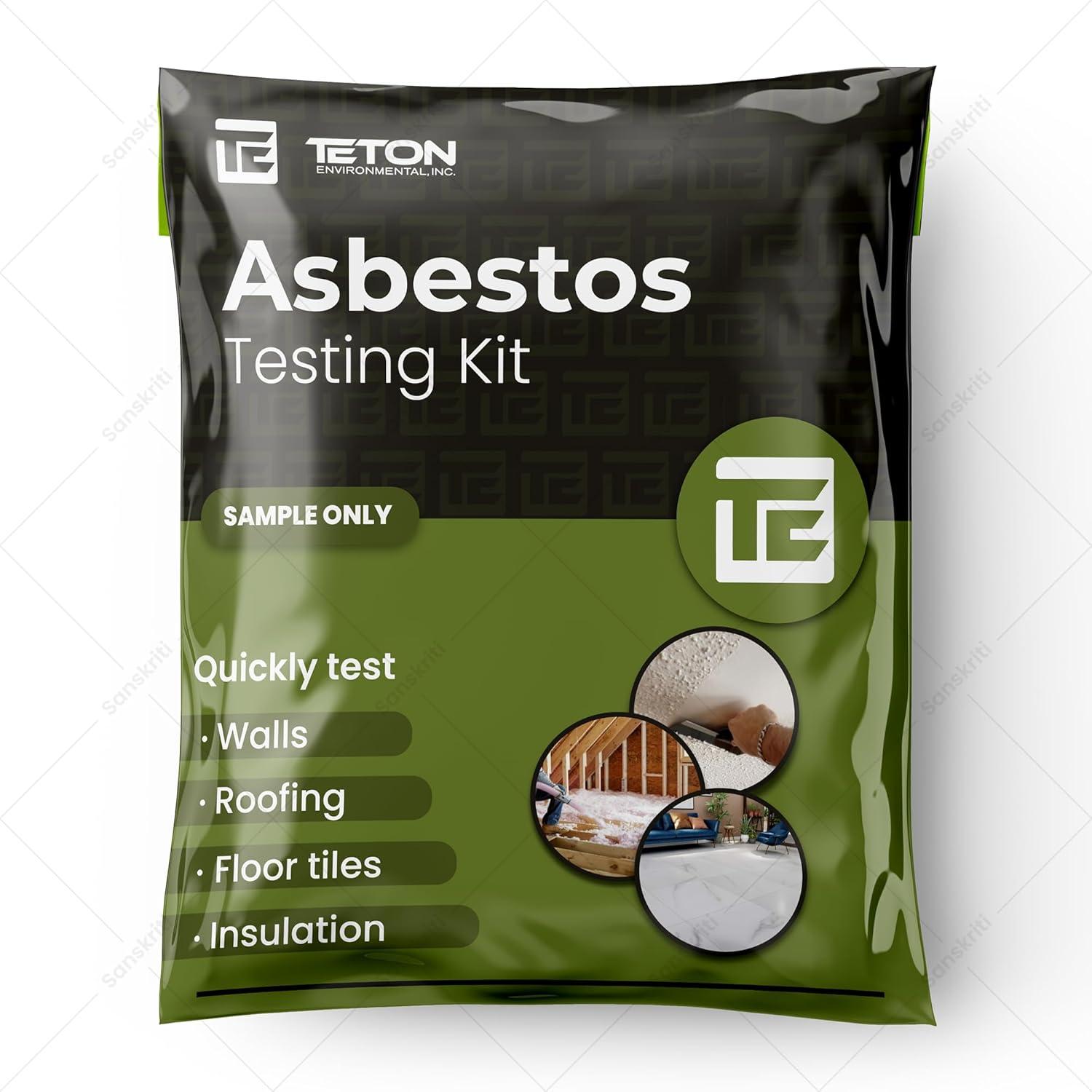
Pipe and Duct Insulation: In pipes and ducts, it’s a white, chalky, or plaster-like wrap. Used on heating systems, ductwork, and elbows.

Spray-applied Insulation: This asbestos-containing insulation is found in some basements, commercial-style homes, and garages.
Can You Identify Asbestos by Sight Alone?
Homeowners ask if they can tell if insulation contains asbestos just by looking at it. Sadly, no. Materials like loose vermiculite raise suspicion, but relying on visual inspection is insufficient.
Laboratory testing is a must for confirmation. Even when insulation looks like known asbestos products, go for an asbestos testing service. The certified testing determines composition with certainty.
Don’t disturb if you observe glittery patches, brittle duct wrap, or pebble-like insulation. Instead, schedule a professional assessment.
When Asbestos Becomes Dangerous (Friable vs. Non-Friable Explained Simply)
When homeowners research renovation safety, they usually ask was asbestos used in insulation. And how dangerous it can become. Let’s make it simple.
Insulation is friable or non-friable. Friable is easily crushed, releasing fibers. Non-friable is more stable. Most older insulation types are friable as they break down over time. This happens in attics, where temperature accelerates deterioration.
It is also the most hazardous. Upon touching, if the insulation crumbles, becomes powdery, or sheds dust when moved, testing should be done instantly. Homeowners wondering when to test for asbestos should consider doing so. Especially, before proceeding to insulate, rewire, remodel, or even store items in old attic spaces.
When Asbestos Is Safe to Leave Alone?
Asbestos is safe to be left alone if:
- Located in an undisturbed area
- It is fully encapsulated or sealed.
- Not exposed to airflow or deteriorating
But even seemingly stable materials can degrade. Colorado’s dramatic temperature fluctuations speed aging. It turns a firm insulation into a friable, hazardous material. Always consult professionals before assuming.
Most Common Places We Find Asbestos in Homes
Contractors assigned to investigate older properties usually encounter blown in asbestos insulation and asbestos in duct insulation. In Colorado homes, these are among the most common forms.
Places Where Asbestos Insulation Is Most Often Found
Attics: Particularly older vermiculite with loose-fill insulation.
Wall Cavities: In homes built before the 1970s. The walls contain blown-in cellulose or mineral wool mixed with asbestos.
Basements and Crawl Spaces: In pipe wrap, duct insulation, and furnace insulation.
Around chimneys and Boilers: Around boilers and chimneys. High-heat applications frequently used asbestos materials.
Above Garages: Many mid-century garages also used asbestos-containing thermal barriers.
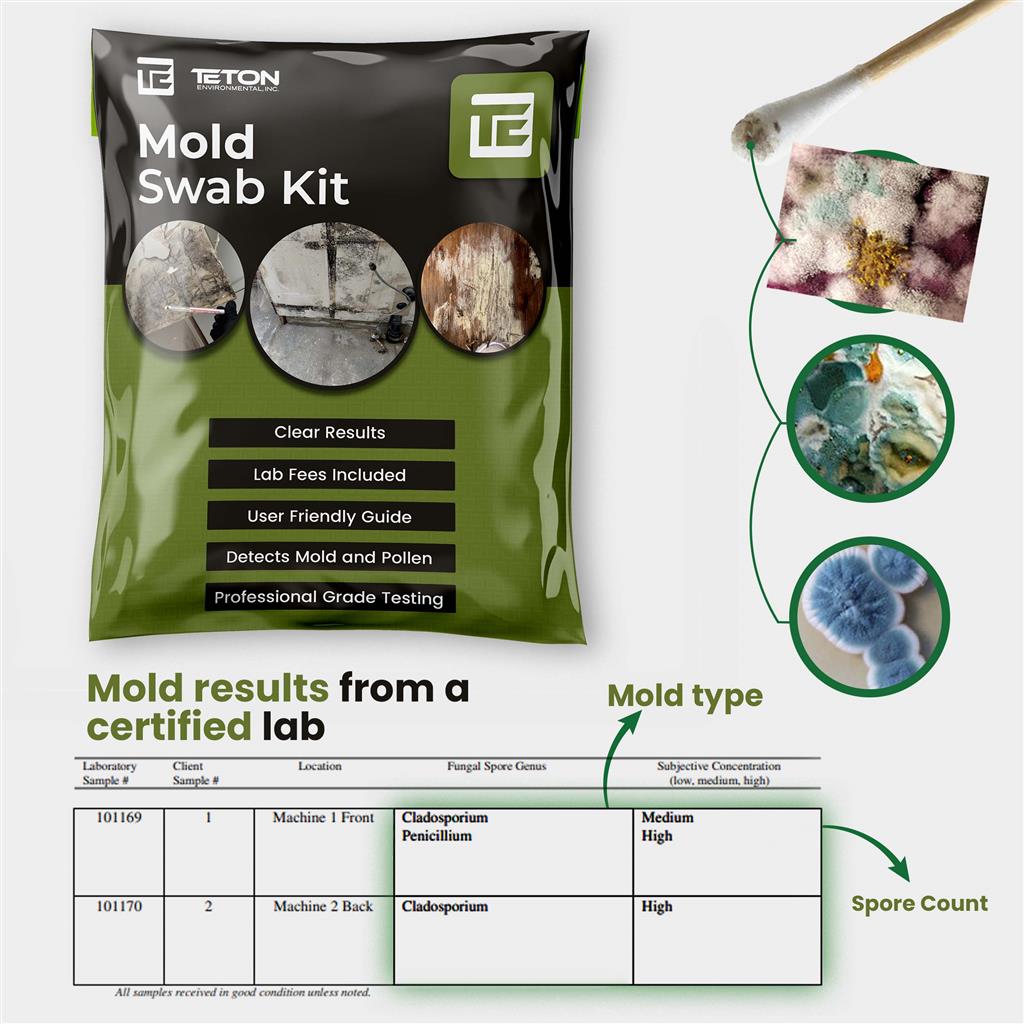
If you suspect insulation in any of these areas contains asbestos, avoid disturbing it. DIY sampling can be risky if not done properly. Use a professional technician or an asbestos test kit as the safer option.
What To Do If You Suspect Asbestos in Your Home?
The moment you observe insulation: crumbling, shiny flakes, pebble-like loose fill, or older batt materials, avoid touching or moving it. Some homeowners also stress about asbestos in drywall, another common contamination in older houses. In both insulation and drywall cases, the best course of action is to seek professional help.
Don’t sweep, scrape, vacuum the area, or try any DIY removal remedy. Airborne fibers are invisible. They can travel throughout the home, especially through HVAC systems.
For trustworthy assistance, contact Teton Environmental. These are professional environmental specialists who test to determine whether insulation consists of asbestos and suggest the next steps.

How Asbestos Testing and Remediation Works (Step-by-Step)?
In Denver and the surrounding regions, homeowners have questions about this procedure. It’s more about Denver asbestos remediation. Understand what to expect and make the experience far less stressful for yourselves:
Step 1: Initial Assessment
A licensed inspector examines the areas contaminated with asbestos. They search for insulation types that contain asbestos, such as vermiculite, fibrous blown-in materials, and duct wrap.
Step 2: Sample Collection
The team carefully takes samples of drywall, insulation, duct wrap, or other suspected materials. Homeowners should never do this personally.
Step 3: Laboratory Analysis
The asbestos samples are analyzed under polarized light microscopy. Or transmission electron microscopy. Results tell whether asbestos is present, and if so, then how much.
Step 4: Develop a Remediation Plan
If the lab confirms presence of asbestos, professionals highlight safe removal strategies. This plan consists of containment areas, removal timelines, negative air systems, and necessary equipment.
Step 5: Remediation
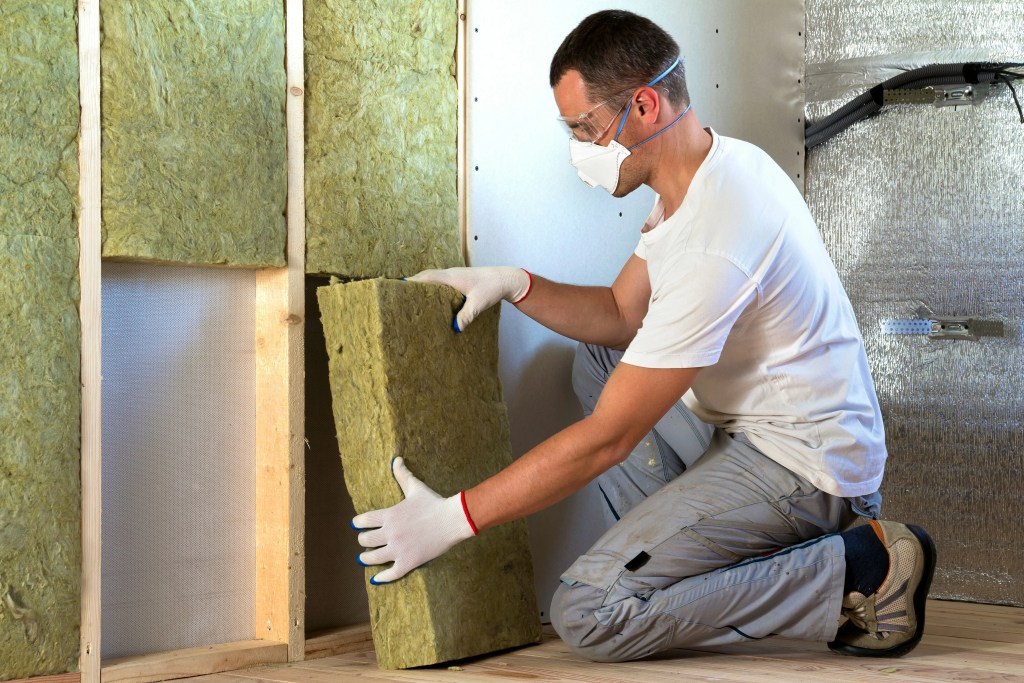
Certified crews remove contaminated insulation during Denver asbestos remediation. Sealed disposal bags, specialized vacuums, and decontamination areas guarantee safe material handling.
Step 6: Clearance Testing
After removal, a separate inspector tests the area to ensure it meets state and federal safety standards.
Step 7: Reinsulation and Restoration
Once cleared, new insulation can be installed. Homeowners may also be asked to contact a remediation contractor through a contact us page. Or the remediation companies’ services page to finish the restoration.
Final Thoughts
Detecting asbestos in older properties in Colorado requires a careful approach. Homeowners must look for signs of suspected materials, as only laboratory testing can confirm asbestos. If you doubt your home has asbestos insulation, call professionals before touching or disturbing it.
You can keep your home safe by understanding how to identify asbestos in insulation. And knowing when to call professional testing services.