How to Clean Black Mold Off Wood and Other Surfaces
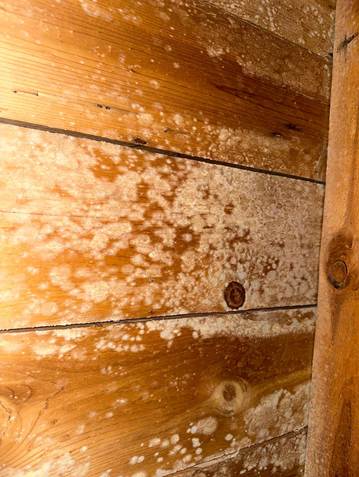
It is stressful to find dark spots on your wooden furniture, basement walls, or the corner of your bathroom. Mold not only appears bad, but it also smells like one. It spreads quickly and can easily weaken wooden surfaces.
Most people would first look on the internet to know how to clean black mold off wood to fix it quickly. Yet, there is a risk of an unsafe and inefficient cleaning process without the right precautions.
This guide will help you step by step on removing mold from wood and when to get professional assistance to ensure that you maintain a healthy and well-preserved home.
Key Takeaways
Let’s see if it is valuable to learn how to clean black mold off wood. But many people often ask themselves, “Is it safe to clean black mold yourself?” Yes. However, only when safety measures are taken. Mold or flooding that causes severe cases may cause health risks and may be expensive to repair.
Key points to remember:
- Small patches of surface-level molds can be handled through DIY.
- Professional remediation is safer in the case of large areas in conditions of high moisture damage or health issues.
- Black mold clean-up costs vary based on the severity and total square footage.
- Proper protective gear and ventilation are essential for every mold removal attempt.
What is Mold and Why is it a Problem?
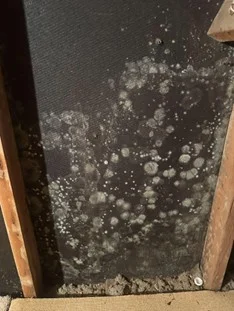
Mold is a fungus that grows in humid conditions. When it grows on wood, it can leave stains, odors, and permanent structural damage. Though surface mold might appear harmless, other species release spores that influence the quality of indoor air.
Knowing when harmless discoloration is normal and when there really is mold growth will guide you on when to clean black mold from wood and when removing mold from wood should be left to the experts.
For example, the orange-colored growth can be a sign of another species of mould. Get to know more about the risks of orange mold health risks.
Types of Mold
Not all mold is the same. While black mold gets the most attention, various species can grow on wood and other surfaces.
Common mold types include:
- Cladosporium – often found on painted surfaces and wood
- Aspergillus – thrives indoors, especially with humidity.
- Stachybotrys (black mold) – associated with water damage and poor ventilation
Some types are more stubborn and need certain cleaning techniques for killing mold on wood so that they will not grow again.
Common Signs of Mold
Mold often appears before homeowners notice a musty smell. Early signs include:
- Black, green, white, or orange patches
- A soft or spongy feel on wood
- Stains that continue spreading
- Musty, earthy odors
You would not expect that sometimes mold grows in appliances. Read more about it here:
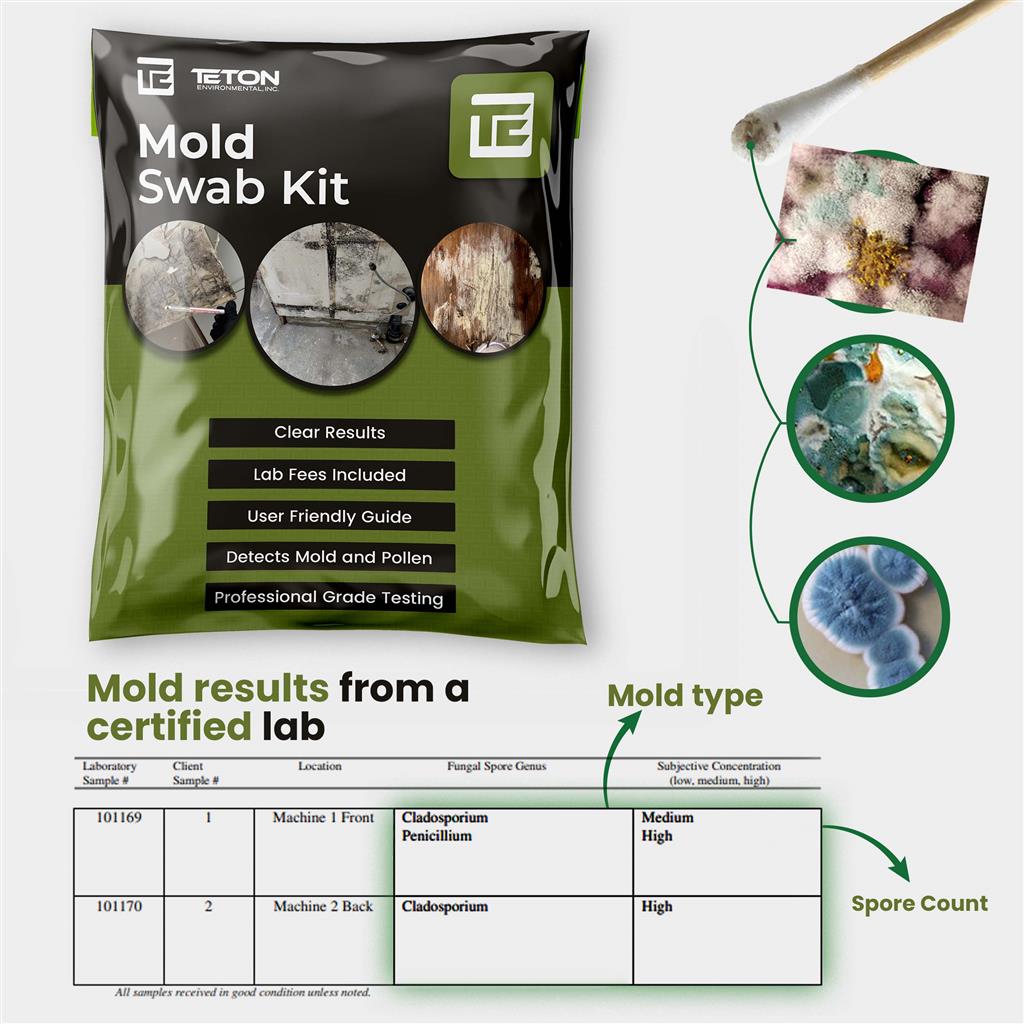
Mold Testing and Inspection Before Removal
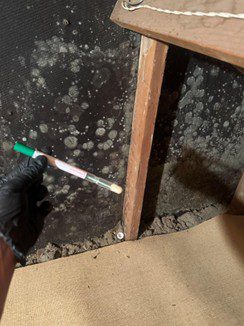
Before you clean black mold from wood, proper evaluation is essential. Mold can hide inside walls, beneath flooring, or deep in wooden structures.
Professionals typically check:
- Moisture levels
- Mold type
- Severity of the spread
- Whether mold removal on wood is safe to do DIY
Book a professional inspection today!
According to the CDC, removing mold yourself can pose health and safety risks. Professional mold testing and remediation ensure safe and long-lasting results.
Safety Measures and Supplies When Cleaning Mold
Before treating mold on wood, gather essential supplies:
- N95 mask
- Gloves
- Protective eyewear
- Scrub brush
- Mild detergent or mold cleaner
- White vinegar or hydrogen peroxide
- Spray bottle
- Towels
- Disposable bags
Air circulation is important to avoid the spread of spores. Get these supplies to make cleaning up mold on wood safer and more effective.
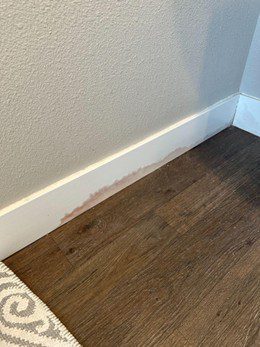
How to Clean Mold off Wood and Surfaces: Learn the Steps
The removal process is not so complicated, but it must be done carefully. You can apply the following steps to wooden furniture, walls, floors, and bathroom surfaces.
Step 1: Protect yourself before preparing to clean
Open all the windows in the affected area. Wear your protective gear. Move all the nearby items or cover them with a plastic sheet to avoid contamination.
This step is especially important in damp areas like bathrooms, where mold spreads easily. Even using approved cleaners is becoming the best way to clean black mold in the shower.
Step 2: Apply and Scrub the Cleaning Solution
Spray vinegar or any mold remover onto the moldy area. Let it sit for at least 10 minutes.
Then scrub thoroughly using a stiff brush. For porous wood, avoid saturating the surface to prevent further damage.
You may need specific tools for mold removal on wood during the process, especially if the mold has penetrated deeper layers.
Step 3: Clean and Dry the Surface
Once you are done scrubbing, wipe the surface with a clean, damp cloth. Dry immediately because wood holds moisture, and it can return if it is not dried up.

When to Call Professional Remediation Services
DIY methods work for small surface patches. But large infestations, recurring mold, or mold caused by major leaks require expert remediation.
Professionals can assess:
- The true black mold clean-up cost
- Whether the mold species requires specialized chemicals
- If deeper structural drying is necessary
- The best approach for killing mold on wood safely
- Which products qualify as the best mold removers for wood
You experience headaches or respiratory irritation, if the mold odor is strong and the growth is widespread. Contact a mold remediation expert here:
Here is how to Prevent Mold from Returning
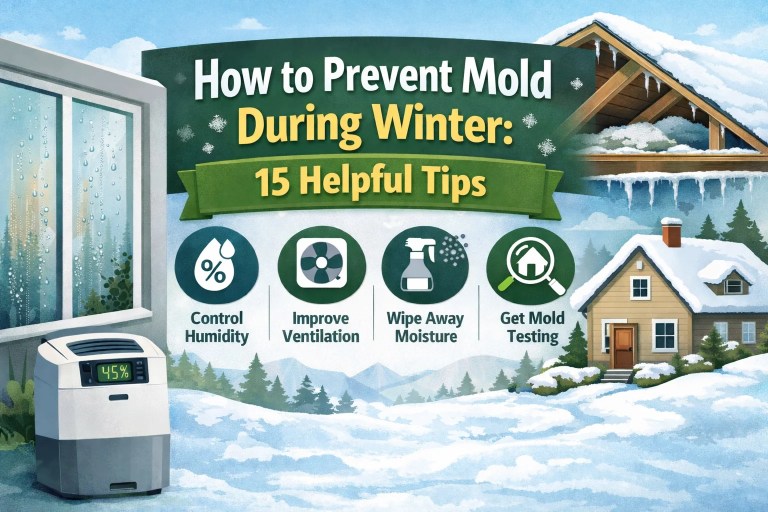
Prevention becomes your best defense once the mold is cleaned. Because it thrives in moisture, it is important to keep humidity levels low.
There are tips for cleaning up mold on wood and preventing it from reappearing. You should increase the ventilation of your tight spaces.
If there is any leakage, it should be fixed right away. Clean spills regularly. It is also good to use dehumidifiers to keep the wooden surfaces dry.
Homes affected by flooding need special precautions.
Keep Your Home Mold-Free with Teton Environmental
If mold keeps returning or you are unsure about the severity, call experts who use the best mold remover for wood and advanced remediation methods.
Teton Environmental offers complete mold inspection, testing, and cleanup services with certified remediatio .
Frequently Asked Questions
Is it safe to clean black mold yourself?
Yes! But only when you have the proper gear to clean it. You can clean small patches. And for larger mold growth, call the experts to handle it with care.
How do you clean mold out of carpet?
You can use a HEPA vacuum. Apply a mold-specific carpet cleaner, scrub gently, and dry immediately. Carpets soaked from leaks or floods may require replacement because later it can start to stink.
How do I clean mold off of leather?
Mix mild soap with warm water, gently wipe the leather, and allow it to air-dry. Leather conditioners help restore softness afterward.
Can you clean mold with bleach?
Bleach kills surface mold but doesn’t penetrate porous materials like wood, making it less effective for long-term prevention.