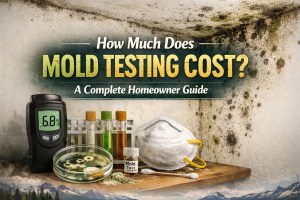
Professional mold testing costs approximately between $300 and $900 in most American households, depending on the property size, the number of samples, and lab testing. Single inspection is cheaper compared to combined mold inspection and test packages, which are more expensive with air and surface testing.
Mold usually grows silently, following a leak in the roof, during the rainy season, or due to condensation behind the walls in the winter. Testing is used to verify the presence of spores, the type, and remediation requirements.
Environmental health guidance on Mold in Your Home indicates that exposure to mold may affect indoor air quality and worsen respiratory health. Thus, it is important to check for mold promptly and routinely.
Who This Guide Is For
This cost guide is designed for,
- homeowners noticing musty odors or water damage
- buyers scheduling pre-purchase inspections
- property managers handling tenant complaints
- real estate brokers preparing a home for listing
- anyone comparing DIY kits vs. professional services
If you are already seeing growth or suspect hidden contamination, our Teton Environmental inspectors test, sample, and verify mold presence using certified lab analysis, not guesswork.
Key Takeaways
- Inspection-only services cost less than testing packages
- Lab analysis and sample volume drive pricing
- Post-leak and winter condensation cases often require testing
- Certified inspectors follow state licensing and lab standards
- Early testing prevents higher remediation costs later
What Is a Mold Inspection vs. Mold Testing?
Many homeowners confuse inspections with testing; however, they serve completely different purposes. Understanding mold inspection vs testing helps you avoid paying for services you don’t need.
Professional mold visual inspection services focus on identifying visible growth and moisture sources, while testing confirms airborne spore levels and contamination types.
If you want a better understanding of spores, you can also learn how spores appear and spread in this visual guide on What Do Mold Spores Look Like.
Mold Inspection Explained
A mold inspection is the first step in identifying contamination risk. Inspections determine where mold is likely growing, but not always the type or spore concentration.
A certified residential mold inspector typically performs:
- Full visual assessment of walls, ceilings, attics, and basements
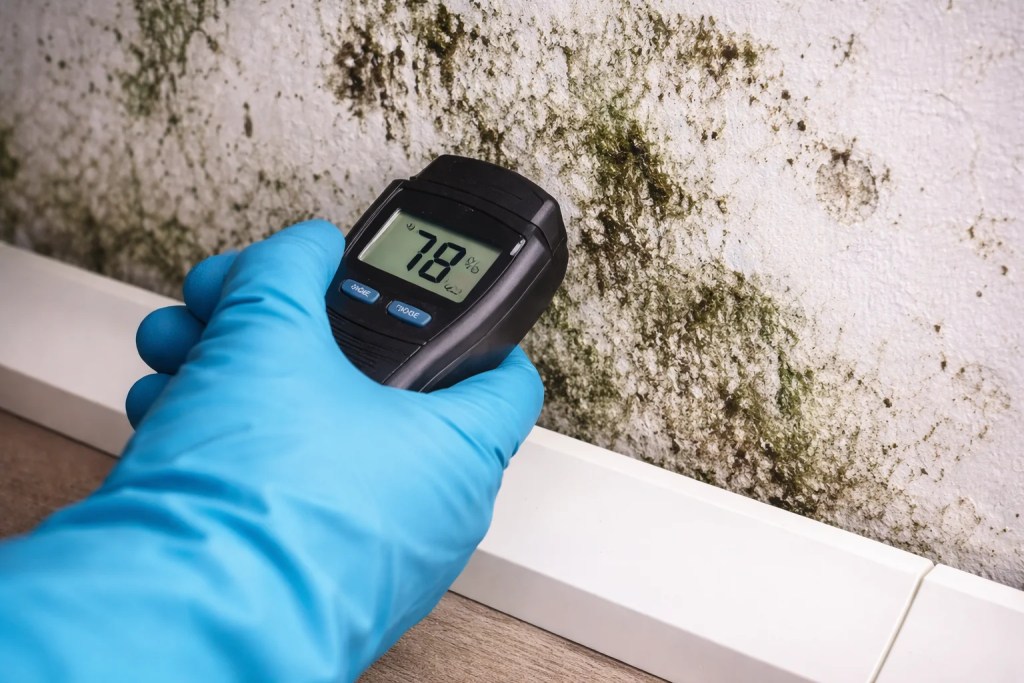
- Moisture meter readings in drywall and flooring
- Thermal imaging for hidden dampness
- HVAC and ventilation checks
- Identification of high-risk zones (crawlspaces, bathrooms)
Mold Testing Explained
Testing confirms mold presence scientifically through sampling and lab analysis. It is required when mold is suspected but not visible, health symptoms are present, and legal or real estate documentation is needed.
Testing methods include:
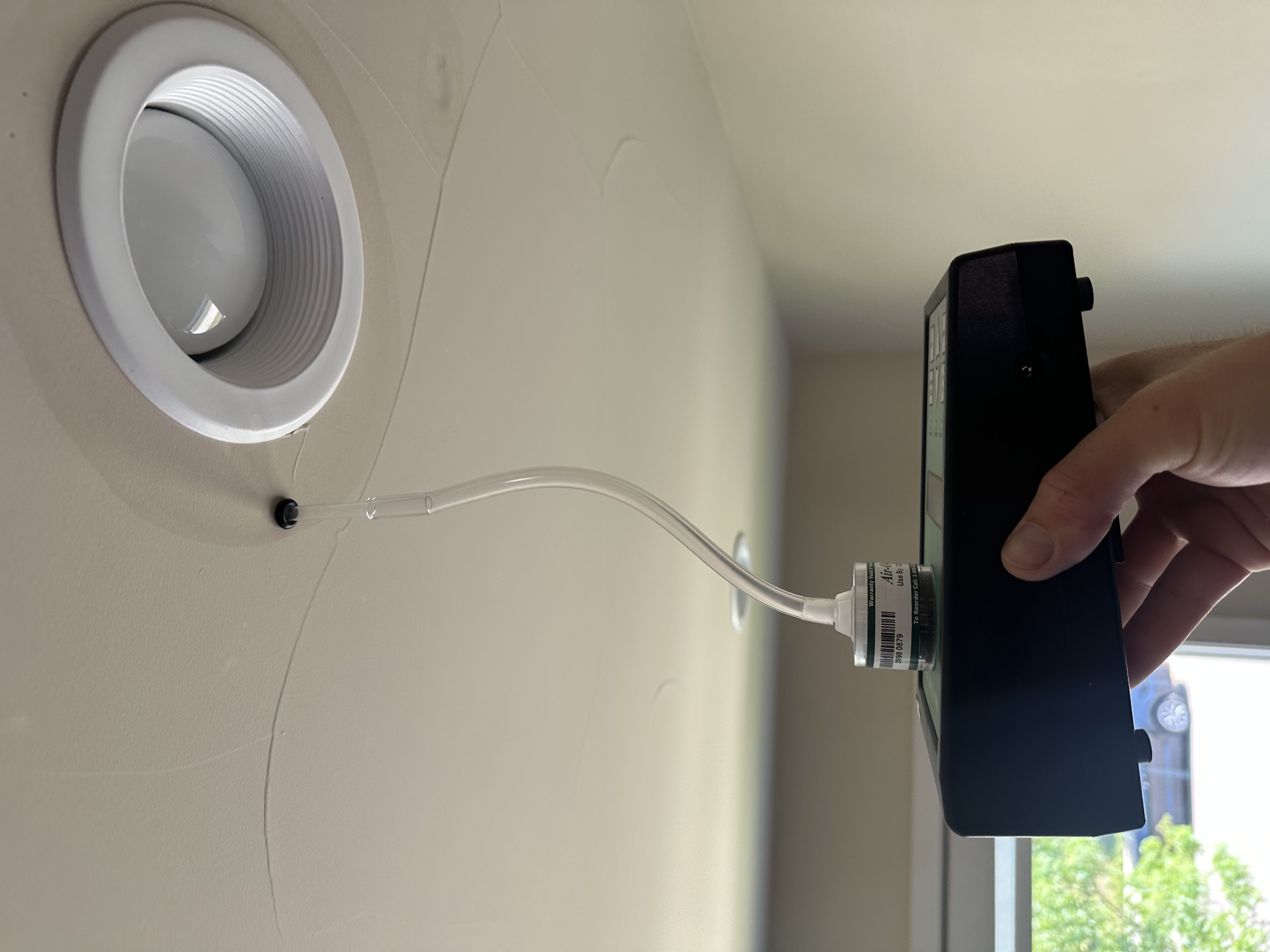
Air Sampling
- Measures airborne spores
- Compared against outdoor control samples
- Influences the mold air quality test cost
Surface Sampling
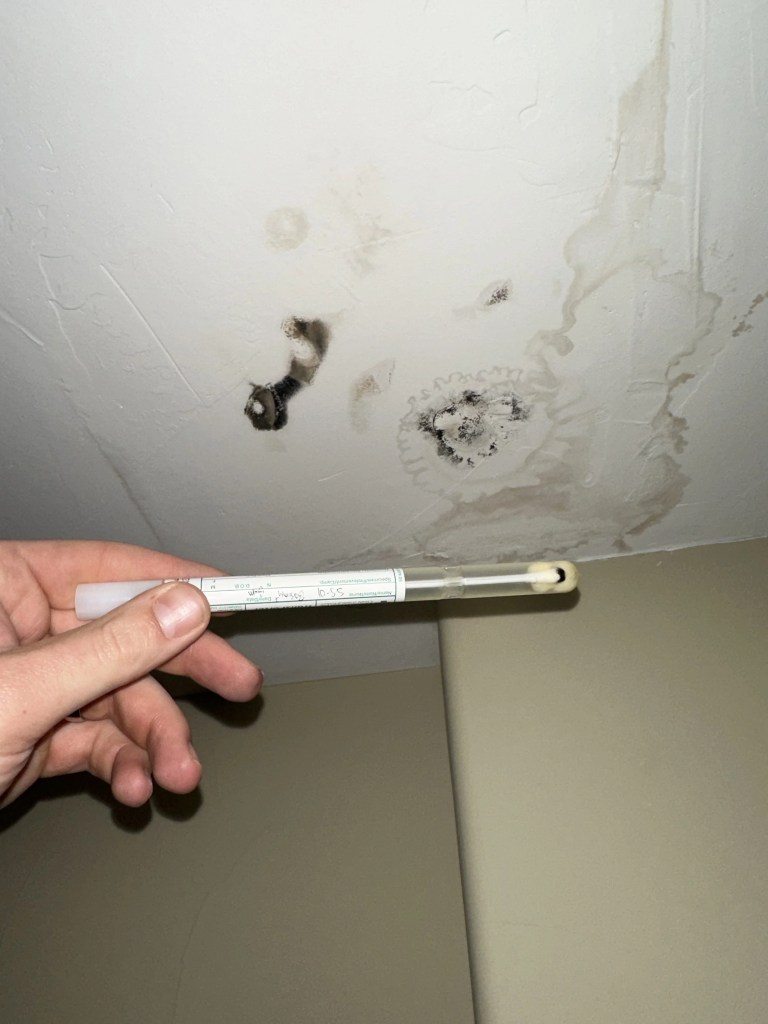
- Swab or tape lift samples from visible growth.
Bulk Sampling
- Physical material removal (drywall, insulation)
When You Need One vs. Both
| Scenario | Inspection Only | Testing Needed |
| Visible mold growth | Yes | Yes |
| Post-leak assessment | Yes | Yes |
| Real estate transaction | Yes | Yes |
| Health symptoms | No | Yes |
| Insurance documentation | Yes | Yes |
How Much Does Mold Testing Cost?
When homeowners ask how much does mold-testing costs, the answer depends on whether you are booking an inspection only or a full sampling package.
On average, combined mold inspection cost and testing services range between $300 and $900, while complicated or large-property cases can exceed $1,000.
Understanding the average cost of mold inspection and testing helps you budget accurately and avoid surprise lab or sampling fees later on.
National Average Cost Ranges
Here’s a consistent pricing snapshot based on residential service data:
| Service Type | Typical Cost Range |
| Inspection only | $150 – $400 |
| Inspection + Air Testing | $300 – $700 |
| Inspection + Air & Surface Testing | $400 – $900 |
| Extensive Testing (Multiple Zones) | $900 – $1,500+ |
Inspection-only services cost less because they rely on visual assessment and moisture detection rather than lab-confirmed sampling.
However, post-flood, post-leak, or pre-purchase cases often require testing to verify contamination levels.
Teton Environmental Cost
Pricing increases based on how many testing methods are used and how many samples must be analyzed.
| Service Component | Average Cost |
| Visual Inspection | Included |
| Air Testing (per sample) | $140 per Sample |
| Surface Testing | $140 per Sample |
| Bulk Material Sampling | $140 per Sample |
| Laboratory Analysis | Included |
Why Prices Vary So Much
Testing costs shift based on contamination complexity, property design, and urgency.
Key pricing variables include:
- Number of rooms tested
- Size of HVAC system
- Hidden vs. visible mold
- Moisture source severity
- Number of lab samples required
- Emergency or expedited reporting
For example:
- A small bathroom post-leak test may cost $350
- Whole-home air sampling after flooding may exceed $1,000
Seasonal timing also influences scope. Rainy seasons increase attic and crawlspace moisture, while winter condensation often requires multi-room testing.
Factors That Affect Mold Inspection Costs
Several structural and logistical elements influence pricing for both residential mold inspection service bookings and large-scale commercial mold testing projects.
Size of the Property
Larger homes require more inspection time and more air samples. And commercial buildings costs are typically high due to zoning, HVAC complexity, and occupancy regulations.
| Property Size | Estimated Testing Cost |
| Under 1,000 sq ft | $300 – $500 |
| 1,000 – 2,500 sq ft | $400 – $800 |
| 2,500+ sq ft | $700 – $1,200+ |
Number of Samples Required
Each air or surface sample adds lab fees. Typical sampling plans:
- 2 samples → baseline comparison
- 3–5 samples → moderate investigation
- 6+ samples → large or multi-source contamination
Accessibility of Suspected Mold
Costs increase when inspectors must access:
- Crawlspaces
- Attics
- Behind drywall
- HVAC ductwork
Turnaround Time for Results
Standard lab turnaround usually takes 3–5 business days. Rush reporting (24–48 hrs) adds $50–$150+ per report. Fast results are common in real estate transactions or insurance claims.
Residential vs. Commercial Testing
| Property Type | Cost Range | Complexity |
| Residential Homes | $300 – $900 | Moderate |
| Multi-Unit Housing | $800 – $1,500 | High |
| Commercial Buildings | $1,500 – $5,000+ | Very High |
Commercial mold testing involves regulatory documentation, worker exposure concerns, and larger HVAC systems.
Signs You May Need a Mold Inspection
Often homeowners delay testing because mold is not always visible. However, early warning signs often appear weeks or months before growth spreads. Booking a residential mold inspection service at the first sign of trouble can prevent structural damage and costly remediation.
High-risk timing includes:
- After plumbing leaks
- Following roof damage
- During rainy or humid seasons
- Winter condensation buildup
- Post-flood restoration
Here are the most common indicators inspectors evaluate.
Visible Mold or Water Damage
If you can see mold, testing may still be necessary to determine the species type, spore concentration, and the areas it has spread to.
The growth often appears as black or green spotting, fuzzy white patches, staining on drywall or ceilings, and warped paint or bubbling surfaces.
Visible colonies usually indicate a larger hidden issue behind walls or under flooring.
Musty or Persistent Odors
A damp, earthy smell is one of the earliest signs of contamination.
Odors typically intensify in:
- Basements
- Crawlspaces
- HVAC vents
- Closets or storage rooms
Recent Flooding or Leaks
Water events are the primary driver of indoor mold growth. Testing becomes essential, when water sits longer than 24-48 hours, you have damp carpets or drywall, delayed dehumidification, and if your home’s structural materials have absorbed moisture. Post-leak testing ensures remediation crews removed contamination fully.
Health Symptoms with No Clear Cause
Indoor mold exposure may aggravate chronic coughing, sinus congestion, skin irritation, headaches, and asthma flare-ups.
When multiple occupants experience symptoms that improve outside the home, inspectors often recommend testing to evaluate indoor air quality.
Professional Mold Inspection vs. DIY Mold Test Kits
Home test kits are widely available, but they serve a very different purpose than professional evaluations.
While DIY tools may detect spores, only professional mold visual inspection services and certified testing solutions provide legally defensible, lab-verified results.
What DIY Kits Can Tell You
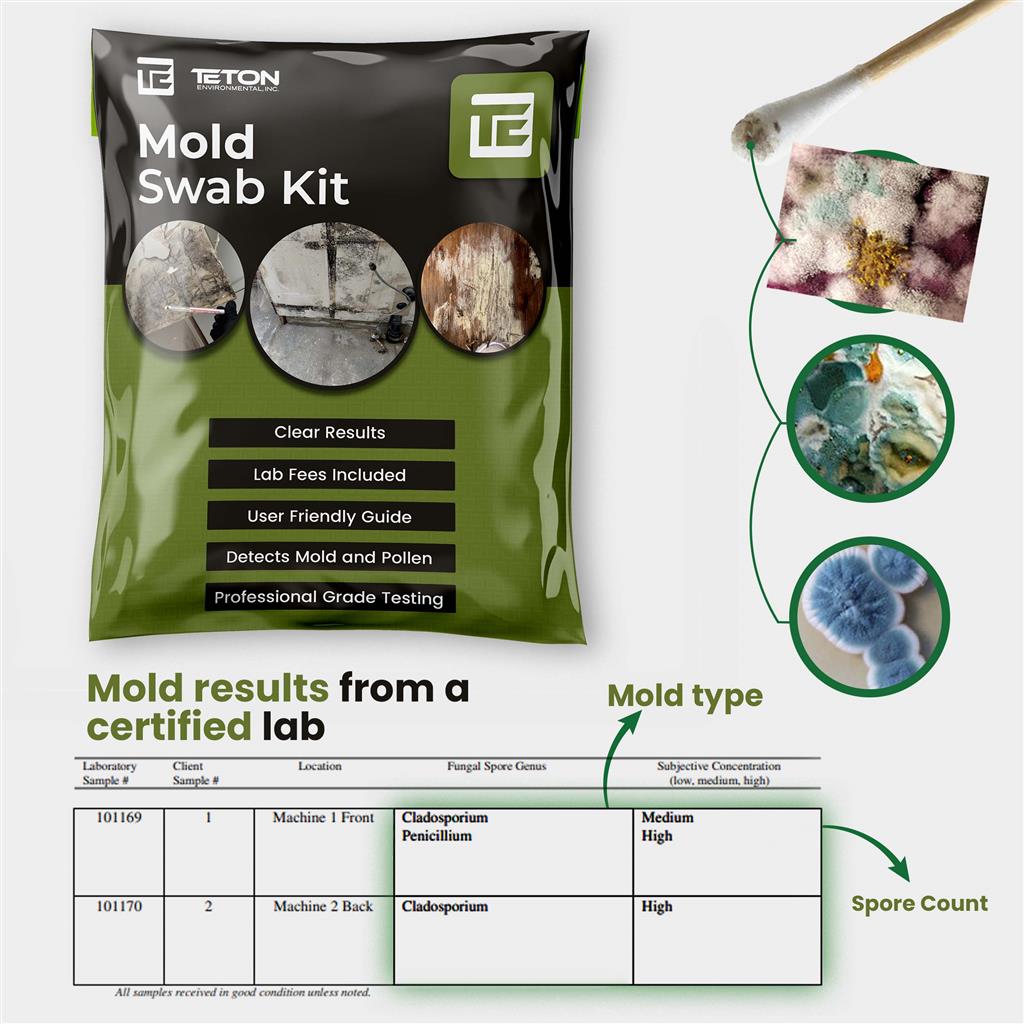
At-home mold testing kits provide a quick, affordable way to check indoor air quality. They capture airborne spores on petri dishes, reveal visible mold growth, and offer basic presence-or-absence results.
Typically costing $59 to $124, they are best used for preliminary screening before professional testing and can be used for 20+ mold types.
Limitations of At-Home Tests
At-home mold tests come with important limitations. They lack critical inspection components, including moisture mapping, hidden mold detection, HVAC evaluation, thermal imaging, and professional interpretation.
They cannot determine whether indoor spore levels are elevated compared to outdoor baselines, which is important for accurate assessment.
Accuracy and Reliability Differences
| Feature | DIY Kit | Professional Testing |
| Visual Inspection | No | Yes |
| Moisture Detection | No | Yes |
| Air Sampling | Limited | Certified |
| Lab Analysis | Basic | Accredited |
| Legal Documentation | No | Yes |
Professional inspectors follow strict sampling protocols and send materials to certified environmental laboratories.
When DIY Testing Is Not Enough
Professional mold testing is strongly recommended when DIY kits fall short. This includes buying or selling property, filing insurance claims, experiencing health symptoms, dealing with widespread mold, or when legal documentation is required.
DIY kits cannot replace certified inspection reports needed for real estate transactions or remediation planning.
Is Mold Testing Worth the Cost?
Homeowners often ask, “Is a mold inspection worth it, especially when testing costs several hundred dollars.
In most cases, yes. Testing is a “be on the safe side” investment that protects both property value and occupant health. It is also a common requirement for mold inspection for homebuyers during real estate transactions.
Cost of Testing vs. Cost of Ignoring Mold
| Scenario | Average Cost |
| Mold Testing | $300 – $900 |
| Mold Remediation | $1,500 – $6,000+ |
| Structural Repairs | $5,000 – $20,000+ |
Health, Property, and Financial Risks
Untested mold can cause serious health and property issues, including structural wood rot, insulation contamination, and the circulation of spores through HVAC systems. It can also reduce indoor air quality and lead to complications with insurance claims.
Testing provides documented evidence needed for remediation planning and claims processing.
Peace of Mind for Buyers & Homeowners
For buyers, testing ensures:
- No hidden contamination
- Negotiation leverage
- Safe occupancy conditions
How to Choose a Qualified Mold Testing Company
Choosing the right provider matters as much as the testing itself. A qualified certified residential mold inspector interprets moisture patterns, identifies contamination sources, and provides defensible lab documentation.
Homeowners should first verify certifications and training. Our certified residential mold inspectors follow IICRC and ACAC standards to ensure accurate results. These credentials confirm that the inspector follows standardized sampling protocols and safety procedures.
Transparent pricing is another trust signal. Reputable companies provide written estimates outlining inspection fees, per-sample costs, and lab analysis charges upfront. Avoid providers who bundle vague “mold packages” without sample counts or lab details. Clear pricing keeps ranges consistent and prevents surprise fees later.
Consider turnaround time and reporting quality. Standard lab results typically arrive within 3–5 business days, while rush reporting may be available for real estate or insurance deadlines. A professional report should include spore counts, species identification, comparison to outdoor baselines, and remediation recommendations when it becomes important.
Schedule Professional Mold Inspection and Testing With Teton Environmental
If you suspect contamination, scheduling promptly can prevent structural damage and escalating remediation costs. Our inspectors test after leaks, during humid seasons, and in winter condensation cases, where hidden mold thrives behind walls and insulation.
With Teton Environmental, homeowners receive certified sampling, moisture mapping, and accredited lab analysis: all performed to state and industry standards. We schedule a professional mold inspection quickly, collect air and surface samples, and deliver fast lab results, so you know exactly what you’re dealing with before it gets worse.
Frequently Asked Questions
How much does a mold inspection cost?
A mold inspection without testing typically costs $150 to $400. Pricing depends on home size, inspection scope, and moisture detection tools used. Adding air or surface sampling increases the total cost.
How much does mold testing cost per sample?
Individual samples usually cost $75 to $150 for air testing and $50 to $125 for surface samples. Lab analysis fees may add $100 to $300, depending on species identification requirements.
Is mold inspection required when buying a home?
Mold inspections are not legally required, but they are strongly recommended, especially in humid climates or homes with past water damage. Buyers often use testing results to negotiate repairs or pricing.
Can mold testing fail a home inspection?
Mold testing itself doesn’t “fail” a home inspection, but elevated spore levels or toxic species findings can impact sale conditions, lender requirements, or insurance approvals.
How long does mold testing take?
On-site sampling usually takes 1-3 hours, depending on property size. Lab analysis takes 3–5 business days, with rush results available within 24–48 hours.
Does homeowners’ insurance cover mold testing?
Coverage varies. Insurance may pay for testing if mold results from a covered peril (like a burst pipe). Long-term neglect or humidity issues are often excluded.
Can I live in my home during a mold inspection?
Yes. Mold inspections and testing are non-invasive. Inspectors collect air and surface samples without disrupting occupancy, but if your home has severe contamination, then you may need to temporarily relocate.