Have you ever wondered how do you kill mold spores in the air naturally? Then, you’re not alone. Mold is a common indoor problem. It is evident in homes with moisture issues, a lack of ventilation, or past water damage. The fungus spreads through microscopic spores traveling through the air, so it’s not always visible. But still affects your indoor air quality and health. Before proceeding to harsher solutions, many homeowners wish for safe, chemical-free techniques to improve their environment.
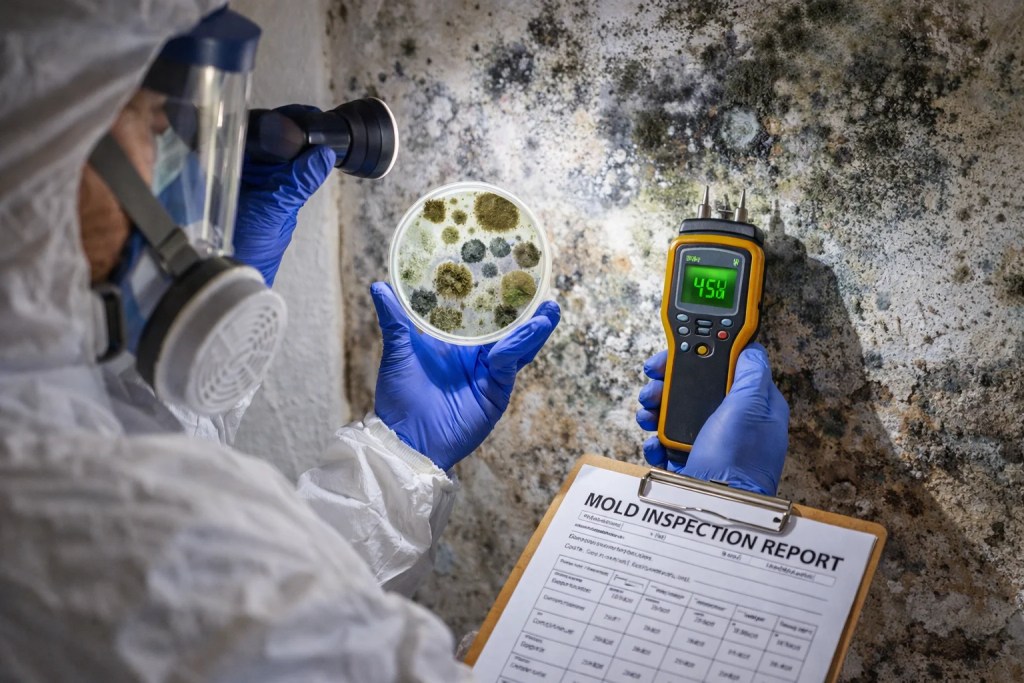
If you have observed mold spores in the air, this blog will explain how to kill then naturally. We will discuss what encourages them to spread, and when natural solutions may not be sufficient. In the end, you will also learn how air filtration, prevention, and professional teams’ mold inspection and testing play a role in long-term mold control.
Key Takeaways
- First, control moisture to naturally kill mold spores in the air. Then, use dehumidifiers, natural treatments to clean surfaces, ventilate, and boost air filtration. Don’t forget to fix the water sourcing, as that is also essential to prevent mold spores from returning in the future.
- Airborne mold spores are always there, but they become a problem when moisture allows them to grow.
- Natural methods are effective for reducing exposure, but they may not completely hide mold sources.
- Humidity control, regular inspections, and proper airflow determine long-term prevention.
- Professionals from Teton Environmental are experts in identifying and resolving basic mold issues.
How Do You Kill Mold Spores in the Air Naturally at Home?
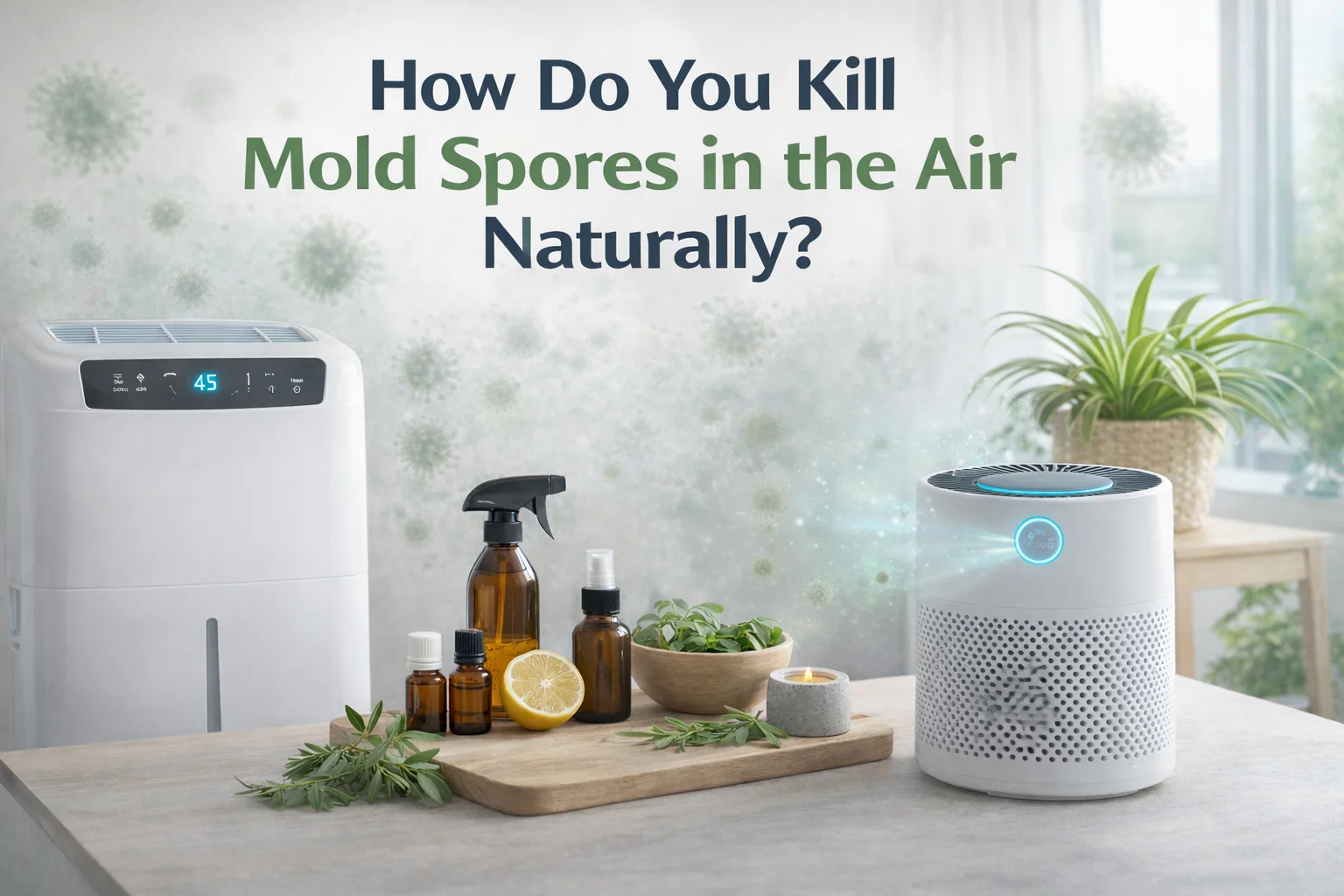
Many homeowners want to understand how to kill mold spores in the air without depending on industrial treatments or harsh chemicals. Here, you need to be realistic that no natural solution completely sterilizes indoor air. Use a mixture of proven remedies to drastically reduce spore levels and slow future growth.
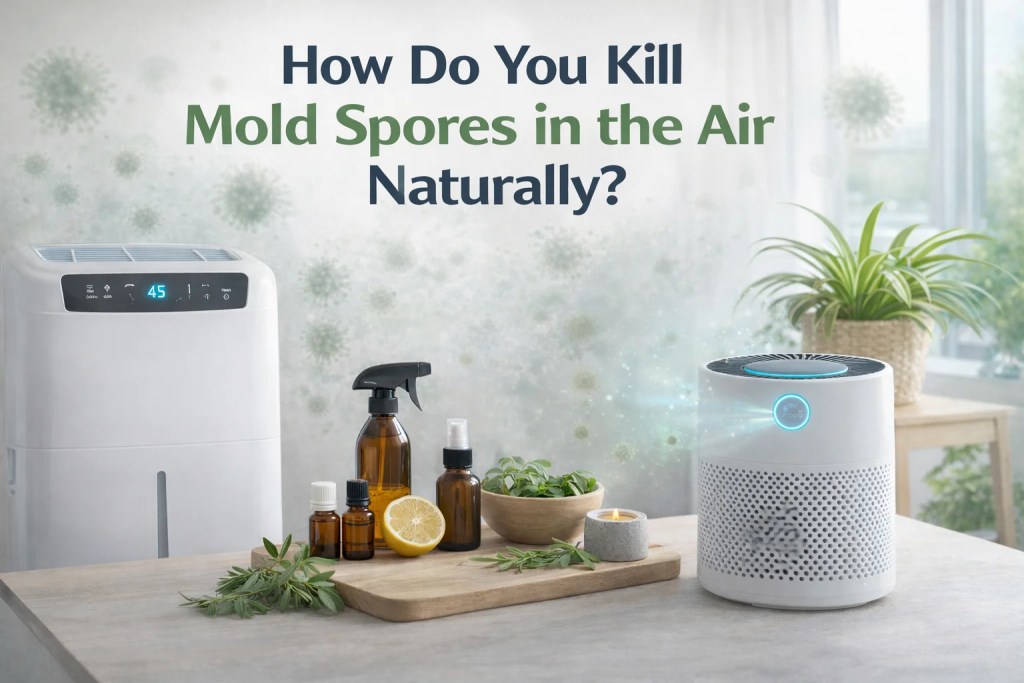
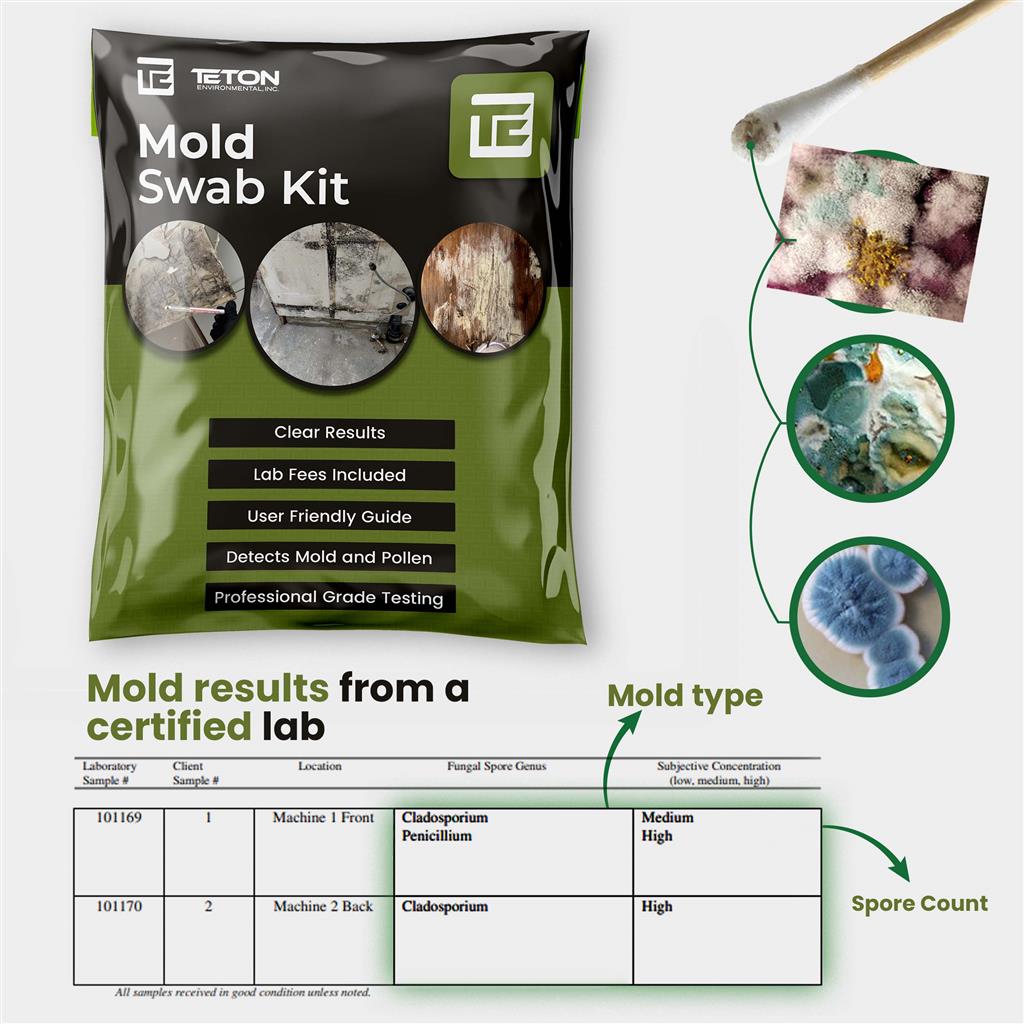
Natural antifungal methods work best when they are combined as part of an overall mold-management system, not separately. Start with a home mold test kit whenever you suspect a problem. It helps you understand the extent of the problem before taking the next action:
Control Moisture
Moisture control is the most important. It is the mold’s growth primary driver. Excess moisture allows mold spores to grow and release spores into the air.
A dehumidifier for mold control does wonders. Using it helps maintain indoor humidity between 30-50%. This creates a difficult environment for mold. Plus, pay more attention to high-risk areas such as laundry rooms, bathrooms, and basements. The same goes for kitchens.
Other moisture-control steps include immediately fixing plumbing leaks. Dry wet surfaces and materials within 24-48 hours. Also, switch on exhaust fans in kitchens and bathrooms to decrease humidity.
Use Natural Sprays
Sprays don’t directly clean the aur. They help prevent mold growth on surfaces that release spores.
Many essential oils that kill mold spores in the air indirectly include tea tree, clove, and thyme oil.
These oils carry antifungal properties and are usually diluted with vinegar or water. This makes it easier to use on non-porous surfaces. However, remember that they function as basic treatments, not true airborne mold solutions.
Do Air Purification
A HEPA air purifier for mold captures mold spores already suspended in the air. Doing air purification improves overall indoor air quality. Choose the right size unit, regularly replace filters, and run it continuously in problematic areas.
Improve Ventilation
Improve ventilation. This also helps dilute the concentration of spores. Whenever possible, open windows. Make sure the HVAC systems are clean and operating efficiently to support healthy airflow throughout your home.
Causes of Mold Spores in the Air
Airborne mold spores exist naturally both outdoors and indoors. Problems start when indoor conditions open the ground for these microscopic particles to grow, settle, and multiply.
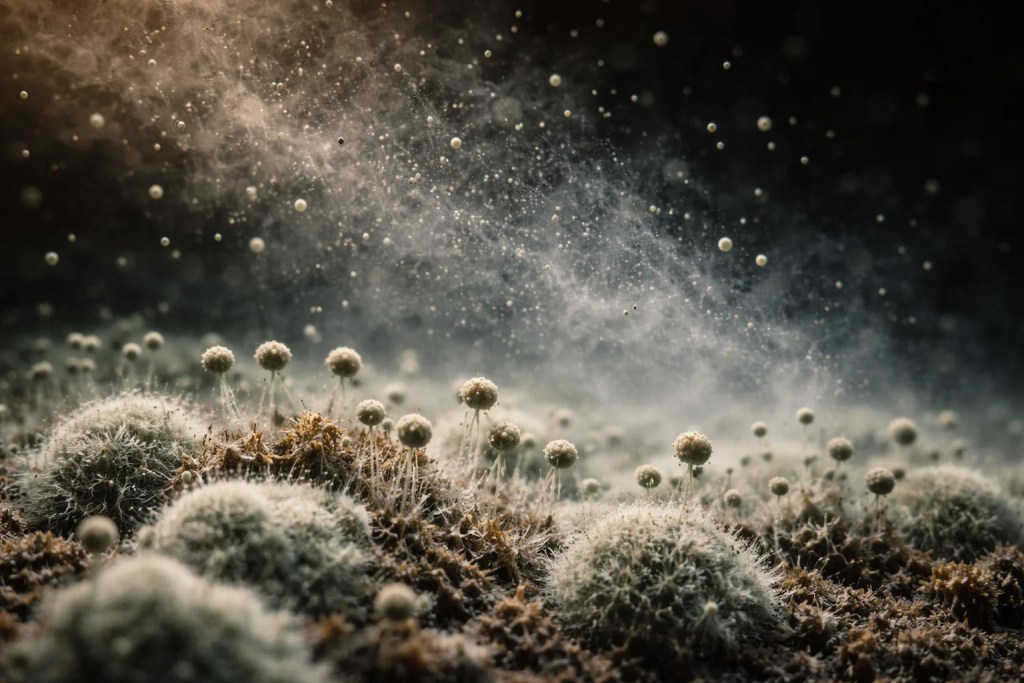
Mold breeds in limited airflow and environments with too much moisture. This makes homes with water damage or humidity issues more vulnerable. The common factors are:
- High indoor humidity
- Water leaks or flooding
- Poor ventilation to reduce mold spores
- Damp or porous building materials
Mold spores are invisible to the naked eye, so you can learn more what do mold spores look like.
How Long Do Mold Spores Stay in the Air?
These can remain suspended in the air for hours or even days. Air movement, the HVAC systems, and constant foot traffic continue to redistribute spores throughout the home. The outcome? Increased exposure.
Signs That Mold Is Responsible
Persistent musty stench
Increased allergy or asthma symptoms
Headaches or fatigue
Severe respiratory irritation
Do you know? In some cases, prolonged exposure may result in health conditions like biotoxin disease.
Reasons Natural Methods Aren’t Enough
To avoid harsh chemicals, many homeowners plan to kill mold spores naturally. But even the natural solutions have clear limitations. While these methods decrease visible mold and reduce airborne spore levels, they can’t eliminate mold growth in hidden or hard-to-reach areas behind walls. Beneath the flooring or inside the HVAC systems. Here, natural antifungal solutions are most effective for:
- Mid or early-stage mold growth
- Consistent prevention even after cleanup
- Supporting professional treatment plans
- Work best as supportive remedies rather than complete solutions.
When Natural Methods Fail
Severe infestations require more than natural antifungal methods. Delaying addressing moisture sources lets mold colonies continue producing spores. This will cause air quality issues and possible health risks. Resolving the root cause is necessary for long-term mold control and prevention.
Ways to Prevent Mold Spores
Prevention is the most effective long-term strategy for controlling mold. Once mold levels are reduced, consistent maintenance helps stop spores from spreading again.
Control Humidity: Regularly use a dehumidifier for mold control. It helps reduce indoor humidity throughout the year. Controlling moisture and humidity creates a less favorable environment for the mold. For the best results, keep the levels of humidity between 30-50%.
Maintain Airflow: Clean HVAC systems. Ensure proper ventilation and regularly change filters. This reduces moisture buildup and traps airborne particles.
Check Problematic Areas: If you have basements, bathrooms, and similar damp-prone spaces, check them. These are problematic areas that require inspections. Doing so allows you to address issues early, before mold spores get a chance to multiply.
When to Consider Professional Mold Services?
Do mold odors or symptoms continue despite your efforts? It’s time to consider professional mold services. A certified mold remediation service or contact Teton Environmental’s experts can identify hidden mold sources. And determine the degree of contamination.
What is mold remediation? This includes:
- Identifying moisture sources
- Containing affected areas
- Removing contaminated materials
- Cleaning and filtering the air
And feel free to contact them:
FAQs
How to tell if you have mold spores in the air?
If you observe consistent musty odors. Allergy-like symptoms or respiratory problems, there are mold spores. It is recommended to seek professional air testing and inspections. The teams offer the most reliable confirmation.
What kills mold spores in the air?
Many homeowners ask what kills mold spores in the air. The truth is, no household method is designed to fully eliminate them. Go for humidity control, HEPA filtration, and professional remediation techniques to reduce the mold spores in the air.
What are the warning signs of mold toxicity?
Mold toxicity symptoms might include fatigue. Headaches, brain fog, skin issues, and respiratory irritation. Severity depends on individual sensitivity and exposure levels.
Can vinegar or essential oils kill mold spores in the air?
Essential oils and vinegar help clean mold on surfaces. But they are not effective in killing the mold spores in the air. Or address hidden mold sources.
Does an air purifier help with mold?
Certainly. An air purifier using HEPA filters traps airborne spores. The purification reduces exposure and improves indoor air quality. Remember, it doesn’t remove mold at its source.
Will heat kill mold spores?
Many ask, will heat kill mold spores, or what temp kills mold spores? Extreme heat can kill, but relying on typical household temperatures is not enough for complete riddance.
link to GBP CID link: https://maps.google.com/maps?cid=14950218088920182749