Drinking clean water is necessary for good health, yet many households unknowingly consume unsafe water every day. This raises an important question: how can you tell if water is contaminated? Some contaminants are invisible, there are still noticeable warning signs that point to potential issues. Understanding these warning signs will help you protect your family from impurities like PFAS, lead, and bacteria that may be breeding in your tap.

Why Water Contamination Matters?
Water contamination is widespread. Nearly half of the country’s tap water, approximately 45%, consists of at least one form of PFAS, meaning per- and polyfluorinated alkyl substances, according to the recent U.S. Geological Survey’s findings. These alkyl substances are usually called “forever chemicals”, a group of synthetic chemicals used in everyday household items
The U.S. Environmental Protection Agency (EPA) warns that elevated levels of certain PFAS can pose health risks to people.
One of the major concerns is lead. Unlike other contaminants, lead neither has taste nor smell, making water lead testing even more crucial for safety reasons. Don’t underestimate small amounts, as even that can result in long-term health issues, especially in children.
No need to guess what’s hiding in your water, as partnering with Teton Environmental, a trusted testing company, can assist in detecting such hazards.
How Can You Tell if Water Is Contaminated? Common Signs
If you want to know what does lead look like in water or whether you have been drinking contaminated water, here are prominent red flags to look for:
- Unusual Taste: The water may have a distinctive taste, such as metallic, bitter, or chemical-like flavors. This absurdity may indicate the presence of dissolved metals or chemical pollutants.
- Strange Odors: When drinking water, you may encounter foul-smelling odors, such as those reminiscent of rotten eggs. That indicates the presence of sulfur bacteria, whereas chlorine may signal the need for extra disinfectants, and a musty smell suggests organic growth in the water.
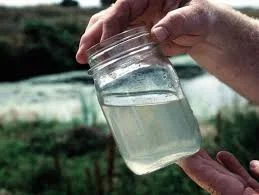
- Cloudy or Discolored Appearance: Brown or murky water is typically caused by sediments, rust, or microbial activity.
- Stains on Fixtures and Laundry: Contaminated water can leave yellow, brown, or blue-green stains on fixtures and your clothes.
- Sediment or Particles: Watching floating sand, grit, or flakes is an indication of damaged pipes or untreated water.
- Health Symptoms Linked to Water Use: Skin rashes, upset stomach, or symptoms of drinking contaminated water must never be overlooked. If any of your family members complain of these, then that is also linked to the symptoms of drinking contaminated tap water.
- Changes in Local Water Reports: Any changes in local water reports, where municipalities alert the citizens regarding bacteria and lead spikes.
Therefore, when you notice any of these signs, kindly take immediate action to prevent further health risks.

Types of Water Contaminants to Watch For
Contamination differs, as some pollutants are visible, while others are only detected through professional testing. Common water contaminating culprits are as follows:
- Heavy metals like lead and mercury
- Bacteria, such as E. coli
- PFAS and other industrial chemicals
- Nitrates from agricultural runoff
Collaborating with a lead in water testing company offers significant peace of mind. And professional lead in water testing services can spot risks that simply DIY kits may overlook. For bacterial concerns, here’s a helpful resource on how to test water for bacteria.
Ignoring these pollutants will worsen the signs of drinking contaminated water, leading to digestive distress and organ damage, too.
How to Test If Your Water Is Contaminated?
Undeniably, your senses can detect signs, but it is still recommended to go for professional testing, as the experts will know how to tell if water is contaminated. Besides, in this way, you can take the right steps to protect your health.
Options include:
- At-home kits for quick insights
- Laboratory testing to explain chemical breakdown in detail.
- Professional water lead testing for identifying hidden metals
Unsure where to start from? Check Teton’s water testing services for reliable results. They provide water testing services for chemicals such as PFAS detection to maintain your household’s safety.
Protect Your Family with Teton Environmental Today
If there are doubts about drinking contaminated water, or if you have observed symptoms of drinking contaminated water, consider partnering with experts.
Get in touch with Teton Environmental for trusted guidance, as their team offers detailed Environmental Testing Services to protect your family and businesses across the state.