Many homeowners discover asbestos when repairing storm damage, renovating, or purchasing an older property. At this point, a question arises: Does homeowners’ insurance pay for asbestos removal? The answer is not that simple. Coverage depends on the way asbestos was discovered. Did a covered event disturb it? And what is the exact policy?
Asbestos was once commonly used in construction, but it is now considered a hazardous material. Today, its presence usually compels homeowners to seek professional testing and removal through certified specialists. Its essential to learn when insurance applies and does not before starting any work involving asbestos. Or booking a professional asbestos testing service.
Understanding these details helps you avoid costly surprises and make informed decisions about remediation. The same goes for safety and claims.

Key Takeaways
- Homeowners often assume their insurance will cover all the toxic materials, but that is rarely the case. So, does insurance pay for asbestos removal?
- In most situations, standard policies don’t manage removal unless asbestos is damaged due to fire or water damage.
- Preventive remediation or routine removal is usually excluded.
The homeowners should understand asbestos removal insurance coverage to plan ahead. Some endorsements or specialized environmental policies may offer limited protection. Teton Environmental is a trustworthy consulting expert. They can clarify testing, remediation, and documentation.
What Is Asbestos?
Asbestos is a naturally occurring mineral. It was once popular for being durable, offering insulating properties, and resisting fire. For decades, especially in homes built before the 1980s, asbestos was heavily used in ceiling tiles, roofing, insulation, cement, and pipe wrapping.
Today, when its fibers become airborne and are inhaled, the same mineral poses serious health risks.
From an insurance perspective, asbestos is viewed as a pollutant. This classification affects insurance for asbestos removal, as homeowners’ policies often exclude coverage for pollutants. However, when a sudden covered event damages, then it’s considered.
Therefore, before rushing to repair or renovate, homeowners should understand how to identify asbestos materials using professional guidance. They can teach you how to identify asbestos in insulation to decrease risk. Plus, avoid invalidating insurance claims.
Does Homeowners Insurance Pay for Asbestos Removal?
For homeowners experiencing remediation costs the most important question is will insurance pay for asbestos removal? The answer is under limited circumstances. The majority of standard homeowners’ insurance policies do not cover toxic materials unless asbestos is involved in a covered loss.
When Asbestos Removal May Be Covered by Homeowners Insurance?
When covered dangers such as burst pipes, fire, or severe storms damage asbestos-containing materials, insurance may help pay for removing asbestos. Coverage may also apply if removal is necessary to repair insured structural damage, or if the hazardous mineral was previously unknown and unintentionally disturbed.

In such circumstances, insurers may include asbestos removal as part of restoring the home to its original condition.
When Asbestos Removal Is Not Covered by Home Insurance?
Keep in mind that most policies won’t pay if asbestos removal is:
- Preventive
- Elective
- Related to renovations
Insurers will deny coverage for intact, undamaged, or deteriorating materials. These exclusions explain why many asbestos-related insurance claims are usually denied.
Reasons Home Insurance Policies Exclude Asbestos Coverage
Home insurance policies typically exclude coverage for asbestos removal. This is because asbestos is regarded as a long-term environmental and health hazard rather than an accidental loss.
Insurance is primarily designed to protect against unexpected events, such as storms or fires. The coverage is not for issues that develop over time. Insurers consider its presence as an aging or maintenance-related condition, like wear and tear. This naturally falls outside standard policy coverage clauses. Therefore, you will rarely find insurance for asbestos removal in basic homeowners’ insurance plans.
Asbestos remediation may only be taken seriously when it qualifies as an asbestos remediation covered loss. It occurs when a covered peril, such as water or fire damage, disturbs asbestos-containing materials. But in all other cases, homeowners are responsible for remediation costs. Otherwise, they are free to seek specialized environmental insurance.

Where Asbestos Is Found in Older Homes?
As mentioned in the introduction, homes built before 1980 are more likely to contain asbestos because it was widely used in construction.
Attic and wall insulation, roofing shingles, vinyl floor tiles and their adhesive, exterior siding, popcorn ceilings, and pipe insulations are common areas.
If you suspect asbestos, don’t submit an insurance claim for removal without proof of damage. The insurers will deny the insurance claim for asbestos removal because they did not find any substantial evidence.
For liability protection and safety, professionals involved in remediation carry insurance for asbestos removal contractors. Doing so safeguards homeowners during the removal procedure.
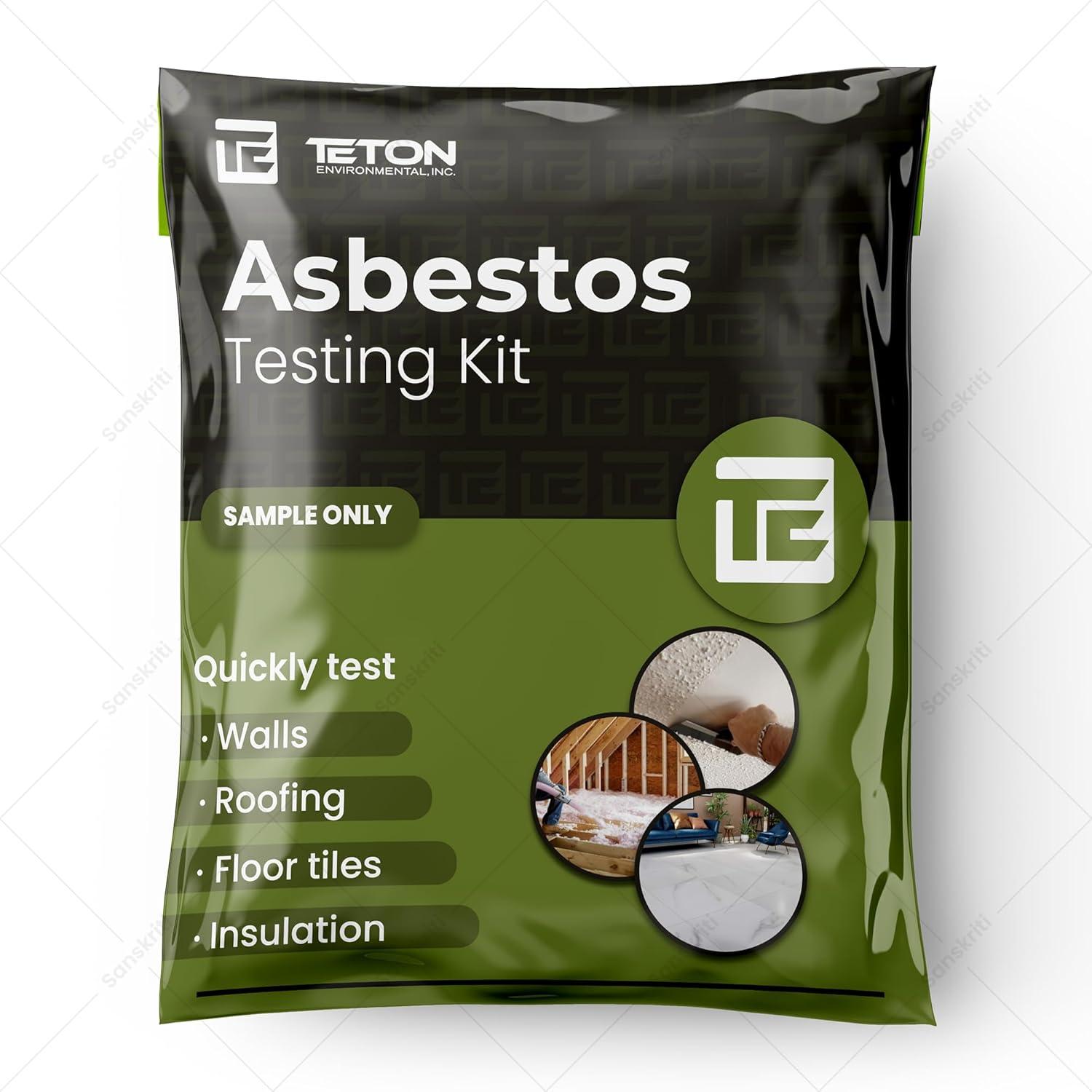
Yes, preliminary screening options such as an asbestos test kit do exist, but professional testing is recommended. The teams provide more reliable and legally acceptable results.
Health Risks of Asbestos Exposure in the Home
Disturbing asbestos-containing materials causes problems. Its microscopic fibers become airborne, and homeowners unknowingly inhale them.
Prolonged exposure leads to serious health conditions. These are mesothelioma, lung cancer, and asbestosis.
Since health risks are involved, it’s a must for licensed asbestos remediation contractors to follow strict safety containment and disposal rules during the removal.
What Homeowners Should Know about Asbestos Testing and Removal?
Homeowners should never remove asbestos, especially without professional guidance.
Here, another question comes: how to remove asbestos safely? This requires specialized training, protective equipment, and strict containment methods to prevent harmful fibers from becoming airborne.
Incorrect handling can lead to serious health issues. Plus, you might also end up violating local or federal regulations.
Therefore, homeowners must work with a certified asbestos removal company. The teams ensure proper testing, documentation, and remediation, staying compliant with safety and environmental laws.
Furthermore, qualified professionals can also help homeowners understand whether their insurance policy applies. They assist with the required paperwork for possible claims.
In short, if your home contains asbestos, contact Teton Environmental for an expert evaluation. Or consult a reliable remediation company. From start to finish, they will promise to handle it correctly.
How Much Does Asbestos Removal Cost?
Asbestos removal cost varies based on multiple factors. These include the levels of contamination, the locations of asbestos materials, and the complexities of removal.
- If it’s a small-scale project, you might have to pay a few thousand dollars.
- While the whole house’s remediation can exceed $20,000.
A reputable asbestos removal company offers clear pricing and will also explain safety measures.

Contractors also carry insurance for asbestos removal contractor. The policy provides homeowners with additional legal and financial protection during remediation.
Summing Up
Does homeowners’ insurance pay for asbestos removal? Mostly no, unless a covered loss disturbs this hazardous mineral. Understanding the insurance policy, testing materials and property, and working with certified professionals help you navigate this concern financially and safely.
Knowing the necessary details saves you time, money, and health risks later on.
Therefore, contact Teton Environmental, and their licensed experts will identify any asbestos.
GBP CID link: https://maps.google.com/maps?cid=14950218088920182749