Mold is a silent intruder, thriving in damp, dark corners and spreading rapidly while potentially impacting your health. A DIY mold test kit or a Mold Test Petri Dish offers a practical way to detect its presence early, empowering homeowners to take action. Understanding the differences between these testing methods can help you choose the right tool for your home’s needs. Contact Teton Environmental for expert guidance or explore professional Mold Inspection and Testing services to ensure accurate results. For more insights, learn what you need to know about mold.
Early detection is critical to prevent mold-related health and property issues.
1. How Do They Work: DIY Mold Test Kit VS Mold Test Petri Dish?
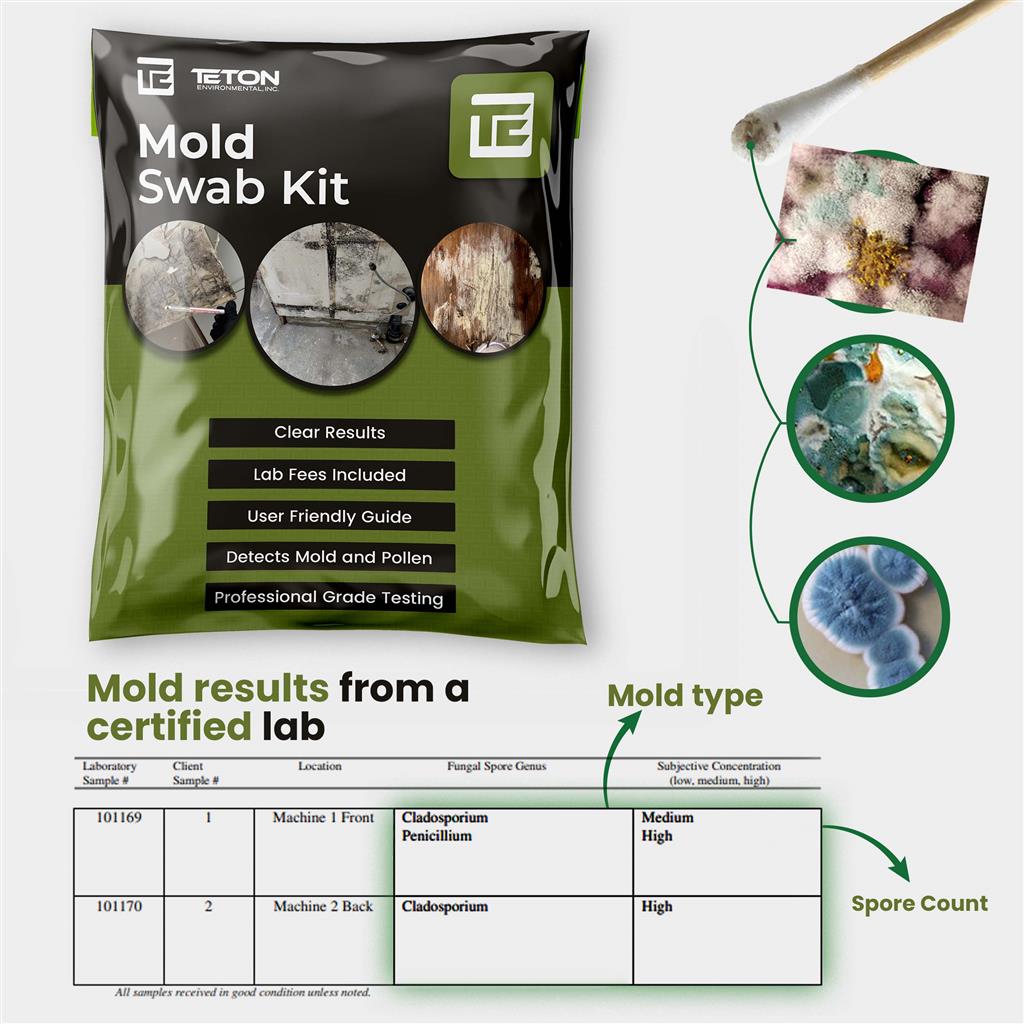
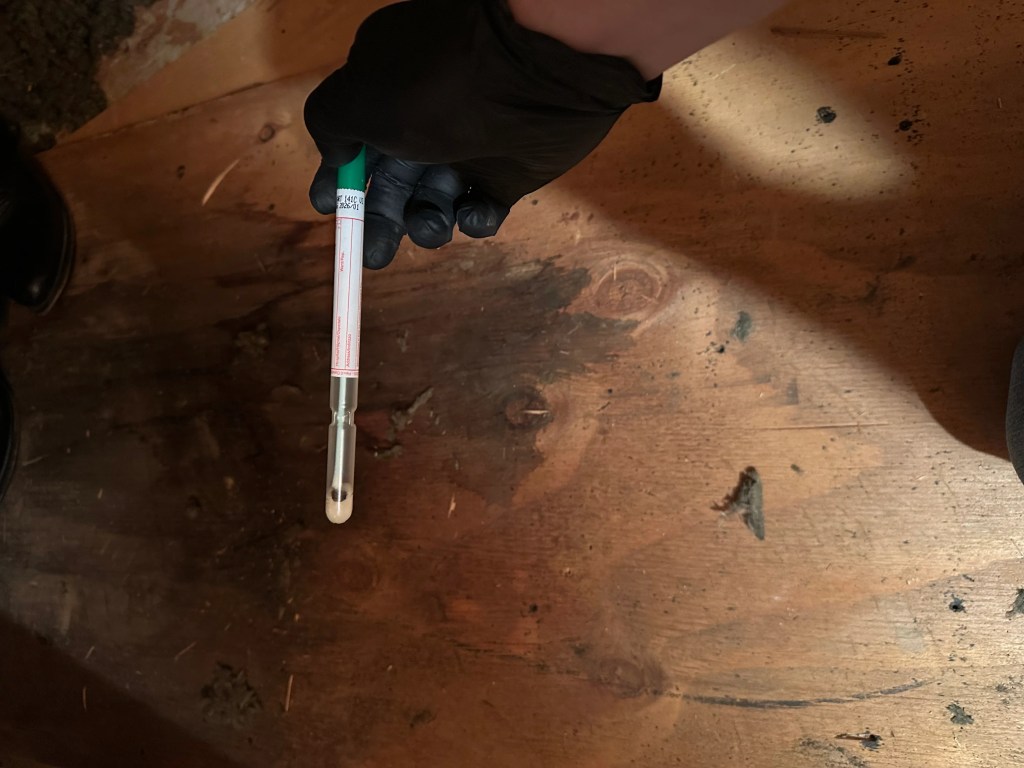
A DIY mold test kit typically includes swabs, tape lifts, or air sampling devices to collect mold samples from surfaces or the air. These kits often require you to send samples to a lab for analysis, which identifies the mold genera present. This process is straightforward but relies on proper sample collection to avoid contamination.
-
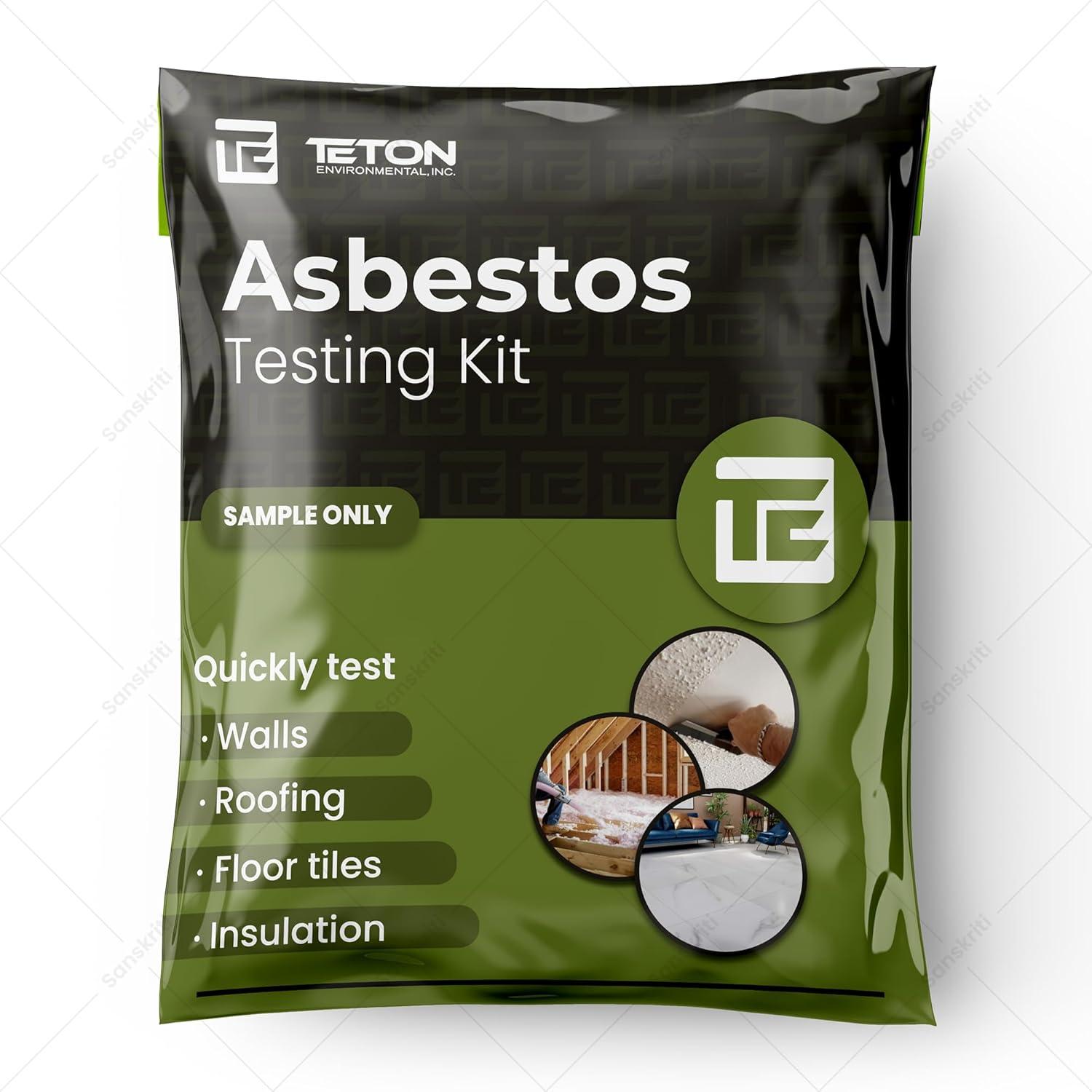
Asbestos Test Kit – Fast, Accurate & EPA-Approved Lab Analysis, Easy-to-Use Sampling, Results in 5-7 Days,
Fast & Accurate Results: Get reliable asbestos test results in 5-7 days from our EPA-approved laboratory, ensuring confidence in your home’s safety. Easy-to-Use Sampling: Includes clear instructions, sampling bags, and return envelope for samples. Prepaid shipping is not included. Expert Support: Access our dedicated customer service team for guidance on sampling, results interpretation, and next…
Price range: $49.95 through $109.95 -

Mold Test Kit – Lab Fees Included, 1 Swab can Detect 20+ Mold Types & Pollen, Easy-to-Use Guide, Professional-Grade Testing
Tests for multiple mold types found on household surfaces and vents; samples analyzed by a certified laboratory for accurate results Lab Fees Included: No surprise costs, our price covers lab testing for your mold sample. After collecting your sample, send it to our certified lab using mail courier of your choice. Made in the USA…
Price range: $54.95 through $124.95
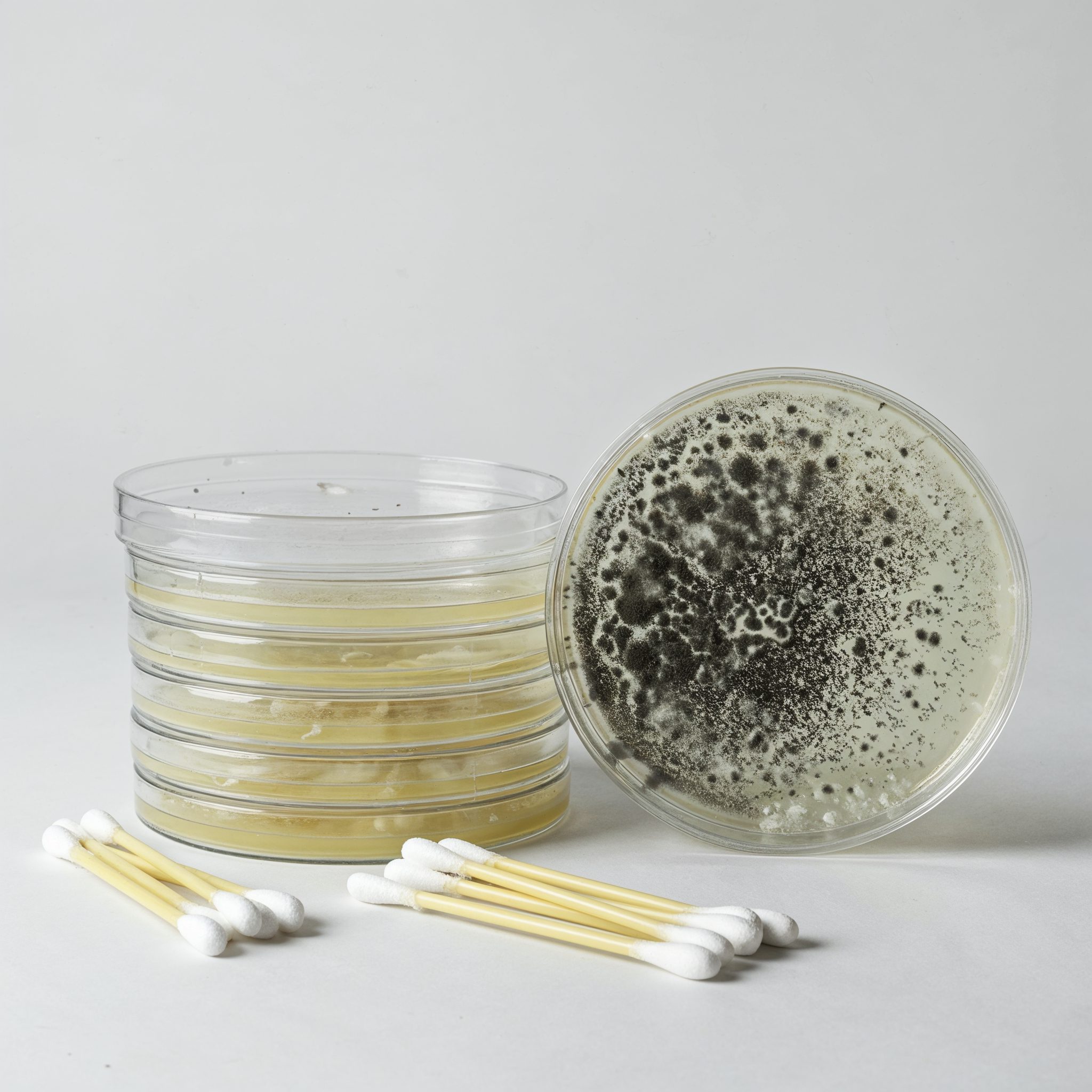
In contrast, a Mold Test Petri Dish uses a petri dish filled with agar, a nutrient-rich gel, to capture airborne mold spores through gravity settling. After exposing the dish for about an hour, you seal it and wait for mold growth, which aids in identifying mold in a petri dish. Some kits allow lab analysis for precise mold identification, as outlined in the Home Mold Test Kit guide.
Each method targets different mold sources, affecting how you interpret results.
2. Accuracy of a DIY Mold Test Kit VS Mold Test Petri Dish
The accuracy of home mold test kits varies based on collection technique and environmental factors. Swab or tape lift kits can accurately detect surface mold but may miss airborne spores, and improper handling can skew results. Lab analysis, as discussed in Mold Test Results, improves reliability but depends on sample quality.
Mold Test Petri Dish kits, while effective for detecting airborne spores, face limitations due to inconsistent spore settling rates. Heavier spores settle faster, potentially overrepresenting certain mold types, while sticky molds like Stachybotrys may not appear, as noted in professional testing critiques. This makes identifying mold in a petri dish less precise without lab confirmation.
Professional testing often outperforms DIY methods for comprehensive accuracy.
3. Ease of Use with a DIY Mold Test Kit VS Mold Test Petri Dish
Home mold test kits are designed for simplicity, often including step-by-step instructions for swabbing surfaces or setting up air sampling devices. However, users must follow protocols carefully to avoid contaminating samples, which can be challenging for beginners. Some kits offer multiple testing methods, increasing versatility but requiring attention to detail.
A petri dish mold test is user-friendly, requiring only that you open the dish, place it in a still environment, and seal it after an hour. The process is less technical, but maintaining a controlled environment—free from drafts or disturbances—is crucial for reliable results. Missteps, such as touching the agar, can lead to false positives.

Both methods are accessible but demand precision for effective outcomes.
4. Turnaround Time for Both: How Fast Are The Results?
With a DIY mold swab test kit, results depend on lab analysis. Visual checks for surface mold can yield results in 48 hours, but lab-processed samples, sent via mail, may take 2-5 days for detailed reports on types of mold in petri dish samples. This delay can be a drawback if urgent action is needed.
A petri dish for mold testing offers faster initial feedback, with mold growth visible on the mold petri dish within 48–96 hours, depending on the mold’s growth rate. However, identifying specific types of mold in petri dish samples without lab analysis can be unreliable, as colors and textures alone aren’t definitive. Mailing samples to a lab extends the timeline similarly to DIY mold test kit processes.
Speed varies, but lab analysis slows both methods significantly.
5. Cost Breakdown: Which One’s Worth the Price?
A DIY mold test kit typically costs $10–$50, with additional lab analysis fees of $30–$40 per sample. These kits are affordable for initial screening but can become pricey if multiple samples or professional confirmation is needed. The value lies in the certified laboratory analysis that tells you exactly what type of mold and how many spores of mold are on the sample.
Mold Test Petri Dish kits range from $20–$50 for multiple mold petri dish tests, with optional lab fees of $40 per dish. While cost-effective for testing multiple rooms, their reliance on lab analysis for precise identification can increase expenses. The Mold Test Petri Dish is ideal for budget-conscious homeowners prioritizing airborne spore detection.
Costs escalate with lab analysis, so consider your testing goals.
Choosing Between a DIY Mold Testing Kit and a Petri Dish Mold Test
Selecting between a DIY mold testing kit and a petri dish for mold testing depends on your specific needs. If you suspect surface mold or need to test HVAC systems, a DIY mold test kit offers targeted sampling options. However, for broad airborne spore detection, a petri dish mold test is simpler and effective, though less precise without lab support.
Consider the environment you’re testing—damp basements may benefit from surface-focused kits, while musty odors suggest airborne testing with a petri dish for mold testing. Both methods struggle with identifying mold in a petri dish accurately without professional analysis, as types of mold in petri dish vary widely in appearance. For detailed guidance, check How to Inspect for Mold in Your Home.
Your testing purpose should guide your choice.
Skip the Hassle with Teton Environmental – Denver’s Mold Testing Experts
Navigating the complexities of a DIY mold test kit or Mold Test Petri Dish can be overwhelming, especially when identifying mold in a petri dish requires expertise. Teton Environmental, Denver’s trusted mold testing professionals, eliminates the guesswork with comprehensive inspections and precise results. Contact Teton Environmental for expert mold testing that ensures your home is safe and healthy.
Professional testing delivers peace of mind and actionable solutions.