When discussing mold, people often visualize dark blotchy patches creeping across the walls or a musty smell in a damp basement. But mold goes way beyond sticking to your house’s interior, as it can also harm your health in ways that aren’t always obvious. Many ask: Can mold make your skin break out? The answer is yes, mold can lead to skin issues, including rashes, itching, and breakouts. If you doubt that mold is invading your living space, contact professional mold testing Denver Colorado services, as they can confirm whether your home’s environment is contributing to these skin reactions.

What is Mold?
Mold is a kind of fungus that grows in humid and damp environments. It spreads by releasing tiny spores into the air, which you can inhale or come into contact with through your skin. When it’s indoors, mold clings to carpets, walls, ceilings, or even hidden spots, such as behind wallpaper.
In other cases, you might feel mold mites on skin. Mites are tiny creatures that feed on mold spores. They don’t bite; however, their presence can irritate anyone with sensitive skin, resulting in severe rashes and breakouts.
Additionally, note that there are various types of mold, and some can cause more harm than others. Discover more about the types of toxic mold in this guide.
How Can Mold Make Your Skin Break Out?
Can mold cause skin breakouts? Certainly! Your skin is the body’s largest organ, which, when exposed to mold spores or toxins, can compel your immune system to react with irritation. This usually surfaces as hives, breakouts, or itchy patches. Additionally, prolonged exposure can also exacerbate pre-existing skin conditions in individuals, such as eczema.
Apart from mold allergy symptoms skin reactions, here are multiple ways mold can result in visible skin issues:
Inflammation Caused by Mold
Mold spores can trigger allergic responses in the immune system. This further inflames the skin, causing redness, swelling, or painful acne breakouts.
Mold and Hormonal Imbalances
Some molds are also responsible for releasing toxins that can interfere with hormone regulation. When hormones shift, you may notice increased oiliness and clogged pores, resulting in persistent
breakouts.

Mycotoxins and Breakouts
Mold produces mycotoxins. These are toxic compounds that can overwhelm the liver and immune system, resulting in skin eruptions, rashes, and acne that don’t easily recover.
Fungal Infections
There are several cases where mold exposure not only irritates the skin. It can result in fungal infections, which may appear as ringworm or yeast overgrowth, requiring immediate medical treatment.
Mold and Other Skin Rashes
Mold exposure is also associated with conditions such as contact dermatitis and hives. These rashes can appear suddenly, spread quickly, and become very itchy or painful. For better and deeper insights, you can compare black mold vs toxic mold to understand which kinds may be most harmful.
Signs and Symptoms of a Mold-Related Breakout
Skin breakouts associated with mold resemble regular acne, but there are also other clues. Here are the common warning signs:
- Small, red bumps that worsen after time spent indoors.
- Continuous itching or burning on exposed skin.
- Hives or rashes that don’t heal even after being treated.
- Reactions that happen alongside the respiratory issues or watery eyes.
Mold exposure can even involve mold mites on skin, which further worsens the irritation. When merged with mold allergy symptoms skin, these problems are usually incorrectly diagnosed unless mold exposure is kept in mind.
How to Prevent Mold-Related Skin Problems?
If you want to save your skin from mold-related infections and reactions, you must prevent mold’s growth in the first place. Try to keep indoor spaces dry by purchasing dehumidifiers and improving the ventilation system in damp areas where necessary. Furthermore, bathrooms are the perfect place for their breeding, so follow these 9 tips to prevent mold in bathroom for a safer and cleaner space.

Signs of Mold Growth in Homes
If you consider mold to be the sole reason for your skin problems, your residence will typically exhibit symptoms of infestation. One of the most common indications is a mold smell in house. It’s a musty smell that stays there even after thorough cleaning.
Common Indoor Sources of Mold Growth
- Bathrooms with poor ventilation
- Basements and crawlspaces
- Air conditioning units and ductwork
- Leaking roofs or taps
- Placing Carpets and upholstery in damp areas, increasing their exposure to moisture
Mold Health Risks Beyond the Skin
Rashes and breakouts caused by mold exposure are annoying, but the same fungus also poses health risks. For instance, you can experience headaches, respiratory issues, severe fatigue, and neurological problems, too.
Therefore, moving ahead with professional mold inspection and testing is often the only way to confirm whether mold is the actual reason behind your health deterioration.
When to Test for Mold in Your Home?
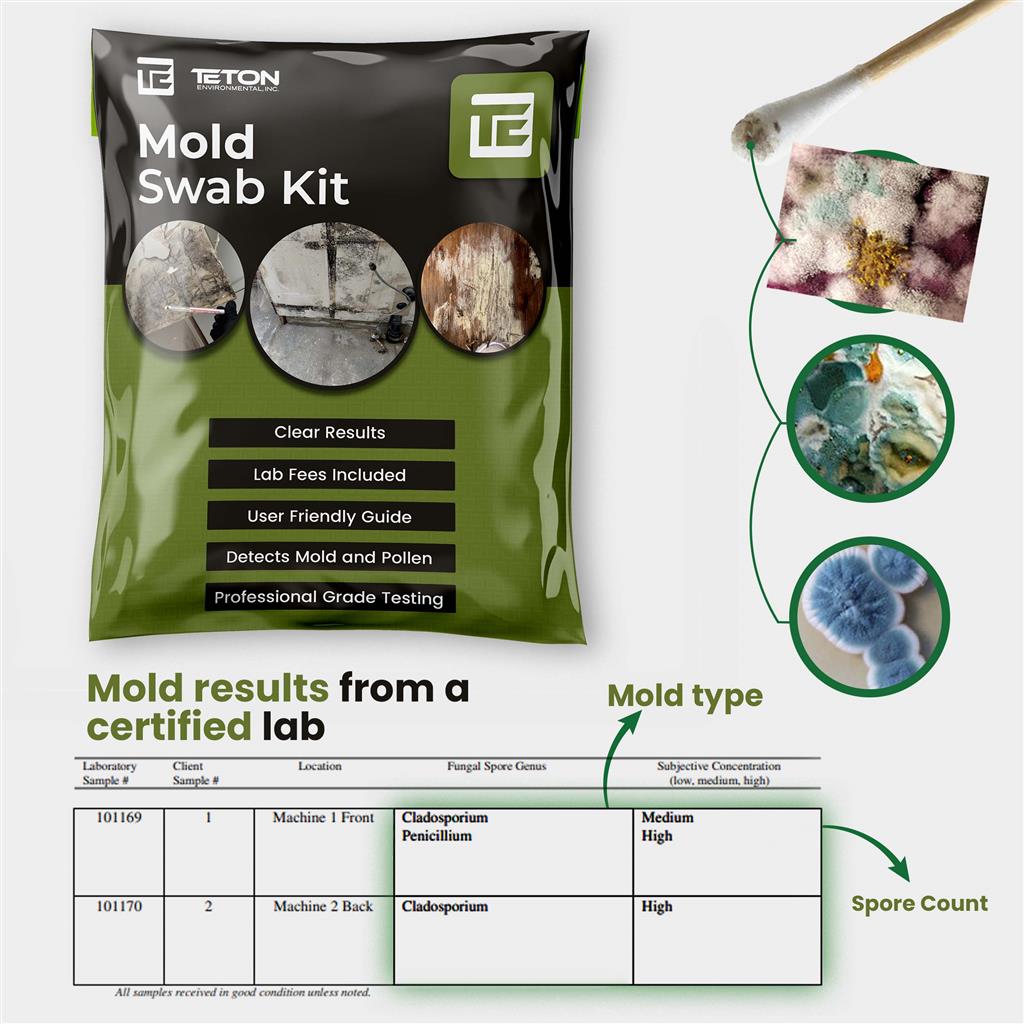
Noticed stubborn acne breakouts or weird rashes, and you suspect it’s all because of mold? You will want to figure out how to test for mold. A home mold test kit is helpful, but it is not entirely reliable, especially for detecting hidden infestations.
If you want accurate results, go for mold testing Denver. Local experts can help identify specific strains and measure the amount of mold present in the home.
Expert Mold Testing Services in Denver
If you reside in Colorado, professional testing is the safest option. Their teams consist of certified inspectors who use specialized equipment to detect hidden mold growth, measure the number of spores, and offer actionable results.
Teton Environmental is a trustworthy provider, offering comprehensive mold inspection and testing services. For anyone searching for reliable mold testing Denver CO, their expert support can make a massive difference in guarding your overall health and home.
Protect Your Home & Health with Teton Environmental
If you are still wondering how to test for mold, start by exploring your options for mold testing services. Certified and licensed inspectors can determine whether mold is contributing to your health and skin issues.
For homeowners in Denver and surrounding areas, Teton Environmental is the solution:
- Contact Teton Environmental to schedule a consultation.
- Visit Teton Environmental for directions and service details.
Taking timely action is crucial in safeguarding your home and preventing future health complications.
FAQs
Can mold grow on your skin?
Can mold grow on your skin? It typically doesn’t directly grow on healthy skin; however, constant exposure can’t stop it either, causing fungal infections.
What are the warning signs of mold toxicity?
Warning signs are breathing problems, consistent headaches, skin rashes, and memory issues.
Does mold cause itchy skin?
Mold can cause itchy skin, hives, and eczema as well. Individuals with sensitive skin or allergies are more vulnerable to this.
How long does it take to detox from mold?
If there is mild exposure, symptoms might improve in a few weeks, but for critical cases, detox can take months, demanding medical care.