Older houses have secrets in their walls, but some of them contain serious ones in the form of asbestos in blown-in insulation. If you’re asking, “Can blown-in insulation have asbestos?” you are digging into a serious issue for your family. Scientific research has shown that asbestos fibers have the ability to cause severe illnesses such as scarring of the lungs, mesothelioma, and lung cancer, which may develop many years after inhalation.
These materials get toxic as they age, and when disturbed, they may spew toxic fibers into the air and your home, posing serious dangers.
We will uncover five shocking facts every homeowner must be aware of about asbestos-blown-in insulation and help you understand when it is time to invite the professionals to do the testing in Denver for you.
What is Blown-In Insulation?
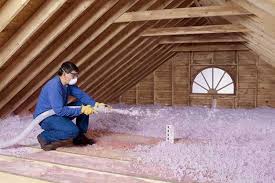
When you ask does insulation have asbestos, the answer is: sometimes. Blown-in insulation (or loose-fill insulation) is an insulation that is poured or blown into the attic cavity, wall cavity, or other spaces that are difficult to access. Unlike batt insulation, loose-fill is often used for retrofits or spaces with odd shapes.
This is where the danger lies, however: some of the loose-fill types or blown-in ones have been known to contain asbestos, often called loose-fill asbestos insulation.
For instance:
- Some homes built or retrofitted before the late 1980s used loose-fill insulation that contained asbestos fibers.
- The material is usually fitted in attics or wall cavities, and since it is loose, it may be easier to loosen and release fibres than, e.g., solid boards.
If you’re having insulation inspected, be aware of these pointers:
- Inquire about the nature of insulation used; is it loose-fill/blown-in, or is it batt or board?
- When the building is older (particularly constructed and insulated before 1990), there is an increased risk that the blow-in material might contain asbestos.
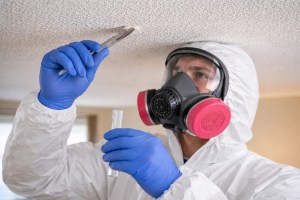
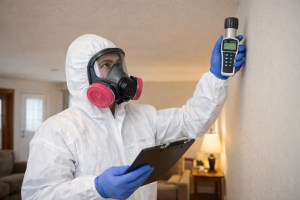
- For professional help, you can reach out to an asbestos testing service that is professional and follows safety protocols.
What Does Asbestos Insulation Look Like
Here is how to tell the difference between cellulose and asbestos insulation, or to be more direct: what is the difference between cellulose and asbestos insulation, and where to find asbestos insulation?
Here’s what to look for:
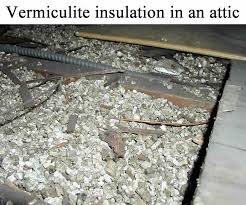
- Asbestos insulation (blown-in or loose-fill) can be either grayish, brown, or silvery/gold granules or fluffy fibrous material.
- Cellulose insulation is usually like shredded paper, mostly grey, and is not as shiny as mineral some asbestos-contaminated items.
Other tell-tale signs:
- The texture can be rocky or pebbly (in the case of vermiculite insulation in particular).
- It is normally installed in the cavities, such as attics or beneath floor joists. In case if you have an attic and notice some loose granules that resemble glitter or little flakes, then this highly raises suspicion.
- When the insulation is loose-fill and the building is old (before 1990), and you cannot easily determine what it is, fiberglass or cellulose, then you should call a professional to have a look at it.
As an example, one article relates that type of insulation that is mostly generally made with asbestos is loose-fill/blown-in insulation, which is found in older houses.
If you’re wondering about “insulation in attic” and how to proceed, the asbestos insulation in attic page from Teton Environmental is a relevant internal link you should check.

Insulation and Asbestos Toxicity
So yes, can insulation have asbestos? It absolutely can under the right conditions! That leads to the toxicity risks, including for materials like asbestos insulation board.
Here’s a breakdown of why this matters:
The importance of Asbestos Insulation Board and Other Forms
One of the rigid types of insulation that contains asbestos in the board is asbestos insulation board (AIB). Though AIB is not considered to be similar to loose-filled blown-in insulation, the overall idea is that any insulation material that contains asbestos is dangerous when disturbed. Fibres may be airborne, breathed into the lungs, and become embedded in the tissue, which can later cause serious damage.
How The Toxicity Works
- Asbestos fibers are very strong, heat, fire, and chemical resistant, which is why they were earlier used in insulation.
- Mesothelioma is a rare cancer of the organ lining, and in 2021, about 2,803 U.S. cases were reported, most caused by asbestos exposure.
- It has been scientifically proven that exposure to asbestos causes non-cancerous and cancerous diseases. The severity of this is captured by the given statement.
Implications for you as a homeowner
- If your home contains insulation with asbestos (or you suspect so), disturbing that insulation (for example, during a renovation, attic clean-out, or installing new wiring) significantly raises the risk.
- The safest route: have a professional inspection and testing done rather than assuming certain insulation is safe.
- For help in Denver, you can contact a professional asbestos check-in service provider who can arrange the assessment for you.
- If you have attic insulation with asbestos or older types of insulation with asbestos, these are the things you don’t want to ignore.

5 Shocking Facts About Insulation
Speaking about insulation with asbestos, especially blown-in or loose-fill, certain facts are worth mentioning that every homeowner should be aware of, yet many are not. These are important to know in order to be safe.
Fact 1: Older Homes Are More Vulnerable
- When your house was built before 1990 (in the U.S), there is a greater chance that the attic or wall insulation may contain asbestos material.
- Why? Because many manufacturers used asbestos-based insulation before regulations were fully in place or fully enforced.
- Example: Libby mine, Montana (which mined a form of vermiculite insulation that was impurified with asbestos) was closed in 1990, so houses constructed earlier are more prone to contain it.
- So if you have attic insulation and aren’t sure when it was installed, assume a higher risk and proceed accordingly, and call a professional service.
Fact 2: Not All Blown-In Insulation Is Safe
- Many homeowners assume “blown-in insulation” is safe because it seems new or it was installed after the home was built. But that’s not always the situation.
- Loose-fill/blown-in insulation created decades ago may contain asbestos fibres, especially in certain forms like vermiculite or specific brands.
- Conversely, newer blown-in insulation options (cellulose, fiberglass, etc) are generally safer — but the key is knowing which product was used.
- This is why knowing what does asbestos insulation looks like (and how to differentiate it) is so important.
Fact 3: Disturbing Insulation Releases Invisible Fibres
- Perhaps the most dangerous aspect: insulation with asbestos may look “quiet” when left untouched, but if you disturb it (walking on attic insulation, installing new fixtures, removing ceiling boards, etc), you can release fibres that are invisible yet harmful.
- The material becomes “friable,” which is easily crumbled and releases fibres when disturbed.
- That means even minor renovations or cleaning out an attic can unexpectedly open exposure risks.

Keep in mind that:
- Disturbing insulation may stir up asbestos fibres.
- Air currents in an attic can carry fibres to living areas.
- Once inhaled, fibres can lodge deep in lung tissue and cause problems years later.
Fact 4: Health Risks Appear Decades Later
- One of the scary truths: if you are exposed to asbestos fibres today, symptoms may not show up for many years.
- Diseases like mesothelioma often manifest decades after exposure.
- This means you might feel safe today, but if insulation with asbestos exists in your home and gets disturbed, the risk is real, even if no immediate signs appear.
- Early indicators may include coughing, breathing difficulties, chest pain, and, many times, the damage is well underway before clear symptoms arise.
Fact 5: Professional Asbestos Testing Is the Only Way to Be Sure
- The single most important action item: if you’re asking do I have asbestos insulation, the only reliable way to know is through certified testing. Visual inspection alone isn’t enough.
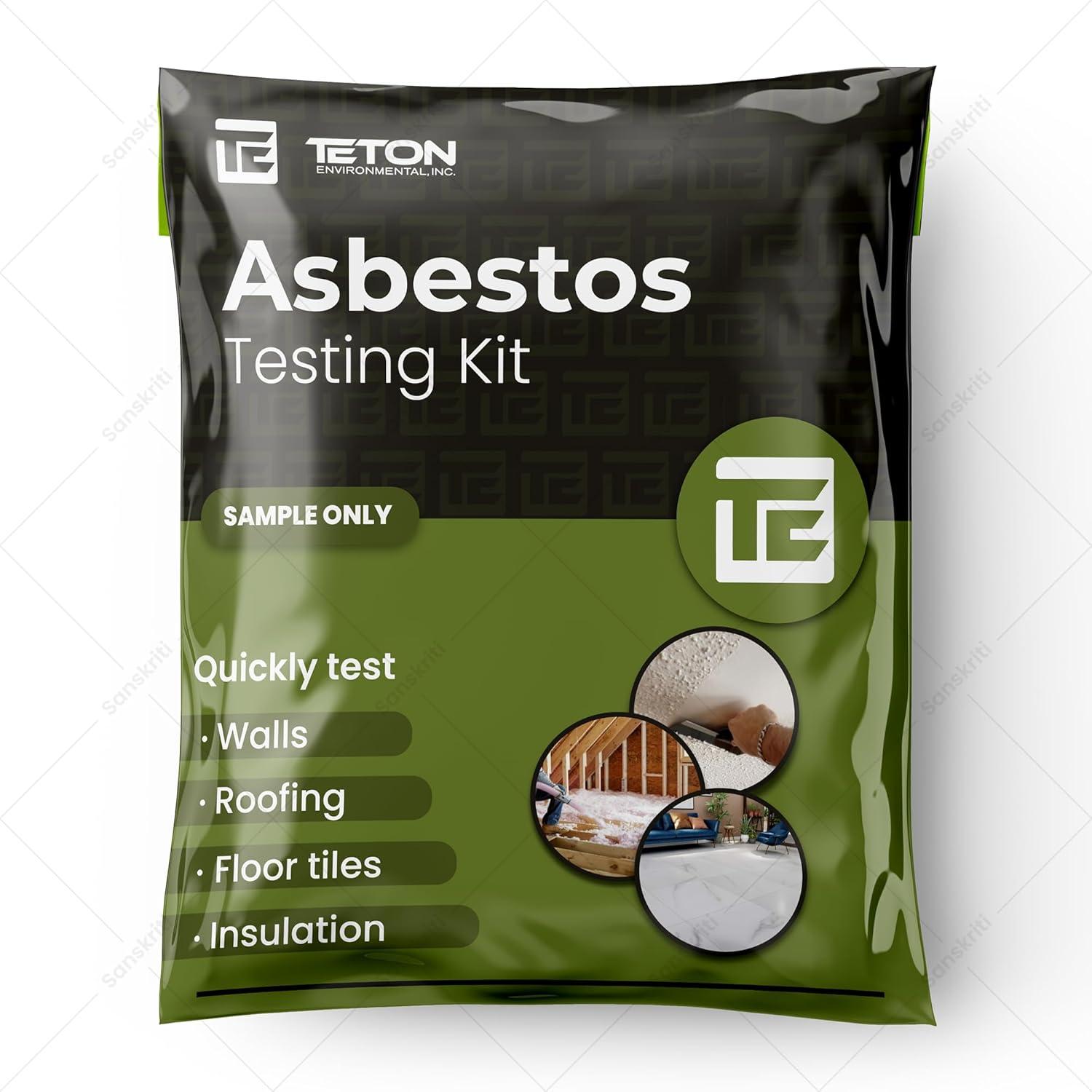
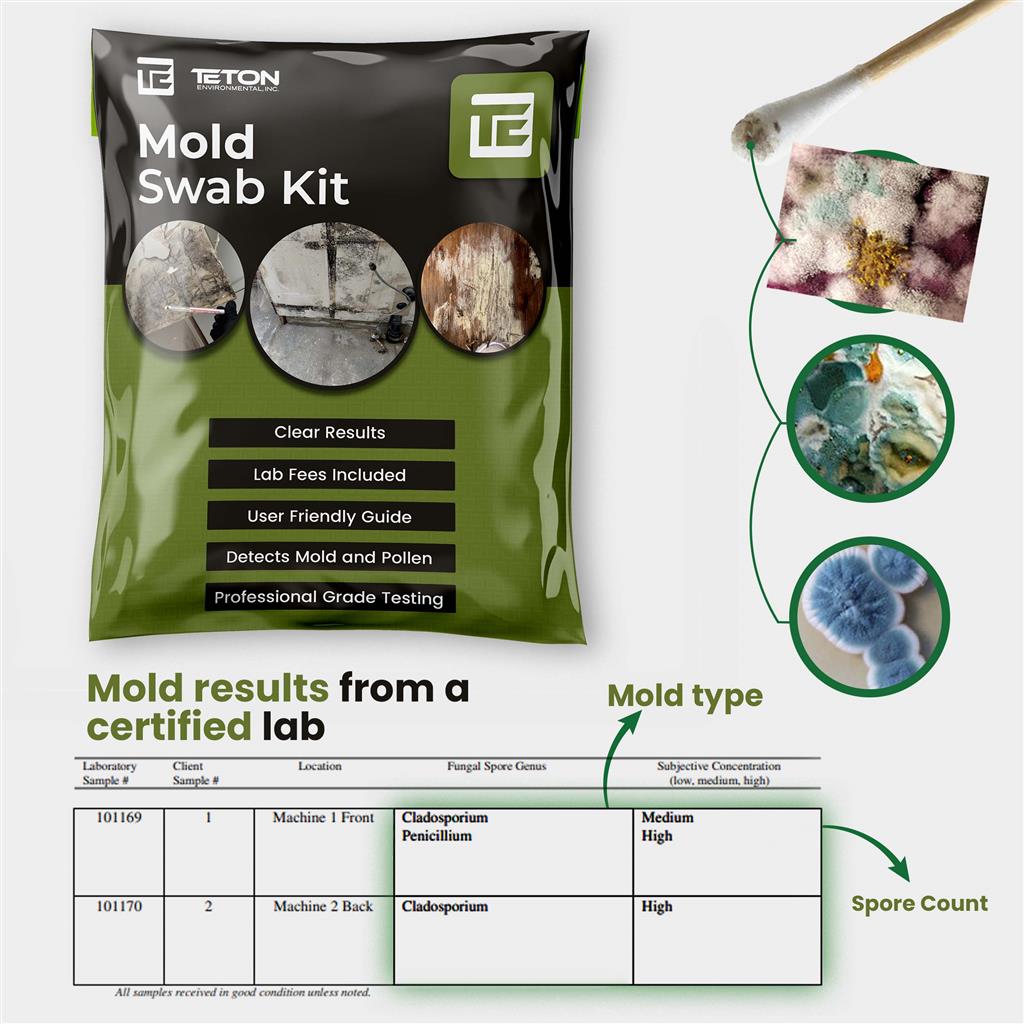
- DIY kits might give you a clue, but when dealing with blown-in asbestos insulation or loose-fill types, professional analysis is the safest route.
- Accredited services can collect and test samples safely without releasing harmful fibres into your home.
- For verified experts, reach out to Environmental Testing Services or directly contact the professionals at Teton Environmental.
Schedule an inspection with Teton Environmental Service today to protect your health and your home to have a peace of mind.