Mold is a common issue in both residential and commercial spaces, and its presence can have significant health implications. From respiratory problems to skin irritation and allergic reactions, recognizing the symptoms of mold exposure is crucial for maintaining a healthy indoor environment. In this blog post, we will explore the possibility of testing individuals for mold exposure and the methods available to address this concern.
Understanding Mold Exposure: Mold exposure can occur in various ways, often stemming from water leaks, moisture buildup, or flooding. The symptoms of mold exposure are diverse and can include persistent coughing, wheezing, skin irritation, and allergic reactions. Recognizing these signs is the first step in addressing potential mold-related health issues.
The Need for Mold Testing: Identifying mold can be challenging as it can be hidden and undetected. Mold testing becomes crucial in scenarios such as after water damage, during property inspections, or if occupants experience unexplained health issues. Professional mold testing services are equipped to assess the extent of mold presence accurately.
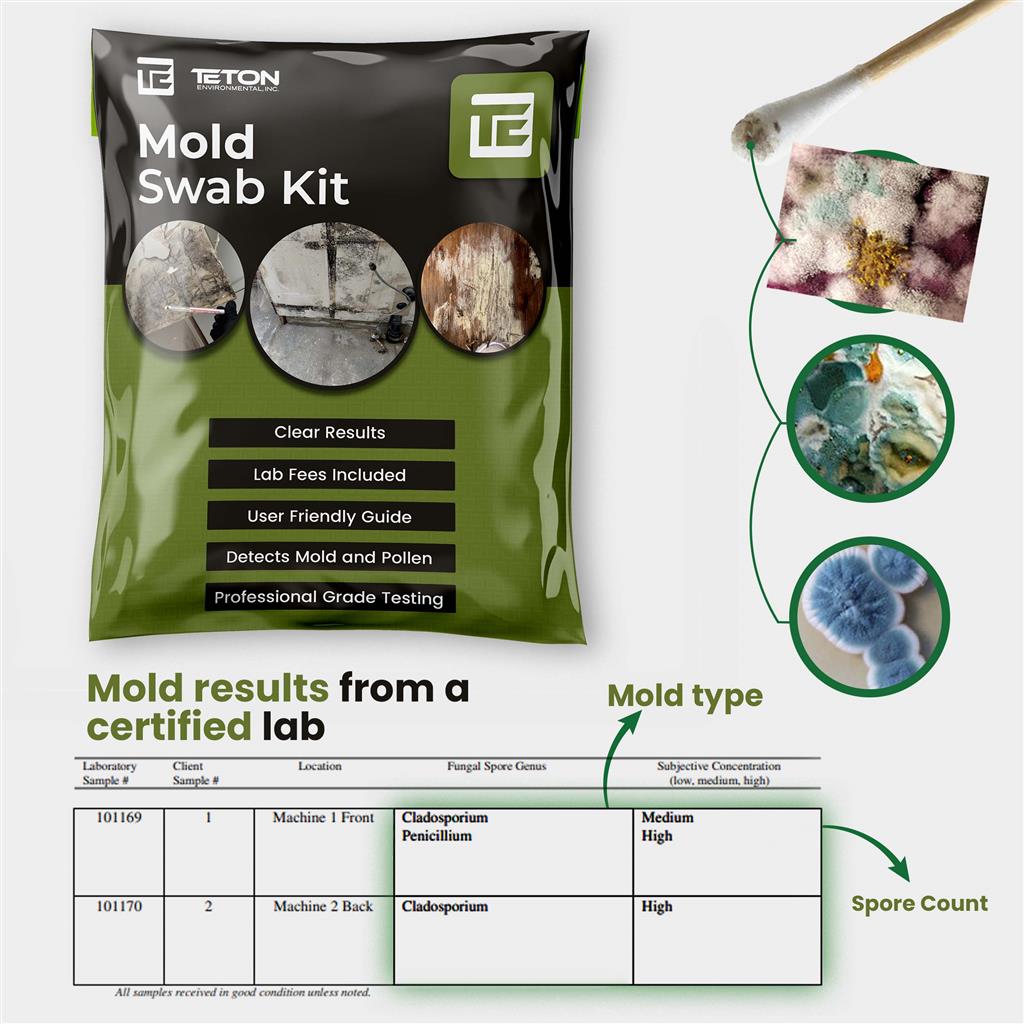
Types of Mold Testing: There are various methods employed in mold testing, each serving a specific purpose. Air testing measures airborne mold spore levels, surface testing identifies mold on different materials, and bulk testing assesses specific components like insulation or drywall. Relying on professional mold testing services ensures that the most appropriate methods are employed for accurate and reliable results.
Can a Person be Tested for Mold Exposure? One common question is whether individuals can be directly tested for mold exposure. Unlike environmental testing, there isn’t a specific test that can conclusively determine personal mold exposure. This is due to the variability of symptoms and individual reactions to mold.
Indirect Methods of Mold Exposure Testing: While there isn’t a direct test for personal mold exposure, there are indirect methods that individuals may consider. Blood tests can measure specific antibodies or markers associated with mold exposure. For those interested in a more detailed assessment, mycotoxin testing from blood can provide insights into the presence of mold toxins in the body. Mycotoxins are secondary metabolites produced by certain molds and can enter the bloodstream through inhalation or ingestion. A healthcare professional can guide individuals through the process of obtaining a mycotoxin test and interpreting the results. It’s important to note that mycotoxin testing may have limitations and is typically done in consultation with a healthcare provider.
Seeking Professional Help: In cases of suspected mold exposure, it is crucial to consult with healthcare professionals for a comprehensive assessment of health concerns. Additionally, environmental companies specializing in mold testing play a pivotal role in ensuring a safe indoor environment. These professionals can conduct thorough assessments, identify the presence of mold, and recommend appropriate measures for remediation.
While there isn’t a direct test for personal mold exposure, recognizing the symptoms and addressing potential mold issues in your living or working space is vital. Mold testing, both for properties and individuals, requires a comprehensive approach. Seeking professional help from healthcare professionals and environmental companies specializing in mold testing is the key to ensuring a healthy indoor environment. Take proactive steps to address mold-related concerns, and if you have any questions or require expert assistance, feel free to contact our environmental company.