You rarely look into what’s happening inside the HVAC system until a strange odor hits you, when family members start suffering from persistent allergies, or visible discoloration makes you wonder: could there be black mold in air vents? Unfortunately, when mold spores settle in the air vents, they begin to multiply in the air ducts, circulating throughout your residence, impacting health and air quality.
Understand the toxic signs of black mold in air vents to help in detecting the problems as early as possible, saving you from expensive remediation in the future. A closed space with excessive moisture creates a perfect breeding ground for mold growth. This makes your air conditioning units and furnace vulnerable to mold spores. Houses in regions where humidity is always high are specifically susceptible to mold development in HVAC systems. Cleaning and maintaining the AC or furnace regularly can help prevent these issues, resulting in improved indoor air quality and longer-running systems.
Suspect contamination? Contact Teton Environmental for professional inspection and guidance on mold remediation.

What is Black Mold & How To Identify It?
Don’t start panicking. First, understand what you are searching for. Black mold, in scientific language, is known as Stachybotrys chartarum. It is a dark, slimy fungus, growing in poorly ventilated, damp spaces like HVAC vents and ducts.
Interested in learning how to inspect mold’s presence at your end? There are professional services like mold inspection and testing. It assists in identifying whether your HVAC system has mold, and if so, what kind. Conducting a visual inspection isn’t enough, as mold usually grows deep inside ductwork, which remains out of sight.
Here are the six most common signs that black mold may be breeding in your HVAC system:
1. HVAC System Smells Musty When Starting Up
One of the first signs many homeowners report is observing a strong, musty smell when the HVAC system starts: heating or cooling kicks in. So, what does black mold smell like? It’s usually described as damp, like dirty socks or wet wood placed nearby. The odor stays even after cleaning the HVAC system’s filters.
That particular scent is there because of the circulation of mold spores and mycotoxins, which keep happening through your vents each time you run your HVAC system. If your home consistently smells that way, chances are you could be dealing with a mold issue, and you shouldn’t avoid it.
2. Stuffy or Humid Indoor Air
Stuffy or humid indoor air, despite having the air conditioner switched on, is another red flag hinting at black mold in the AC unit systems. The growth of mold within ducts blocks airflow, resulting in an uneven temperature distribution, leaving rooms feeling damp or heavy.
Extra humidity feeds mold spores, letting them thrive, especially in attics with poor ventilation or uninsulated ductwork. Not checking on time spreads the problem throughout your home, making the indoor air unsafe and uncomfortable.
3. Unexplained HVAC Inefficiency
HVAC’s inefficiency is one of the early-stage signs of black mold in air vents. Even on turning it on, you will observe that your unit runs longer, is expensive to operate, or fails to either properly heat or cool down. In short, it won’t deliver optimum performance.
This happens due to mold buildup. The fungus starts clogging vents and air filters, compelling the system to work harder. It’s not only bad for your energy bill, but also hints toward poor air quality, which harms your health. Address the issue at your earliest convenience to prevent your HVAC components from long-term damage.
4. Recurring Cold or Flu-Like Symptoms
Do you or your family members constantly feel ill? Like you are frequently sneezing, coughing, or having breathing problems. It could be due to black mold in air conditioner units spreading toxic spores throughout your living spaces.
Common flu signs include nasal congestion, sore throat, coughing, and exhaustion that improve when you are not even at home.
These are your body’s way of reacting to contaminated air. Seniors, children, and those with asthma or allergies are more vulnerable. If you are willing to keep your home’s areas mold-free, also review tips found in how to prevent mold in bathroom, since controlling moisture is key to preventing it from occurring again.
5. Dirty or Clogged Air Filters / Visible Mold
Even after replacement, do your air filters look way too dirty? Or did you spot fuzzy dark patches on vents? Then, you might be witnessing signs of mold behind the drywall or within the duct interiors. Black mold spreads through tiny cracks and attaches to any porous surface.
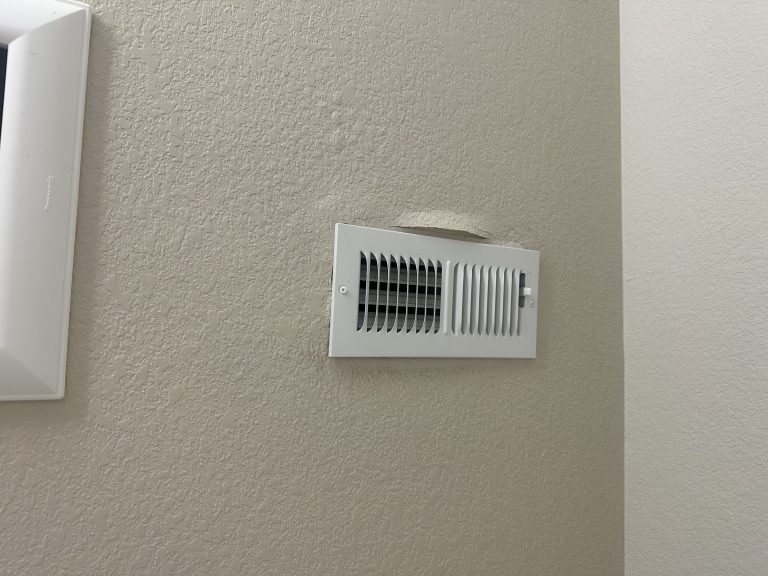
Inspect around your intake grilles or registers to check green, brown, and black discoloration. These clues are usually an indication that mold has deeply taken over the ductwork, which surface cleaning can’t fix.
6. Discoloration Around Vents
Noticed dark staining or fuzzy residues around vent edges? Don’t ignore them; they are serious warning signs. Homeowners usually use bleach to clean dark stains, but again, the question arises: Does bleach kill black mold completely? The answer is not really. Bleach can remove surface stains, but doesn’t penetrate porous materials or kill airborne spores.
Using bleach on vents makes things worse because it releases additional fumes. Instead, call certified professionals to perform a proper inspection and clean the HVAC system deeply to safely resolve the problem.
How to Know If It’s Truly Toxic Black Mold?
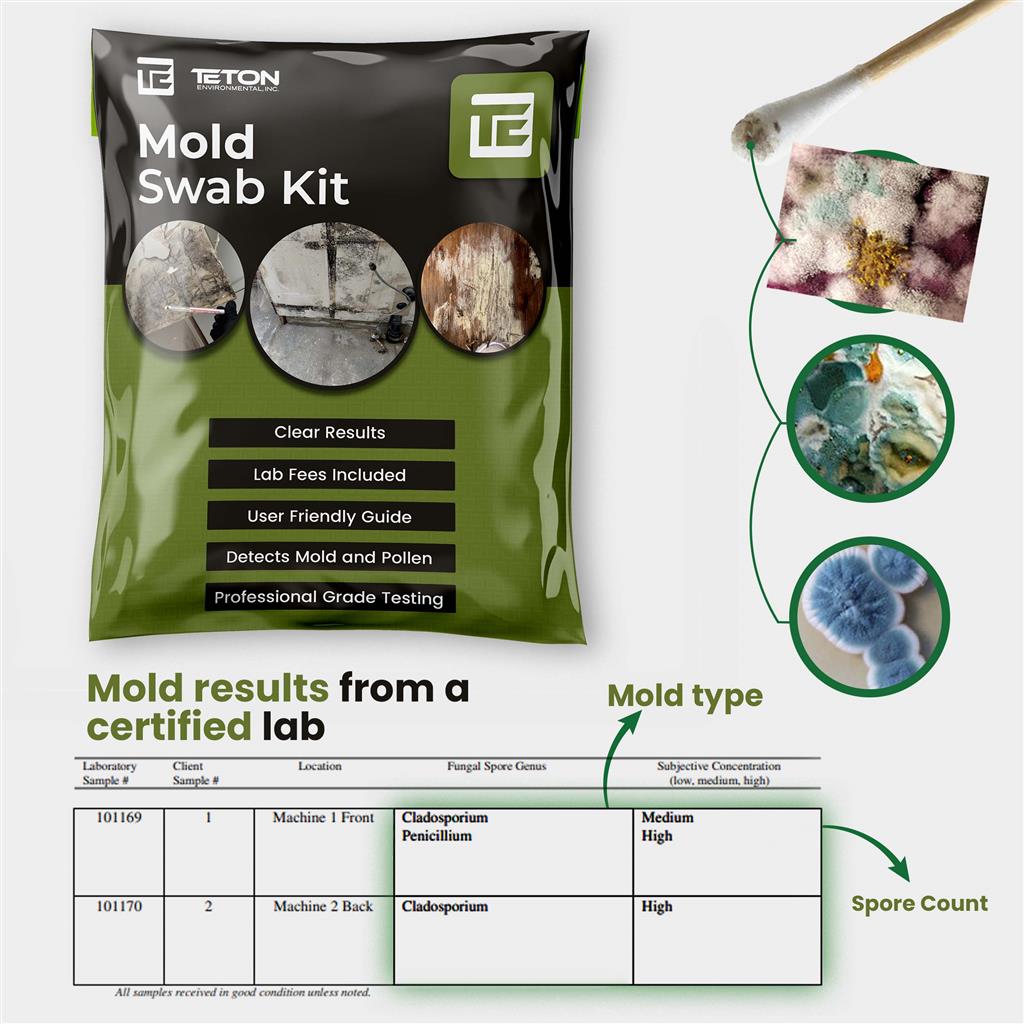
Are you unsure whether you are really watching a toxic black mold? Use a simple home mold test kit to test air vents. These let you collect samples and send them to an authentic lab for analysis. The results will assist in determining whether the mld species growing in your ducts produce dangerous mycotoxins and the severity of the contamination.
It’s better to identify the mold early, as then you can stop the fungal growth from spreading, avoiding costly HVAC damage or health complications.
Why Black Mold in Air Vents Is a Serious Problem?
When the black mold is left untreated, black mold in air vents not only stays within your ducts but also spreads spores in every room throughout your house. The indoor air is not clean, but contaminated, and this constant circulation leads to respiratory issues and causes long-term structural damage to your HVAC system.
Therefore, whenever you observe recurring allergy-like signs or come across visible growth, don’t wait and act quickly. Because the earlier you interfere, the easier it is to detect the issue.
How Mold Spreads Through Your HVAC System?
Wondering why mold keeps returning? For that, you need to know how does black mold form. The spores require only three things to thrive: moisture, warmth, and organic materials like dust or debris inside ducts.
In humid climates, especially, condensation forms inside vents, allowing spores to latch onto damp surfaces, quickly multiplying. As soon as they are airborne, they travel throughout your ductwork, impacting your entire HVAC system and re-infecting cleaned areas if the source of moisture is not timely addressed.
Furthermore, it’s important to keep in mind that black mold in air conditioner units decreases efficiency, causing the system’s parts to corrode, insulate, or deteriorate. Regularly replacing the filter, maintaining the units, and professional duct cleaning are vital for preventing buildup. In this way, even your indoor air remains clean.
Partner with Teton Environmental for Expert Mold Testing Services
Feeling like there is mold growth residing in your HVAC system? You have to act fast. If you are unaware of how to get rid of black mold in air vents, the procedure is quite simple. It usually starts with accurate testing and professional assessment. DIY cleaning methods are not encouraged, as they usually miss hidden contamination accumulated inside ducts or coils, allowing spores to regrow.
Contact Teton Environmental’s professional technicians use the latest testing methods in determining contamination’s severity, measuring spore levels, and providing reliable mold test results. Having data in hand helps you come up with informed decisions, whether you require remediation, cleaning, or a whole system replacement.
For certified remediation and inspection services, contact Environmental Testing Services. Their team can examine your air quality, identify problematic areas, and offer you recommended solutions to prevent future outbreaks.
Steps to Clean and Prevent HVAC Mold
We have shared some steps to clean and prevent future black mold growth in the HVAC system:
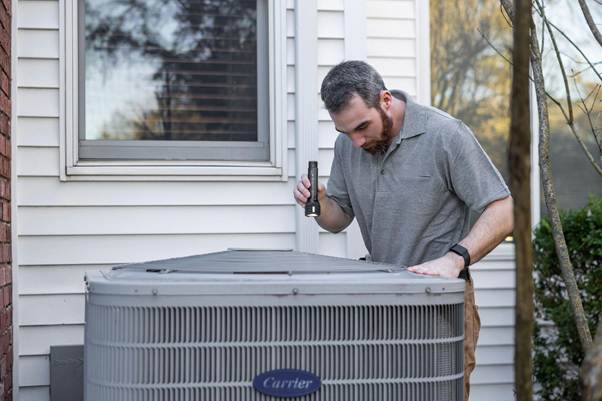
Regularly Inspect: It’s best to schedule professional HVAC system maintenance. Do so every 6-12 months.
Replace Filters: Make it a habit of changing your air filters on a quarterly basis.
Control Humidity: Use a dehumidifier to keep your indoor humidity below 50%.
Clean Condensation Drains: Are the AC’s drain pan and lines clear? If not, please clear condensation drains.
Run Fans: Keep the exhaust fans running for proper air circulation. It dries your ducts.
Quickly Address Leaks: Immediately repair the roof, plumbing, or HVAC leaks.
These strategies prevent mold growth while protecting your home’s indoor air quality.
The Hidden Dangers of Ignoring HVAC Mold
Knowing about black mold in AC systems, but still leaving it untreated, results in far-reaching problems. The mold releases mycotoxins, which trigger asthma attacks, neurological signs, and headaches. Over time, the black mold exposure can weaken immune function, worsening chronic conditions.
Plus, black mold in AC unit ducts erodes HVAC’s internal components, offering you higher energy bills, reduced airflow, and corrosion. The longer you let the mold linger in there, the more challenging it becomes to remove.
But the good news is that approaching professional testing and remediation services restores safety and efficiency, preventing future contamination.
Control Your Indoor Air Quality Today
Whether you are noticing earthy stench, strange discoloration, or persistent health symptoms, don’t ignore any of the signs. Early-stage signs of black mold in air vents usually go unnoticed unless they completely invade your house. Putting your home and health at risk.
Schedule professional testing and inspection with Teton Environmental to protect your family. Their qualified and certified specialists use advanced tools for diagnosis to locate hidden mold inside air vents. Apart from that, perform accurate testing and recommend customized treatment plans.