Are you feeling tired, hazy, sore, even though your labs look normal and you are doing everything correctly? Stress, age, or burnout can cause people to spend months (or even years) without realizing that their problems may stem from something lurking in their surroundings.
If you ever lived or worked in a damp room, had leakage of water, or noticed musty odors, you might be dealing with biotoxin illness – a disease that occurs in response to environmental toxins such as mold. Left unchecked, it can silently interfere with your immune and nervous systems and your overall well-being.
According to the CDC, over 75,000 people in the U.S. are hospitalized each year due to fungal infections, underscoring the seriousness of indoor mold exposure.

This article breaks down what is biotoxin illness, the most common symptoms to watch for, and when professional testing becomes critical, so you can protect your health before things escalate.
Key Takeaways
- Biotoxin illness is commonly associated with mold exposure, yet this is often ignored or misdiagnosed.
- Symptoms can affect energy levels, cognition, mood, digestion, skin, and breathing.
- Living in water-damaged buildings significantly increases the risk.
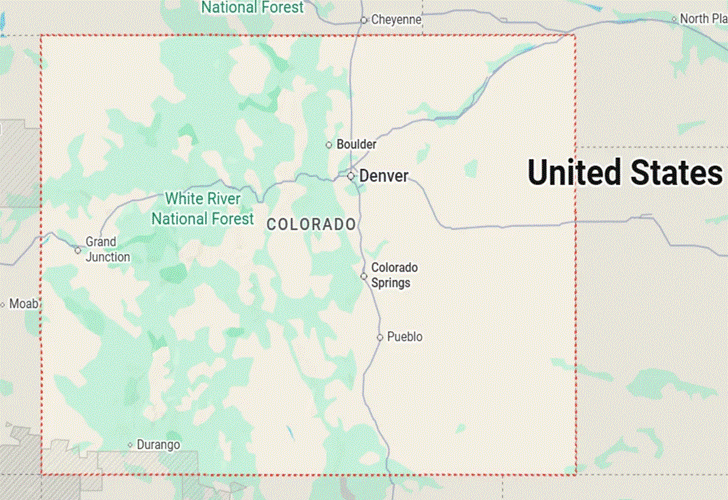
- Professional Mold testing in Denver, Colorado is used in determining hidden sources of exposure.
- Long-term health complications can be avoided through early identification and professional assistance from Teton Environmental.
Common Biotoxin Illness Symptoms
Mold biotoxin illness does not present identically in all. Some individuals show mild effects, and others have debilitating symptoms that get worse with time. The symptoms overlap with those of autoimmune, neurological, or chronic fatigue conditions, making diagnosis challenging.
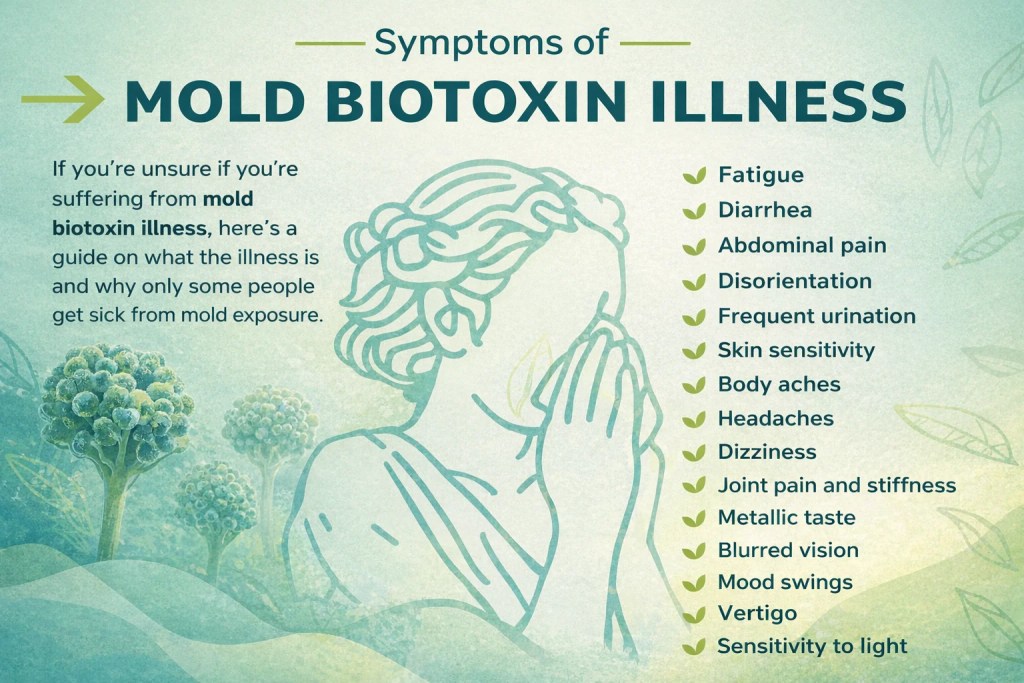
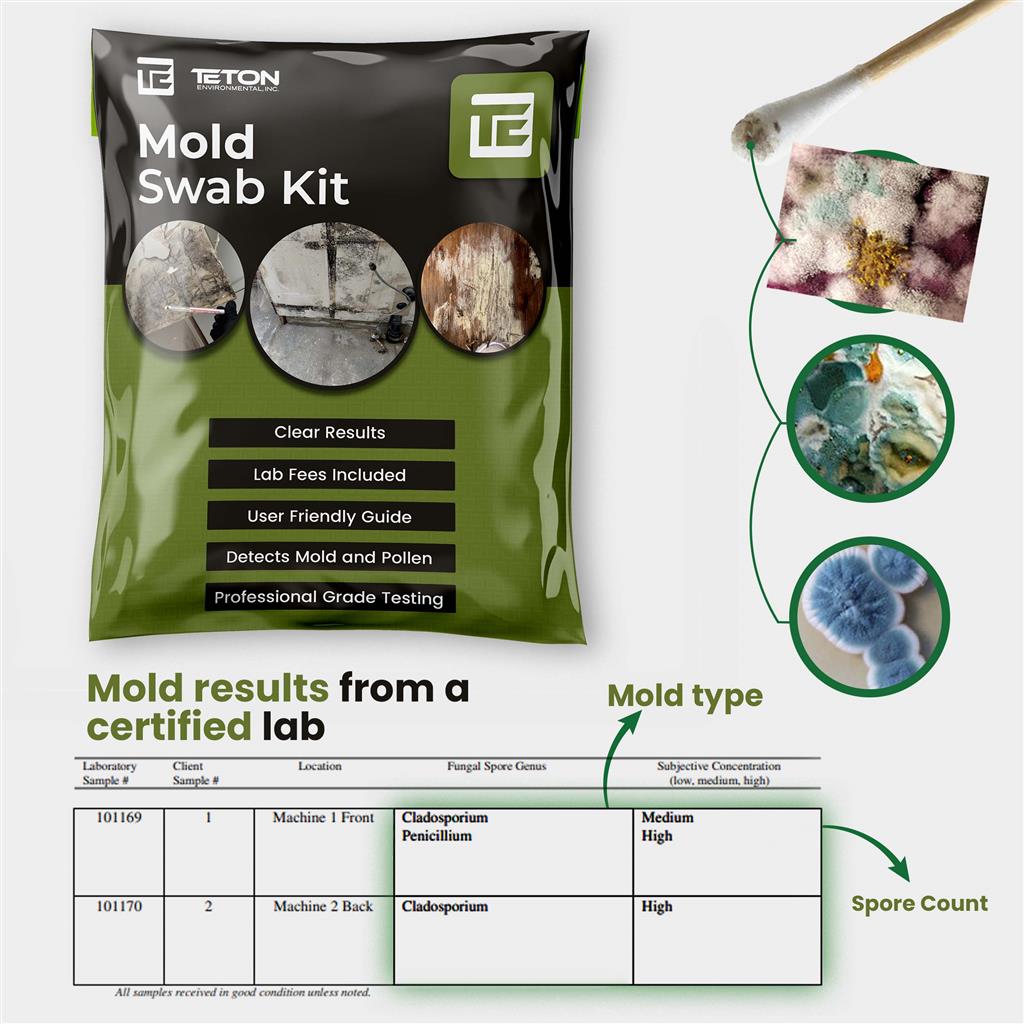
If your symptoms improve when you leave a specific building – or worsen when you return – environmental exposure could be the missing link. Learn more about how toxins contribute to biotoxin disease or use a home mold test kit as a first step.
Chronic Fatigue and Weakness
One of the earliest and most common signs of mold biotoxin illness is relentless fatigue. This is not the type of fatigue that can be relieved by rest. Instead, it feels as if you are always exhausted, no matter how much you sleep.
Biotoxins also interfere with the way your mitochondria work, and this restricts your body’s capacity to generate energy, which makes you feel weak, sluggish, and physically exhausted.
Prolonged exposure to biotoxins can interfere with blood flow and the regulation of inflammation in the brain, affecting how information is processed and stored.

Many individuals describe feeling mentally “slowed down” or detached, with difficulty finding words or making decisions. When biotoxin illness remains unaddressed, cognitive symptoms may progressively worsen, impacting work performance, relationships, and overall quality of life.
Cognitive Dysfunction (Brain Fog)
Individuals with biotoxin illness often have complaints of inability to focus, loss of memory, and intellectual fatigue. Activities that were simple to perform now need extra effort, resulting in frustration and low productivity.
Brain fog is particularly common among people who have been exposed to indoor mold for a long time.
Muscle and Joint Pain
Unexplained aches, stiffness, and inflammation are classic symptoms of biotoxin illness. These pains often migrate and don’t respond well to standard anti-inflammatory treatments.
Biotoxins activate a chronic immune response, keeping your body in a state of constant inflammation.
Neurological Symptoms
The nervous system can be exposed to biotoxins, which can cause tingling or numbness, tremors, light sensitivity, or dizziness.
Such changes in the nervous system are often confused with anxiety or aging, and it is only diagnosed late.
Respiratory Issues
Breathing difficulties, chronic coughing, wheezing, and shortness of breath can all result from biotoxin exposure. Mold spores and toxins irritate the respiratory tract, especially in people with asthma or allergies.
Persistent respiratory problems may indicate biotoxin illness linked to indoor air quality issues.
Headaches and Migraines
Frequent headaches are often associated with water-damaged buildings and mold exposure. When toxins enter the bloodstream, they can trigger vascular and neurological reactions, which can lead to chronic migraines.
If headaches improve when you’re away from home, it’s a strong indicator of biotoxin illness.

Digestive Problems
Bloating, nausea, diarrhea, constipation, and food sensitivities may signal biotoxin toxicity. Mold toxins disrupt gut flora and impair digestion, potentially weakening nutrient absorption and immunity.
Over time, digestive distress may worsen without environmental intervention.
Skin Irritation and Rashes
Chronic inflammatory response syndrome may be associated with itchy skin, eczema, hives, and unexplained rashes and is often linked to biotoxin illness.
When biotoxins enter the body, they trigger an exaggerated immune response, causing inflammation that can surface through the skin – often without an obvious allergen or external irritant.
Skin symptoms tend to flare during prolonged exposure and may resist topical treatments or medications.
Many people notice improvement only after leaving the contaminated environment, reinforcing the connection between ongoing exposure and biotoxin illness. To achieve long-term relief of the skin, it is vital to identify the toxin and remove it.
Mood Swings and Emotional Changes
Neurotransmitters such as serotonin and dopamine may be disrupted by exposure to mycotoxins and molds, and cause anxiety, depression, irritability, and abrupt emotional changes.
Such toxins ensure that the nervous system is heavily stressed, and their presence commonly leads to increased emotional reactions, low mood, sleep disorders, and inability to cope with daily life.
Due to the psychological symptoms, most individuals are unaware that biotoxin illness is the cause.
Mood changes linked to environmental exposure may fluctuate depending on location – improving when away from home and worsening upon return – a key indicator that toxins, not mental health alone, may be driving emotional instability.
Chronic Sinus Problems
Repeated sinus infections, lung congestion, post-nasal drainage, and facial pressure are often the result of mold in the interior.
If symptoms persist despite treatment, learning how do you kill mold spores in the air naturally may help, but professional testing is still essential.
Expert Mold Testing to Prevent Biotoxin Illness
Identifying exposure early is key to effective treatment of biotoxin illness. Many homes contain hidden mold growth behind walls, under flooring, or inside HVAC systems, areas you can’t see or smell.
Professional biotoxin illness test services, combined with mold testing by Denver, Colorado, specialists, provide accurate detection and actionable results.
Reliable mold inspection and testing ensure the source of illness is identified and properly addressed.
When to Get Professional Help
If you or your family experience persistent symptoms with no clear medical explanation – especially in a damp or previously water-damaged building, it’s time to seek expert help.
A certified environmental assessment can prevent long-term health damage and guide effective remediation. Reach out to Teton Environmental to schedule professional testing and take the first step toward a healthier living space.