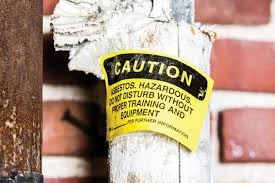
Asbestos, a once-popular building material, poses significant health risks when its fibers become airborne and are inhaled. In Colorado, asbestos requirements are strictly enforced to protect residents from these dangers, particularly in older homes and buildings constructed before the 1980s. Despite its ban in many applications, legal and health issues related to asbestos exposure persist, as aging structures still contain this hazardous material, necessitating robust laws regarding asbestos to ensure safety.
Understanding asbestos requirements is critical for homeowners, contractors, and property managers in Colorado.
Asbestos Requirements: Why These Laws Exist in Colorado
The asbestos requirements in Colorado stem from the material’s proven link to serious health conditions, including lung cancer and mesothelioma. Laws regarding asbestos were established to regulate its handling, removal, and disposal, minimizing exposure risks during renovations or demolitions. Colorado asbestos regulations, enforced by the Colorado Department of Public Health and Environment (CDPHE), set clear guidelines to protect workers and residents alike.
These regulations are especially critical because asbestos fibers are microscopic and can remain airborne for hours, increasing the risk of inhalation. The state’s proactive stance ensures that any activity disturbing asbestos-containing materials is tightly controlled. For more insights, check out On Site Asbestos Test: 5 Shocking Reasons to Act Now.
Compliance with asbestos requirements safeguards public health and avoids costly legal penalties.
What Colorado Asbestos Requirements Say (Without the Legal Jargon)
Colorado’s asbestos requirements are primarily outlined in Colorado asbestos regulation 8, which governs the handling of asbestos in both commercial and residential settings. Laws regarding asbestos mandate that any project involving the disturbance of materials potentially containing asbestos must follow strict protocols, including inspections and testing. For asbestos regulations residential property, homeowners must ensure that renovations or demolitions comply with these rules to prevent unintentional exposure.
The regulation requires certified professionals to conduct asbestos inspections before any work begins. If asbestos is found, it must be properly removed or encapsulated by licensed contractors. This ensures that fibers are not released into the air, protecting both workers and occupants.
Ignoring Colorado asbestos regulation 8 can lead to fines and health risks.
When Asbestos Testing Is Legally Required in Colorado
In Colorado, asbestos requirements mandate testing whenever a building, doesn’t matter what the age of the home is, undergoes renovation or demolition. Laws regarding asbestos specify that any material suspected of containing asbestos must be tested by a certified asbestos testing service before work can proceed. Suspect asbestos materials are all materials EXCEPT glass, rubber, wood, foam, and quarry stone. All other materials must be tested, regardless of the age of the building. This applies to both commercial properties and residential homes, ensuring that no asbestos fibers are disturbed unknowingly.
Testing is particularly critical in older homes, where asbestos was commonly used in insulation, flooring, and roofing materials. For a deeper dive into when testing is needed, read Navigating Asbestos Concerns: When is Asbestos Testing Needed in Colorado? Failure to test can result in hefty fines and prolonged exposure risks.
Asbestos testing is a non-negotiable step for safe renovations.
How Asbestos Requirements Impact Home Renovation Projects
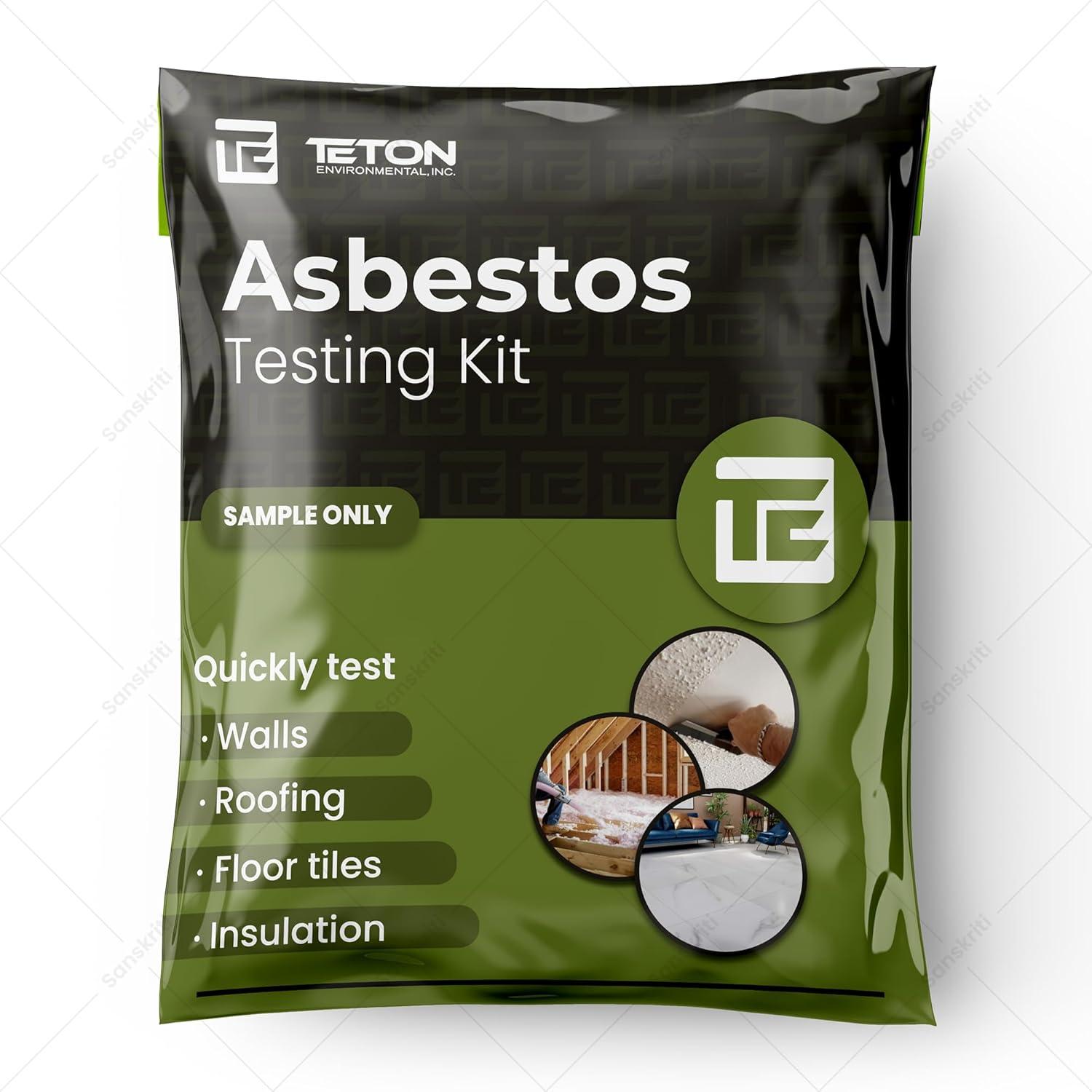
Home renovations in Colorado must adhere to asbestos requirements to ensure safety and compliance with laws regarding asbestos. Asbestos regulations residential property require homeowners to have their properties tested for asbestos before starting projects like tearing down walls or replacing flooring. This is because many older homes contain asbestos in materials like popcorn ceilings, vinyl tiles, textured walls, and pipe insulation.

If asbestos is detected, professional removal or encapsulation is necessary, which can add time and cost to a project. However, skipping these steps risks releasing harmful fibers and violating state regulations. Learn more in Knowing is Safety: Why You Should Prioritize Asbestos Testing.
Asbestos requirements protect your home and family during renovations.
What Homeowners Need to Know Before Hiring Asbestos Removal Contractors
Hiring asbestos removal contractors or asbestos removal companies in Colorado requires careful consideration due to strict asbestos requirements. Laws regarding asbestos mandate that only state-certified professionals handle asbestos abatement to ensure safe removal and disposal. Homeowners should verify a contractor’s certification, experience, and compliance with CDPHE regulations before signing a contract.
Ask for references and proof of proper disposal practices to avoid liability for mishandled asbestos waste. Reputable contractors will also provide detailed plans for containment and air monitoring during removal. Choosing the right professional minimizes health risks and ensures legal compliance.
Hiring certified asbestos removal contractors is essential for safety and peace of mind.
What Does Asbestos Look Like in Real Life?
Identifying asbestos by sight alone is challenging, as it often blends into common building materials, making asbestos requirements critical for safe handling. What does asbestos look like? It can appear as fibrous, white or gray insulation, or be embedded in 9×9 floor tiles, cement, or roofing materials, often indistinguishable without testing.

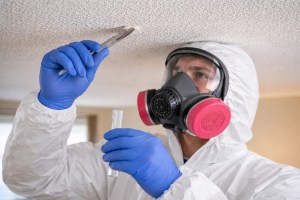
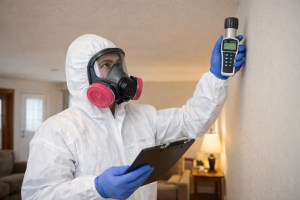
Laws regarding asbestos emphasize the use of protective gear, like an asbestos mask, during inspections or removal to prevent inhalation of fibers. Homeowners should never attempt to identify or handle asbestos themselves, as disturbing it can release dangerous fibers. Professional testing is the only reliable way to confirm its presence.
Never guess with asbestos—always rely on certified testing.
When Did Asbestos Stop Being Used in Colorado Homes?
The use of asbestos in construction began to decline in the 1970s, but when did asbestos stop being used entirely? In Colorado, as in the rest of the U.S., most asbestos-containing products were phased out by the late 1980s, though some materials lingered into the early 1990s. Asbestos requirements and Colorado asbestos regulations now ensure that any remaining asbestos is handled with extreme care.
Homes built before 1980 are most likely to contain asbestos, particularly in insulation, siding, and flooring. Laws regarding asbestos require testing and abatement for these properties during renovations. Understanding this timeline helps homeowners assess their risk.
Older homes require strict adherence to asbestos requirements.
How to Choose Asbestos Abatement Contractors in Colorado
Selecting asbestos abatement contractors or asbestos removal companies in Colorado involves ensuring they meet asbestos requirements and laws regarding asbestos. Contractors must be licensed by the CDPHE, carry liability insurance, and follow strict protocols for containment, removal, and disposal. Homeowners should request a detailed abatement plan and verify the contractor’s track record with past clients.

Reputable contractors use advanced equipment and follow air quality monitoring standards to prevent fiber release. Always avoid unlicensed operators, as improper handling can lead to contamination and legal issues. Choosing a qualified professional ensures compliance and safety.
Certified asbestos abatement contractors are your best defense against exposure risks.
Don’t Go DIY: Why a Pro Asbestos Testing Service is Worth It
Attempting to test or remove asbestos yourself violates asbestos requirements and poses serious health risks. Laws regarding asbestos mandate that only certified asbestos testing service providers handle inspections, using specialized equipment to detect fibers safely. Professionals also wear protective gear, like an asbestos mask, to avoid inhalation during testing.
DIY efforts can disturb asbestos, releasing fibers that linger in the air and contaminate living spaces. A professional service provides accurate results and peace of mind, ensuring compliance with state regulations. Investing in expert testing prevents costly mistakes and health hazards.
A professional asbestos testing service is the only safe choice.
Get Expert Asbestos Testing & Inspection with Teton Environmental
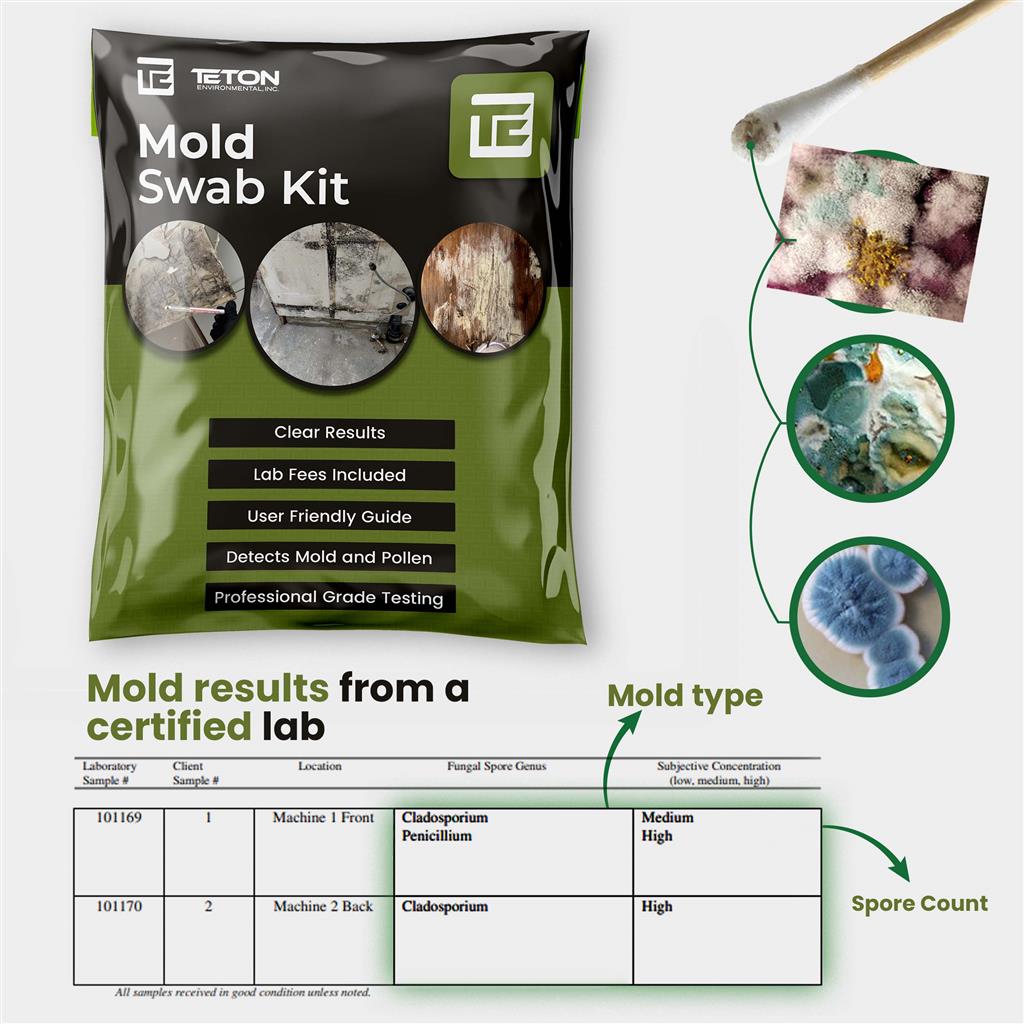
Navigating asbestos requirements in Colorado can feel overwhelming, but laws regarding asbestos are in place to protect you and your family. Teton Environmental offers comprehensive asbestos testing and inspection services, ensuring your property complies with state regulations. Their certified experts also provide mold testing, addressing multiple environmental concerns under one roof.
With years of experience, Teton Environmental delivers accurate results and actionable recommendations for safe asbestos management. Don’t risk exposure or penalties—reach out today. Visit Contact Teton Environmental to schedule your inspection.
Trust Teton Environmental for expert asbestos testing and compliance.
Additional Information and Context
Asbestos was widely used in construction for its fire-resistant and insulating properties until its health risks became undeniable. The legal and health issues related to asbestos exposure are well-documented, with the EPA and OSHA setting federal standards that Colorado builds upon with its own regulations, like Colorado asbestos regulation 8. These rules ensure that asbestos is identified and managed before it becomes a hazard.
For homeowners, understanding asbestos regulations residential property is crucial, especially during renovations or sales. Materials like vinyl flooring, textured ceilings, and pipe insulation are common culprits. If disturbed, these can release fibers that are invisible yet highly dangerous.
When hiring asbestos removal contractors or asbestos abatement contractors, always check for CDPHE certification and ask about their containment methods. Proper abatement involves sealing off work areas, using negative air pressure systems, and disposing of waste at approved facilities. This meticulous process is why asbestos removal companies charge premium rates, but the investment is worth it for safety.
Curious about what does asbestos look like? It’s often hidden in plain sight, resembling ordinary insulation or embedded in cement. Only a microscope can confirm its presence, which is why asbestos testing service providers use lab analysis. Never skip this step, as guessing can lead to catastrophic exposure.
The question of when did asbestos stop being used is tricky because trace amounts persisted in some products longer than expected. While the 1980s marked a significant decline, Colorado asbestos regulations treat any pre-1990 building as a potential risk. This conservative approach protects residents but requires diligence from property owners.
Finally, always prioritize safety with an asbestos mask and professional services. The stakes are too high for shortcuts. By following asbestos requirements and partnering with experts like Teton Environmental, you can ensure a safe, compliant property.
Stay informed and stay safe with Colorado’s asbestos laws.