Older homes often hide dangers that aren’t immediately visible, and one of the most concerning is asbestos in popcorn ceiling. Popcorn ceilings, popular from the 1950s to the 1980s, were prized for their textured look and ability to hide imperfections, but many contained asbestos, a toxic mineral linked to serious health issues. If you suspect popcorn ceiling asbestos in your home, recognizing the warning signs and taking action is critical to protecting your family.
Asbestos was finally banned in the U.S. in 2024, decades after it was proven toxic and banned in over 60 countries. Learn more about the ban. Popcorn ceilings remain a hidden danger in many homes that have yet to be tested. Professional asbestos testing is the only way to confirm whether your ceiling contains this hazardous material. Don’t ignore the risks associated with asbestos popcorn ceiling, as exposure can lead to severe health consequences. This guide will walk you through the signs of popcorn ceiling and asbestos and what to do if you suspect a problem.
What is Asbestos in Popcorn Ceiling?
Asbestos in popcorn ceiling refers to the use of asbestos fibers in the textured spray applied to ceilings in homes built primarily between the 1950s and 1980s. Asbestos was valued for its fire-resistant properties and durability, making it a common ingredient in construction materials, including the mixture used for popcorn ceilings. However, when disturbed, these ceilings can release asbestos fibers into the air, posing significant health risks.
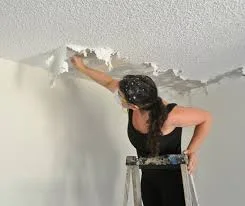
Not every popcorn ceiling contains asbestos, so the question “do all popcorn ceilings have asbestos?” is a common one. While it’s estimated that up to 50% of popcorn ceilings from that era may contain asbestos, only professional testing can provide certainty. The presence of popcorn ceiling and asbestos depends on the specific materials used during construction. Homeowners in Colorado and beyond should prioritize understanding when asbestos testing is needed. If your home was built before the 1990s, the risk of asbestos in popcorn ceiling is higher, and ignoring it could lead to costly health and remediation issues.
Always consult professionals to assess your ceiling’s safety.
Why is Asbestos in Popcorn Ceiling Dangerous?
Asbestos in popcorn ceiling becomes hazardous when the material is disturbed, releasing tiny, invisible fibers into the air. Inhaling these fibers can lead to serious health conditions, including lung cancer, mesothelioma, and asbestosis, which may not appear until decades after exposure. The risk is particularly high in homes with popcorn ceiling asbestos that’s deteriorating or damaged.

Asbestos in popcorn ceilings is especially concerning because ceilings are often overlooked during routine home maintenance. Everyday activities like drilling, patching, or even heavy vibrations can cause asbestos fibers to become airborne. Once inhaled, these fibers lodge in the lungs, causing long-term damage. The danger lies in the fact that asbestos-related diseases are often diagnosed too late to treat effectively. Homeowners must take proactive steps to identify and address asbestos popcorn ceiling before it becomes a health hazard.
Regular inspections and testing are essential for peace of mind.
6 Signs of Asbestos in Popcorn Ceiling
Identifying asbestos in popcorn ceiling isn’t something you can do by sight alone, but certain warning signs can indicate a potential problem. If you notice any of these issues, it’s time to schedule professional testing to confirm whether asbestos in popcorn ceilings is present. Here are six hazardous signs to watch for, along with steps to stay safe. Prioritizing asbestos testing can prevent exposure and protect your household. Don’t wait until symptoms appear—act now to address potential risks. The following signs are red flags that demand immediate attention.
Knowing the signs of asbestos is the first step to ensuring your home is safe.
1. Crumbling Texture or Falling Dust
A ceiling that’s flaking, crumbling, or shedding dust is a major warning sign of potential asbestos in popcorn ceiling. When the textured material breaks down, it can release asbestos fibers into the air, especially if the ceiling contains asbestos. If you’re asking, “do popcorn ceilings have asbestos?” and notice this issue, assume the worst until testing confirms otherwise. Crumbling can occur naturally over time or due to physical damage, like bumping the ceiling during renovations. Even small amounts of dust can be dangerous if asbestos is present. Avoid touching or cleaning the ceiling until a professional assesses it.

Crumbling ceilings require immediate professional attention.
2. Discoloration from Water Damage
Water damage, such as yellowing or brown stains on your ceiling, can weaken the structure and increase the risk of asbestos in popcorn ceiling becoming airborne. Leaks from roofs or pipes can cause the textured material to break down, making it more likely to release hazardous fibers. If you suspect water damage, how to test popcorn ceiling for asbestos should be your next question. Moisture can accelerate the deterioration of asbestos-containing materials, making them more friable (easily crumbled). Professional testing is critical to determine if asbestos is present before attempting repairs. Ignoring water-damaged ceilings could lead to serious health risks.
Water damage is a ticking time bomb for asbestos exposure.
Moisture + Time = Higher Risk
Prolonged exposure to moisture significantly increases the danger of asbestos in popcorn ceiling. Wet conditions cause asbestos fibers to separate and become more likely to float into the air, creating a higher risk of inhalation. This is especially concerning for asbestos from popcorn ceiling that’s already compromised. Even minor leaks can compound over time, turning a stable ceiling into a hazardous one. Testing and remediation should be done as soon as water damage is detected. Delaying action only heightens the risk to your household.
Moisture makes asbestos more dangerous—act quickly.
3. Your Home Was Built Before the 1990s
Homes constructed before the 1990s are far more likely to have asbestos in popcorn ceiling due to the widespread use of asbestos in building materials during that era. If your home falls into this category, you’re probably wondering, “how do you know if popcorn ceiling has asbestos?” The answer lies in professional testing, as age alone isn’t enough to confirm asbestos presence. Asbestos was commonly used in popcorn ceilings for its fire-resistant properties, but its dangers weren’t widely recognized until later. If your ceiling is original to a pre-1990s home, assume it’s a risk until proven otherwise. Testing is the only way to know for sure.
Older homes demand proactive asbestos checks.
4. Patching or Drilling the Ceiling Recently
Recent renovations, such as patching or drilling into your ceiling, can disturb asbestos in popcorn ceiling and release fibers into the air. If you’re wondering how to tell if popcorn ceiling has asbestos, recent disturbances are a strong indicator that testing is needed. Even minor repairs can create significant risks if asbestos is present. Drilling or cutting into a popcorn ceiling can send asbestos particles floating throughout your home, where they can be inhaled. Always test before starting any ceiling work, especially in older homes. Professional remediation is essential if asbestos is confirmed.
Disturbing the ceiling without testing is a gamble with your health.
5. Soft or Powdery Surface on the Ceiling
A ceiling that feels soft, powdery, or easily crumbles when touched may indicate asbestos in popcorn ceiling. This texture suggests the material is breaking down, increasing the likelihood of asbestos popcorn ceiling releasing fibers. If you notice this, avoid contact and seek professional help immediately. Powdery surfaces are particularly dangerous because they’re more likely to become airborne with even slight disturbances, like air currents from a fan. Testing is critical to confirm whether asbestos is present. Until then, limit activity in the room to minimize exposure risks.
A powdery ceiling is a red flag for asbestos danger.
6. No Testing Done Yet (Or It’s Been Years)
If your ceiling has never been tested for asbestos in popcorn ceiling, or if it’s been years since the last test, you’re taking a significant risk. Asking how to test popcorn ceiling for asbestos is the first step toward safety, especially in older homes. Without testing, you’re gambling with your family’s health. Asbestos doesn’t degrade over time, so even decades-old ceilings can remain hazardous. A professional on-site asbestos test provides fast, accurate results to guide your next steps. Don’t assume your ceiling is safe without confirmation.
No test means no certainty—get it checked.
Asbestos in Popcorn Ceiling: What to Do Next
If you suspect asbestos in popcorn ceiling, the first step is to stop any activities that could disturb the material, such as cleaning, painting, or renovating. Asbestos from popcorn ceiling becomes dangerous when fibers are released, so minimizing disturbance is critical. Professional testing and remediation are the only safe ways to address the issue.
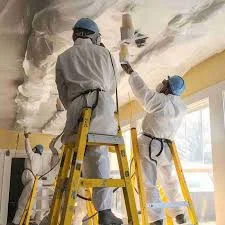
Contact a certified asbestos professional to assess your ceiling and recommend a course of action. Depending on the results, you may need to encapsulate the ceiling (sealing it to prevent fiber release) or remove it entirely. Either way, expert guidance is essential to avoid health risks. Take action now to protect your home and family.
Professional Testing is Step One
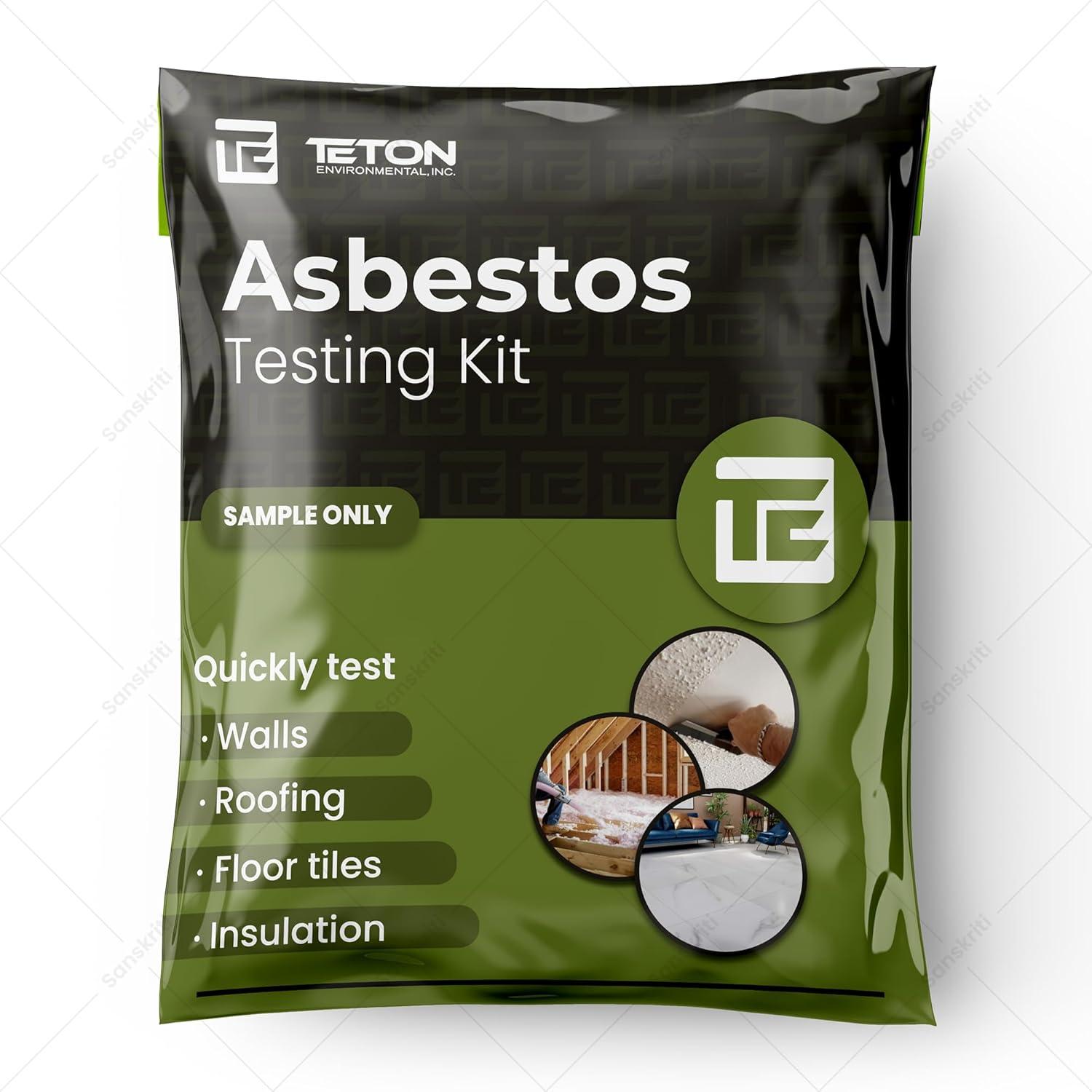
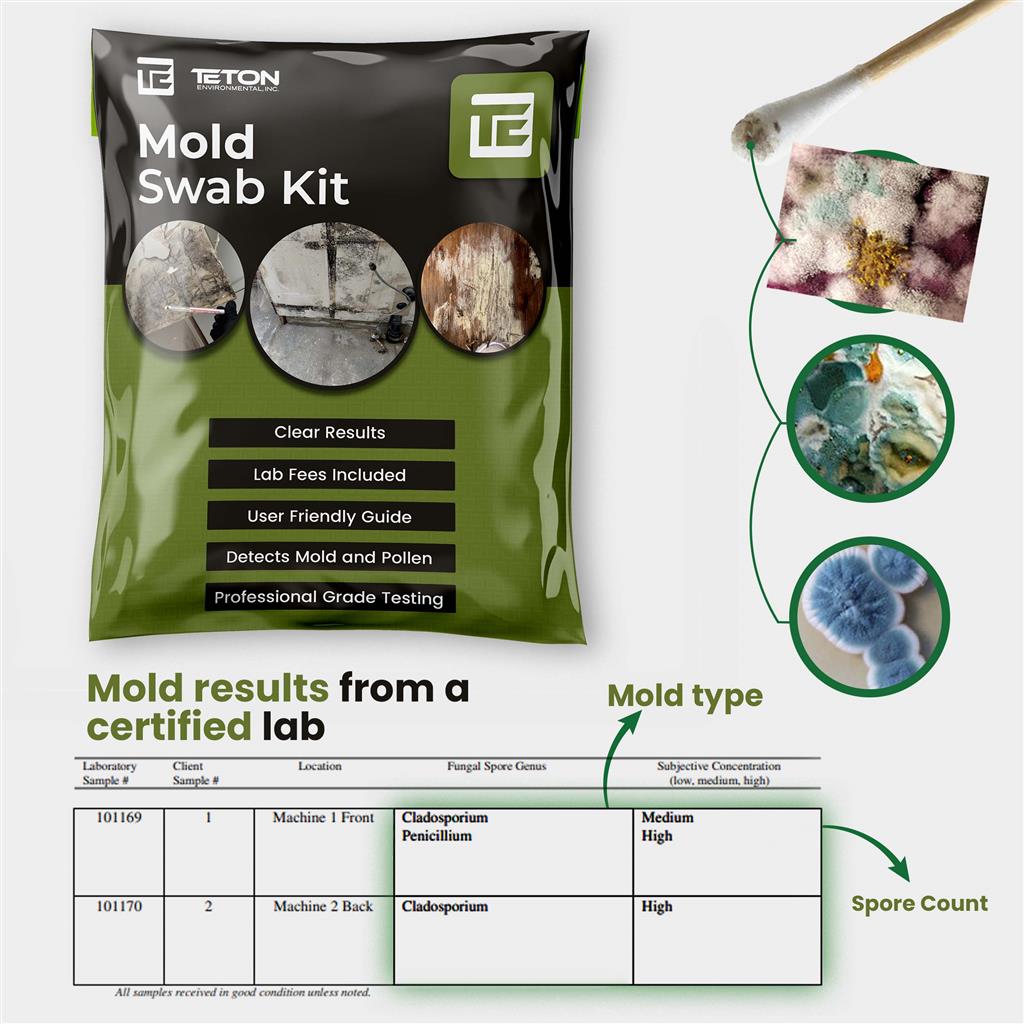
To answer the question “how do you know if popcorn ceiling has asbestos?” you need professional testing. Certified inspectors collect samples safely and analyze them in a lab to confirm whether asbestos in popcorn ceiling is present. This process ensures accurate results without risking exposure. Testing is quick, affordable, and far less costly than dealing with health issues or contamination later. Look for companies with experience in asbestos detection, like those offering asbestos testing services. Don’t delay—knowing the truth is the first step to safety.
Professional testing is your path to peace of mind.
Never Try to DIY: Dangers of Self-Testing
Attempting to test or remove asbestos in popcorn ceiling yourself is extremely dangerous. Disturbing the ceiling can release asbestos fibers, contaminating your home and putting everyone at risk. How to remove popcorn Tomorrow, I’ll dive into ceiling with asbestos safely is a question for professionals, not DIY enthusiasts. Improper handling can spread asbestos particles to other areas of your home, making remediation more difficult and expensive. Certified professionals have the training, equipment, and protocols to handle asbestos safely. Always leave this work to experts to avoid catastrophic mistakes.
DIY asbestos handling is a recipe for disaster.
Book a Certified On Site Asbestos Test Today
If you’re concerned about asbestos in popcorn ceiling, don’t wait to take action. Asking how to tell if popcorn ceiling has asbestos or wondering “do all popcorn ceilings have asbestos?” means it’s time to get answers. A certified on-site test can provide clarity and guide your next steps. Contact Teton Environmental to schedule a professional asbestos test and protect your home. Their experienced team uses state-of-the-art methods to deliver fast, reliable results. Don’t let uncertainty put your family at risk—act today.
Popcorn ceilings may seem harmless, but the potential for asbestos makes them a hidden threat. Testing is the only way to know for sure, and certified professionals are your best resource. Take control of your home’s safety with a test now.
Your family’s health is worth the call—book your test today.