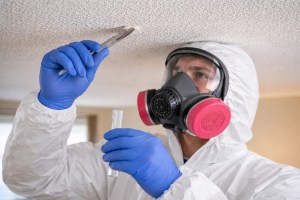
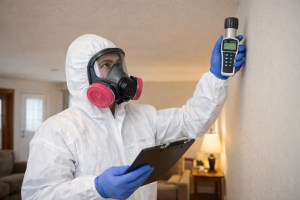
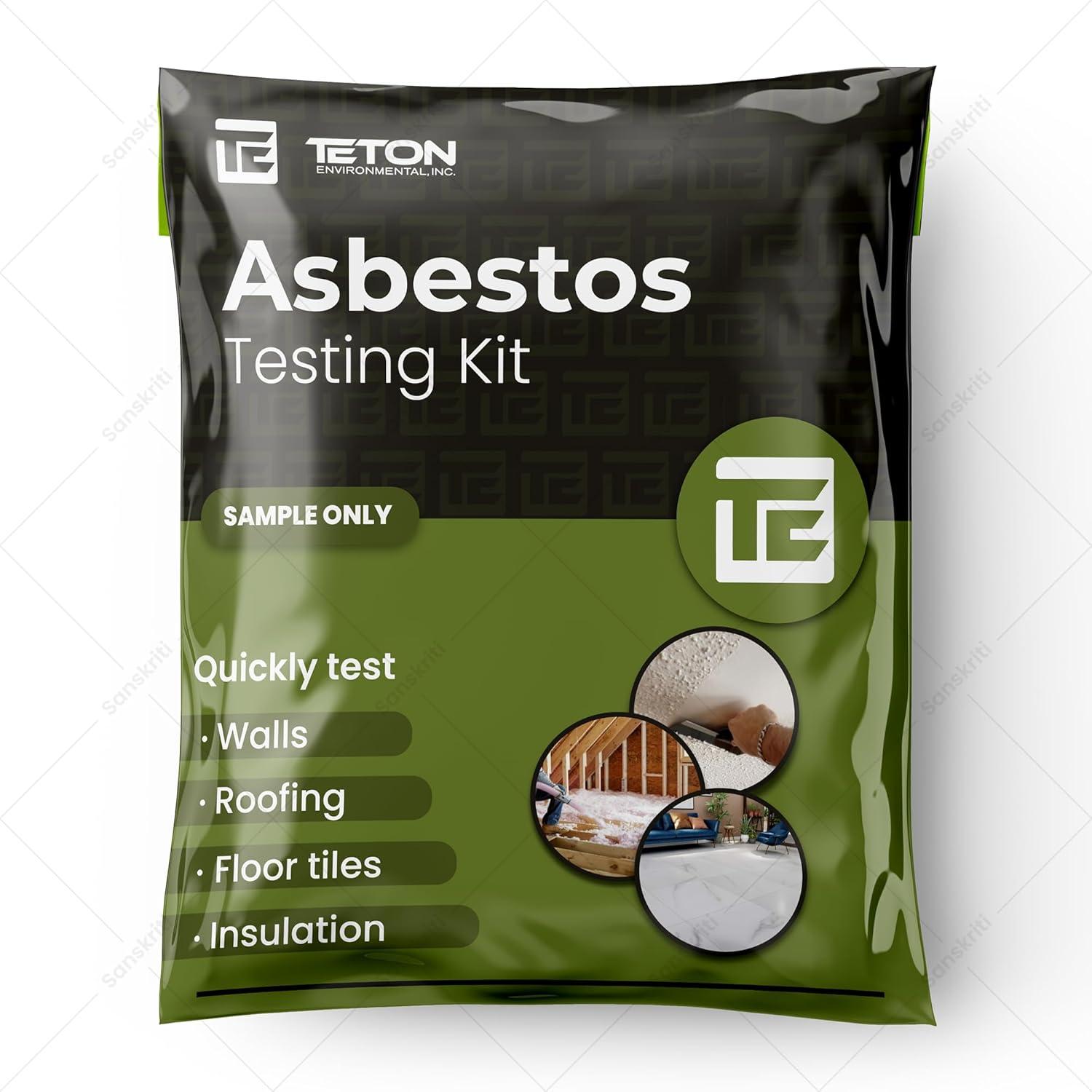
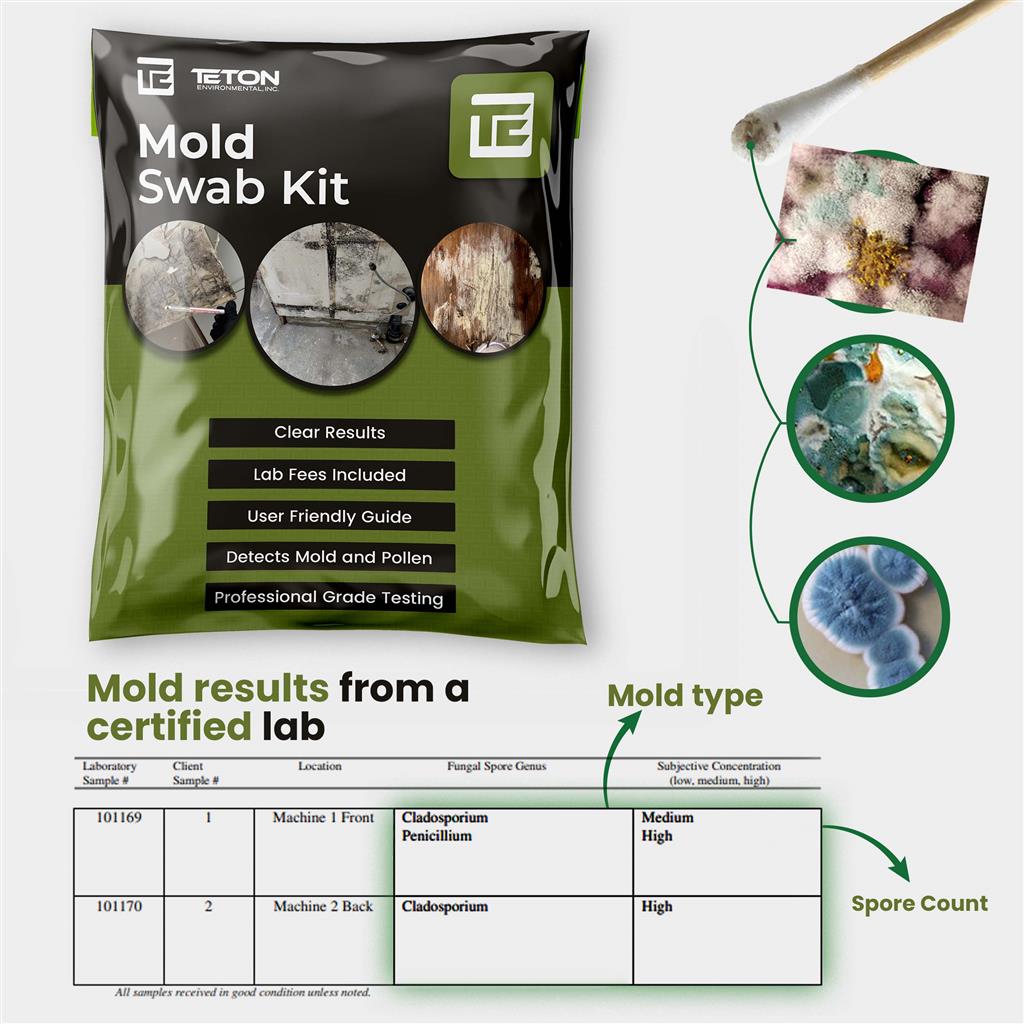
Asbestos exposure skin issues can manifest in ways that are often overlooked, yet they signal potential health risks that demand attention. Contact with asbestos, a naturally occurring mineral once widely used in construction, can lead to serious conditions, including skin irritation and even long-term diseases like cancer. Recognizing these signs early and seeking professional help from companies like Teton Environmental or their asbestos testing service can prevent further complications.
Asbestos exposure can cause serious health risks, including skin irritation and long-term diseases, making early recognition of symptoms essential.
Understanding Asbestos Exposure and Its Skin Dangers
Asbestos, a fibrous mineral, poses significant risks when its tiny fibers become airborne and come into contact with skin or are inhaled. The asbestos permissible exposure limit, set by regulatory bodies like OSHA, is 0.1 fibers per cubic centimeter over an 8-hour period to minimize health risks. Understanding what is the permissible exposure for asbestos is critical for workers in industries like construction or renovation, where asbestos-containing materials may still be present.
Safe handling and professional assessments can reduce the dangers of asbestos exposure.
1. Skin Irritation and Persistent Rashes
One of the earliest asbestos exposure symptoms skin issues is persistent skin irritation, often appearing as red, itchy rashes. These symptoms can arise even from asbestos exposure short term, as microscopic fibers irritate the skin’s surface. A single exposure asbestos incident, such as handling old insulation without proper protection, can trigger discomfort that lingers if not addressed.

Prompt cleaning of exposed skin can prevent worsening irritation.
How Asbestos Fibers Lodge in Skin
Asbestos fibers, which are thin and needle-like, can easily embed in the skin during contact, causing inflammation. The permissible exposure limit for asbestos is designed to limit such contact, but unprotected handling of materials can exceed safe levels. Visual identification of asbestos, as described in resources like “what does asbestos look like,” helps workers avoid accidental exposure.

Proper protective equipment is essential to block fiber penetration.
Why Irritation Often Goes Untreated
Many individuals dismiss early skin irritation as a minor issue, attributing it to allergies or other causes. Without proper diagnosis, asbestos-related irritation may persist, increasing the risk of complications. Consulting a professional for an asbestos inspection can confirm whether exposure is the root cause.
Ignoring symptoms can delay critical medical intervention.
2. Corns, Calluses, and Thickened Skin
Repeated or even one time asbestos exposure can lead to the development of corns, calluses, or thickened skin patches in areas frequently in contact with asbestos-containing materials. These skin changes occur as the body attempts to protect itself from ongoing irritation caused by embedded fibers. Workers handling asbestos without gloves or proper gear are particularly at risk for these symptoms.
Regular skin checks can catch these changes early.
3. Secondary Exposure Through Contaminated Clothing
Asbestos exposure limits are not just a concern for workers directly handling the material but also for those around them. Short term exposure to asbestos can occur through secondary asbestos exposure, where fibers cling to clothing and are carried home or to shared workspaces. This second hand asbestos exposure puts family members and co-workers at risk of skin irritation or inhalation-related issues.

Proper decontamination protocols can protect those around you.
Risks to Family Members and Co-Workers
Secondary asbestos exposure often goes unnoticed because fibers are invisible to the naked eye and can remain on clothing for extended periods. This second hand asbestos exposure can lead to skin irritation or respiratory issues in individuals who never directly handled asbestos. Implementing strict asbestos exposure limits in workplaces reduces the risk of transferring fibers to others.
Changing and cleaning work clothes immediately after exposure is crucial.
4. Visible Fibers on Skin and PPE Contamination
In some cases, asbestos fibers may be visible on the skin or personal protective equipment (PPE), indicating significant exposure. While a blood test for asbestos exposure cannot directly detect skin contact, it may reveal systemic effects of prolonged exposure. Contaminated PPE, if not properly cleaned or disposed of, can exacerbate skin issues and increase health risks.
Regular inspection and replacement of PPE prevent ongoing exposure.
5. Increased Risk of Cancer from Skin Contact
Though rare, repeated single exposure asbestos incidents can heighten the risk of skin-related cancers, particularly if fibers remain embedded over time. The skin serves as a barrier, but chronic irritation from asbestos can contribute to cellular changes. Early detection of asbestos exposure symptoms skin issues can help mitigate this risk through timely intervention.
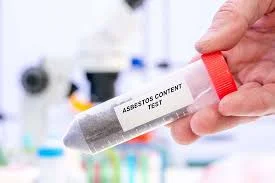
Routine medical screenings are vital for those with known exposure.
Diagnosing Asbestos Exposure Symptoms Skin Conditions
Diagnosing asbestos-related skin conditions requires a combination of medical history review and specialized tests. A blood test for asbestos exposure may indicate systemic effects, while a biopsy can confirm fiber-related skin damage. Short term exposure to asbestos, especially in older buildings with materials like asbestos in popcorn ceiling, can trigger symptoms that warrant immediate attention.
Professional diagnosis ensures accurate treatment and prevention.
Prevention and When to Seek Medical Help
Preventing asbestos exposure starts with awareness and proper safety measures, such as wearing protective gear and following decontamination protocols. If skin symptoms persist or worsen, seeking medical advice promptly can prevent long-term complications. Regular inspections of potential asbestos-containing materials in homes or workplaces can further reduce risks.
Early action saves lives when dealing with asbestos exposure.
Test for Asbestos Today with Teton Environmental
Protecting yourself and your loved ones from asbestos starts with professional testing and assessment. Teton Environmental offers comprehensive Environmental Testing Services to identify asbestos in your environment, ensuring compliance with the asbestos permissible exposure limit. Addressing secondary asbestos exposure through proper testing can safeguard your health and prevent skin-related symptoms.
Contact Teton Environmental today to schedule an inspection.