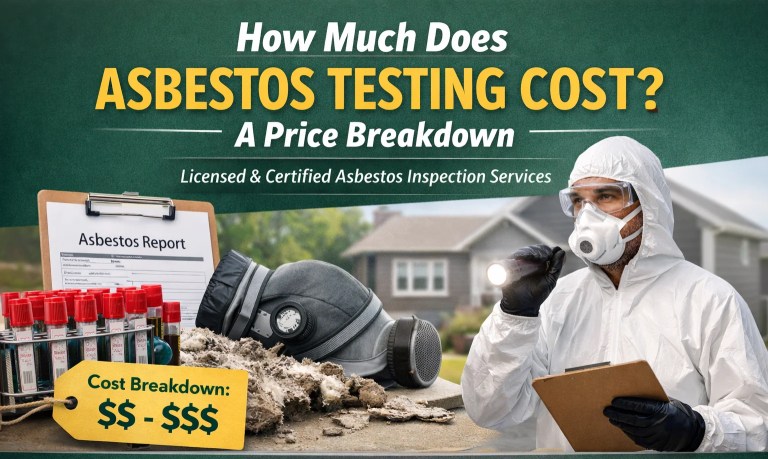
Asbestos, a hazardous mineral once common in building materials, poses significant health risks when its fibers become airborne, potentially causing lung cancer, mesothelioma, or asbestosis. Asbestos air quality testing is a critical step conducted after asbestos is identified and removed to confirm that no harmful fibers remain in the air. According to the Colorado Department of Public Health and Environment (CDPHE), proper air testing post-remediation ensures compliance with safety regulations and protects occupants from exposure risks.
Learn more about asbestos risks and testing at Teton Environmental’s asbestos testing page and the EPA’s asbestos resource.
Do I Need an Asbestos Air Test?
An asbestos air quality test is essential after asbestos-containing materials have been identified and professionally remediated in your home or workplace. The Colorado Health Consultation (CHC) emphasizes that air testing verifies the effectiveness of removal processes, ensuring no residual asbestos fibers linger. Knowing how to test air quality for asbestos post-remediation provides peace of mind and confirms a safe living environment.
Discover why post-remediation testing matters at Teton Environmental’s on-site asbestos test guide.
How to Test Air Quality for Asbestos: 3 Methods Explained
After asbestos removal, asbestos air testing confirms that the air is free of harmful fibers, adhering to strict regulatory standards. The CDPHE outlines specific methods to ensure accurate results, each tailored to verify successful remediation. Below, we explore three key approaches for air quality testing for asbestos to ensure safety and compliance.
For expert testing services, visit Teton Environmental’s asbestos inspection page.
1. Hire a Certified Asbestos Testing Professional
Engaging a certified asbestos testing service ensures precise and reliable results, as professionals use specialized equipment like phase contrast microscopy (PCM) or transmission electron microscopy (TEM), as recommended by CDPHE. These experts follow strict protocols to collect air samples safely, minimizing the risk of contamination. This method is the gold standard for learning how to test for asbestos in the air after remediation.
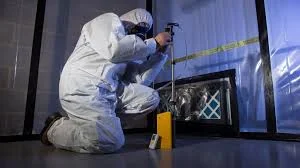
Contact Teton Environmental for certified asbestos air testing.
2. Send Samples to a Certified Lab
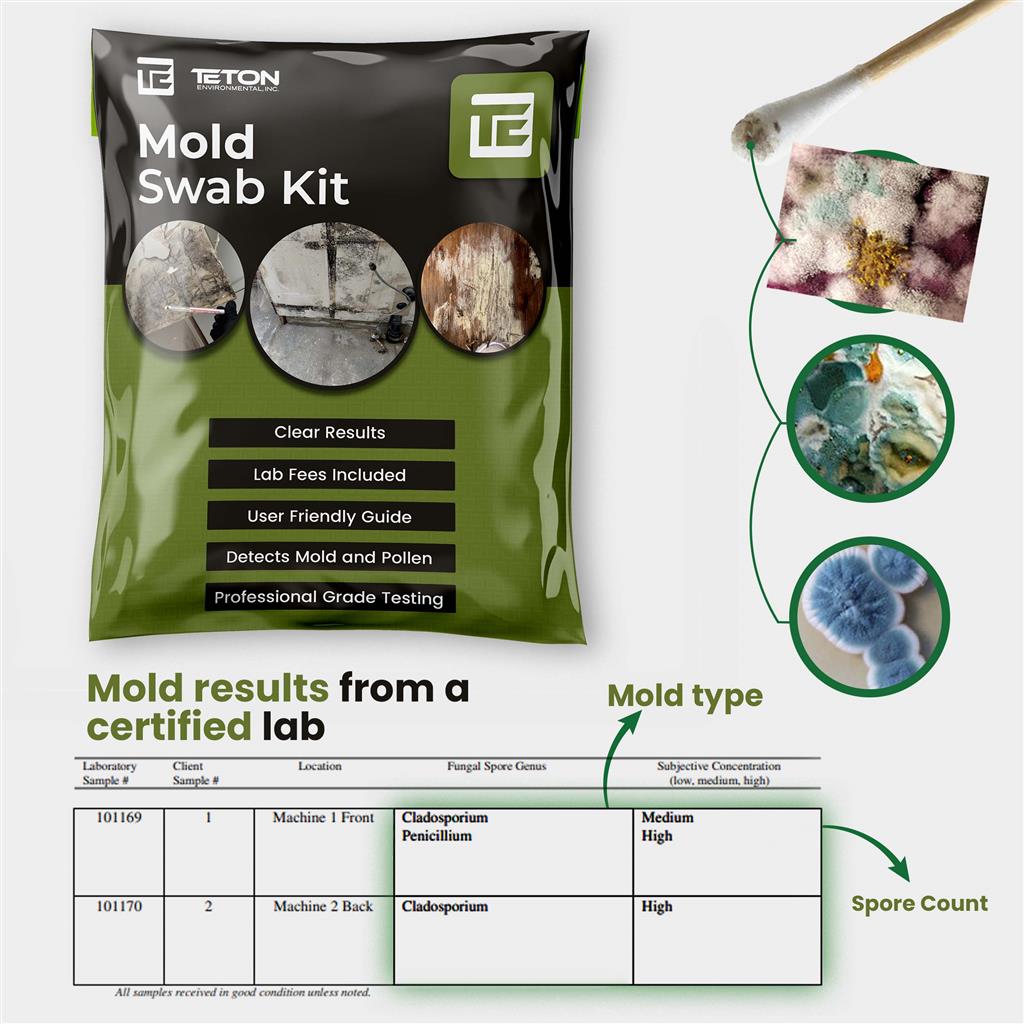
Sending air samples to a certified laboratory is another option for a home asbestos test, though it requires precise collection by trained individuals to avoid errors. According to CHC, improper sampling can lead to false negatives, undermining the remediation verification process. Certified labs provide detailed analysis but rely on correct sample collection for accuracy.
Professional oversight is critical for reliable lab-based testing.
3. Use an At-Home Asbestos Test Kit
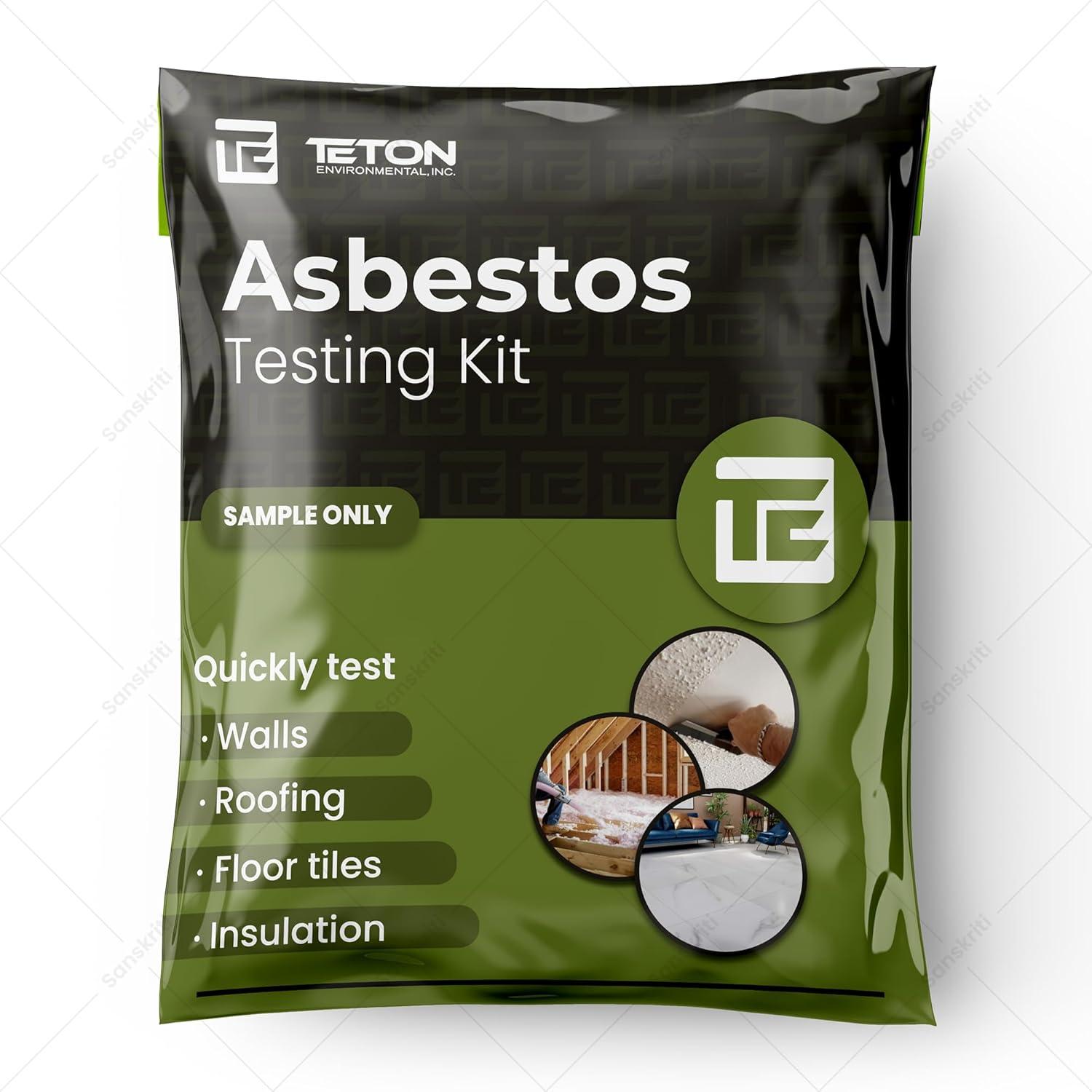
While air quality testing for asbestos using at-home kits may seem convenient, CDPHE warns that these kits are not suitable for post-remediation air testing due to their limited accuracy and potential for user error. Mishandling can compromise results, failing to confirm whether remediation was successful. For a reliable home asbestos test, professional services are strongly recommended.
At-home kits are not recommended for post-remediation air testing.
Asbestos Air Quality Testing Types
Indoor air quality testing asbestos services encompass specific testing types to verify the success of asbestos remediation. Each type serves a distinct purpose, ensuring compliance with CDPHE regulations and a safe environment. Below, we detail four key testing types used post-remediation.
Background Asbestos Air Testing
Background testing, as outlined by CDPHE, measures baseline asbestos levels before remediation begins to establish a reference point. This helps compare post-remediation results to ensure air quality improvements. It’s a foundational step in indoor air quality testing asbestos services.

Background testing sets the stage for effective remediation verification.
Leak Asbestos Air Testing
Leak testing monitors for asbestos fiber release during remediation to ensure containment systems are working, per CDPHE guidelines. It prevents fibers from escaping into adjacent areas, maintaining safety throughout the process. This test is critical during active abatement projects.
Leak testing ensures containment during asbestos removal.
Reassurance Asbestos Air Testing
Reassurance testing, recommended by CHC, is performed after remediation to confirm that asbestos fibers are no longer present in the air. It provides confidence that the removal process was effective before reoccupying the space. This step is vital for occupant safety.
Reassurance testing confirms a safe environment post-remediation.
Clearance Asbestos Air Testing
Clearance testing is the final step, mandated by CDPHE, to certify that a remediated area meets strict safety standards. Using advanced methods like TEM, it verifies that no asbestos fibers remain, ensuring compliance and safety. This test is required before a space is deemed habitable.
Clearance testing guarantees an asbestos-free environment.
Where is Asbestos Usually Found?
Asbestos is often found in older buildings, embedded in insulation, tiles, or roofing materials, as noted by CHC. These materials can release fibers if disturbed, necessitating indoor air quality testing asbestos services after removal to confirm air safety. Identifying asbestos visually is difficult, making professional testing crucial post-remediation.
Explore asbestos identification at Teton Environmental’s guide on what asbestos looks like.
When Should You Get Professional Asbestos Air Quality Testing?
A professional asbestos air quality test is necessary after any asbestos remediation to verify that the air is safe for occupants. CDPHE stresses that testing should follow any disturbance of asbestos-containing materials, such as during renovations or abatement projects. Prompt testing ensures compliance with health and safety regulations.
Post-remediation testing is essential for safe reoccupation.
Why Choose Teton Environmental’s Asbestos Testing Service
Teton Environmental’s air quality test for asbestos offers unmatched accuracy, using CDPHE-approved methods like TEM to confirm successful remediation. DIY kits and untrained providers lack the precision and safety protocols needed for reliable results, risking false negatives. Teton’s certified professionals deliver peace of mind with rigorous, compliant testing.
Teton Environmental ensures reliable post-remediation results.
Book an Expert Asbestos Air Testing Service Today
Ensure your home or workplace is free of asbestos fibers with a professional asbestos air test from Teton Environmental. Our air quality test for asbestos services follow CDPHE and CHC guidelines, providing fast, accurate results to confirm remediation success. Schedule your testing today to protect your health and comply with regulations.
Book now at Teton Environmental’s contact page or learn more at Environmental Testing Services.