For contractors, homeowners, and property managers, it is important to understand how to tell the difference between asbestos and fibre cement. Especially when working with older buildings.
Many construction materials used before the 1990s look the same on the surface. Yet pose very different safety and health risks. Mistaking one for the other leads to serious exposure concerns. Also, unnecessary renovation costs or legal issues.
This blog will spill the beans on how to tell the difference between asbestos and fibre cement. We will cover visual clues, health risks, material composition, and professional testing options. Plus, when to seek Teton Environmental’s expert help for ensuring safety and compliance.
Key Takeaways
- Understanding the difference between fibre cement and asbestos will help make better decisions before repairs or renovations
- Fibre cement and asbestos were commonly used in roofing. Wall panels and siding.
- Relying on visual appearance is usually misleading.
- Asbestos leads to severe long-term health risks.
- When fibre cement is asbestos-free, it is considered safe.
- Professional testing is recommended. It’s the only reliable way to confirm the material type.
Early recognition of the difference between fibre cement and asbestos prevents accidental exposure. And costly mistakes.
What Is Asbestos?
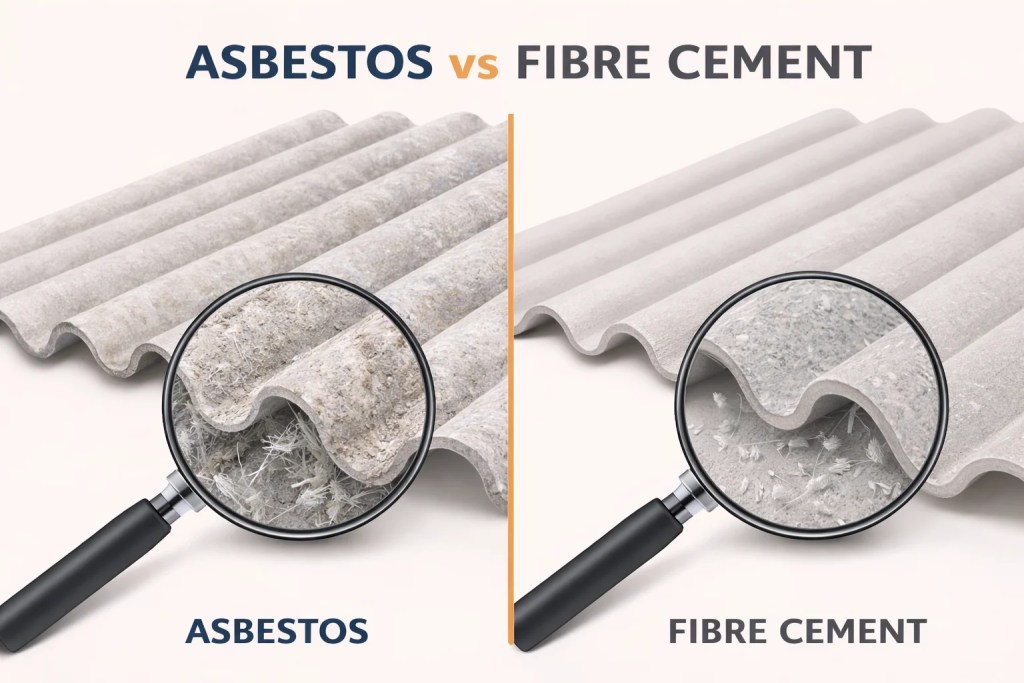
Asbestos is a naturally occurring mineral. It was once widely used in construction for its benefits. These were heat resistance, strength, and insulating properties. The mineral was commonly added to materials such as roofing sheets, insulation, tiles, and cement fibre board to boost durability.
Asbestos-containing materials usually appear solid and harmless due to their microscopic nature. In many older properties, asbestos might still be in walls, garages, ceilings, and external cladding.
If disturbed for renovation or repair, these fibres become dangerous and airborne.
To see its visuals, many people search what does asbestos look like. However, don’t solely rely on appearance.
What Are the Health Risks of Asbestos?
Asbestos exposure-associated health risks are well-documented and severe. When the mineral-containing materials are disturbed or damaged, tiny fibres are released into the air.
Main Concerns Include:
- How Long do Asbestos Fibres Stay in the Air? : Fibres remain airborne for hours. It can also go on for days.
- Size of Asbestos Fibres: Asbestos fibres are very small; these can be inhaled into the lungs.
- Long-term Exposure: Staying in airborne exposed atmosphere is associated with lung cancer, asbestosis, and mesothelioma.
The size of asbestos fibres is extremely small. Therefore, the naked eye fails to see them and inhales them. Even brief exposure is dangerous. Symptoms may also appear on the skin. Learn more about asbestos exposure symptoms on skin resources.
What Is Fibre Cement?
Fibre cement is a modern building material. It is made from sand, cement, cellulose fibres, and water. After asbestos was banned, fibre cement was developed as a safer substitute. People ask does fibre cement contain asbestos in modern products. The answer is no.
First, understand the composition to get the difference between asbestos and fibre cement. The cement depends on synthetic and organic fibres for reinforcement, not mineral fibres. The material is durable, fire-resistant, and requires low maintenance. Therefore, it is used in roofing, siding, and cladding.
Key Concerns Are:
Designed to Copy The Look: Fibre cement is designed to safely copy the look of older cement products.
Approved For Use: The cement is approved for use under modern building codes.
Knowing this difference is more important when dealing with structures built before asbestos was phased out.
How to Tell the Difference Between Asbestos and Fibre Cement?
The visible difference between asbestos and fibre cement seems subtle. In older buildings, both materials may appear flat, grey, and cement-like. However, there are a few hints that help differentiate fibre cement vs asbestos. But none are definitive without testing.
Possible visual and contextual clues:
Minimal Visual Difference: There is a minimal visual difference between asbestos and fibre cement.
Thinner Sheets: Asbestos cement sheets are more brittle and thinner.
A Uniform Finish: Fibre cement may have a smoother and more uniform finish.
Installation Date: Check the installation date. Pre-1990 materials raise more concerns.
Appearance Comparison Is Unreliable: Comparing fibre cement vs asbestos by appearance alone is unreliable.

Due to these similarities, reliance on the visible difference between asbestos and fibre cement is risky.
Even professionals avoid assuming without lab analysis.
What to Do If You Suspect Asbestos?
- Avoid cutting, drilling, or disturbing the material.
- Don’t sweep or vacuum debris.
- Leave the area if possible
- Immediately seek professional guidance.
Contact Teton Environmental for expert advice, inspection, and testing. Trying to identify yourself increases the risk of fibre release and exposure.
Asbestos Testing, Inspection, and Remediation Services
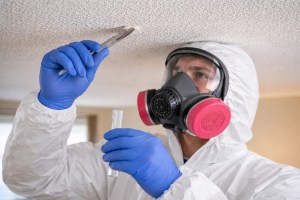
Because these are microscopic, professional testing is the only reliable way to confirm their presence. Laboratory analysis accurately measures asbestos fibres size and determines whether it’s hazardous.

Professional services include:
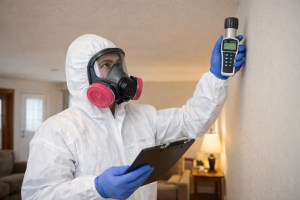
- Trained professionals do on-site inspections.
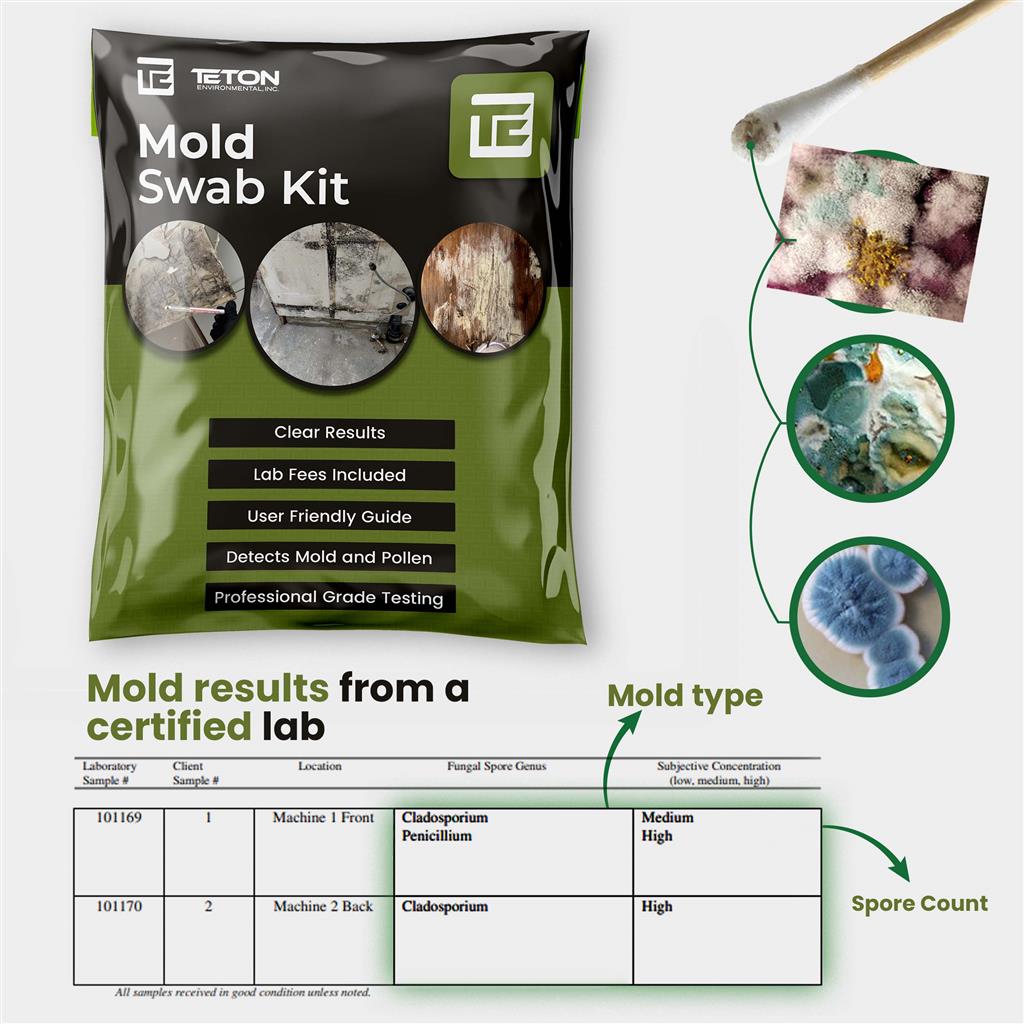
- Samples are safely collected and sent for laboratory testing
- Asbestos fibres size and concentration are identified.
- Risk is assessed, and compliance guidance is offered.
- You are referred to a licensed asbestos testing service.
- Get full removal support through a trustworthy remediation company.
Understanding asbestos fibres size is critical. The smaller fibres pose a higher risk and remain airborne for hours. Allowing professionals to take over ensures safe handling.
Conclusion
Knowing how to tell the difference between asbestos and fibre cement is crucial, but don’t solely rely on visual checks. Fibre cement is a safe and widely used modern material. However, asbestos remains a serious danger in older buildings. The similarities make professional testing the only safe and accurate option.
Therefore, if you are unsure, feel free to contact professionals.
GBP CID link: https://maps.google.com/maps?cid=14950218088920182749