Basements are considered among the most susceptible areas of a home to moisture. Poor ventilation, damp air, and periodic water penetration are all conditions that provide an ideal environment in which the mold grows. The homeowners are not aware that there is a problem until they find some stains, musty smells, or health problems.
Being able to understand basement mold types and correctly identifying mold before it damages the structure can be helpful in avoiding structural damage and minimizing health hazards.
Due to the fact that basements may be utilized as a storage room, or even a place to live, mold may be growing over the course of a long time.
That’s why recognising common mold varieties, their causes, and safe next steps is essential for maintaining a healthy home. Let’s read the most common types of basement mold.
Key Takeaways
Mold spores can grow in basements, and there are different types of mold spores with various characteristics and varying levels of danger. Some are milder and moderate, whereas others may lead to severe health issues when not managed.

Homeowners should be informed about basement mold types so that they can be found in basements in order to make a decision about clean up, testing, and prevention.
In case you do not know what you are dealing with, or you think there could be some form of hidden growth, then experts at Teton Environmental could assist in identifying the issue at hand and give recommendations on the most appropriate solution that would be safe.
What Causes Basement Mold Growth
Mold in the basement occurs when moisture, organic substances, and poor ventilation come together. Walls and floors made of concrete are not solid materials and can be soaked by the soil. This creates conditions where types of house mold can easily take hold.
Plumbing leaks, cracks in the foundation, flooding, and high humidity may favor different types of molds in homes, particularly in the basement. The most common early indicator of the presence of spores is a persistent odor of mold in the house, even though the growth has not yet become visible.

Water may also be directed towards the home by poor drainage, blocked gutters, and improper grading, and this makes the basement damp all year round.
7 Common Basement Mold Types Found in Homes
Basements can support many different types of mold spores, but these are the most frequently identified in residential properties.
1. Stachybotrys chartarum (Black Mold)
Black mold is often linked with long-term damage caused by water, and is dark green or black, and forms on such elements as wood, drywall, etc. It belongs to the more alarming types of basement moulds because of health consequences.
2. Aspergillus
This mold is widespread the indoors and may be white, yellow, green, or brown. Aspergillus is quickly propagated by air, and it frequently grows on walls, insulation, and stored goods.
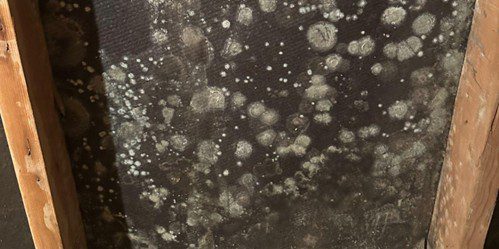
3. Cladosporium
Cladosporium is cool, damp, and may be either olive-green or black. It occurs commonly on basement walls, fabrics, and carpets.
4. Penicillium
Penicillium is recognisable by its blue or green colour, and it spreads fast and usually forms following water damage. It usually affects the insulation, wallpaper, and cardboard.
5. Alternaria
It is a damp mold that thrives well in humid conditions, and it may be located close to windows, drains, and leakages. It is soft-velvety and dark-coloured.
6. Aureobasidium
Usually pink, brown, or black, Aureobasidium is often found on wooden surfaces and painted walls, especially in humid basements.
7. Ulocladium
Ulocladium grows in areas with significant water damage and is commonly found on floors and behind walls. It often indicates long-term moisture issues.
Why Basement Mold Is So Common
Poorly ventilated basements also tend to be damp due to their location below the ground. The low amount of sunlight, lack of air circulation, and low temperatures enable the basement mold types to grow.
Splashing water, or wet concrete, can easily cause the growth of mold on the floor, particularly around the drains or sump pumps.
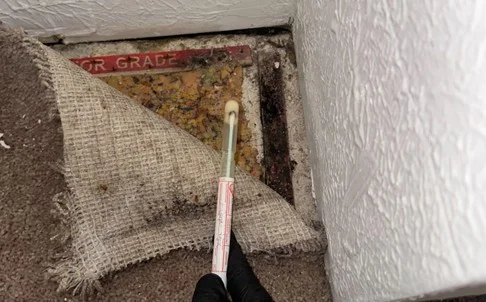
Testing tools, such as a petri dish mold test, can help confirm airborne spores, but professional evaluation is often needed to understand the full scope of the issues.
Mold vs Mildew in Basements
Many homeowners confuse mildew with mold. Mildew is typically surface-level and easier to clean, while mold penetrates materials and spreads more aggressively. If you’re wondering what mold spores look like, they’re microscopic and invisible to the naked eye; what you see is the colony they form.
Because mildew can turn into mold if moisture persists, distinguishing between them early is essential when assessing basement mold types.
Is It Mold or Efflorescence?
Efflorescence is a white, glassy deposit due to the migration of mineral salts in concrete as it dries out. It does not grow or propagate like mold.
Nevertheless, efflorescence is an indication of persistent moisture issues that later may result in various types of mold on the floor, particularly in porous materials or in a place where frequent mold on floor problems can be experienced.
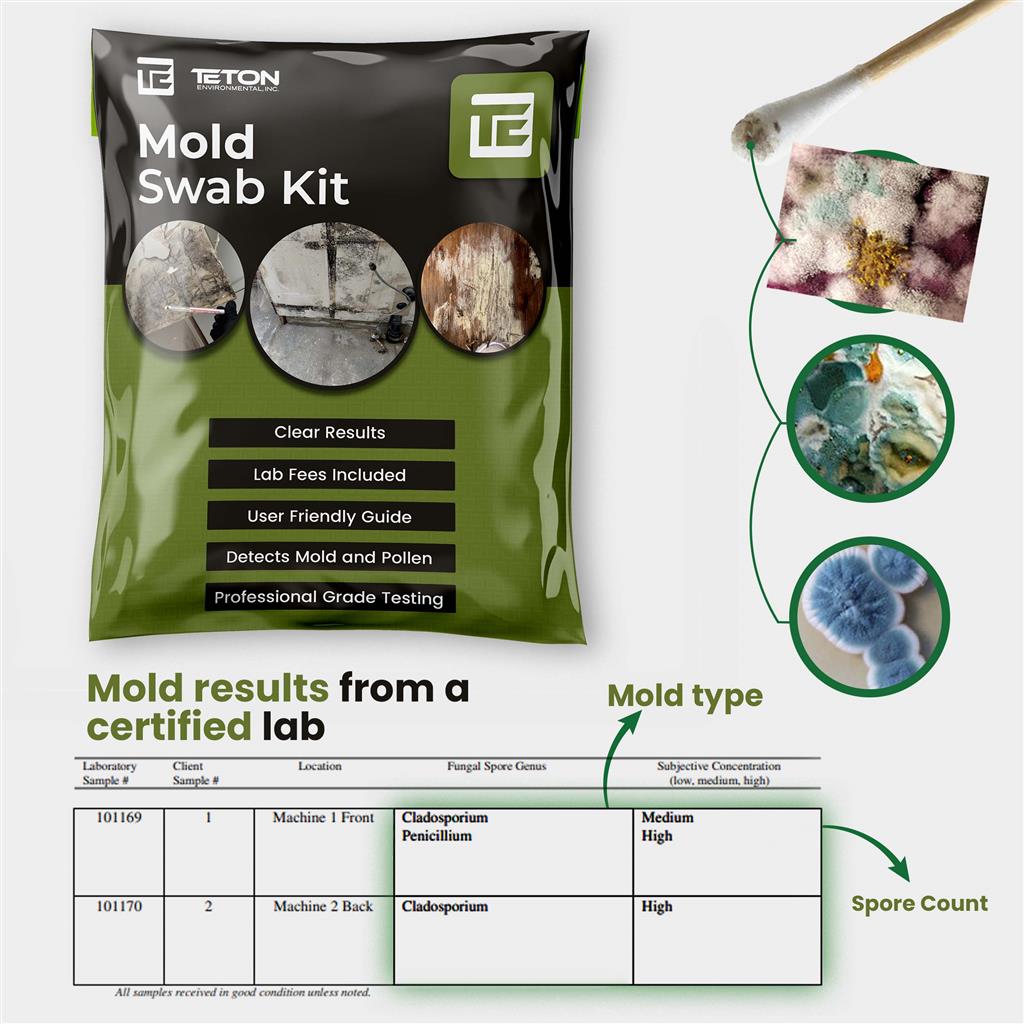
Mold Test Kit – Lab Fees Included, 1 Swab can Detect 20+ Mold Types & Pollen, Easy-to-Use Guide, Professional-Grade Testing
When the material becomes easily wiped off and comes back after rain, it might be efflorescence; however, the source of moisture must also be considered.
Are All Basement Molds Dangerous?
Mold in the basement is not always equally dangerous, although all basement mold types must be considered seriously. Not all molds have the same effect, and some of them can be allergenic, and others may have toxins.
The mold color alone is not the best way to define its danger, and this is the reason why it should be identified by a professional.
For more detailed information, reviewing guides on types of toxic mold can help homeowners understand which varieties require urgent attention.
Where Basement Mold Types Commonly Grow
Basement mold often develops in hidden or low-traffic areas. Correctly identifying mold means checking corners, behind stored items, under carpets, and around plumbing fixtures. Growth may also appear as mold on the window sill, especially where condensation forms during colder months.

Other common locations include floor joists, drywall, insulation, and wooden shelving where moisture lingers unnoticed.
How to Get Rid of Basement Mold Safely
Small surface-level mold may sometimes be addressed with proper safety precautions, but extensive growth requires professional help. Improper Cleaning of mold can release spores into the air, spreading contamination to other parts of the home.
Because many basement mold types grow deep into materials, safe removal often involves containment, filtration, and disposal. For severe cases, working with a trusted Mold removal company ensures the problem is resolved without risking health or further damage. Special care is also needed for types of mold on wood, which can weaken structural components.
How to Prevent Basement Mold From Coming Back
Prevention focuses on moisture control and airflow. Leaks, drainage improvements, and the use of dehumidifiers are helpful in limiting factors that contribute to the growth of mold. Less condensation on windows would prevent repeating the occurrence of mold on window sill, whereas keeping an eye on color changes of molds would assist in detecting new molds early.
Supportable strategies like window sealing and better insulation also comply with tips on how to prevent mold on windows in winter seasons, which is also relevant in basements.
When to Call a Professional Mold Testing Company
If mold keeps returning, covers large areas, or you’re unsure of the type, professional testing is the safest option. It is not possible to identify many basement molds types accurately without laboratory examination, particularly in the case of wood-based or latent moulds.
The expert testing and inspection with the help of Teton Environmental will guarantee a clear schedule, safeguard the indoor air quality, and contribute to the comprehensive approach to the solution of the problem with the