Numerous homeowners assume that winter eliminates mold risks, but can mold grow in the cold? Sadly, the answer is yes. Freezing outdoor temperatures slow mold growth, but indoor environments usually provide everything mold needs to grow. Individuals can protect their home, health, and indoor air quality if they understand what causes mold in a house during winter. Also, learn how to prevent mold in house in winter.
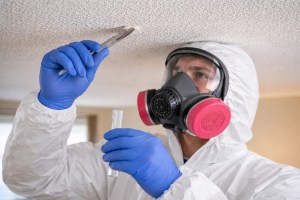
Mold spores are always present in the air. When organic materials, moisture, and limited ventilation combine, mold thrives irrespective of the season. On suspecting an issue, get in touch with Teton Environmental. Their teams offer professional mold inspection and testing services to detect hidden problems before they trouble your family. The first step toward prevention is learning more about mold behavior.
The cold season doesn’t eliminate mold risks. Can mold grow in winter? Absolutely, especially indoors. Here, humidity, condensation, and heating systems create ideal conditions. Mold in the winter remains unnoticed as homes are tightly sealed, letting moisture build up.
Remember:
- Mold still survives cold temperatures indoors
- Condensation is a major winter mold trigger
- Basements, windows, and bathrooms are common problematic areas.
Seek professional guidance from Teton Environmental. Their certified experts help you in accurate detection and provide safe solutions.
Can Mold Grow in the Cold?
Does mold die in the winter? Many homeowners ask this question. Freezing outdoor temperatures hinder mold growth, but the spores rarely die completely. Indoors, temperatures remain well above freezing, allowing mold to stay active throughout the year.
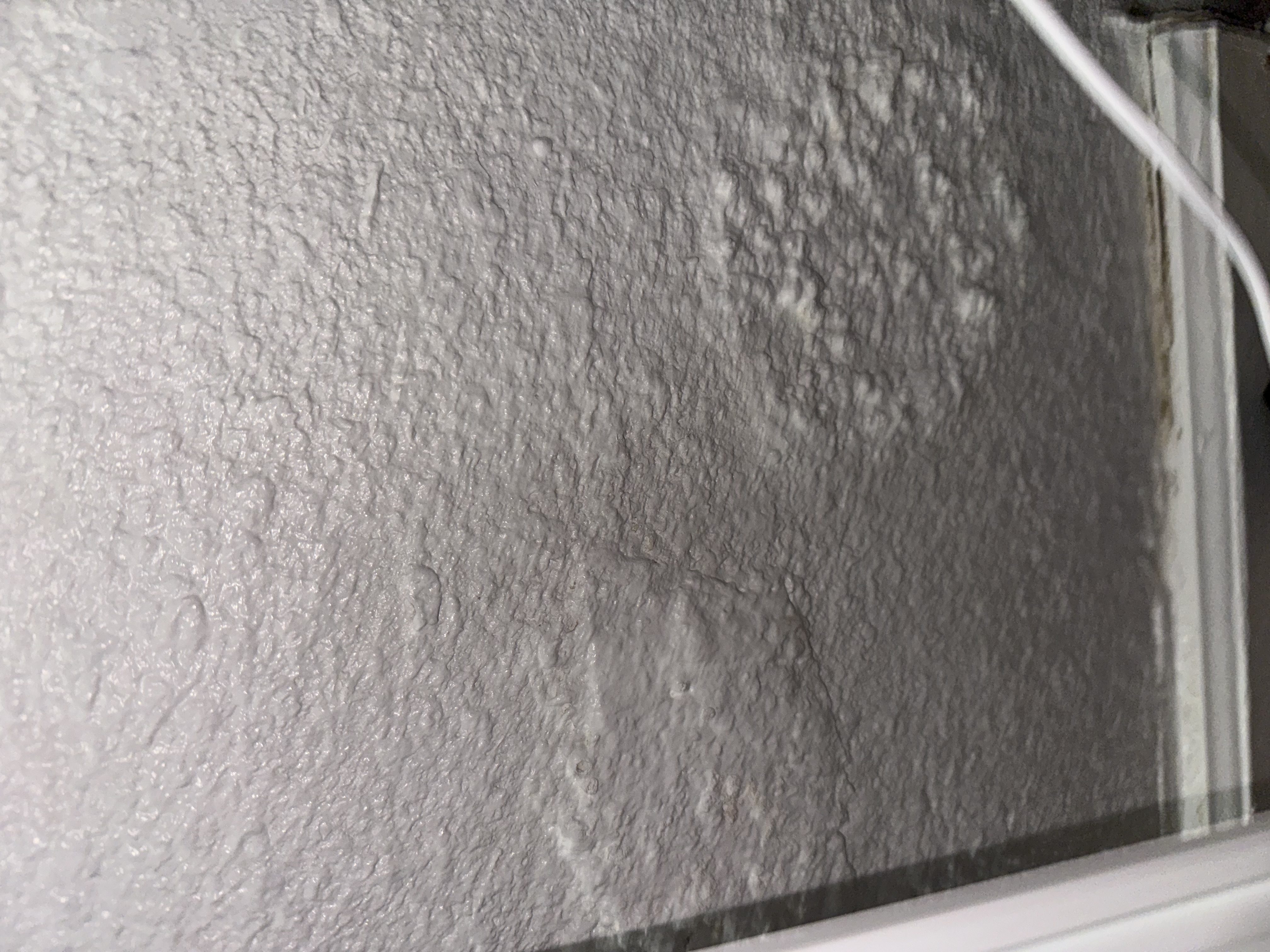
Limited airflow, heating systems, and trapped moisture create an environment where mold can grow despite cold weather.
Minimum Temperatures Mold Needs to Survive
Interestingly, most mold species survive temperatures even if they drop to as low as 32°F. Once conditions improve, they become active again.
Indoor heating keeps ceilings, walls, and building materials warm. This warmth is enough to support mold growth during prolonged cold spells.
Why Mold Still Grows When It’s Freezing Outside?
During winter, moisture from showering, cooking, using humidifiers, and poor ventilation builds up indoors. The fungal growth doesn’t depend on just warmth. Consistent moisture and organic materials are more than enough to grow.
Cold Room Mold vs. Warm Room Mold—Key Differences
In cold rooms, surface condensation develops. While warm rooms trap humidity in the air. Be it a cold or warm room, both conditions provide moisture for the mold to grow.
What Causes Mold to Grow in Winter?
People must identify what causes mold in a house during winter to understand mold in the winter. As the days become colder, homes are sealed tightly to stay warm. While this enhances energy efficiency, it also lessens airflow. This allows moisture to build up indoors. When extra humidity is trapped in, mold-friendly conditions quickly develop:
Reduced Ventilation and Trapped Moisture
Windows stay closed during winter, decreasing fresh air circulation. Daily activities like showering, cooking, and drying clothes release moisture that is trapped indoors, boosting humidity levels.
Structural and Environmental Moisture Sources
Condensation on windows and walls. Poor basement or attic insulation. Leaky roofs or plumbing. Improperly used humidifiers and snow melt seeping into foundations are common winter-related moisture problems.
Even subtle leaks or damp areas, if left unaddressed, can quickly change into mold growth.
Therefore, it’s important to address moisture early to prevent long-term mold issues.
How to Tell If You Have Winter Mold in Your Home?
The earlier you identify winter mold, the sooner you protect your health and prevent costly damage. When homes are sealed, and indoor air circulation is limited, mold allergies in winter usually become evident. With the decline of air quality, mold spores collect and trigger physical reactions.
Health Symptoms
Mold allergies in winter have a few common symptoms. These include sneezing, coughing, itchiness, watery eyes, sinus congestion, headaches, and constant exhaustion. If you don’t promptly act, the health issues can worsen and improve outdoors. This is not a good sign.
Mold Growth’s Visible Signs
Apart from health, pay close attention to your ceilings, walls, and around vents or windows. Look for dark spots, musty odors, condensation buildup, and mold growth. These spaces trap moisture during colder months.
Test for Hidden Mold
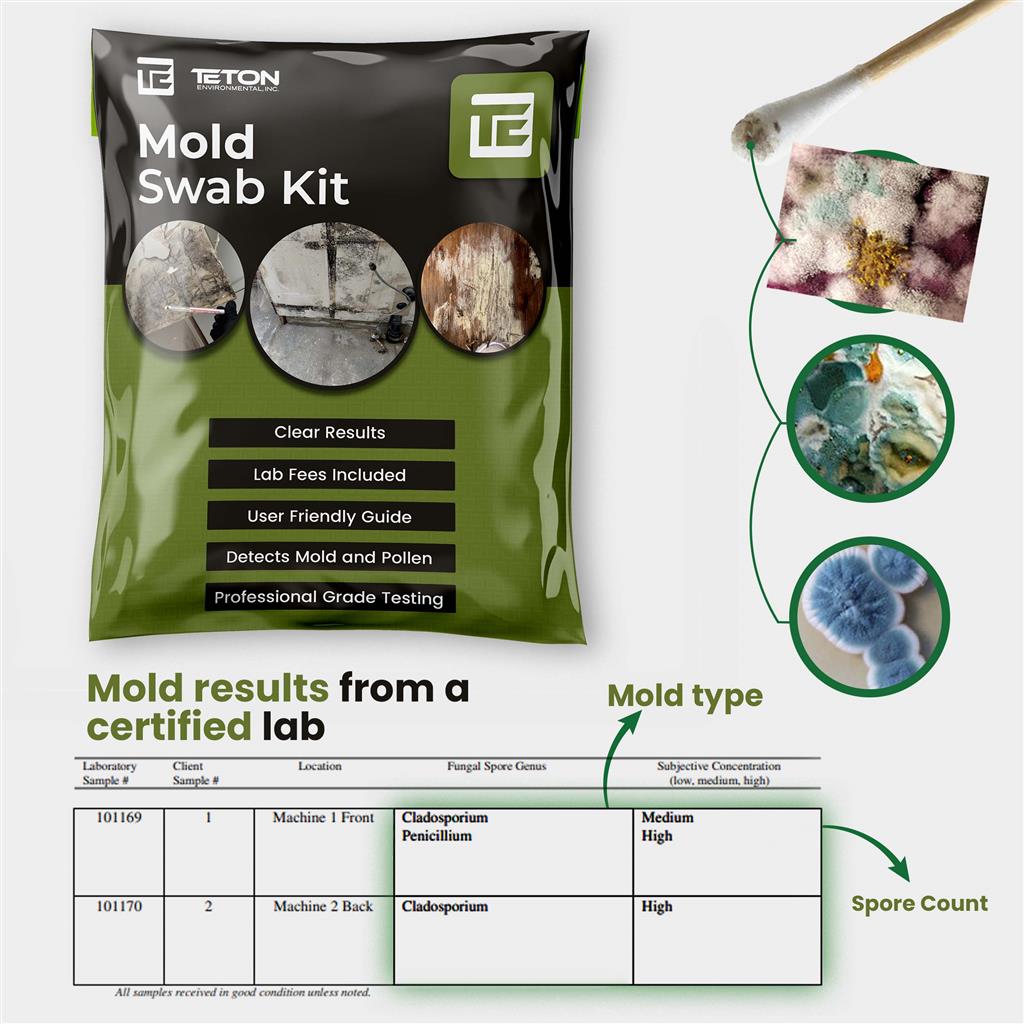
A petri dish mold test offers basic insight into airborne spores. But professional testing is recommended for accurate and reliable results.

Winter Mold Around Windows
In several homes, mold on windows in winter is a common issue. It develops when moist indoor air comes into contact with cold window glass. This leads to condensation. When the moisture sits on window sills or frames for an extended period, mold starts growing.
What Are Common Causes of Window Mold in Winter?
How to prevent mold on windows in winter? First, identify the root causes.
Poor Insulation: Poor insulation allows cold air to penetrate, increasing condensation.
High Indoor Humidity: Cooking, showering, and using humidifiers cause high humidity. This further adds excess moisture to the indoor air.
Inadequate Ventilation: Such ventilation prevents moisture from escaping. Offering space for the mold to develop.
What Are Effective Fixes?
The following are a few effective fixes for window mold:
Use Exhaust Fans: Use exhaust fans, run dehumidifiers, and briefly open windows to improve airflow.
Wipe Condensation: Grab a soft cloth and wipe daily condensation.
These steps are necessary for how to prevent mold in house in water. Moreover, they protect your home from long-term mold issues.

How to Prevent Mold?
Control moisture inside your house to prevent winter mold. Understanding how to prevent mold on windows in winter plays a vital role in decreasing overall mold risks. Because during colder months, windows are common moisture collection points.
Control Indoor Humidity Levels
Try to keep indoor humidity levels below 50%. Use dehumidifiers and monitor moisture levels to control humidity. The lower the humidity, the more challenging it becomes for the mold to grow and spread.
Improve Ventilation and Insulation
Use exhaust fans in kitchens. Do the same in bathrooms to remove extra moisture. Seal air leakages around the windows. Properly insulate cold surfaces to reduce condensation.
Regularly Clean Condensation
Promptly clean condensation. Stay consistent with it. These habits prevent long-term mold damage.
When Does Winter Mold Mean a Bigger Problem?
Occasional mold on the surface can usually be managed. But persistent growth might hint at a more serious issue. When mold spores circulate in sealed indoor environments, prolonged exposure worsens mold allergies in winter. Despite regular cleaning, if signs increase or mold continues to return, hidden moisture issues may be present.
What Are Signs of Hidden Mold Growth?
Warning signs include:
- Repeatedly reappearing mold after removal
- Strong musty odors linger throughout the home.
- Health symptoms that improve outdoors.
The above indicators indicate that mold is growing behind the walls. Under flooring, or inside ventilation systems.
Existing Issues
The risk of mold growth increases if your home has an existing water damage issue. Flooding, leaks, or unresolved moisture problems can reactivate mold, especially with limited air circulation.
Why Professional Evaluation Matters?
Don’t use DIY methods. Instead, schedule a professional evaluation. The experts can locate hidden mold sources, preventing further health risks.
How To Safely Remove Winter Mold?
Safely removing winter mold largely depends on the size and severity of the issue. Small surface areas can be tackled with proper cleaning. However, larger or recurring growth requires expert involvement. In serious matters, mold removal denver services promise to handle mold safely so it doesn’t spread to other areas.
When To Call a Professional Mold Removal?
Professional services include moisture source identification. They are equipped with containment barriers to prevent cross-contamination. Furthermore, HEPA filtration and other safe removal methods are also used to protect indoor air quality.
Follow Trusted Guides
Follow trusted guides on how to clean black mold off wood for small, accessible areas. It’s recommended to never disturb large mold areas without experts. Visit a genuine Mold removal company service page for professional support.
Professional Mold Testing and Inspection in Colorado
Do you suspect hidden mold? Professional mold testing denver services offer accurate peace of mind and identification. Testing determines severity, mold type, and appropriate remediation steps.
Contact Teton Environmental to schedule a professional inspection. Their certified inspectors guarantee reliable results and long-term solutions according to Colorado’s winter.
FAQs
Does mold grow faster in winter or summer?
In summer, mold grows faster due to heat and humidity. But indoor conditions allow growth throughout the year.
Is mold more dangerous in winter?
Certainly, because homes are tightly sealed. This increases exposure and worsens mold allergies in winter.
Why does mold appear around windows when it’s cold?
Condensation creates moisture. This leads to mold on windows in winter.
Can turning on the heat make mold worse?
Absolutely. If your indoor spaces are poorly ventilated, heating increases indoor humidity.
Will opening windows in winter help reduce mold?
Occasional ventilation helps. But humidity control and insulation are more effective.