When asbestos-containing materials are disturbed, tiny fibers can be released into the air. These fibers may be unknowingly inhaled into the lungs or swallowed into the digestive tract, where they can remain trapped for years. However, the real question is: how long do asbestos fibers remain in the air, especially once they are released? The truth is, only trained professionals can accurately determine the risks. That’s why homeowners are strongly advised to seek expert help, such as asbestos testing in Denver, to safeguard their health and protect their families.

Why Airborne Asbestos Is Dangerous?
Airborne asbestos poses a hidden danger, as its fibers are microscopic. Unlike dust, you cannot tell when you are exposed to asbestos, which is why a home asbestos test might be the only solution to confirm whether asbestos is in your home or not.
If you inhale them, the fibers can settle deep inside your lung tissue, where asbestos fibers may remain for ages. Over time, the asbestos can cause critical respiratory issues, including mesothelioma, a deadly cancer due to prolonged exposure. Standard building materials like asbestos in drywall and asbestos in popcorn ceiling are often overlooked until you plan to renovate or any kind of damage occurs to your property, releasing fibers into the air.
How Long Do Asbestos Fibers Stay in the Air?
Unfortunately, after being released, asbestos fibers may remain suspended in the air for days. Since they are so lightweight and durable, they settle quickly, making the closed areas toxic after the disturbance has occurred.
Factors That Influence Duration
Numerous factors determine how long the fibers stay airborne:
- Air Circulation: If the rooms lack proper ventilation, fibers can remain in the air for long periods.
- Activity Levels: There is no need for intense activities, as even walking can send asbestos fibers into the air.
- Type of Asbestos Material: Some of the variants break into finer particles as compared to others, which is why it becomes hard to settle.
- Humidity and Airflow: Moving air or moisture can trap asbestos fibers or keep them suspended in the air.
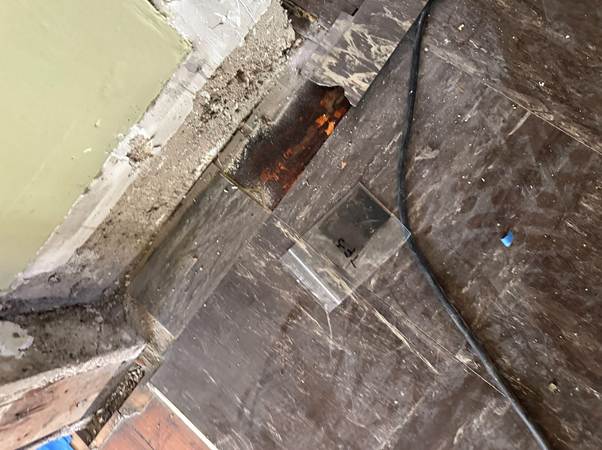
The factors above indicate why exposure is usually long-term and complex to avoid, unless you involve professionals to conduct asbestos air testing.
What Happens When Asbestos Is Disturbed?
Drilling, sanding, or demolition are actions that damage asbestos-containing materials because they can release microscopic fibers. Once in the air, the only way to determine the degree of contamination is through asbestos air testing.
Proceeding with DIY removal or disturbance, especially without proper safety measures, can exacerbate the situation. That’s why experts highly suggest benefiting from professional services such as an on-site asbestos test. This can detect and measure the amount of airborne fibers before they spread to other parts of the house.
What Do Asbestos Fibers Look Like?
A lot of homeowners wonder: What do asbestos fibers look like? Under a microscopic lens, asbestos appears as a long, thin, and needle-like structure. But to the untrained eye, asbestos is simply invisible. Therefore, asking ‘Can you see asbestos fibers?’ gives only one answer: that you can’t see them unless you have a microscope or similar specialized equipment.
This invisibility adds to the danger factor, as you could be regularly inhaling fibers without knowing it, making it more vital to get asbestos testing services before undertaking any major renovation or repair work in older buildings.
How to Tell if Asbestos Is Present in Your Home or Workplace?
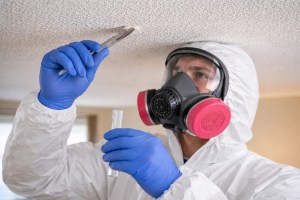
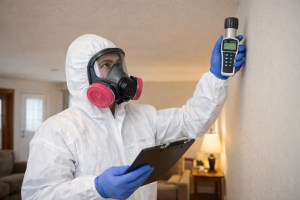
To confirm whether asbestos is present or not, you can make the most out of a professional asbestos inspection and assessment. This is the only reliable way to give yourself some mental relaxation when the age of a building, visible damage, or unusual dust rings raises a suspicion.
Asbestos testing services use premium methods to collect and analyze samples from specific areas, ensuring accurate results. You can try the asbestos testing services for your office, home, or industrial property as the first step in addressing hidden risks.
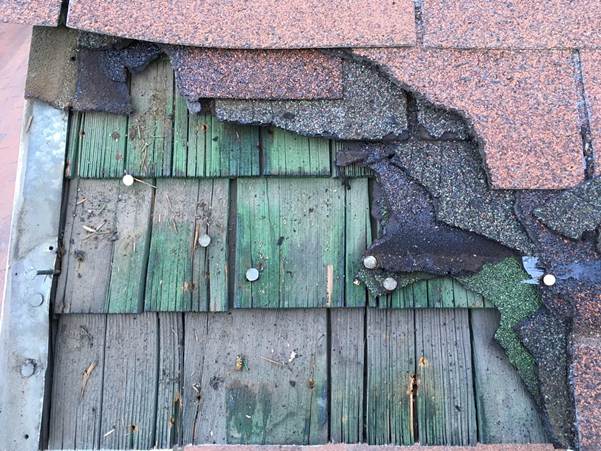
Test for Asbestos with Teton Environmental Today
Asbestos fibers may remain suspended in the air for days; because of this, it’s necessary to address any suspicion. Move ahead with a certified asbestos inspection and assessment to save you and your family members from long-term health risks.
Teton Environmental experts are the ones you should contact. They provide services from testing to remediation. To schedule a professional asbestos air analysis, visit their Contact Page or explore their Environmental Testing Services.
FAQs
How long does asbestos stay in the air once disturbed?
It depends on the activity and airflow, as the fibers can remain in the air for hours or even days. The suspension makes indoor exposure quite risky.
Can asbestos fibers settle and then become airborne again?
Despite their settlement, vacuuming, opening doors, or even air drafts can transport them back into circulation.
How do you remove asbestos from the air?
Professional tools such as negative air pressure machines and HEPA filtration systems can safely remove asbestos.
Can a HEPA filter remove asbestos particles?
HEPA filters are highly effective at trapping asbestos fibers. However, only the industrial-grade versions are recommended for such environments.
Is it safe to vacuum asbestos dust?
Avoid standard vacuums as they can release asbestos fibers back into the air. Therefore, depend on certified asbestos testing services for inspection, sampling, and cleanup.