Asbestos was once lauded for being a miracle material. It was fire-resistant, durable, and cost-effective. For ages, the material was used in the construction of homes, workplaces, and schools across the United States. But today, unfortunately, the same miracle material is viewed as a serious health hazard that can cause lung cancer, asbestosis, and mesothelioma. This leaves homeowners asking: When was asbestos banned for use in homes?
The U.S. never completely banned asbestos. Particular uses began to be phased out in the late 1970s, with major limitations in the 1980s and 1990s. And the most recent one was on March 18, 2024, when the EPA finalized a ban on the import of chrysotile asbestos
This blog will explore five major facts related to the regulations of asbestos, when was asbestos banned for use in homes, where it’s found in your home, and what steps are necessary to take if you suspect asbestos materials in your home.
What is Asbestos?
Asbestos refers to a group of naturally occurring fibrous minerals that are not only heat and fire-resistant, but also shield against chemical damage. For centuries, it was used in construction products to improve durability and fire resistance.
The challenge is: what does asbestos look like? It’s not easy to tell by simply looking at it. Its fibers are microscopic, and in building materials, asbestos can appear as:
- White or gray fibrous backing in floor tiles
- Fluffy insulation in attics
- Textured, “popcorn” ceilings
- Ridged roofing or siding sheets

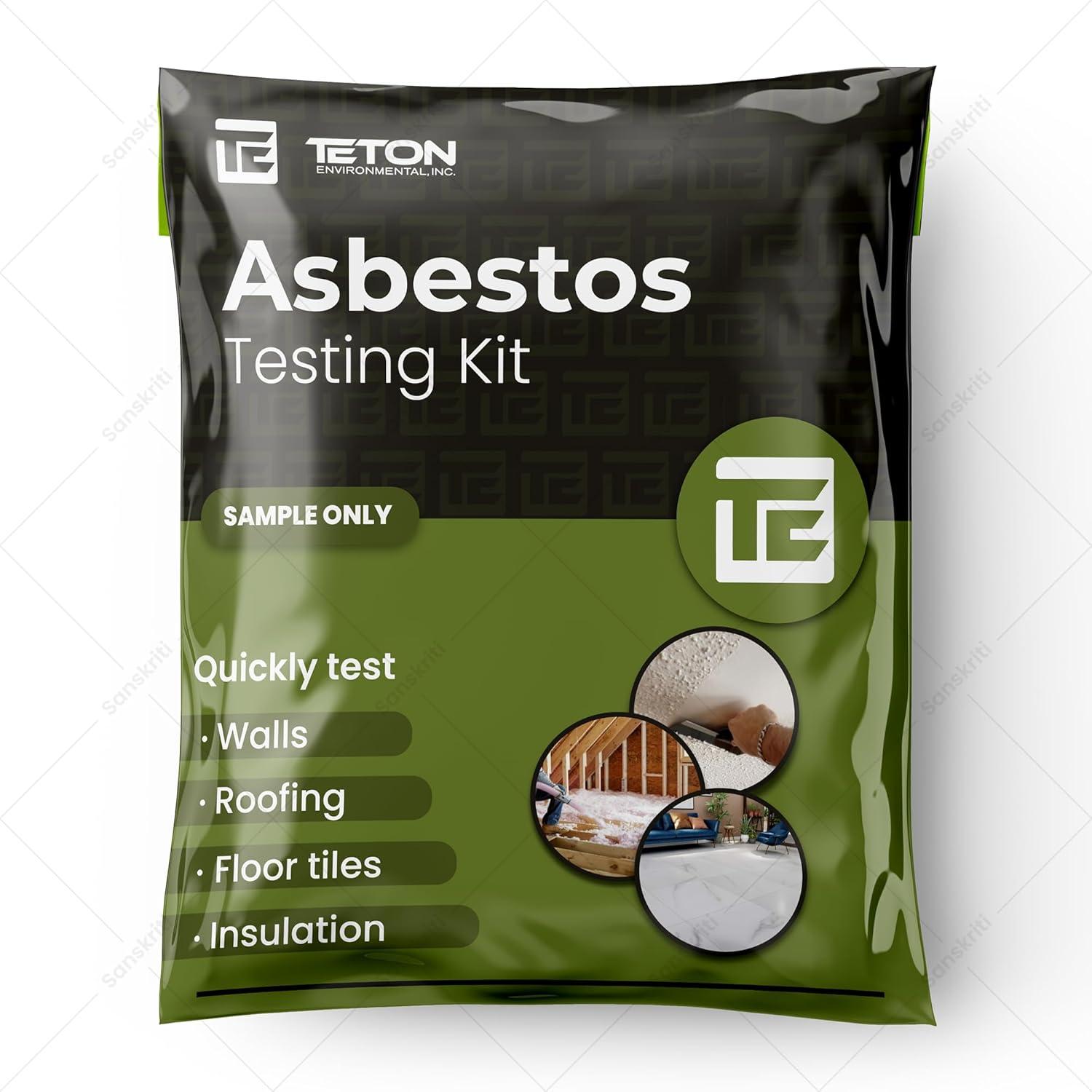
Since it’s nearly impossible for an untrained eye to know what does asbestos look like, proper identification demands professional testing. You can learn more about how to safely detect the material with home environmental testing.
When Was Asbestos Banned in Homes?
Homeowners frequently ask: What year was asbestos banned in residential construction?
There is no single answer, as asbestos wasn’t banned all at once. Rather, the restrictions were implemented gradually as follows:
1973: In 1973 EPA banned spray-applied asbestos for fireproofing and insulation.
1978: The ban stretched to most spray-applied surfacing materials used in schools and homes.
1989: EPA issued the Asbestos Ban and Phase-Out Rule, which was cancelled in court.
1990s: New rules showed up banning asbestos in rollboard, flooring felt, and corrugated paper.
2024: As mentioned in the introduction, too, the EPA recently banned the usage of chrysotile asbestos in the U.S.
So, this answers your question regarding what year was asbestos banned in construction? However, if a home was built after 1980, they are generally asbestos-free, but the ones constructed before this year might still contain asbestos materials. However, older properties, especially those with asbestos insulation in the attic, pose greater risks. You still have to follow local and federal requirements when asbestos testing. A new house built today would still require asbestos testing.
Key U.S. Regulations That Changed Asbestos Use
- Clean Air Act 1970: The Clean Air Act 1970 first motivated the EPA to regulate asbestos emissions.
- Toxic Substances Control Act of 1976: This act imposed restrictions on risky substances like asbestos.
- Asbestos Hazard Emergency Response Act 1986: The Asbestos Hazard Emergency Response Act 1986 ordered schools to inspect and manage asbestos materials.
- Recent EPA Rule 2024: In 2024, the EPA finally targeted industrial usage of chrysotile asbestos.
Where is Asbestos Usually Found in Homes?
Asbestos, once heavily used in building products, is still found in the following building materials in your home:
Asbestos Tile: The asbestos tile was popular due to its strength, affordability, and resistance to heat and wear. Vinyl floor tiles created before the 1980s are a strong indicator that the adhesive glue underneath them contains asbestos fibers. However, if your asbestos tile is still in good condition, there might not be an immediate threat, but if you try to remove or disturb it without proper precautions, that can release hazardous asbestos fibers.

Asbestos in Drywall: Builders commonly used asbestos in drywall for joint compounds, wallboards, and patching plasters containing asbestos for its strength and fire-resisting properties. But drilling, sanding, or cutting into walls can immensely disturb the hidden fibers. When disturbed, asbestos in drywall can become airborne and inhaled, posing serious health risks.
Why Was Asbestos So Widely Used in Homes and Buildings?
Despite its known health risks, the asbestos roof was still widely used in homes and buildings because of its affordable cost and outstanding performance. The asbestos roof was relatively affordable, available in abundance, and extremely resistant to chemicals and fire. Builders favored it for insulation, siding, roofing, and soundproofing, but its widespread use has resulted in long-term health problems affecting millions of Americans.
Who Should Test for Asbestos?
Do you suspect asbestos in your home? Consider professional inspections, rather than attempting it yourself, especially if you aim to renovate your home. Commonly, the following two areas require asbestos testing:
Asbestos Popcorn Ceiling: Asbestos popcorn ceiling was popular in the mid-20th century. The surface may appear harmless, but disturbing it through cleaning, painting, or renovation is when it becomes dangerous. Why? The asbestos popcorn ceiling releases toxic fibers. Therefore, you should let the professionals handle the testing, as they are familiar with the safe procedures for handling and sending it to certified laboratories for analysis. The results will then confirm whether the material contains asbestos.
Asbestos Roof: Asbestos roof was commonly used in the grooved cement roofing sheets or slate-resembling shingles. If you proceed with inspecting and repairing without proper safety measures on your own, you will certainly be putting your health at risk. Therefore, it is also advisable to call the professionals to handle the task.
In short, whether it’s asbestos flooring, siding, or roofing, professional and licensed asbestos inspectors provide peace of mind by utilizing specialized tools, knowing how to conduct sampling, and sending it to a certified laboratory. Their expertise guarantees accurate results while guarding you and your family from unnecessary asbestos exposure.
The Hidden Dangers of Asbestos Exposure
Exposure to asbestos shingles works silently, but turns out to be highly harmful. You can inhale the fibers without realizing it, as they are microscopic in nature. And once it’s inside your lungs, asbestos tends to settle and remain there for decades, resulting in severe health issues in the future.

Why is Asbestos so Dangerous?
Asbestos fibers don’t naturally break down like dust or dirt does in your body. Prolonged exposure to asbestos flooring or roofing can result in inflammation and scarring of your lungs, which might develop into the following diseases:
- Asbestosis: Asbestosis is a critical lung condition caused by lung scarring.
- Mesothelioma: Mesothelioma is a rare but aggressive cancer. It occurs in the lining of your lungs.
- Lung Cancer: Lung cancer is strongly linked with asbestos exposure, especially in individuals who are chain-smokers.
Why Do You Need Professional Help?
Since asbestos is known for hiding in common construction materials such as flooring, ceiling, insulation, and siding, you should not rely on your guesswork. Professional asbestos inspection and assessment services can quickly identify risks that your untrained eye can’t. Besides, they can determine what solution will be the best course of action: removal, encapsulation, or monitoring.
Before renovating or demolishing your home, it’s best to invest in an expert asbestos inspection and assessment to avoid long-term exposure to hidden asbestos hazards.
When to Get Professional Asbestos Testing?
Was your property built before the 1980s? If yes, then asbestos-containing materials may still be present. It might be present in the form of asbestos shingles, which are found in siding and older roofs. They do look durable, but if you cut, remove, or sand them, you risk releasing toxic fibers into the air.
On top of that, you should also go for asbestos testing service before any major renovation, demolition, or repair project. Even smaller projects, such as installing new drywall or replacing flooring, could uncover hidden asbestos, posing a serious risk to your family’s health. posing a serious risk to your family’s health.
Therefore, it is highly recommended to utilize an asbestos testing service. Their teams can safely identify and confirm the presence of asbestos before it becomes a considerable health risk. Contact Teton Environmental for reliable and accurate testing services. Furthermore, you can also book through Environmental Testing Services to schedule an inspection near you.
Test for Asbestos with Teton Environmental Today
You can count on Teton Environmental’s certified team for inspections. They are qualified to sample and send it to accredited labs, providing you with accurate results and clear recommendations. Their expertise helps you make safe and informed decisions, ensuring you don’t regret the repairs or renovations you make to your home.
FAQs
When Was Asbestos Banned in Homes?
“When was asbestos banned in homes?”. Strict rules emerged in the late 1970s, but asbestos was never fully banned in residential construction. Materials like insulation, tiles, and roofing could still have contained asbestos into the 1980s. Even new homes built today require asbestos testing, even though it is not likely to be found.
How Do I Know If I Have Asbestos in My Home?
Flooring, drywall compound, or siding may appear normal, so the only way to confirm is to call professionals to conduct asbestos testing. This is done by certified and licensed inspectors, who send your house’s samples to authentic laboratories for results.
Am I Allowed to Remove Asbestos Myself?
Many states legally allow homeowners to remove asbestos from their property, but it is categorized as a very risky job. Improper management releases hazardous fibers into the air you inhale; therefore, you must hire licensed professionals for safely removing asbestos.
What Materials in the Home Commonly Contain Asbestos?
This might be present in your vinyl floor tiles, ceiling textures, drywall joint compound, roofing shingles, insulation, and cement siding. If you know that your home was built way before the 1980s, then that is a strong indication that your house could contain asbestos.
How Much Does Asbestos Testing and Inspection Cost / Can I Stay in My Home During Testing?
It is typically between $300 and $800. It all depends on the number of samples required. The majority of the testing methods don’t demand demolition, therefore homeowners can usually remain in their property during inspection.