Basements, often tucked away beneath the main living areas of a home, are prone to dampness, darkness, and poor ventilation, creating ideal conditions for mold growth. Understanding how to prevent mold in basement spaces is essential for homeowners who want to safeguard their property and maintain a healthy living environment. By adopting proactive measures, as recommended by experts like those at Teton Environmental and the EPA’s mold guide, you can significantly reduce the risk of mold taking hold in your basement.
Mold is more than just an unsightly nuisance; it can damage your home’s structure and pose health risks. Taking steps to address moisture issues early can save you from costly repairs and health complications. This guide outlines ten proven strategies to keep your basement mold-free, ensuring a safe and comfortable space for you and your family.
What Causes Mold in the Basement?
Mold growth in basements is primarily driven by excess moisture, which can stem from various sources. Leaky pipes, poor exterior drainage, high humidity levels, or even minor flooding can create the perfect environment for mold in basement areas. Professional services, such as mold inspection and testing, can help pinpoint the root causes of moisture to prevent mold from spreading.
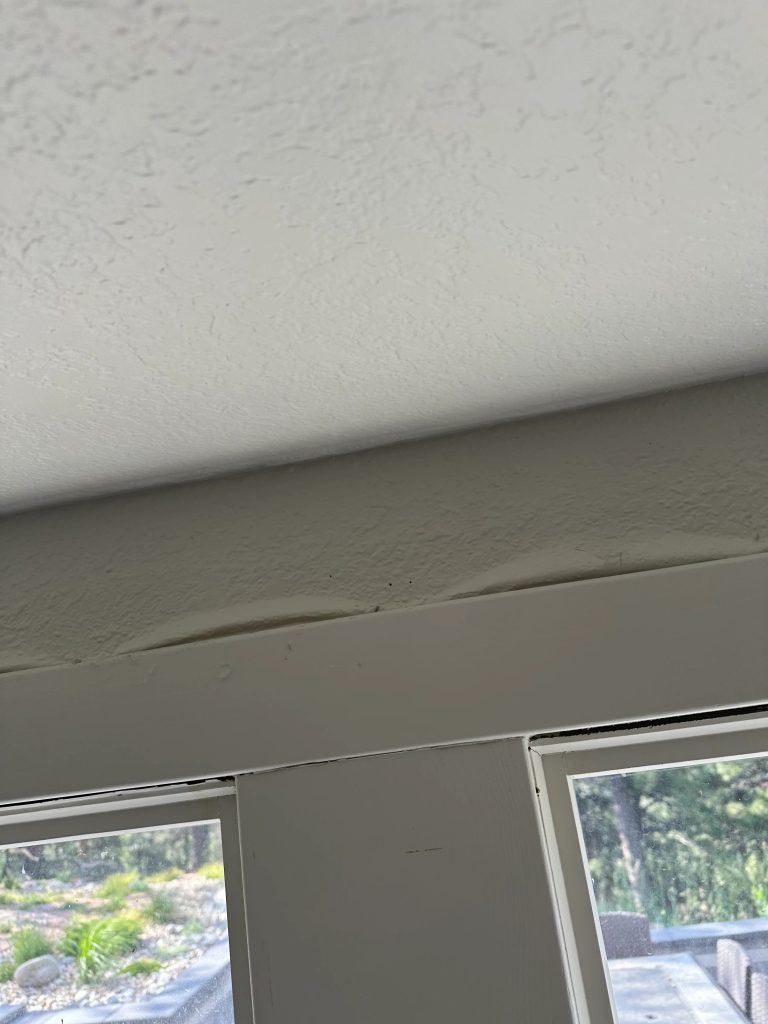
Moisture often accumulates in basements due to their below-ground location, where water can seep through foundation walls or floors. Inadequate ventilation exacerbates the problem, trapping humid air and allowing mold spores to thrive. Identifying these triggers early is critical to preventing mold growth and maintaining a healthy basement environment.
Common Types of Mold Found in Basements
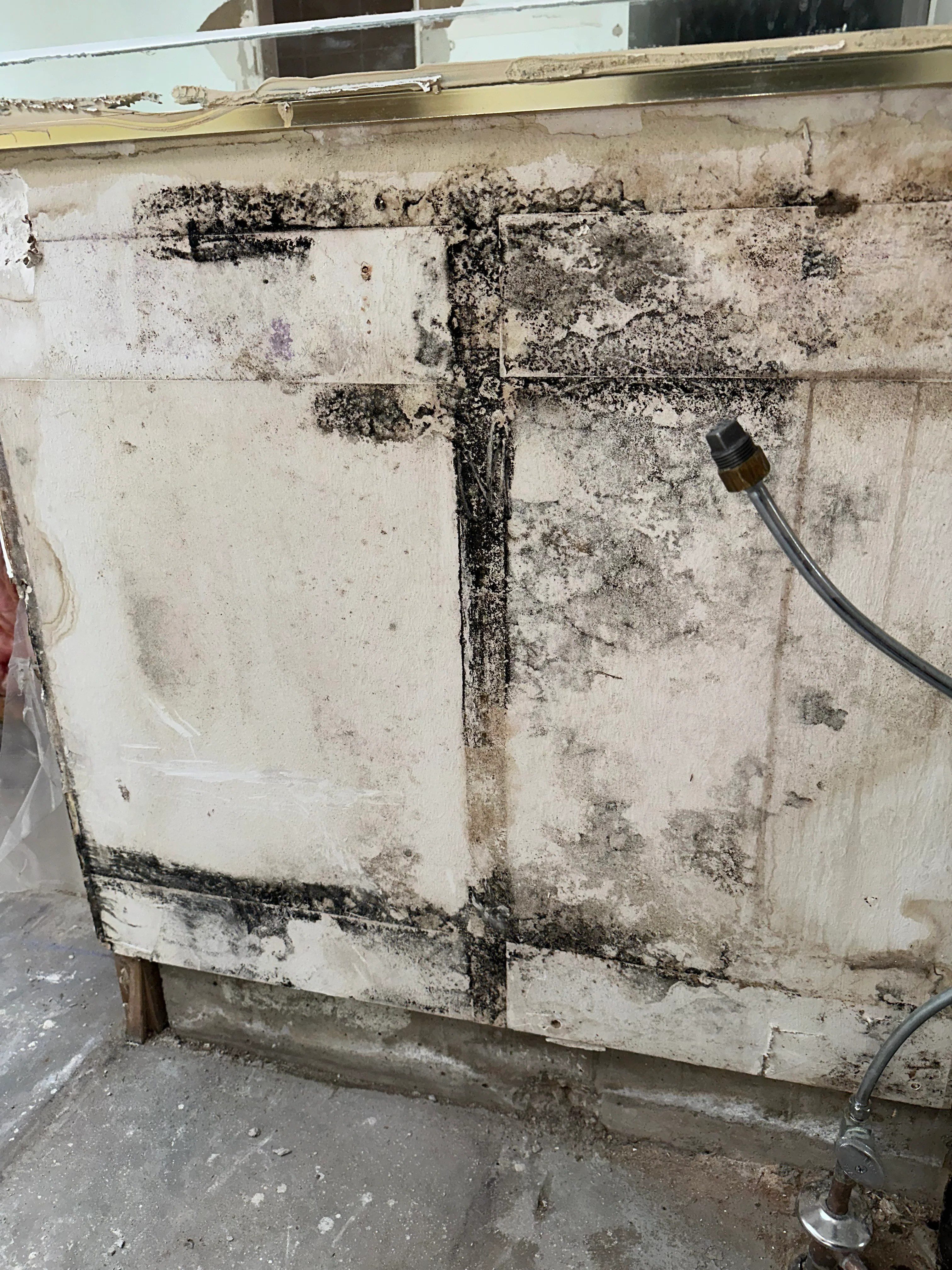
Several types of mold, including Aspergillus, Penicillium, and the notorious Stachybotrys (commonly known as black mold), are frequently found in mold in basements. These molds can appear as black, green, white, or even grayish patches on surfaces like walls, floors, or stored items. Each type has unique characteristics, and identifying them through testing can guide effective remediation strategies.
For instance, Aspergillus is often powdery and can spread quickly in humid conditions, while Stachybotrys is slimy and thrives in consistently wet areas. Knowing the type of mold present helps determine the urgency and approach needed for removal. Homeowners should be vigilant in spotting these signs to act swiftly.

Health Risks of Mold in the Basement
Exposure to mold can lead to a range of health issues, particularly for those with allergies, asthma, or compromised immune systems. Symptoms may include respiratory problems, persistent coughing, sneezing, skin irritation, or even headaches. Learning how to prevent basement mold is crucial to avoid these health risks and maintain a safe living space.
Children, the elderly, and individuals with pre-existing conditions are particularly vulnerable to mold-related health problems. Long-term exposure to mold spores may exacerbate chronic conditions or lead to more severe reactions. Regular maintenance and monitoring can mitigate these risks, ensuring your basement remains a healthy part of your home.
Mold exposure can have serious health implications if not addressed promptly.
Tips on How to Prevent Mold in Basement Spaces
Preventing mold requires a multifaceted approach that addresses moisture, ventilation, and regular upkeep. A persistent mold smell in basement areas often signals hidden mold growth, which can spread if not addressed. Below are ten detailed strategies to help you how to prevent mold in a basement and how to stop mold in basement environments effectively.
1. Identify and Fix Leaks Quickly
Water leaks are among the leading causes of mold growth in basements. Whether from plumbing, windows, or foundation cracks, even small leaks can introduce enough moisture to encourage mold. Regularly inspect your basement for signs of water intrusion, such as damp spots, water stains, or peeling paint, and address them immediately to prevent mold in basement spaces.
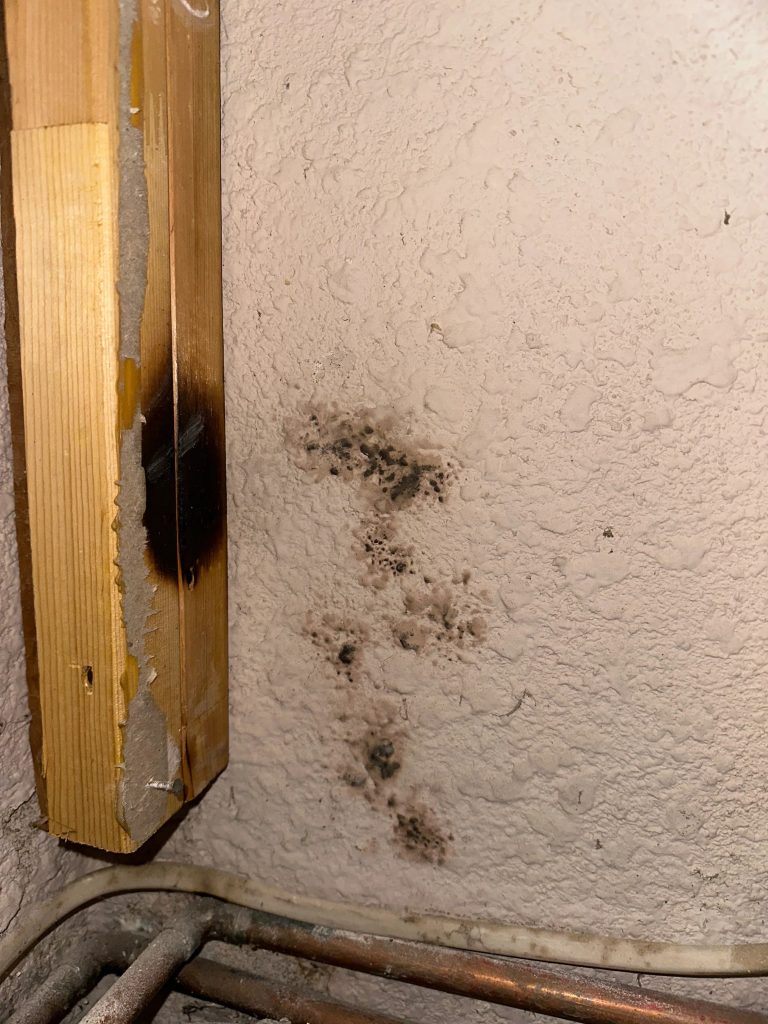
Check behind furniture, in corners, and along walls for hidden leaks, as these areas are often overlooked. For hard-to-detect issues, consider reviewing resources like signs of mold behind drywall to identify potential problem areas. Prompt repairs can prevent minor issues from escalating into major mold problems.
Fixing leaks early is the cornerstone of mold prevention.
2. Maintain Proper Humidity Levels
High humidity is a major contributor to mold growth, as mold thrives in environments with humidity levels above 60%. Using a dehumidifier to maintain basement humidity to prevent mold at 30-50% is a highly effective strategy. Invest in a quality dehumidifier with a built-in hygrometer to monitor and control humidity levels consistently.
Place the dehumidifier in a central location for optimal air circulation, and empty the water reservoir regularly to prevent overflow. Keeping humidity in check not only prevents mold but also improves air quality. Regularly monitor levels to ensure your basement remains within the safe range for mold in basement prevention.
A dehumidifier is your first line of defense against excess moisture.
3. Ensure Proper Ventilation
Poor ventilation traps humid air, creating a breeding ground for mold. Installing exhaust fans, vents, or an air exchange system can significantly improve airflow and reduce basement humidity to prevent mold. These systems help expel stale, moist air and bring in fresh, dry air to keep your basement dry.
If your basement has windows, open them periodically when weather conditions allow to promote natural ventilation. For basements with limited airflow, consider a mechanical ventilation system to ensure consistent air movement. Proper ventilation is a key component of how to prevent mold in the basement.
Good airflow is essential for a dry, mold-free basement.
4. Waterproof Your Basement
Waterproofing your basement is a proactive measure to prevent moisture seepage through walls and floors. Apply waterproof sealants or coatings to foundation walls and consider installing a vapor barrier for added protection. This approach is particularly important for basement mold prevention in regions prone to heavy rainfall or flooding.
Ensure that exterior grading directs water away from your home’s foundation to minimize seepage risks. Professional waterproofing services can provide long-lasting solutions tailored to your home’s specific needs. By creating a moisture barrier, you can significantly reduce the likelihood of mold growth.
Waterproofing protects your basement from moisture infiltration.
5. Use Mold Resistant Materials
When renovating or repairing your basement, choose materials designed to resist mold growth, such as mold-resistant drywall, paint, or insulation. These products are formulated to withstand damp conditions, making them ideal for preventing black mold in basement areas. They offer an additional layer of protection in high-risk environments.
For example, mold-resistant drywall is treated to resist moisture absorption, reducing the chance of mold taking hold. Similarly, mold-resistant paint contains additives that inhibit fungal growth. Investing in these materials during construction or upgrades can save you from future mold-related headaches.
Mold-resistant materials are a smart choice for basement durability.
6. Maintain Gutters and Downspouts
Clogged or damaged gutters and downspouts can cause water to pool near your home’s foundation, increasing the risk of basement leaks. Regularly clean gutters to remove leaves, debris, and other blockages, and ensure downspouts direct water at least five feet away from your home. This simple maintenance task is crucial for basement mold prevention.
Inspect your gutter system seasonally, especially after heavy storms, to ensure it’s functioning properly. Consider installing gutter guards to reduce debris buildup and maintenance frequency. Proper drainage keeps water away from your basement, reducing mold risks.
Well-maintained gutters keep water far from your foundation.
7. Insulate Properly
Condensation on cold surfaces, such as pipes or uninsulated walls, can create moisture that fuels mold growth. Insulating pipes with foam sleeves and adding insulation to exterior walls can prevent this issue. Proper insulation maintains consistent temperatures, helping to prevent mold in basement areas.
Ensure that insulation is installed correctly to avoid gaps that could allow moisture to accumulate. Use materials like closed-cell foam insulation, which is less prone to absorbing water. This step is particularly important in colder climates where condensation is more common.
Insulation prevents condensation and reduces mold risk.
8. Avoid Storing Organic Materials
Organic materials like cardboard boxes, paper, or untreated wood are highly susceptible to mold growth in damp conditions. Opt for plastic storage bins or metal shelving to how to stop mold in basement storage areas. These materials are less likely to harbor mold, even in humid environments.
Organize your basement to allow air circulation around stored items, and avoid overpacking shelves, which can trap moisture. Periodically inspect stored items for signs of dampness or mold to catch issues early. Smart storage practices are a simple yet effective way to prevent mold growth.
Non-organic storage solutions minimize mold risks.
9. Install a Sump Pump
In areas prone to flooding, a sump pump is an essential tool for preventing water accumulation in your basement. A properly installed sump pump removes excess water before it can cause damage or encourage mold in basements. Ensure the pump is equipped with a battery backup to operate during power outages.
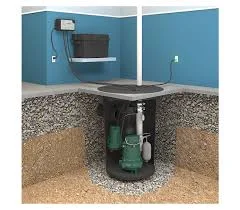
Regularly test your sump pump to confirm it’s working correctly, especially before the rainy season. Clean the pump and pit to prevent clogs that could impair its function. A reliable sump pump is a critical investment for flood-prone homes.
A sump pump protects your basement from flooding and mold.
10. Regularly Inspect for Moisture and Mold
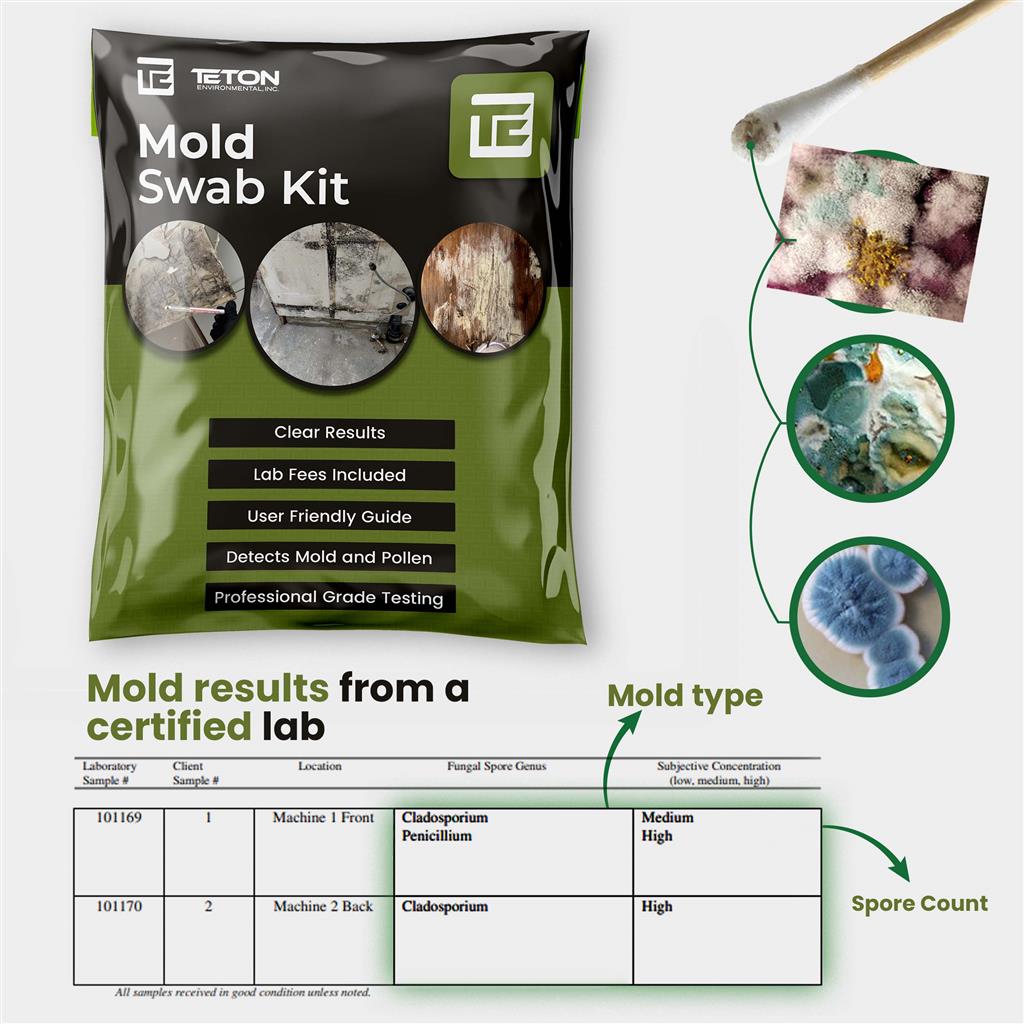
Routine inspections are vital for catching early signs of moisture or black mold in basement areas before they become major problems. Use a flashlight to check dark corners, behind furniture, and along walls for signs of water damage or mold growth. A home mold test kit can help you monitor for mold spores regularly.
Schedule inspections at least twice a year, particularly after heavy rain or snowmelt. Pay attention to musty odors, discoloration, or peeling paint, as these are common indicators of moisture issues. Staying proactive with inspections ensures you catch problems early.
Regular checks keep mold at bay.
How to Identify Mold in Your Basement
Detecting mold early can prevent it from spreading and causing further damage. A persistent mold smell in basement areas, even without visible growth, is often the first sign of a problem. Other indicators include discolored patches, fuzzy or powdery textures, or water stains on walls, floors, or ceilings.
Check areas that are prone to moisture, such as near pipes, windows, or exterior walls. Use a flashlight to inspect hidden spots, and consider using a moisture meter to detect dampness in walls or floors. Early detection allows you to address mold before it becomes a larger issue.
A musty smell is a red flag for hidden mold growth.
Test for Mold with Teton Environmental
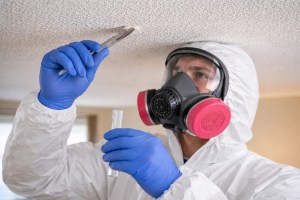
If you suspect mold in your basement, professional testing can provide clarity on its presence and severity. How to prevent mold in a basement begins with accurate identification, and Teton Environmental offers expert services to assess and address mold issues. Contact them through Environmental Testing Services for comprehensive testing and remediation guidance.
Professional testing involves air and surface sampling to identify mold types and concentrations. This information helps tailor remediation efforts to your specific situation, ensuring effective mold prevention. Partnering with experts gives you peace of mind and a clear path to a mold-free basement.
Professional testing is the key to confident mold prevention.
By implementing these ten strategies, you can create a basement environment that resists mold growth. From controlling humidity to regular inspections, each step plays a vital role in keeping your home safe and healthy. Partner with trusted professionals like Teton Environmental to ensure long-term success in maintaining a mold-free basement. Stay vigilant, and your basement can remain a functional, healthy space for years to come.