In 2024, the Environmental Protection Agency (EPA) finalized a full ban on chrysotile asbestos, marking a significant step in aligning the U.S. with over 60 countries that have outlawed this carcinogenic material. Despite this progress, asbestos remains prevalent in countless Denver homes and buildings, especially those built before the 1980s, lurking in materials like insulation, flooring, roofing, and drywall. Scheduling a professional asbestos inspection and assessment with a trusted provider like Teton Environmental is essential to identify risks, ensure safety, and comply with Colorado regulations, protecting both your health and property value.
Understanding what’s in your home is the first step to a safer living environment.
Why an Asbestos Inspection and Assessment is More Important Than You Think
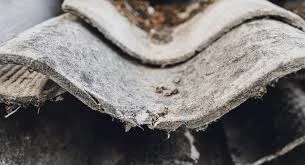
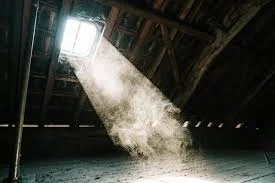
Asbestos, once celebrated for its durability and fire resistance, is now infamous for causing severe health issues, including lung cancer, mesothelioma, and asbestosis, when its microscopic fibers are inhaled. A professional asbestos inspection and assessment uncovers hidden dangers in your property, helping you avoid devastating health consequences and costly legal penalties. For Denver homeowners, a home inspection for asbestos is particularly critical before renovations or sales, as disturbing asbestos-containing materials (ACMs) can release fibers into the air, endangering residents and workers.
The risks extend beyond health: failing to conduct an asbestos inspection and assessment can lead to fines, project delays, or lawsuits if asbestos is mishandled during construction. In Denver’s competitive real estate market, buyers increasingly demand asbestos-free certifications, making a home inspection for asbestos a smart investment. By proactively addressing asbestos, you safeguard your family, enhance property value, and demonstrate due diligence.
Early detection through professional testing saves lives and prevents future headaches.
7 Things to Expect in Your Asbestos Inspection and Assessment
An asbestos home inspection in Denver follows a meticulous, multi-step process designed to identify and assess ACMs with precision. Certified professionals, such as those at Environmental Testing Services, use advanced techniques to ensure thorough evaluations, giving you clarity and actionable insights. Knowing what to expect during an asbestos inspection and assessment prepares you for a smooth, stress-free experience.
This process is especially vital in Denver, where older homes in neighborhoods like Capitol Hill or Washington Park often contain asbestos due to their pre-1980 construction. Understanding each phase empowers homeowners to make informed decisions and prioritize safety. Here’s a detailed breakdown of the seven key steps involved.
Anticipating these steps ensures you’re ready for a comprehensive inspection.
1. Initial Consultation
The asbestos inspection and assessment begins with an in-depth consultation to gather critical information about your property. Inspectors discuss your home’s age, construction history, past renovations, and any areas of concern, such as deteriorating drywall or aging insulation, which may contain asbestos. For a home inspection asbestos process, this tailored discussion, informed by resources like asbestos in drywall, ensures the inspection targets high-risk areas specific to your property.

During this phase, you’ll also learn about the inspection process, timelines, and what to expect from asbestos inspections in Denver. For example, a homeowner in a 1960s Denver bungalow might highlight a recently damaged ceiling, prompting inspectors to prioritize that area. This collaborative approach sets a strong foundation for accurate asbestos detection.
A detailed consultation aligns the inspection with your unique needs.
2. On-Site Visual Inspection
Certified inspectors conduct a thorough on-site evaluation, meticulously examining areas prone to asbestos, such as attics, basements, crawlspaces, and ceilings. This asbestos inspection and assessment step focuses on identifying materials that may require an asbestos risk assessment, especially in Denver’s older homes, where asbestos was commonly used. Visual inspections are critical for spotting potential hazards before proceeding to sampling, minimizing the risk of fiber release.
Where Asbestos is Usually Found
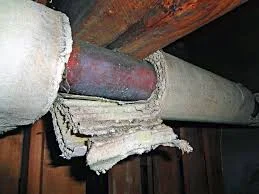
Asbestos is frequently found in popcorn ceilings, textured walls, joint compound, pipe insulation, vinyl floor tiles, roofing shingles, and siding, as highlighted in resources like asbestos in popcorn ceiling. In Denver, inspectors pay close attention to these materials, particularly in homes built between the 1940s and 1970s, when asbestos use peaked. Identifying these hotspots during an asbestos inspection and assessment ensures a targeted approach to testing and remediation.
For instance, a Denver homeowner might notice a cracked popcorn ceiling in their Park Hill residence, a common asbestos-containing feature. Inspectors use their expertise to assess the material’s condition and potential risk, documenting findings for further analysis. This step is foundational to protecting occupants from exposure.
Visual inspections pinpoint risks with precision and care.
3. Sample Collection
If suspect materials are identified, inspectors carefully collect small samples for laboratory analysis during the asbestos inspection and assessment. This home inspection asbestos process is performed with strict safety protocols to prevent disturbing asbestos fibers, which could become airborne and pose health risks. Samples are securely sealed and sent to accredited laboratories, as detailed in the Teton Environmental blog, ensuring reliable results.
In Denver, where asbestos inspection services must adhere to state regulations, inspectors use specialized tools to extract samples from materials like insulation or flooring without compromising safety. For example, a small section of damaged vinyl tile might be removed from a kitchen floor, packaged, and labeled for testing. This meticulous approach guarantees accurate identification of ACMs.
Safe sample collection is the cornerstone of trustworthy results.
4. Laboratory Analysis
Collected samples undergo rigorous testing in certified laboratories as part of the asbestos inspection and assessment. In Denver, asbestos home inspection services employ advanced techniques, such as polarized light microscopy (PLM) or transmission electron microscopy (TEM), to detect even trace amounts of asbestos fibers. This step is pivotal in confirming whether remediation is necessary, providing definitive answers about your property’s safety.
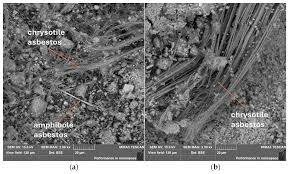
Laboratories typically deliver results within a few days, detailing the type and concentration of asbestos, if present. For instance, a Denver homeowner might learn that their attic insulation contains chrysotile asbestos, requiring immediate action. The precision of this asbestos inspection and assessment phase ensures you have clear, actionable data.
Laboratory analysis delivers the clarity needed for informed decisions.
5. Final Report & Risk Assessment
Upon completion of testing, you receive a detailed report summarizing the asbestos inspection and assessment findings. The asbestos assessment includes an asbestos risk assessment, evaluating the condition of ACMs (e.g., intact or deteriorating) and recommending actions like monitoring, encapsulation, or removal. This comprehensive document empowers Denver homeowners to address asbestos safely and effectively.
For example, a report might indicate that asbestos in a basement pipe wrap is stable but should be monitored annually, while a damaged popcorn ceiling requires immediate removal. This asbestos inspection and assessment step ensures you understand the risks and next steps, tailored to your property’s unique needs.
A thorough report guides you toward a safer, compliant home.
6. Compliance with Colorado Laws
Colorado enforces stringent regulations on asbestos handling, and a professional asbestos inspection and assessment ensures your property meets these standards. Asbestos inspection services in Denver comply with state and federal guidelines, including those set by the Colorado Department of Public Health and Environment (CDPHE), to protect property owners from fines and legal repercussions. Compliance is critical during renovations or demolitions, where disturbing asbestos without proper testing can lead to penalties.
For instance, Denver’s permitting process often requires an asbestos inspection and assessment before issuing renovation permits for pre-1980 buildings. By working with certified professionals, you avoid costly delays and ensure adherence to local laws, safeguarding both your project and community health.
Staying compliant protects your property and peace of mind.
7. Referrals to Certified Abatement Contractors
If asbestos is detected, the asbestos inspection and assessment concludes with referrals to certified abatement contractors who specialize in safe removal or encapsulation. These experts, recommended by trusted providers like Teton Environmental, ensure your home inspection for asbestos leads to effective solutions, minimizing health risks. This step is crucial for transforming your property into a safe, asbestos-free environment.
In Denver, abatement might involve removing asbestos-laden floor tiles from a Highlands home or encapsulating pipe insulation in a commercial building. Certified contractors follow strict protocols to prevent fiber release, ensuring compliance and safety throughout the process.
Professional abatement is your path to an asbestos-free future.
Tips Before Your Asbestos Inspection and Assessment
Proper preparation enhances the efficiency and accuracy of your asbestos inspection and assessment. Clear access to suspected areas (e.g., attics or basements), avoid disturbing potential ACMs, and provide inspectors with detailed renovation histories to ensure comprehensive asbestos testing services. Additionally, inform occupants about the inspection to minimize disruptions and maintain safety.
For Denver homeowners, consider reviewing your property-accounts of any recent repairs or upgrades that might affect the asbestos inspection and assessment, such as new flooring or ceiling repairs. Documenting these changes helps inspectors focus on high-risk areas, improving the inspection’s effectiveness. Taking these steps ensures a smoother, more accurate process.
Thoughtful preparation maximizes the value of your inspection.
What Makes Teton Environmental’s Asbestos Inspection and Assessment Different
Teton Environmental distinguishes itself through its commitment to precision, transparency, and customer-focused asbestos inspections. Their asbestos testing service leverages cutting-edge equipment and a team of certified professionals to deliver results you can trust. By choosing Teton for your asbestos inspection and assessment, you gain a partner dedicated to your safety, compliance, and long-term peace of mind.
Unlike generic providers, Teton tailors each asbestos inspection and assessment to your property’s unique characteristics, ensuring no detail is overlooked. Their reputation in Denver for thoroughness and reliability makes them the go-to choice for homeowners and businesses alike.
Teton Environmental delivers expertise you can rely on.
Other Services We Offer
Mold Inspection and Testing
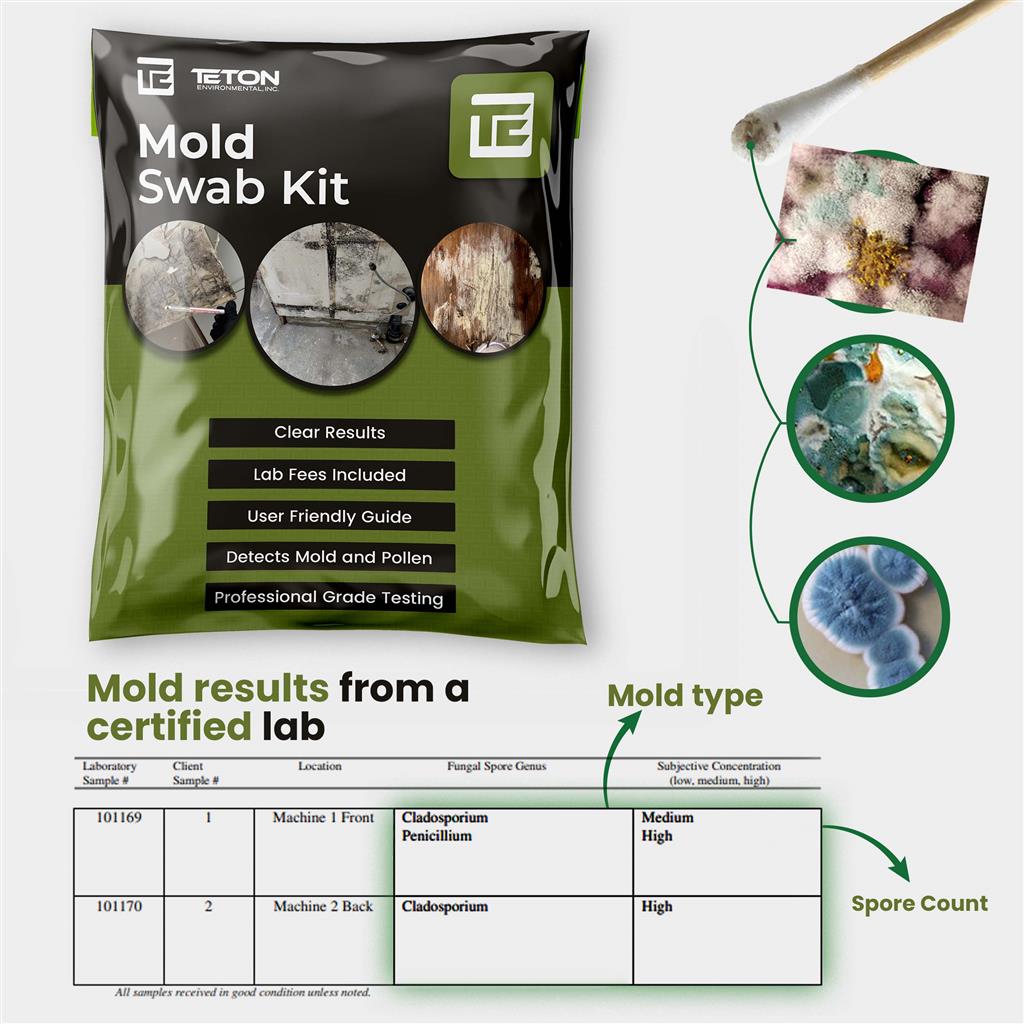
Mold can degrade indoor air quality and trigger health issues, making professional testing vital. Teton Environmental’s mold inspection identifies hidden growth and provides actionable remediation plans, complementing your asbestos inspection and assessment. This service ensures a holistic approach to your property’s safety.
Lead Inspection and Testing
Lead-based paint, prevalent in older Denver homes, poses serious risks, particularly to children. Teton Environmental’s lead testing detects hazards and ensures compliance with regulations, preventing long-term health issues. Early identification is key to a safe living environment.
Erosion Control Services
Erosion control safeguards your property from soil loss and environmental damage, especially during construction projects. Teton Environmental offers tailored solutions to stabilize landscapes and meet Denver’s regulatory standards. These services enhance your property’s longevity and compliance.
Water Testing Services
Clean water is essential for health, and Teton Environmental’s water testing identifies contaminants like lead, bacteria, or chemicals. Regular testing ensures your water supply meets safety standards, protecting residents and businesses. This service is a critical component of comprehensive property care.
Discover our full suite of services for total environmental protection.
Schedule Your Next Asbestos Inspection with Teton Environmental
Ready to protect your Denver property from asbestos risks? Teton Environmental’s asbestos inspection services offer thorough evaluations and clear, actionable insights. Contact Teton Environmental today to schedule your asbestos inspection and assessment and take control of your home’s safety.
Act now to ensure a healthier, safer property.
FAQs About Asbestos Inspection and Assessment
Is asbestos still found in newer Denver homes, or just older properties?
Asbestos is most common in homes built before the 1980s, but some newer properties may contain imported materials with asbestos traces. An asbestos inspection and assessment is the only way to confirm your home’s status. Teton Environmental’s asbestos testing services provide accurate answers for any property.
Do I need an asbestos inspection before pulling a renovation permit in Denver?
Yes, Denver often requires an asbestos inspection and assessment for renovations on pre-1980 buildings to prevent exposure risks. Local regulations mandate testing to ensure safety during construction. Skipping this step can delay permits and incur fines.
What happens if I skip the asbestos inspection and the city finds out?
Skipping an asbestos inspection and assessment can lead to project shutdowns, hefty fines, or legal action from Denver authorities. Disturbing asbestos without testing endangers workers and residents, violating state laws. An asbestos risk assessment keeps you compliant and safe.
Can I be fined for not doing an asbestos inspection and assessment in Colorado?
Yes, Colorado imposes strict penalties for non-compliance with asbestos regulations, especially during renovations or demolitions. An asbestos inspection and assessment ensures you meet CDPHE requirements, avoiding costly fines. Schedule with Teton Environmental to protect your property.
Get expert answers to all your asbestos questions with Teton Environmental.