Most residential inspections take at least 1-2 hours, depending on the testing method and size of the house. Lab results can be received very next day.
Testing mold is important because hidden contamination affects indoor air quality, triggers allergies and damages structural materials over time. Professional testing helps homeowners confirm the presence of mold and determine the next steps for remediation.
Stop wondering how long does mold testing take , if you suspect mold growth in your home, schedule a professional mold inspection and testing service right away, as it’s the safest way to identify the issue before the fungus spreads.
You can also learn more about the health and property risks linked with mold in your home before considering an inspection.

Key Takeaways
- Before scheduling an inspection, many homeowners ask how long does a mold test take. The timelines vary, but several things remain the same.
- An on-site residential mold inspection usually takes 45 minutes to 2 hours
- Lab testing requires 24 to 48 hours for results
- Rush or emergency testing sometimes provides results the same or the next day
- The total timeline ranges between 1 and 3 days
- Commercial buildings or bigger properties require multiple sampling rounds, slightly extending the timeline
- Companies such as Teton Environmental have certified inspectors for carrying out accurate testing procedures because incomplete ones miss detecting hidden mold issues
How Long Does Mold Testing Take?
Homeowners in Colorado want to know how long does it take to test for mold and what happens during the mold inspection process. While each situation is different most professionals have a predictable timeline.
Does Paying More Get Faster Results?
In Colorado, the cost of mold testing affects the timeline.
Going for the standard testing means lab results arrive in 24 to 48 hours.
If it’s urgent, you might get the reports the same day or the next, and labs charge extra fees.
Furthermore, inspection costs vary depending onproperty size, accessibility of affected areas, number of samples collected, processing speed of the laboratory and the type of scheduling
Step 1: Schedule Your Inspection
First, book a mold inspection. Homeowners must provide property size and type, visible mold or odors, known moisture problems and whether any health symptoms are occurring in the home.
Most mold inspectors schedule an appointment within two days, but if it’s an emergency professionals visit the same day.
The phone consultation takes between ten and fifteen minutes, appointment can be booked on the same day and inspection availability takes a day or two.
Established mold testing companies have no issues with quick scheduling because they offer and maintain multiple inspections.
Step 2: The On-Site Inspection
Homeowners ask how long does a mold inspection take once the inspector arrives. Mostly, the on-site inspection lasts forty-five minutes to two hours, depending on your property size.
During this, the inspector checks ceilings, walls and flooring. They also look for visible mold growth in the particular areas and identify water leaks or damage.

After that, the experts use moisture meters and thermal imaging cameras to locate hidden dampness and assess air quality to determine whether airborne mold spores are more indoors.
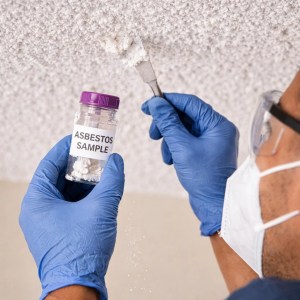
Then the team discusses symptoms or previous water damage, identifies possible mold sources and collects a minimum of five samples to send for lab processing.
Step 3: The Sample Collection Timeline
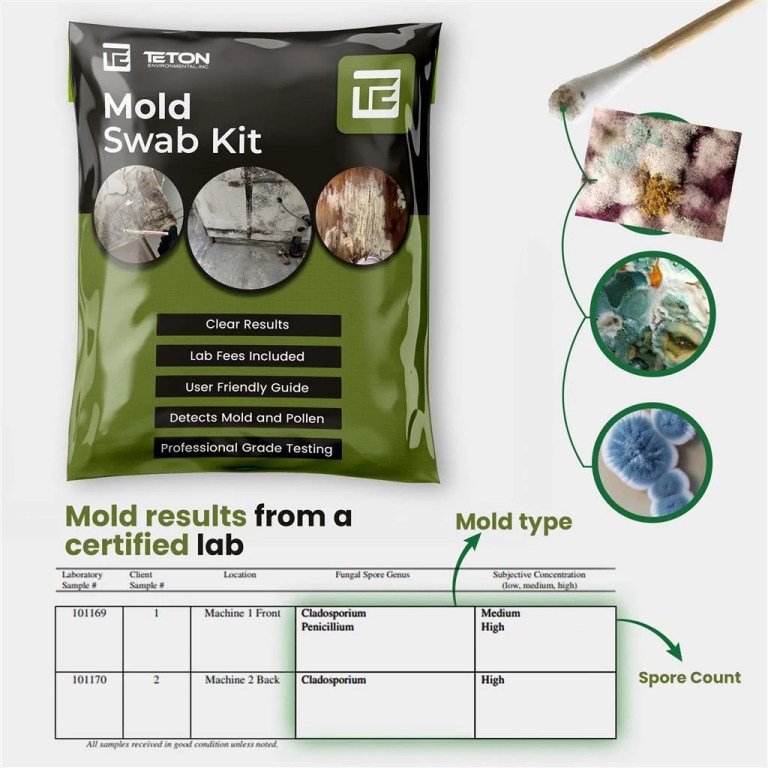
Different types of testing affect how quickly sampling occurs. Many inspectors bring a professional mold test kit to collect samples and the timeline varies for each.
Air sampling requires 1-5 minutes, bulk sampling takes the same time as air sampling.
If you prefer DIY testing kits, be prepared, because you have to ship samples and wait for results, taking longer than usual, therefore professional inspections are recommended.
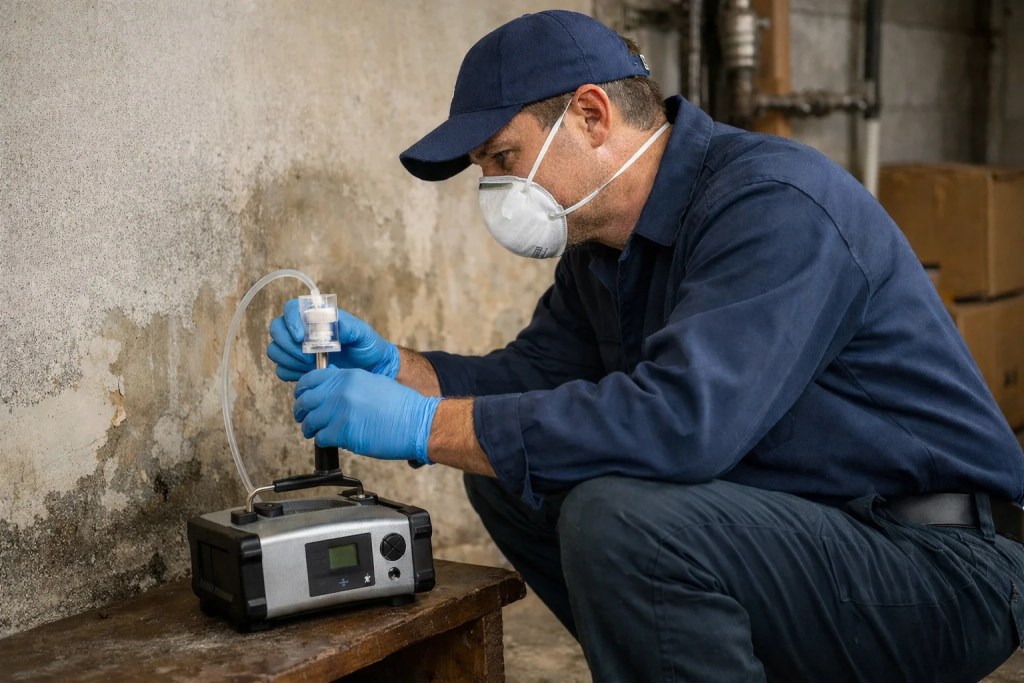
Property type also determines the sampling timeline. A small home gets done in 45 to 90 minutes, a large home requires 1.5 to 3 hours, an apartment 30 to 60 minutes, commercial building takes 2 to 4 hours, inspecting only the crawlspaces demands 30 to 45 minutes and duct testing 30 to 60 minutes.
Step 4: Lab Analysis
The collected samples are sent to an accredited laboratory for analysis, where the mold testing lab result times step ahead and tests are performed for various mold species that commonly appear in water-damaged homes.
Here, samples are cataloged and logged. The technicians place them under their microscope to examine spores, labs identify the specific mold species growth and its concentrations and compile the final results into a report.
Standard processing gives results in 24 to 48 hours, emergency in 12 to 24 hours and PCR analysis 48 to 72 hours.
You get reports through emails, online client portals or by calling the inspector to know about the progress.

Step 5: Receive Your Results
Once the lab finishes testing, you will receive the mold test results within three days, depending on the lab’s processing speed. The mold inspector then reviews the result and explains: which mold species were detected, whether mold spore counts have increased and recommended remediation steps.
If there is mold, the next step involves remediation. You can learn how long does mold remediation take to understand the timeline. Otherwise, small areas require 1 to 3 days, larger contamination 3 to 7 days and major damage needs 1 to 2 weeks.
After mold remediation, inspectors might recommend re-testing to confirm the mold has been completely removed.
Factors Affecting Mold Testing Time
Despite general timelines, several factors speed up or slow down inspections. Many companies offering professional mold visual inspection services keep the following in mind before estimating the duration:
Property Size – The larger the home the more inspection time it requires
Number of Samples – The quantity of mold samples add to the lab processing time
Lab’s Location – Local laboratories provide quicker results
Season – Homeowners schedule more inspections in spring and summer
Area Accessibility – Crawlspaces or attics that are difficult to access take longer to inspect
Contamination’s Severity – How severe is the mold infestation? Small ones require normal whereas larger infestations demand additional sampling
Real Estate and Legal Situations – These situations also influence mold testing timelines.
During home purchase inspections, testing must fit within escrow deadlines. Then don’t forget to keep your paperwork sorted for insurers, as they may ask you for official inspection reports. Legal mold testing also requires additional documents, so have everything ready.
How to Prepare to Speed Up Your Mold Test
Proper preparation helps inspectors deliver faster and more accurate mold testing services.
Therefore 48 hours before inspection:
- Close the doors and windows
- Avoid using air purifiers
- Maintain normal indoor conditions.
- Moreover, don’t clean suspected mold areas, and no chemicals.
On the inspection day make sure:
- The inspectors can reach attics and crawlspaces.
- Please turn off HVAC systems two hours before sampling if the experts request.
- Show them the documentation stating previous water damage.
- In this way, the testing accurately reflects real indoor air conditions.
Fast and Professional Mold Testing Services in Colorado
Contact a licensed inspection company for an accurate estimate of how long does mold testing take. They will tell you based on your property. Furthermore, working with a certified residential mold inspector guarantees that procedures follow proper industry standards and deliver genuine results.
Many Colorado homeowners select certified inspectors because they share certifications from the Indoor Air Quality Association, the American Council for Accredited Certification and the National Organization of Remediators and Mold Inspectors.
These demonstrate training, experience and evidence that the company is compliant with the recognized inspection standards.
When To Rush Mold Testing
When you notice strong musty odors indoors, find visible black mold growth, recent flooding or unexplained respiratory problems.
After getting exposed to moisture, mold begins growing within 24 to 48 hours. This means delaying testing allows contamination to spread further.
However, if you suspect black mold, immediately contact Teton Environmental to protect the occupants and the property. People have appreciated their certified inspection services in Colorado.
“We called for complete testing and the inspectors arrived the same day, within two hours. Our lab tests were ready the next day, which helped us quickly address the issue.”
“Unlike other companies, Teton Environmental’s inspectors were certified and quite knowledgeable. The entire testing and inspection process hardly took two days.”
“Our inspector explained the inspection method and showed us the moisture readings. The whole process felt very professional.”