How to get rid of mycotoxins in your home? Understanding this is important for protecting the indoor air quality and your family’s health. Certain molds produce these toxic compounds, and once they settle into your home, they spread through dust, surfaces, and even the air you breathe.
Many homeowners don’t realize that mycotoxins can persist long after visible mold is removed. It contributes to health and comfort issues.
Learning how to get rid of mycotoxins in your home requires more than basic cleaning. This also involves moisture control, long-term prevention, and proper remediation.
Can you relate to the situation and want to learn how to get rid of the toxins? We will guide you on safe, effective, and sustainable strategies to reduce household air pollution and enhance indoor living conditions. Plus, you will also know when mold inspection and testing become necessary.
Key Takeaways
- Symptoms of mold toxicityinclude exhaustion, sinus issues, headaches, brain fog, and respiratory irritation.
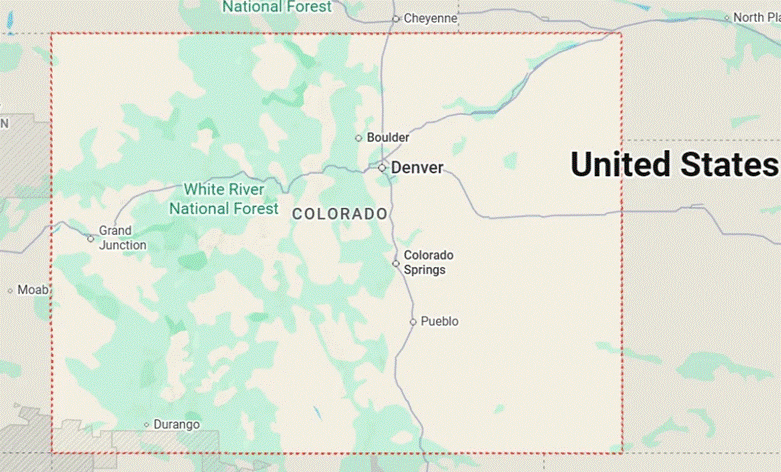
- Professional mold testing Denver Colorado service identifies hidden contamination that DIY methods can’t catch.
- Proper mycotoxin cleanup requires more than surface-level mold removal.
- Working with trustworthy experts like Teton Environmental helps ensure safe remediation and accurate testing.
What Are Mycotoxins and Why They’re Dangerous Indoors?
Mycotoxins are microscopic toxic substances. Certain molds release them as part of their natural defense system. When mold grows indoors, these toxins don’t simply disappear; they linger.
These toxic substances can repeatedly circulate inside enclosed spaces through surfaces, dust, and air, resulting in prolonged indoor mycotoxin exposure. Unlike visible mold, mycotoxins are odorless and invisible at the microscopic level, making them extremely dangerous.
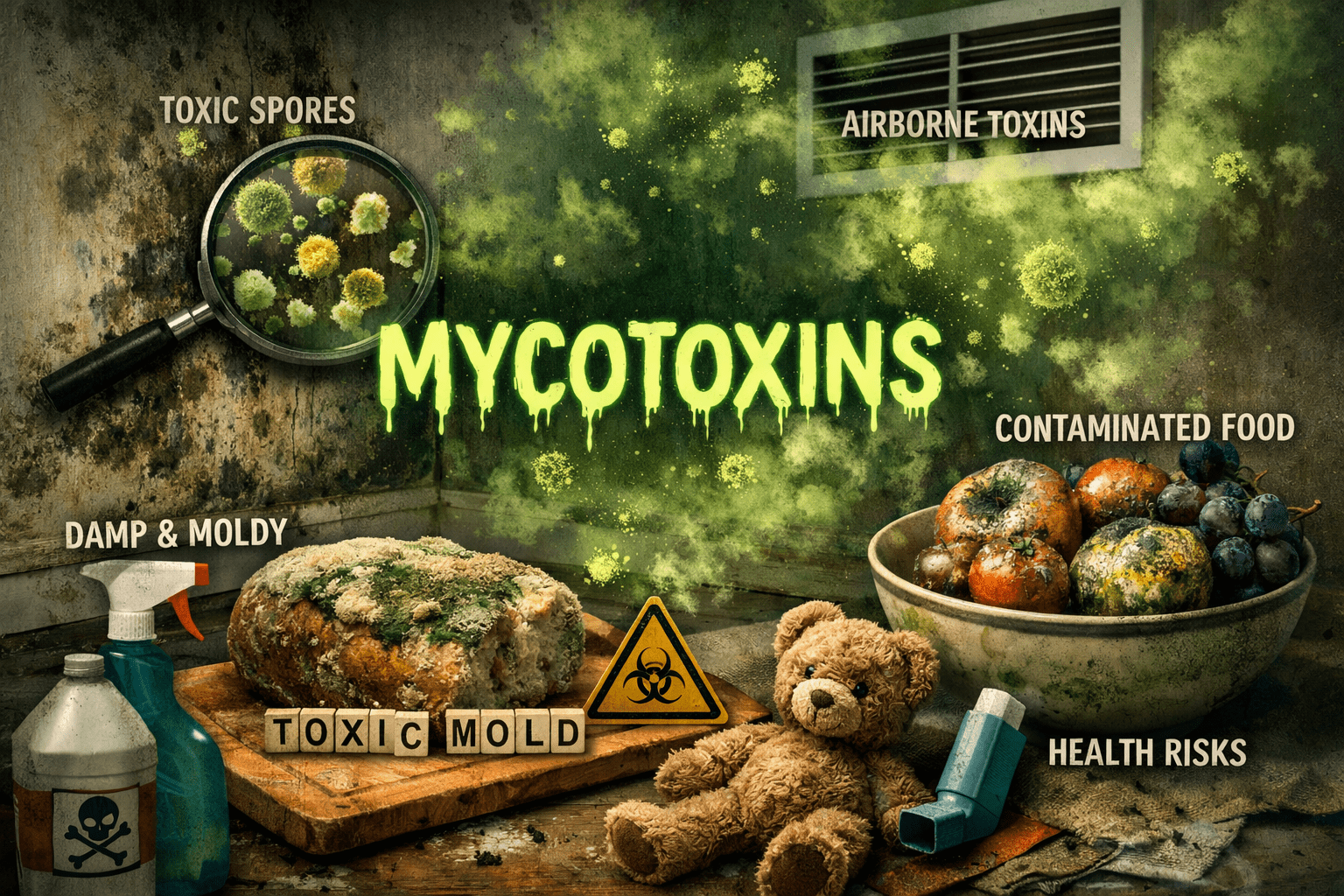
Over time, consistent exposure can affect immune function, respiratory health, and overall well-being, even in homes that appear clean.
Ways Mycotoxins Enter and Build Up Inside Your Home
Excess moisture is usually the reason the toxin enters. Common sources include:
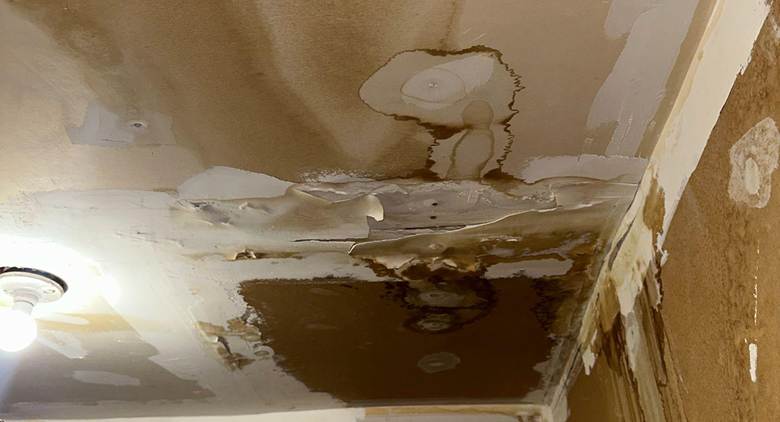
- Water damage
- Plumbing leaks
- Flooding
- Consistently high humidity levels
The above factors allow mold colonies to grow. As mold spreads, it releases airborne mycotoxins that attach themselves to dust particles and building materials such as carpeting, drywall, and insulation.
If ventilation is poor, the problem worsens as mycotoxins become trapped indoors. Furthermore, HVAC systems can also unknowingly distribute contaminants throughout the entire home. So, understand what mold spores look like to spot early warning signs before contamination increases.
Common Signs Of Mycotoxin Contamination
Persistent Stench: Homeowners notice a persistent musty or earthy odor
Increased Allergic Reactions: There are increased unexplained allergy-like reactions indoors.
Worsening Exposure Symptoms: Mycotoxin exposure symptoms worsen even after cleaning.
Triggering Dust: Dust triggers irritation or coughing due to mold toxins in the air.
In extreme cases, prolonged exposure contributes to chronic conditions. These are associated with biotoxin disease, highlighting the importance of action and early detection.
How to Get Rid of Mycotoxins in Your Home Safely and Effectively?
Understand how to remove mycotoxins without spreading further throughout your living space. This is the first step to address contamination. Unlike basic mold removal, mycotoxin remediation targets invisible toxins and visible mold growth embedded in furnishings, indoor air, and surfaces.
Improper cleaning can worsen exposure rather than resolve it, because mycotoxins are easily disturbed and light.
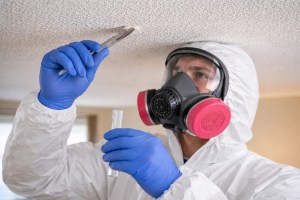
Effective remediation starts with careful planning and controlled methods. These measures are designed to limit cross-contamination, including sealing off affected areas, wearing protective equipment, and using specialized equipment rather than household cleaning tools.
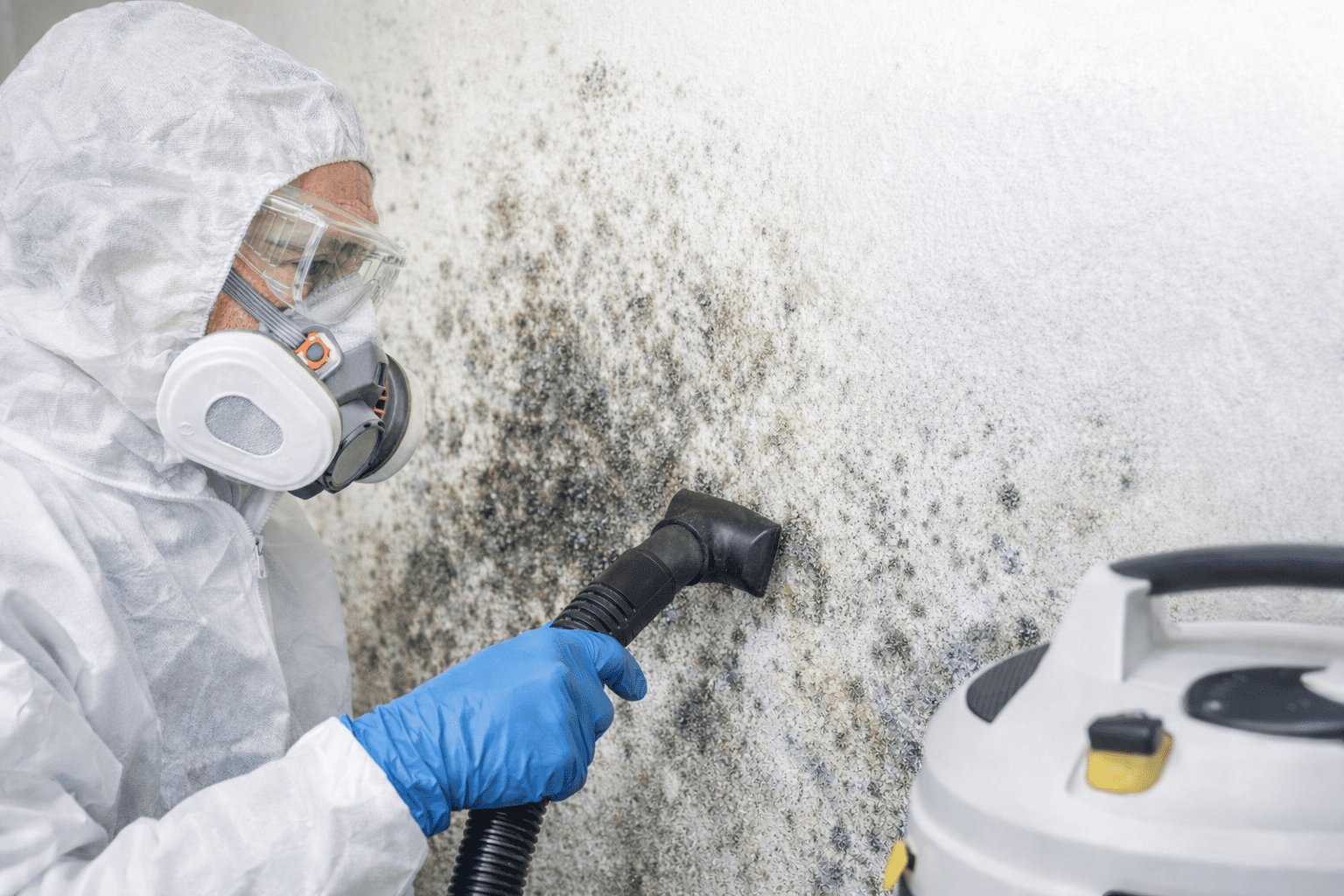
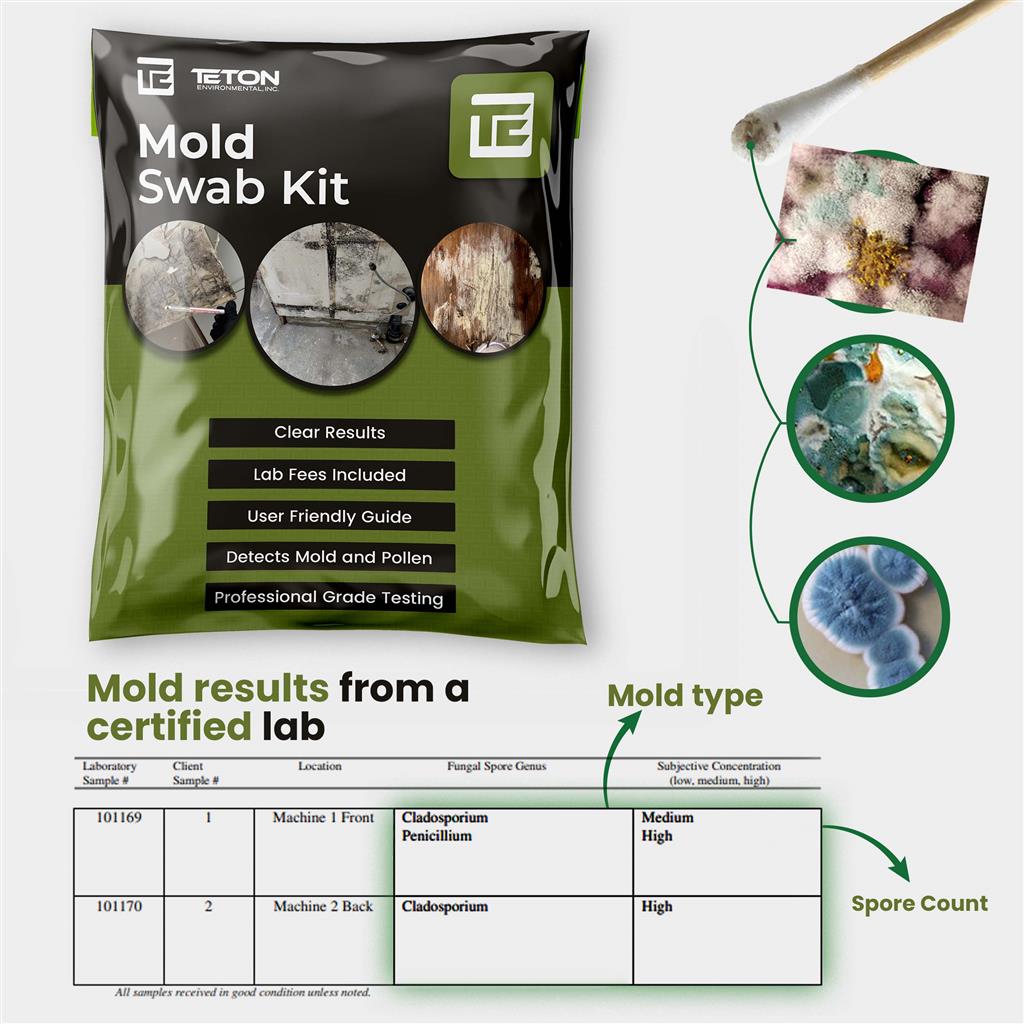
Homeowners must avoid dry sweeping or vacuuming without HEPA filtration. Using this releases additional toxins into the air. Many prefer professional assessments or a dependable home mold test kit for early screening.
The most successful approach combines air filtration, deep cleaning, and long-term moisture control to fully treat contamination.
1. Fix Moisture
As mentioned above, moisture is the foundation of mold growth and airborne mycotoxins. It makes controlling the water the first and most important step. Any cleaning efforts are likely to fail without addressing moisture problems. There, do the following:
- Repair roof leaks, plumbing failures, and any foundation cracks you spot inside your home.
- Keep indoor humidity below 5% by using dehumidifiers.
- Check bathrooms, basements, kitchens, and laundry rooms for ventilation. If it’s poor, then improve it.
- Address condensation issues around pipes, windows, and HVAC systems.
- Reduce excess moisture, as it directly reduces the release of mold toxins in the air. This prevents the development of new mold colonies and provides a healthier indoor environment.
2. Remove Mold
Is the mycotoxin mold contamination in your house confirmed? Physically removing the affected materials can become unavoidable. The fungus deeply penetrates porous materials, making thorough cleaning a challenge:
- Dispose of contaminated insulation, drywall, and carpeting. Also, the ceiling tiles.
- Use approved remediation methods to clean non-porous surfaces.
- Seal removed materials in plastic to prevent spores from spreading before disposal.
- Avoid DIY attempts in heavily contaminated spaces.
- Call professional remediation experts. The teams follow strict containment and disposal procedures, guaranteeing safe handling while lowering the risk of further exposure or reinfestation.
3. Clean Mycotoxins from Surfaces
Despite removing the mold, indoor mycotoxin exposure can continue, especially if toxins remain on surfaces and belongings. These toxic substances cling to fabrics, dust, and furniture, making detailed cleaning crucial:
The vacuums remove fine debris and dust.
Take appropriate microbial solutions to clean hard surfaces.
Launder fabrics with strategies designed to neutralize toxins.
Throw items that can’t be effectively cleaned.
The proper cleaning stage is essential for reducing lingering toxins and preventing mold from harming your health.
4. Reduce Airborne Mycotoxins
In managing mycotoxin mold contamination, air quality control plays a key role. Filtration captures toxin particles suspended in the air that simple cleaning can’t remove:
- Install HEPA air purifiers in frequently used rooms.
- Upgrade HVAC filters to high-efficiency models.
- Ensure the ductwork is cleaned and sealed.
- Whenever outdoor conditions allow, increase the rate of fresh air exchange.
- Consistently use these measures to reduce airborne contaminants and support long-term indoor air quality.
Ways To Prevent Mycotoxins
Preventing mycotoxin invasion is equally important as removing the existing toxic substances. Long-term riddance depends on early detection, consistent maintenance, and a proactive approach to preventing mold growth. Don’t underestimate prevention, as even professionally remediated homes can still face recurring issues, leading to renewed exposure. Therefore, do as follows:
Control Moisture
Maintain proper moisture control. It remains the most effective way to stop mold from returning. Homeowners should regularly track indoor humidity levels and keep them below 50%.
Furthermore, place dehumidifiers in basements, moisture-prone areas, and crawl spaces. Don’t forget to address condensation on HVAC components and windows. The same goes for pipes, which help prevent hidden moisture accumulation.
Have Routine Inspections
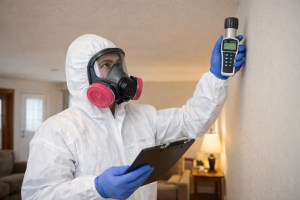
Schedule routine inspections and maintenance. These play a vital role in long-term prevention. After heavy rains, plumbing leaks, or appliance breakdowns, homeowners should thoroughly inspect for signs of dampness or mold. Periodically evaluate to identify small issues before they turn into bigger contamination issues.
Properly Ventilate
Lastly, maintain proper ventilation. The airflow lowers stagnant air and moisture accumulation. Ensure kitchens, bathrooms, and laundry areas are well-ventilated with HVAC systems properly maintained.
Act Quickly
Act quickly as soon as you identify the first sign of leaks or condensation to stop mold from spreading. This will also protect indoor air quality and reduce the risk of future contamination.
Contact Mold Inspection Services
Professional remediation services are often the most effective and safest option for detailed and reliable solutions. Therefore, contact certified inspectors. They conduct in-depth evaluations to detect both hidden and visible contamination, including mold testing Denver Colorado , on which residents rely for accurate results. This testing helps determine the degree of the problem and guides the correct next steps.
Experienced companies have trained professionals to locate hidden moisture sources. And recommend precise mycotoxin cleanup techniques tailored to each home. At Contact Teton Environmental, trusted providers provide expert support throughout the inspection, testing, and remediation process.
Working with qualified remediation experts reduces health risks, helps prevent future mycotoxin infestation, and doesn’t violate the safety standards. Giving you a cleaner, healthier indoor living space.
link to GBP CID link: https://maps.google.com/maps?cid=14950218088920182749